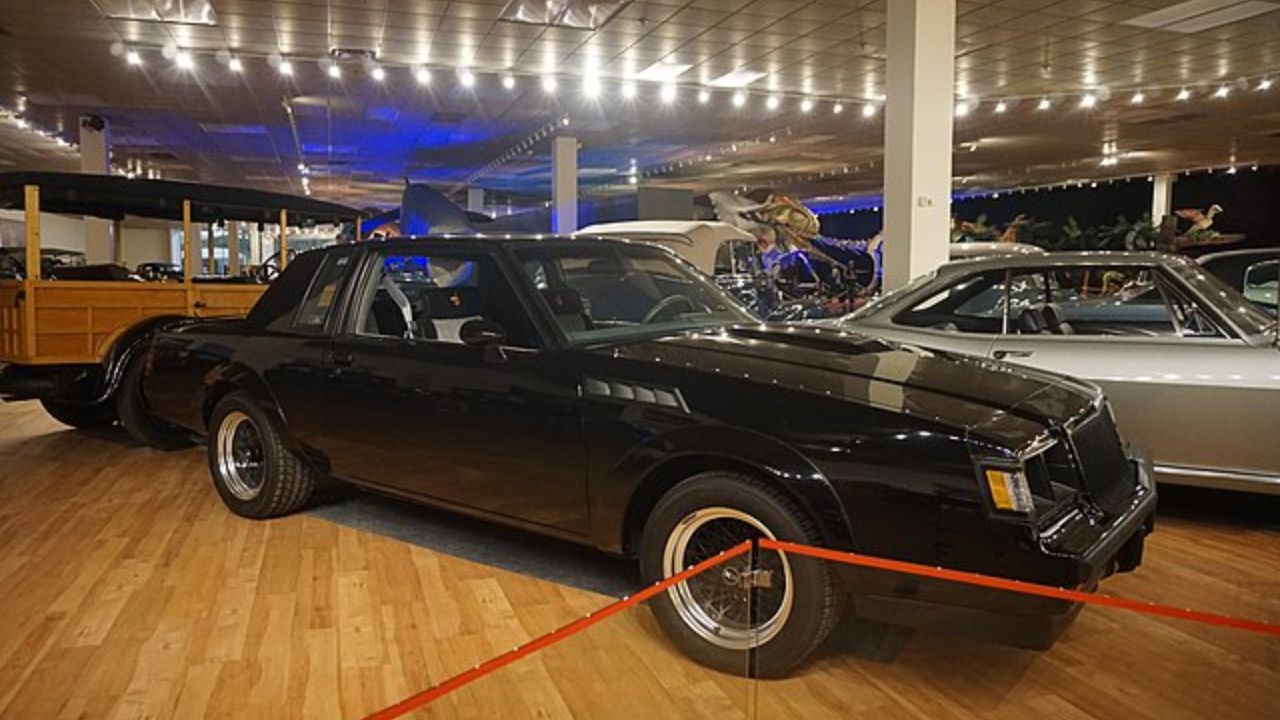
The Buick GNX sits in a strange sweet spot: it’s a car people love to drive and talk about, but many owners treat it more like a preserved artifact than a blank canvas. That isn’t because GNX owners dislike performance—far from it. It’s because the GNX already arrived as a carefully curated package, and changing it can quickly undermine what makes it special in the first place.
Rarity makes “original” part of the appeal
The GNX was produced in very limited numbers for the 1987 model year, and that scarcity shapes owner behavior. When a car is uncommon, the pool of correct parts, knowledgeable shops, and verified documentation matters more than it does for a mass-produced performance model. For many owners, keeping the car as close to factory-delivered as possible is simply the safest way to protect what they bought it for.
There’s also a practical angle: the more a GNX deviates from stock, the harder it can be to answer basic questions later—what’s been changed, who did the work, and whether it was done to a standard the next caretaker will trust. Even small mods can create a long paper-trail problem if records are missing. With a car that’s often collected as much as it’s driven, provenance becomes a feature.
Its performance was engineered as a balanced system
One reason owners hesitate to modify a GNX is that the car wasn’t just a standard Grand National with a badge. It was developed with help from ASC/McLaren and included a collection of changes intended to work together, not as isolated bolt-ons. When a vehicle’s character comes from a specific combination of turbo calibration, drivetrain behavior, suspension tuning, and tires, changing one piece can create unintended side effects elsewhere.
That “system” mindset is easy to overlook today because modern tuning tools make power gains feel simple. But on a turbocharged, 1980s-era, ECU-controlled setup, pushing things without a thoughtful plan can lead to drivability quirks, heat management issues, or reliability concerns. Many owners would rather enjoy the GNX as an integrated period performance package than chase incremental improvements that dilute the original feel.
Collector-market expectations punish irreversible changes
Classic-car values aren’t just about condition—they’re about correctness. The GNX market tends to reward examples that retain original equipment, finishes, and identifiable components. Even when modifications are “better,” they can still be viewed as negative if they replace parts that are hard to source or prove, especially if the originals weren’t kept.
This is why you’ll hear longtime owners talk about reversibility. If a modification requires cutting, drilling, repainting, or permanently altering factory pieces, many GNX owners simply won’t do it. The risk isn’t only financial; it’s also about future credibility. A stock-appearing car with documented, original components is easier to evaluate, insure, and sell within enthusiast circles.
Correct parts and finishes aren’t always easy to replace
With a limited-production car, some GNX-specific items are naturally tougher to find than typical G-body parts. That scarcity encourages a preservation mindset: if something is still correct and serviceable, owners often prefer maintaining it rather than swapping it for an aftermarket alternative. Once certain original pieces are gone, replacing them can be expensive—or simply not possible without compromises.
Even when reproduction parts exist, they may not match the look, markings, or exact feel of what the car left with in 1987. For enthusiasts who value authenticity, a “close enough” replacement can be frustrating. So instead of modifying, many owners focus on careful upkeep: correct fluids, proper storage, and maintenance that keeps the car operating as intended without putting unique components at unnecessary risk.
Many mods introduce reliability and heat challenges the GNX didn’t need
Turbo Buicks respond well to tuning, but higher boost and more aggressive setups can raise underhood temperatures and stress components that were fine at factory output. That doesn’t mean the platform is fragile—it means the margin for error shrinks as you move away from what the car was engineered to handle in stock form. GNX owners who want dependable, repeatable performance often decide the factory configuration is plenty satisfying.
There’s also the reality of aging systems. Rubber hoses, wiring, sensors, and fuel-system components on any older performance car may need attention, and modifications can amplify weak links. Owners who prioritize seat time often spend their effort on restoration-grade reliability work—cooling, fuel delivery health, vacuum integrity, and braking—rather than adding power that demands even more supporting changes.
The culture around the GNX leans toward stewardship
Some enthusiast communities celebrate heavy customization; the GNX community often celebrates restraint. Because the model has such a distinct place in late-1980s American performance history, many owners see themselves as caretakers of a reference example. That doesn’t mean the cars never get driven or improved, but it does mean modifications are typically approached with more caution and more documentation than usual.
When changes are made, they’re often subtle and reversible—think maintenance-focused upgrades, careful tuning within conservative limits, or period-appropriate tweaks that don’t permanently alter the car. The goal is usually to preserve the GNX’s identity: the way it delivers torque, the way it looks and sounds, and the way it represents a specific moment in Buick’s turbo era.
In the end, the hesitation to modify isn’t about fear of wrenching—it’s about respect for what the GNX already is. With rarity, historical significance, and a carefully engineered personality, unnecessary changes can cost more than they deliver. For many owners, the most satisfying “build” is simply keeping the car correct, healthy, and ready to run the way it was meant to.