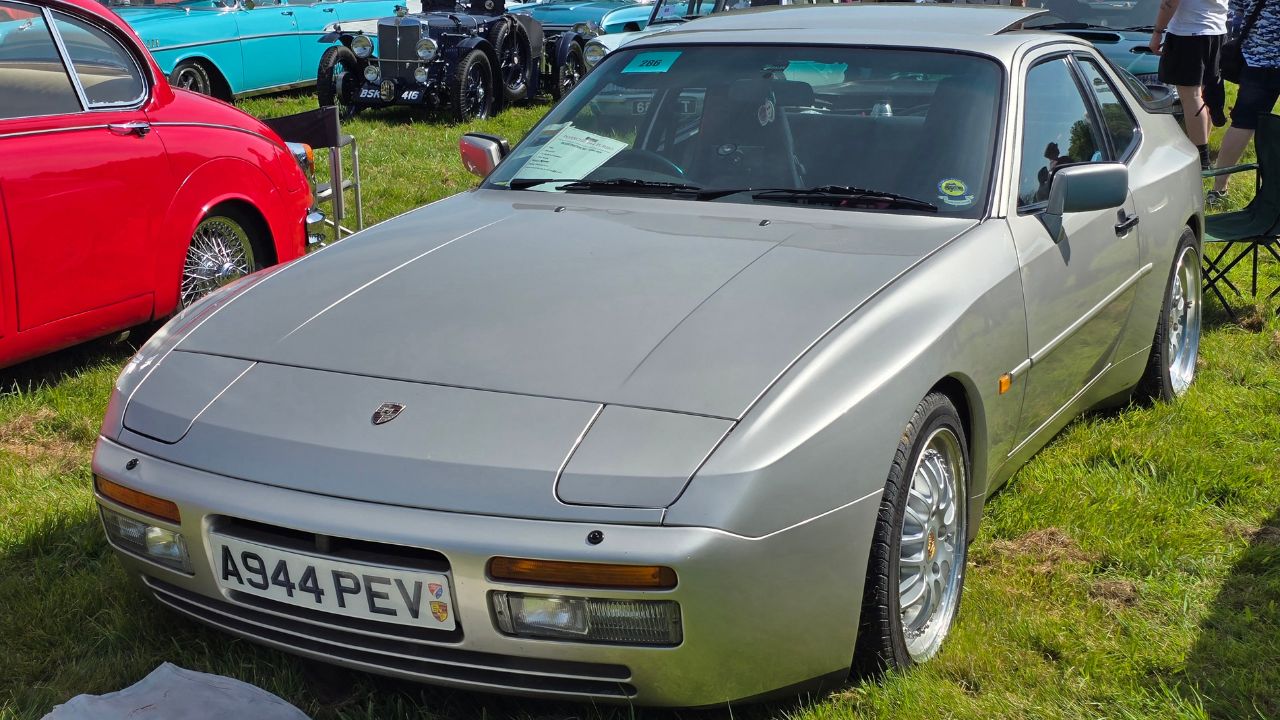
Owners of the 1987 Porsche 944 Turbo tend to treat preventative maintenance less like a chore and more like part of the car’s operating instructions. That mindset comes from a mix of engineering realities—turbocharged heat, an interference engine, and a transaxle layout—and the simple truth that these cars are now decades old. When you stay ahead of wear items, the 944 Turbo rewards you with crisp boost response, stable handling, and a reliability reputation that’s better than many people expect.
Heat management is everything on a turbocharged 944
The 944 Turbo (often referred to as the 951) runs a turbocharger that lives in a hot corner of the engine bay, and heat is the quiet driver behind many age-related problems. Hoses, vacuum lines, and electrical connectors that might last a long time on a naturally aspirated car can harden and crack faster when they’re repeatedly cooked. Preventative replacement of small rubber parts and tired clamps often prevents the kind of boost leaks and intermittent running issues that are maddening to diagnose later.
Cooling system upkeep also tends to be prioritized because heat doesn’t just affect the turbo hardware—it affects everything around it. Radiator condition, thermostat behavior, fan operation, and coolant hose integrity matter more when you’re asking an older cooling system to manage turbocharged load. Many owners learn to treat any sign of creeping temperatures or coolant odor as a “fix now” situation rather than something to watch.
The timing belt service isn’t optional, and the stakes are high
The 2.5-liter inline-four in the 944 Turbo is a belt-driven, interference-design engine, which means timing belt failure can allow pistons and valves to collide. That one fact shapes the entire ownership culture: people who keep these cars running well usually have a belt-and-roller service plan and stick to it. They’ll also pay attention to related components—tensioners, idlers, front engine seals—because it’s the surrounding hardware that often turns a routine belt change into a much bigger problem.
Water pump condition commonly enters the same conversation because it lives in the same neighborhood and can be a false economy to ignore. Even if a pump isn’t actively leaking, age, bearing wear, and marginal performance can become the trigger for an overheating event that’s far more expensive than doing the job proactively. Among long-term owners, a clean service record for the belt system is one of the most valued “mods” a 944 Turbo can have.
Boost and fuel delivery issues are easier to prevent than chase
Turbo cars magnify small faults, and the 944 Turbo is no exception. A minor intake leak, a weak fuel pump, or an aging pressure regulator can show up as hesitation under boost, lean running, or inconsistent power delivery. Because the symptoms can overlap, many owners prefer to refresh likely culprits—fuel lines, filters, vacuum hoses, and clamps—before they become a drivability puzzle.
Preventative maintenance also helps protect the engine when it’s working hardest. Under boost, combustion temperatures and pressures rise, so consistent fueling and stable intake plumbing matter. Keeping the air and fuel path healthy is less about chasing horsepower and more about ensuring the engine isn’t asked to compensate for problems that grew slowly over time.
The transaxle layout rewards fresh fluids and proactive wear checks
One of the 944 Turbo’s defining features is its transaxle design, with the gearbox at the rear to help balance weight front-to-back. It’s a big reason these cars feel so composed, but it also adds a few maintenance considerations that owners learn to respect. Fresh gear oil in the transaxle, attention to CV joints and boots, and a watchful eye on mounts and couplers can keep the drivetrain smooth and quiet.
Because drivetrain noises can travel in surprising ways through the chassis, catching wear early matters. A torn CV boot or a developing coupler issue can start as a subtle vibration that’s easy to dismiss until it becomes a bigger job. Owners who drive their cars regularly often find that staying ahead of these items preserves the car’s refined, “solid” feel—one of the qualities that made the 944 Turbo such a standout in period.
Age-related electrical and rubber problems are predictable on an older Porsche
Even well-kept 1980s cars face the same time-based enemies: oxidized grounds, brittle wiring insulation, and dried-out rubber. The 944 Turbo community tends to treat electrical reliability as a preventative project—cleaning grounds, inspecting connectors, and fixing small charging or starting quirks before they strand you. This isn’t unique to Porsche, but the 944’s mix of sensors, relays, and tight packaging means small electrical issues can masquerade as fuel or ignition problems.
Rubber degradation is similarly predictable. Engine mounts, suspension bushings, vacuum elbows, and coolant hoses can all look acceptable until they’re stressed by heat or load. Replacing these parts on a schedule—rather than waiting for obvious failure—often restores the car’s tightness and helps it drive the way Porsche intended.
Preventative maintenance protects the driving experience and the car’s long-term value
The 1987 944 Turbo isn’t just a collector object; it’s a car people buy to enjoy on back roads, at club events, and on longer drives. Preventative maintenance keeps the experience consistent: stable temps, clean boost, predictable braking, and a chassis that feels planted instead of loose. When these cars are “sorted,” they have a cohesion that’s hard to fake with upgrades alone.
There’s also a practical side: clean documentation of maintenance tends to matter a lot in the 944 Turbo market. Buyers often look first for evidence of belt service, cooling system attention, and thoughtful upkeep, because those items are tightly linked to reliability. For many owners, staying ahead of maintenance isn’t about perfection—it’s about making sure every drive feels like a confident one, not a test of luck.