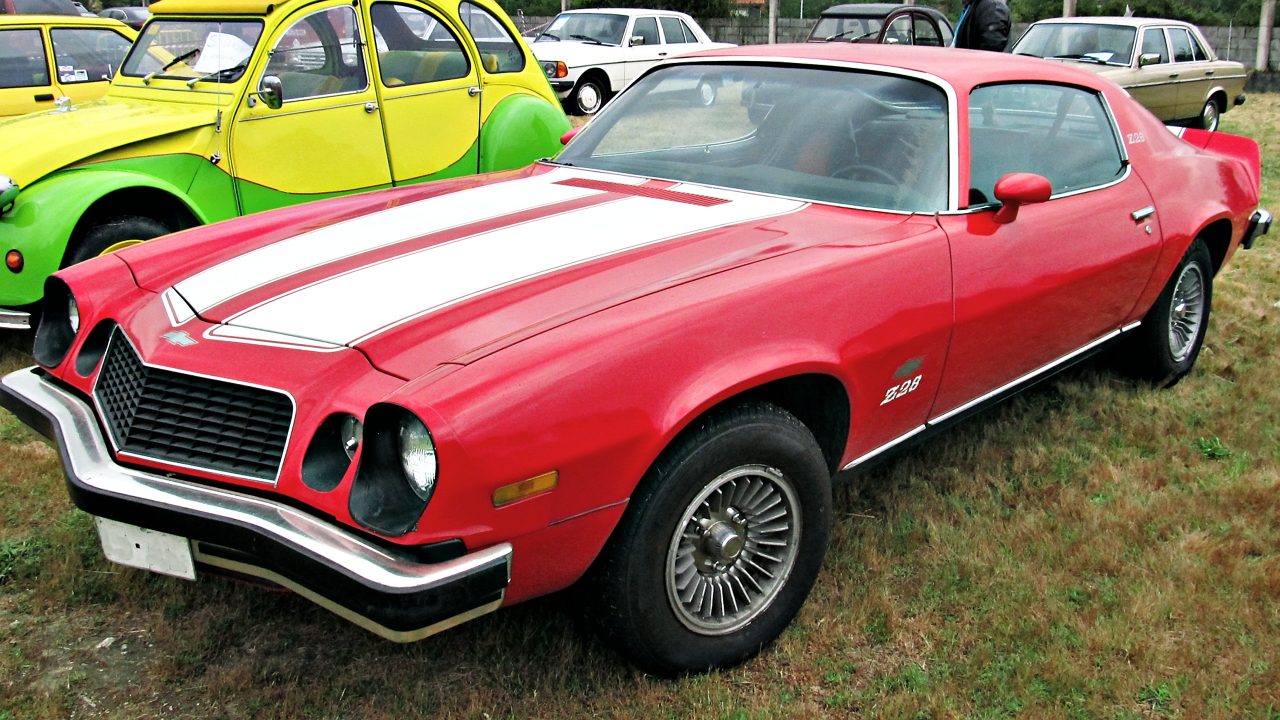
The 1974 model year should have been a breaking point for American pony cars, yet Camaro buyers largely stayed put. Even as rivals disappeared and regulations tightened, shoppers kept signing on the dotted line because the car still delivered the look, feel, and performance they expected from a driver’s coupe. The loyalty that year was not an accident, it was the product of engineering decisions, market timing, and a carefully crafted image that convinced enthusiasts their favorite pony car was still worth fighting for.
The last pony car standing in a shrinking field
Camaro owners in 1974 were not just choosing a car, they were choosing to stay in a segment that was rapidly collapsing around them. During the 1974 model year, Chrysler Corporation pulled the plug on the Plymouth Barracuda and Dodge Challenger, removing two of the most recognizable pony cars from showrooms and signaling that the formula many enthusiasts loved was under threat. With those exits, the field narrowed dramatically, and buyers who still wanted a low-slung, rear-drive coupe with real performance credentials had fewer places to go.
That contraction made the Camaro feel less like one option among many and more like one of the last authentic choices left. Reporting on the mid‑1970s muscle landscape notes that by 1974, the Pontiac Firebird Trans Am and That and the Camaro were “just about the only true pony cars left,” while the Mustang had already shifted toward a high‑end compact persona that no longer matched its original image. In that context, staying loyal to the Camaro was, for many enthusiasts, the only way to stay loyal to the pony car idea itself, especially as other nameplates either disappeared or reinvented themselves into something softer and smaller.
A car still engineered for drivers
Even as regulations and fuel worries reshaped the industry, the second‑generation Camaro remained a machine built around the person behind the wheel. GM engineers have described this generation as much more of “A Driver’s Car” than its predecessor, a concise phrase that captures why owners were willing to ride out the turbulence of the early 1970s. The long hood, low seating position, and rear‑drive balance gave the car a stance and feel that still read as serious, and that continuity mattered when so many other models were being diluted or discontinued outright.
That driver‑centric character was not just marketing language, it was backed by hardware that enthusiasts trusted. Coverage of later models, such as the 1984 Chevrolet Camaro Z28, points out that there were almost no surprises in the drivetrain because it relied on well‑proven components, particularly the familiar Chevy small block V8. That same philosophy was already in play a decade earlier, when buyers in 1974 could look under the hood and see a layout they recognized and knew how to live with. In an era when new emissions equipment and fuel systems were making some cars feel experimental or fragile, the Camaro’s reliance on proven mechanical pieces helped reassure owners that they were not gambling on untested technology.
Production setbacks, corporate doubts, and a surprising rebound
The loyalty visible in 1974 looks even more striking when set against the Camaro’s near‑death experience just two years earlier. The 1972 Camaro suffered two major setbacks when The UAW strike at a GM assembly plant in Norwood disrupted production for 174 days, a stoppage long enough to make executives question whether the car still had a future. That kind of interruption can permanently damage a model’s momentum, especially in a segment where buyers are young, impatient, and easily tempted by the latest alternative.
Instead, the car’s fan base treated the disruption as a pause rather than a farewell. Reporting on the second‑generation Camaro notes that despite the strike and the internal doubts it triggered, demand after production resumed convinced decision‑makers that the models remained viable. By the time the 1974 model year arrived, the car had already survived a test that could have ended the line entirely, and that survival story fed into the loyalty that followed. Owners were not just buying a product, they were backing a car that had already proven it could weather corporate skepticism and labor turmoil without losing its identity.
Design tweaks and a longer body that still looked like a Camaro
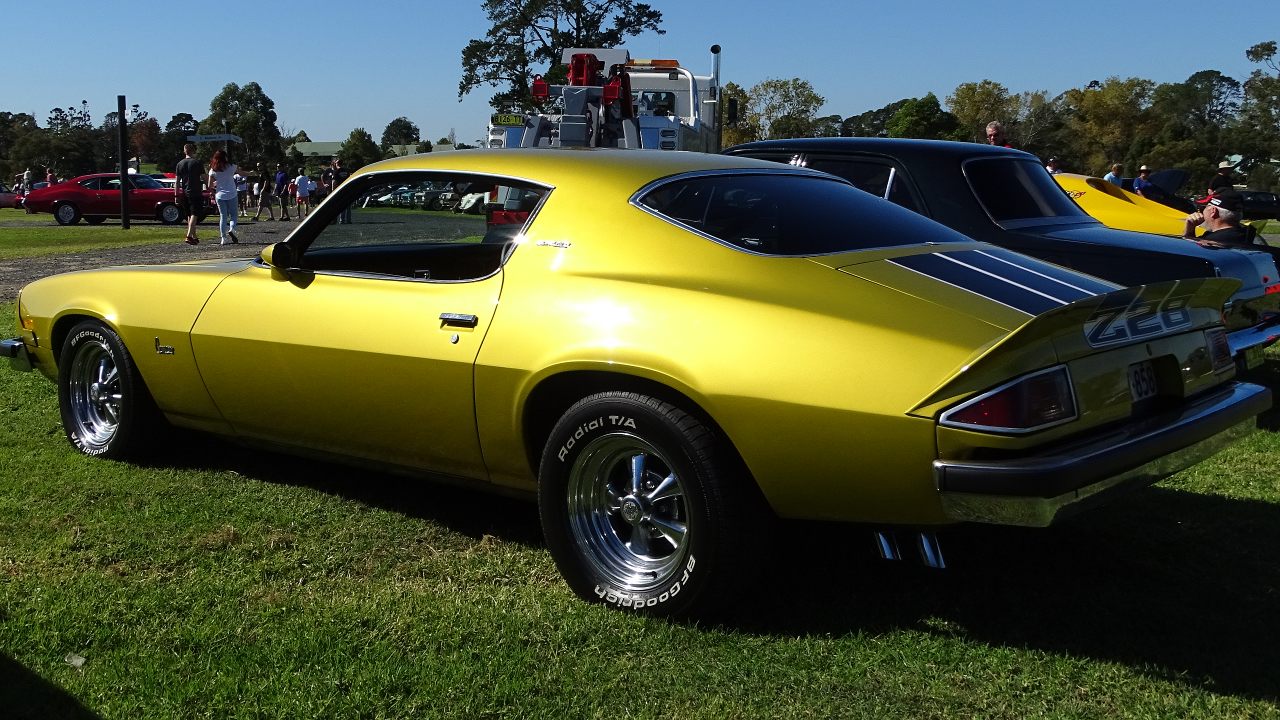
For loyalty to hold in 1974, the car had to change enough to meet new rules without alienating the people who loved how it looked. The 1974 Camaro saw a few significant changes, including a body that was stretched to be even longer and styling revisions driven in part by evolving safety standards. Federal bumper requirements and crash regulations were reshaping the proportions of American cars, and the Camaro was not immune to those pressures, yet the basic silhouette remained unmistakable.
That balance between compliance and continuity mattered. The same reporting that highlights the longer body also notes that GM pushed up production significantly, a sign that the company believed the refreshed design would not scare off its core audience. Buyers walking into showrooms saw a car that had grown and been updated, but it still carried the long hood, short deck, and aggressive stance that defined the nameplate. In a decade when some redesigns left loyalists feeling betrayed, the 1974 changes were evolutionary rather than radical, giving owners permission to stay with the brand without feeling like they had compromised on style.
Oil shocks, shifting tastes, and why Camaro buyers did not flinch
The early 1970s were shaped by forces far bigger than any single model, and the Camaro’s customer base had every reason to reconsider their priorities. Industry insiders have described how the OPEC Oil Embargo of 1973–1974 changed everything for Detroit, forcing General Motors and its rivals to rethink performance, size, and fuel consumption almost overnight. Gas lines, price spikes, and new emissions rules combined to make big‑engined coupes look like relics to some shoppers, and many manufacturers responded by downsizing or abandoning their sportiest offerings.
Yet the Camaro’s buyers largely stayed the course, in part because the car managed to adapt without surrendering its core appeal. The same insider perspective that chronicles How The Giant Lost Its Mojo and An Insider Perspective on GM’s struggles also underscores how difficult it was for the company to balance regulation with desire. In that environment, the Camaro’s continued presence as a relatively low, sleek, V8‑capable coupe signaled that GM still believed in performance, even if the numbers on paper were softening. For enthusiasts who were not ready to trade in their pony car dreams for economy boxes, sticking with the Camaro felt like a statement that the driving experience still mattered.
Marketing a “top ten” car to reassure nervous shoppers
Engineering and timing alone do not explain why customers stayed loyal, the story also runs through the showroom. Dealership training materials from the period show how sales staff were coached to frame the car’s reputation and heritage as a reason to buy, even as the broader market shifted. One promotional film from Apr highlights that since its midyear redesign in 1970, Camaro had been acclaimed as one of the 10 best cars in the world, a bold claim designed to remind hesitant shoppers that they were not just buying a sporty coupe, they were buying into a proven, globally respected package.
That kind of messaging helped bridge the gap between nostalgia and present‑day anxiety. By emphasizing that Camaro had already earned its place among the elite, dealers could reassure buyers who worried that performance cars were becoming irresponsible choices in an era of fuel crises and new regulations. The pitch was simple but effective: if experts and enthusiasts had consistently ranked the car so highly, then choosing it in 1974 was not an act of denial about changing times, it was a rational decision to invest in a model with a strong track record. In a market full of uncertainty, that sense of continuity and validation made it easier for loyalists to sign for another Camaro rather than defect to a smaller or more anonymous alternative.
How 1974 set up the Camaro’s long game
Looking back, the loyalty of 1974 did more than keep one model year afloat, it helped secure the Camaro’s long‑term place in American car culture. With the Plymouth Barracuda and Dodge Challenger gone from Chrysler Corporation’s lineup and the Mustang moving into a different niche, the Camaro and its sibling, the Pontiac Firebird Trans Am, carried the pony car torch almost alone. That concentration of enthusiasts around a shrinking number of nameplates gave GM a clear signal about where passion still lived, and it justified continued investment in a segment many analysts had already written off.
The second‑generation Camaro’s reputation as a driver’s car, its survival through the 174‑day Norwood strike, the careful 1974 redesign that stretched the body without losing the stance, and the dealership messaging that framed it as one of the 10 best cars in the world all worked together to keep buyers in the fold. In a decade defined by oil shocks, regulatory upheaval, and disappearing rivals, Camaro owners did not just stay loyal out of habit. They stayed because the car, even in compromised times, still looked, felt, and was sold as the real thing, and in 1974 that was enough to keep the faith alive.
More from Fast Lane Only: