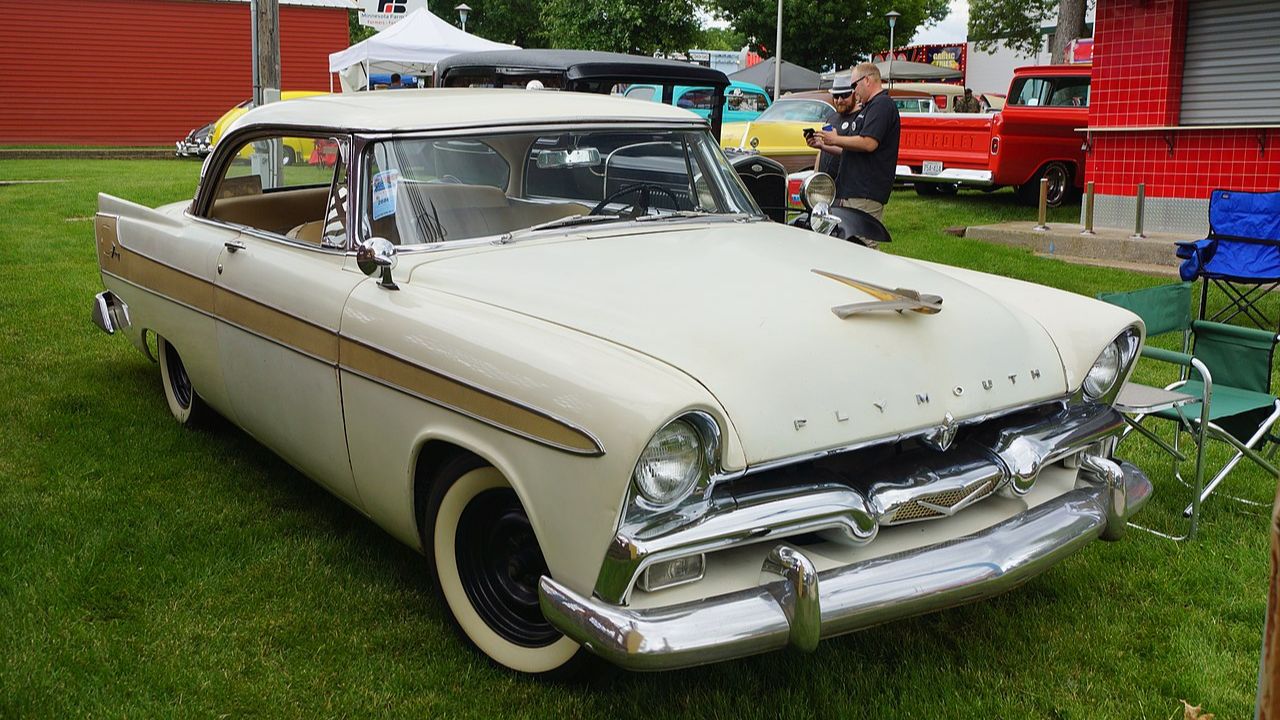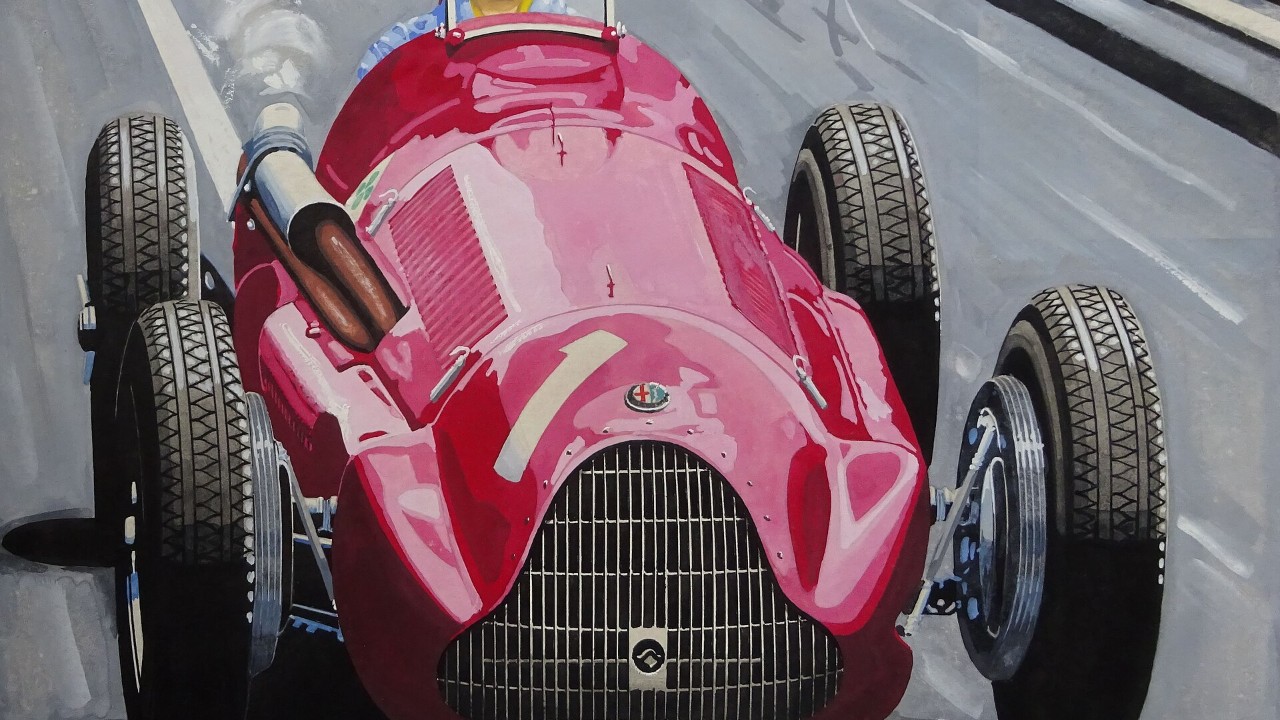
In recent years, the automotive industry has seen a noticeable shift towards more conservative designs. This trend reflects a broader pattern in which car designers have become increasingly risk-averse, prioritizing market demands and financial stability over bold innovation. Several factors contribute to this cautious approach, fundamentally altering the landscape of car design.
Market Demands and Consumer Preferences
One of the most significant drivers of conservative car design today is the shift in consumer preferences towards practicality and functionality. Modern car buyers often prioritize vehicles that offer reliability, fuel efficiency, and advanced technology features over those with radical aesthetic designs. This change in consumer behavior is evident in the success of models like the Toyota Camry and Honda Accord, which consistently rank high in sales due to their practical design and reputation for reliability.
Market research and focus groups play a crucial role in shaping design decisions, often leading manufacturers to choose safer design paths. Car companies heavily invest in understanding consumer needs and preferences, resulting in designs that appeal to the broadest audience possible. This approach, while effective in maintaining sales, can stifle creativity as designers are encouraged to adhere to proven formulas rather than explore new, daring concepts.
Demographic shifts also contribute to this trend. Younger buyers, who are becoming a more significant force in the market, tend to prioritize technology and sustainability over bold design choices. This generation values features such as smartphone integration, autonomous driving capabilities, and environmentally friendly propulsion systems. Consequently, car manufacturers focus on incorporating these elements, often at the expense of innovative exterior design.
Economic Pressures and Financial Constraints
The high costs associated with developing new car models significantly impact design decisions. Creating a new vehicle from scratch involves extensive research, testing, and marketing, all of which require substantial financial investment. As a result, car companies are often hesitant to invest in bold designs that may not appeal to a wide audience. The financial risk of launching an avant-garde model that could potentially fail to meet sales expectations is a significant deterrent for many manufacturers.
Global economic uncertainty further exacerbates this cautious approach. In times of economic instability, car companies prioritize financial stability over taking risks with unproven designs. The 2008 financial crisis, for example, saw a marked shift towards more conservative designs, as manufacturers sought to navigate the uncertain economic landscape. Even in more stable times, the pressure from investors and shareholders to deliver a steady return on investment often discourages companies from pursuing risky design ventures.
For instance, the Ford Taurus underwent significant design changes in the early 2000s, which were not well-received by consumers, leading to a decline in sales. This experience likely informed Ford’s decision to adopt a more conservative approach with later models, focusing on features that appeal to a broader audience rather than pushing the design envelope.
Regulatory and Safety Standards
The increasing complexity of global safety and environmental regulations also plays a crucial role in shaping car design. Compliance with stringent emissions and safety standards can limit the freedom designers have in creating new models. For example, the need to meet crash safety requirements often dictates the shape and structure of a vehicle, resulting in designs that prioritize functionality over aesthetics.
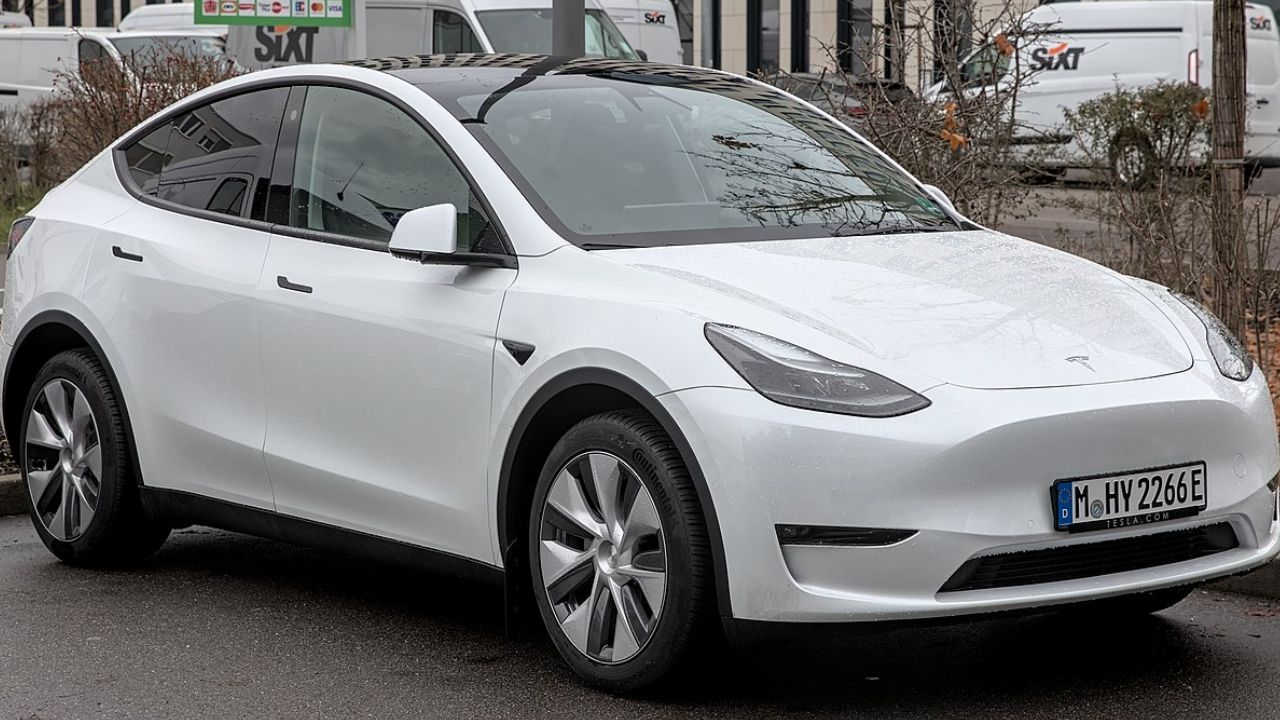
Environmental regulations, particularly those aimed at reducing emissions, further constrain design possibilities. The push towards electric and hybrid vehicles requires manufacturers to focus on aerodynamics and energy efficiency, often leading to designs that are similar across different brands and models. The Volkswagen ID.4 and Tesla Model Y, for example, share a similar silhouette, driven by the need to maximize range and efficiency.
Government incentives also influence design trends, encouraging manufacturers to develop electric and hybrid vehicles. While this shift is positive for sustainability, it often results in a standardized design language focused on efficiency rather than bold innovation. The result is a landscape where cars often look similar, as manufacturers prioritize compliance and efficiency over distinctive design.
Technological Advancements and Innovation
As technological advancements continue to reshape the automotive industry, the focus of innovation has shifted from exterior design to the technology inside the car. Modern consumers often prioritize features such as advanced driver assistance systems, connectivity, and infotainment options. This shift in focus can lead to less emphasis on exterior design innovation, as manufacturers concentrate resources on developing cutting-edge technology.
The rise of autonomous driving technology is a prime example of this trend. Companies like Waymo and Tesla invest heavily in developing self-driving capabilities, which require significant resources and attention. As a result, exterior design may take a backseat, with manufacturers focusing on integrating sensors and cameras seamlessly into the vehicle’s body.
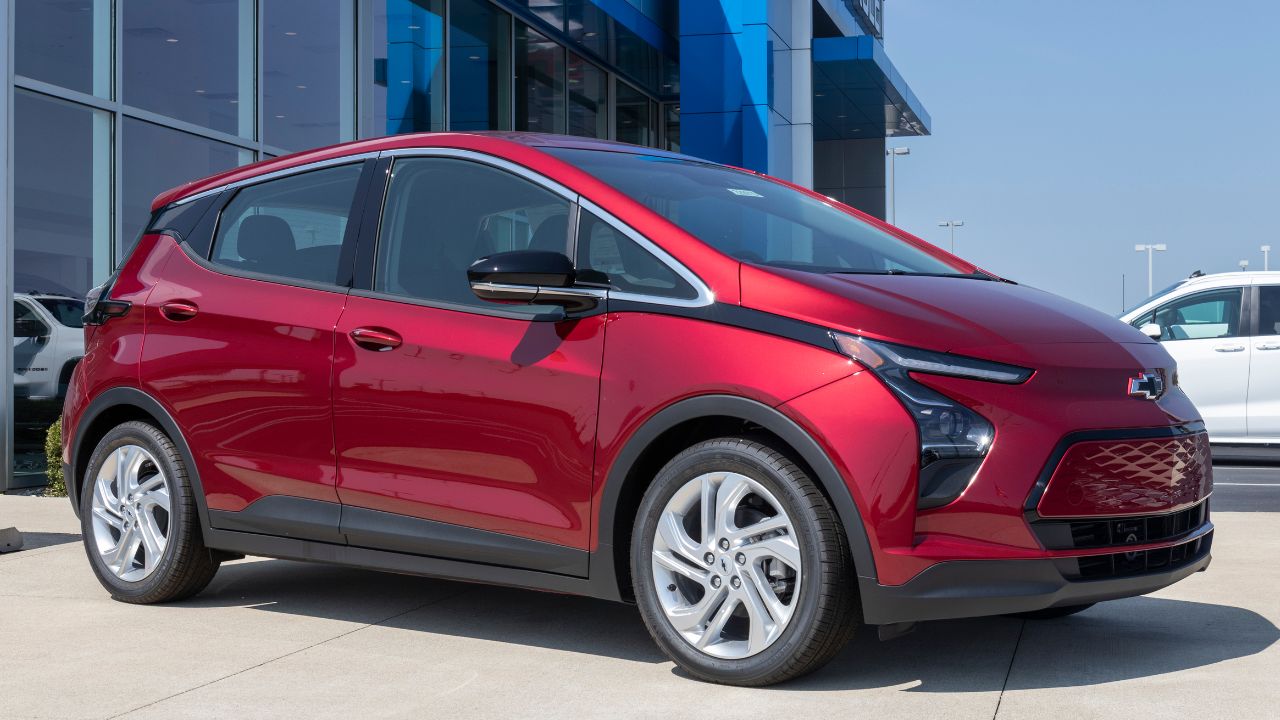
Electric vehicle platforms also contribute to the standardization of design elements across models and brands. Many electric vehicles share similar underpinnings, leading to a uniformity in design as manufacturers aim to maximize efficiency and minimize production costs. The Chevrolet Bolt EUV and the Hyundai Kona Electric, for instance, share many design similarities, driven by their shared focus on efficiency and electric range.
The Role of Brand Identity and Heritage
Brand identity and heritage play an essential role in guiding design decisions. Established brands often maintain a consistent design language to preserve their identity and appeal to loyal customers. This approach can result in evolutionary rather than revolutionary changes, as manufacturers look to balance innovation with maintaining brand recognition.
For example, Porsche has maintained a consistent design language with its 911 models, which have evolved gradually over the years. This strategy helps preserve the brand’s heritage and identity, ensuring that new models remain instantly recognizable while incorporating modern features and technology.
However, this focus on brand legacy can also limit bold design experimentation. Designers must navigate the challenge of innovating within the constraints of established brand identity, often leading to incremental changes rather than groundbreaking designs. While this approach helps maintain brand loyalty, it can also contribute to the perception that car designs have become more conservative in recent years.
More from Fast Lane Only