Dodge’s Hellephant V8 crate motor is making a triumphant return, poised to unleash unparalleled power and performance on the streets. With its impressive specifications and racing pedigree, this engine is set to captivate enthusiasts and redefine what muscle cars can achieve.
THE LEGACY OF THE HELLEPHANT
The original Hellephant engine, released in late 2019, created waves in the automotive community with its jaw-dropping 1,000 horsepower and 950 lb-ft of torque. This crate motor not only represented a technological marvel but also rekindled the passion for American muscle cars, reminding enthusiasts of the golden age of performance vehicles. The name itself—Hellephant—draws inspiration from the Hellcat moniker, signaling that this engine is not just another power plant, but a beast ready to dominate both the streets and the racetracks.
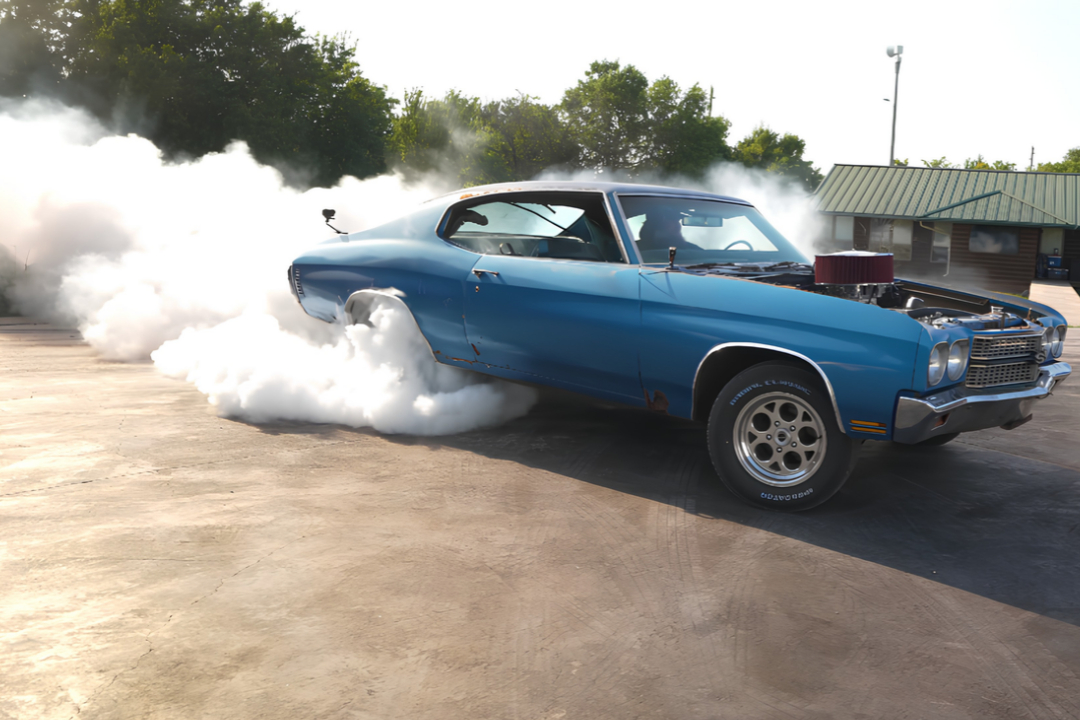
What made the original Hellephant a standout in the crate engine market was its unique blend of modern engineering and classic muscle car appeal. Dodge’s engineers integrated advanced technologies such as a supercharger, high-performance fuel injectors, and a robust cooling system to ensure that this engine would perform under pressure. Notable vehicles like the 1970 Dodge Charger and various custom builds showcased the Hellephant’s versatility, allowing enthusiasts to create their dream machines with ease.
SPECIFICATIONS AND PERFORMANCE
The Hellephant engine features a staggering 7.0-liter supercharged V8 design, boasting 1,000 horsepower and 950 lb-ft of torque. These specifications place it at the top of the crate engine hierarchy, eclipsing many competitors in the market. For example, when compared to the 7.3-liter Godzilla V8 from Ford, which produces around 430 horsepower, the Hellephant’s performance figures are nothing short of astonishing. This makes it a compelling choice for anyone looking to build a serious performance vehicle.
In terms of technology, the Hellephant incorporates a high-boost supercharger that allows for incredible power delivery without compromising reliability. The engine’s fuel delivery system is optimized for performance, ensuring that every drop of fuel is utilized efficiently. Moreover, the Hellephant is designed to run on premium pump gas, making it more accessible for everyday use compared to other high-performance engines that may require race fuel. This balance of power and practicality is one of the reasons the Hellephant has become a favorite among builders and enthusiasts alike.
APPLICATIONS AND CUSTOMIZATIONS
The versatility of the Hellephant engine allows it to be fitted in a wide range of vehicles, from classic muscle cars like the 1969 Dodge Charger to more modern builds like the Dodge Challenger. The compatibility with various platforms means that enthusiasts can unleash the Hellephant’s power in a multitude of ways, whether they are restoring an iconic classic or building a one-off custom creation. The challenge lies in fitting this powerhouse into the desired chassis, but many builders have successfully navigated this with innovative engineering and design.
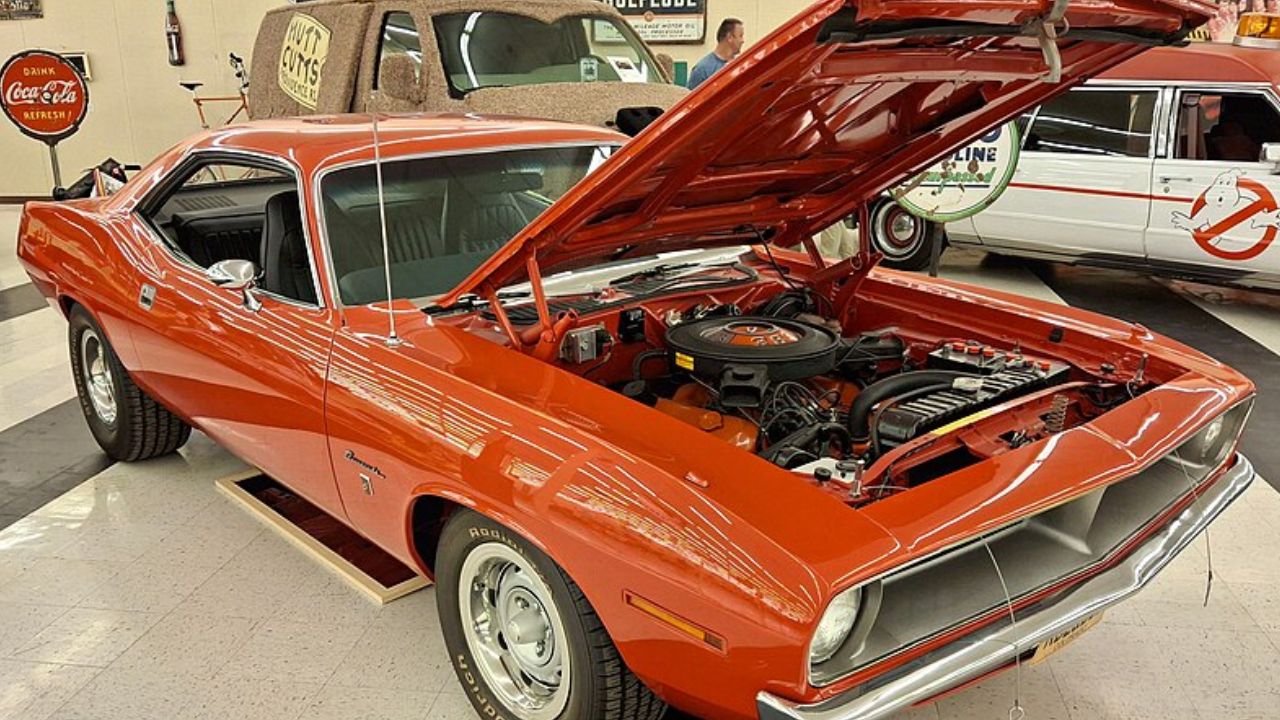
Customization options for the Hellephant are nearly limitless. Builders can choose different exhaust systems, intake setups, and even tuning options to ensure they get the most out of their engine. For example, some enthusiasts have opted for custom headers to improve airflow, while others have enhanced their cooling systems for more aggressive driving conditions. A standout example is the 1970 Plymouth Barracuda, which received a Hellephant engine along with a modern suspension setup, showcasing both creativity and engineering prowess.
ENVIRONMENTAL CONSIDERATIONS
While the Hellephant is undoubtedly a performance powerhouse, it also raises questions regarding emissions and compliance with modern regulations. Dodge has taken steps to ensure that the Hellephant engine meets necessary environmental standards, making it a more responsible choice for high-performance applications. The engine is designed with modern fuel efficiency in mind, which helps to mitigate its environmental impact while still delivering exhilarating performance.
Dodge’s approach to balancing performance with environmental responsibility reflects a broader trend in the automotive industry, where manufacturers are increasingly focused on sustainability. This includes not only meeting emissions regulations but also investing in alternative fuel technologies and hybrid systems. As performance enthusiasts, we can expect to see innovations that combine power with eco-consciousness, signaling a shift in the high-performance landscape.
FUTURE OF DODGE PERFORMANCE
The return of the Hellephant signals exciting possibilities for Dodge’s performance lineup moving forward. With the recent resurgence of interest in muscle cars, I speculate that we might see more models incorporating the Hellephant or similar innovations in the near future. The success of the Hellephant has opened the door for Dodge to explore new powertrains that blend traditional muscle with modern technology.
Industry experts suggest that the future of muscle car performance will likely include a mix of powerful V8 engines alongside hybrid and electric technologies. As manufacturers look to compete in an increasingly eco-conscious market, we may see models that leverage the raw power of the Hellephant, combined with electric motors for added torque and efficiency. This dual approach could redefine performance vehicles as we know them, allowing for thrilling driving experiences while adhering to stricter environmental standards.
More from Fast Lane Only