The Mercury Cougar GT-E 427 sits at the intersection of rarity, racing pedigree, and late‑1960s muscle car excess, which is exactly why collectors chase it so hard today. It combines the Cougar’s upscale image with Ford’s most fearsome big-block hardware, creating a short‑run performance package that now functions as a litmus test for serious Ford and Mercury enthusiasts.
When I look at the GT-E, I see more than an option code or a big engine swap; I see a car that captured a brief moment when Mercury tried to outgun both Mustang and Thunderbird in one stroke. That experiment produced a low‑volume, high‑impact model whose production numbers, mechanical specification, and racing‑adjacent image now drive six‑figure valuations and fierce competition at auctions and private sales.
How the GT-E 427 fit into Mercury’s late‑1960s performance push
The Cougar arrived as Mercury’s more refined answer to the Mustang, but the GT-E package pushed the car deep into muscle territory. Instead of relying on small‑block agility, Mercury dropped in Ford’s 427 cubic inch big block, pairing it with heavy‑duty driveline components and visual cues that signaled serious intent. Period ordering data and surviving build sheets show that the GT-E was not a mass‑market trim but a targeted performance option aimed at buyers who wanted luxury and quarter‑mile credibility in the same car, a combination that still appeals to collectors who see it as a bridge between pony car and full‑size muscle.
Contemporary documentation notes that the GT-E package bundled the 427 engine with upgraded suspension, specific axle ratios, and unique exterior details, rather than offering the big block as a standalone engine choice. That integrated approach matters today because it means a real GT-E is more than a Cougar with a swapped motor, it is a factory‑engineered configuration with verifiable codes on the VIN plate, data tag, and drivetrain components. Collectors now lean heavily on those factory identifiers, cross‑checking them against period option lists and registry data to confirm that a car is a genuine GT-E rather than a later clone built around a standard Cougar shell.
Why the 427 side-oiler makes this Cougar so coveted
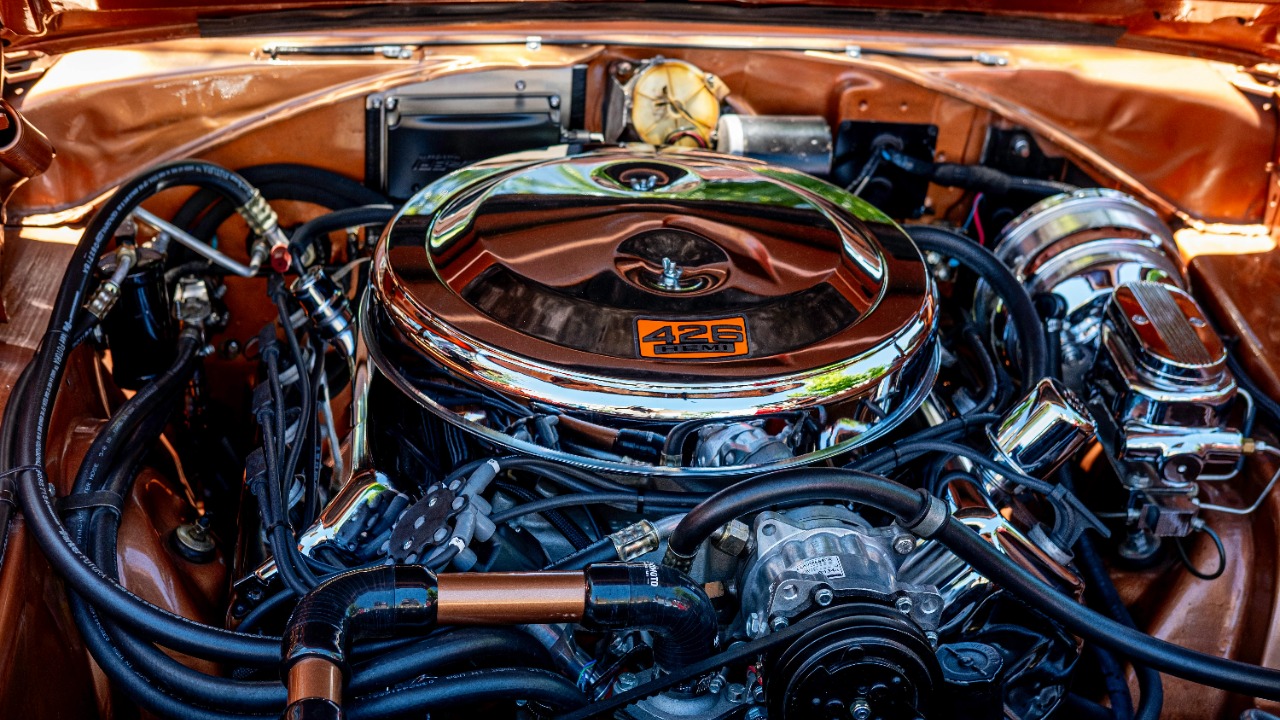
The heart of the GT-E’s appeal is the 427 side‑oiler, an engine that already carried a fearsome reputation in Ford’s racing programs before Mercury installed it in the Cougar. Designed with a separate oil gallery feeding the crankshaft first, the side‑oiler variant was engineered to survive sustained high‑rpm use in NASCAR and drag racing, which is why collectors view any factory 427 car as a cut above more common big‑block offerings. In GT-E trim, the 427 delivered advertised horsepower figures that placed the Cougar squarely among the quickest showroom cars of its day, even if insurance pressures and internal politics kept the official numbers conservative compared with what owners experienced on the street and strip.
Surviving technical literature and period road tests highlight how the 427’s solid‑lifter valvetrain, high‑flow cylinder heads, and aggressive cam profiles gave the GT-E a sharper, more competition‑bred character than the 390 and 428 engines that populated most Mercury and Ford performance models. That mechanical edge is a major reason collectors chase original‑engine GT-Es, since the side‑oiler block, correct casting dates, and specific intake and exhaust components are difficult and expensive to replicate convincingly. When I evaluate why values have climbed, I see the 427 not just as a power figure but as a provenance marker, tying the car directly to Ford’s most serious racing hardware of the era.
Production numbers, survival rates, and the power of rarity
Rarity is the other pillar of the GT-E’s modern mystique. Factory records and enthusiast registries agree that production was limited to a small fraction of overall Cougar output, with only a few hundred GT-E units built and an even smaller subset retaining their original 427 engines today. That low baseline, combined with attrition from racing, street use, and later engine swaps, means the pool of authentic, numbers‑matching cars is extremely small, which naturally concentrates collector interest and pushes prices higher whenever a documented example surfaces.
Registry data and auction catalogs often show that many surviving GT-Es have incomplete histories or missing drivetrain components, which creates a clear hierarchy in the market. Cars with original build sheets, warranty plates, and drivetrain tags command a premium over those that have been restored around replacement engines or re‑stamped parts. I find that this scarcity also fuels a strong community of owners and historians who track VINs, share documentation, and maintain informal censuses of known cars, all of which reinforces the perception that the GT-E is not just rare but carefully curated by a relatively small group of dedicated enthusiasts.
Styling cues and options that set GT-E cars apart
While the engine and production numbers drive the headlines, the GT-E’s visual and equipment differences also play a big role in its desirability. The package typically included unique striping, badging, and trim that distinguished it from standard Cougars, along with performance‑oriented features such as styled steel wheels, specific hood treatments, and dual exhaust outlets. Collectors value these details because they provide quick visual confirmation that a car is something special, and because original exterior and interior components are often harder to source than mechanical parts once a car has been modified or neglected.
Period option sheets and surviving window stickers show that GT-E buyers could layer additional equipment on top of the core package, including high‑spec audio, upgraded interiors, and appearance groups that pushed the Cougar even further upmarket. That flexibility means no two surviving cars are exactly alike, which adds to the fun for collectors who enjoy decoding option combinations and hunting for unusual color and trim pairings. When I talk with owners, they often point to small details such as original tachometer clusters, correct GT-E emblems, or factory‑applied paint schemes as the elements that make their cars feel complete, and those same details tend to separate top‑tier restorations from driver‑quality examples in the marketplace.
Market values, documentation, and what serious buyers look for
On the market side, the GT-E has evolved from a niche curiosity into a recognized blue‑chip muscle car, with documented 427 examples bringing strong six‑figure prices at major auctions. Sales data over the past several years show a clear premium for cars with verified factory equipment, detailed ownership histories, and high‑quality restorations that adhere closely to original specifications. I see that pattern as a sign that the GT-E has moved beyond speculative hype and into the realm of established collectibles, where buyers are willing to pay for authenticity and condition rather than just a big engine and a rare badge.
Serious buyers now expect a thick file of documentation, including Marti‑style reports, period photographs, and restoration invoices that confirm the car’s configuration from new. They also scrutinize casting numbers, date codes, and body tags to ensure that the 427, transmission, and rear axle match the car’s build data, since any deviation can significantly affect value even on an otherwise well‑restored example. In my view, that focus on paperwork and correctness reflects how the GT-E has become a benchmark for Mercury performance collecting: owning one is not just about having a fast Cougar, it is about securing a verifiable piece of Ford’s late‑1960s performance experiment, preserved with enough evidence to satisfy both historians and the next buyer in line.
More from Fast Lane Only