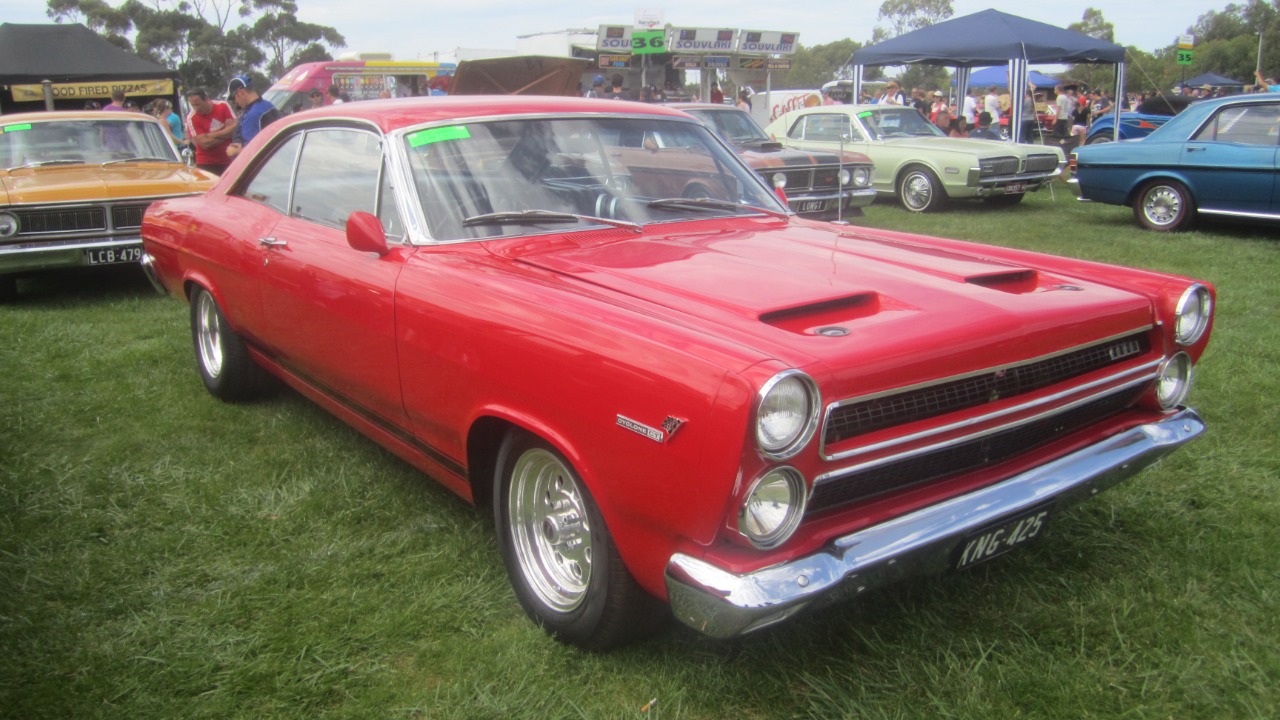
The Mercury Cyclone GT 390 sits in a curious corner of the muscle car world, overshadowed by Mustangs and Chevelles yet coveted by enthusiasts who know what they are looking at. It blends big-block power, NASCAR pedigree, and relative rarity in a way that keeps demand alive even as the broader classic market cools in places. I see collectors chasing these cars not out of nostalgia alone, but because the Cyclone GT 390 still offers a distinctive mix of performance, design, and value that is hard to duplicate.
From mid-size Mercury to muscle car contender
To understand why the Cyclone GT 390 still draws bids, I start with its role in Mercury’s late‑1960s strategy. The Cyclone grew out of the mid-size Comet line, but by the time the GT 390 package arrived, Mercury was clearly positioning it as a serious performance model rather than a simple trim upgrade. Period specifications show that the GT 390 combined a 390 cubic inch V8 with performance gearing, upgraded suspension pieces, and visual cues that separated it from the more sedate Comet and Montego variants, giving Mercury a credible answer to the intermediate muscle cars coming from Chevrolet and Pontiac. Contemporary documentation on the 1967 Cyclone GT notes that the 390 V8 was rated at 320 horsepower, paired with either a 3‑speed automatic or a 4‑speed manual, and backed by heavy‑duty cooling and driveline components that were clearly aimed at sustained high‑speed use rather than boulevard cruising alone.
That positioning matters for collectors today because it anchors the Cyclone GT 390 in the same performance conversation as better‑known nameplates. Surviving build data for 1967 shows that Mercury produced 27,377 Cyclone GT units, a modest figure compared with mass‑market muscle cars, and only a portion of those carried the 390 and performance options that enthusiasts now prize. Valuation guides that track auction and private‑sale data treat the GT 390 as a distinct configuration, with condition‑based price ranges that reflect its status as a true performance model rather than a cosmetic package. That combination of documented performance intent and relatively limited production helps explain why the car still commands attention in a crowded collector field.
Big-block performance with a Mercury twist
Collectors who chase Cyclone GT 390s are usually after more than a badge; they want the specific driving character that comes from Mercury’s big‑block setup. The 390 cubic inch FE‑series V8 in GT trim delivered 320 horsepower and 427 lb‑ft of torque, figures that put it squarely in muscle car territory for its era. Period road tests cited in enthusiast research show quarter‑mile times in the mid‑15‑second range for a stock 4‑speed car, with strong mid‑range pull that made the Cyclone feel more relaxed at highway speeds than some higher‑revving small‑block rivals. That blend of torque and composure is part of the appeal today, especially for buyers who want a car they can actually drive rather than just display.
Underneath, the GT 390 package added practical hardware that still resonates with performance‑minded owners. Factory specifications list heavy‑duty springs and shocks, a front stabilizer bar, and available power front disc brakes, all aimed at keeping the relatively nose‑heavy big‑block car under control. The combination of a 3.25:1 or optional 3.50:1 rear axle ratio with the 4‑speed manual gave the Cyclone a flexible personality, able to cruise comfortably yet respond quickly when pushed. Modern valuation notes point out that cars retaining their original drivetrain and performance options, including the correct 390‑4V engine and factory gearing, command a premium over less authentic examples, which reinforces how central the mechanical package is to the car’s enduring draw.
Styling, options, and the Mercury identity
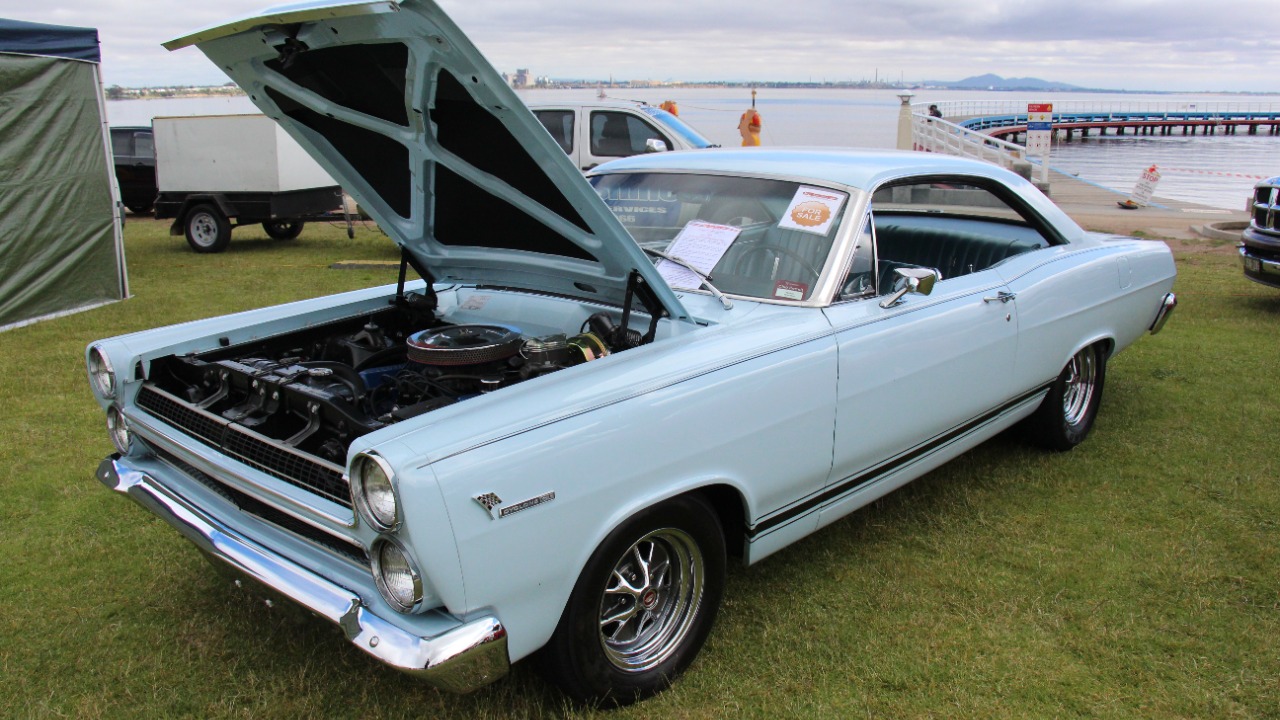
Beyond the numbers, the Cyclone GT 390 carries a distinct visual identity that separates it from the Ford models it shared components with. The 1967 GT featured a unique grille treatment, sculpted body sides, and a fastback‑influenced roofline that gave it a sleeker profile than the boxier intermediates of just a few years earlier. Standard GT trim added bright rocker moldings, special badging, and styled steel wheels, while optional stripes and color‑keyed interiors let buyers push the car toward either understated luxury or overt muscle. That dual personality, part performance and part upscale Mercury, still appeals to collectors who want something more refined than a bare‑bones drag‑strip special.
Interior and comfort options also play into the car’s modern desirability. Period order sheets show that buyers could equip a Cyclone GT 390 with bucket seats, a center console, power steering, air conditioning, and even power windows, creating a package that felt closer to a personal luxury coupe than a stripped‑down racer. Surviving cars with these features intact, especially when paired with original upholstery patterns and factory‑correct trim, tend to score higher in condition ratings and bring stronger prices in the valuation data. For many buyers, that mix of comfort and performance is exactly what sets the Cyclone apart from more common muscle cars that sacrificed amenities in the name of speed.
Production numbers, rarity, and value trends
Rarity is a key part of the Cyclone GT 390 story, and it is one reason I see collectors continuing to seek out solid examples. Production records for 1967 list 27,377 Cyclone GT units, but that figure covers all GTs, not just the 390‑equipped cars with desirable options. When attrition from accidents, rust, and engine swaps is factored in, the pool of original‑drivetrain GT 390s shrinks considerably. Valuation tools that break down the market by condition show that high‑quality cars, especially those in #1 (concours) or #2 (excellent) condition, are relatively scarce compared with mainstream muscle models, which helps support pricing even when the broader market softens.
Price guides that track recent sales data illustrate how that scarcity translates into real numbers. For a 1967 Mercury Cyclone 2‑door hardtop with the 390cid V8, published value ranges show a spread from driver‑quality cars in #4 condition up through fully restored examples, with the best cars commanding several times the price of worn but running vehicles. The same data sets note that option content, originality, and documentation can move a car significantly within those bands, which is why build sheets, factory invoices, and period photos have become so important in Cyclone transactions. Collectors are not just buying a nameplate; they are paying for proof that a given car really left the factory as a GT 390 and still carries the components that make it special.
Racing heritage and enthusiast culture
Another reason the Cyclone GT 390 retains a following is its connection to Mercury’s broader performance and racing efforts. While the GT 390 itself was primarily a street car, the Cyclone nameplate was closely linked to the brand’s NASCAR campaigns, where Mercury fielded aerodynamic Cyclone variants in high‑speed competition. That association gives even the earlier GT 390 models a halo effect, tying them to a lineage of stock‑car racing that still resonates with fans. Enthusiast histories point out that Mercury used the Cyclone to project a more youthful, performance‑oriented image, and that marketing push helped cement the car’s identity in the muscle era.
Today, that heritage shows up in the way owners restore and present their cars. Many GT 390s are finished in period‑correct colors and stripe packages that echo the look of Mercury’s competition machines, and club events often group Cyclones alongside other NASCAR‑linked intermediates from Ford and Chrysler. Market data suggests that cars restored with attention to factory specifications, rather than heavily modified builds, tend to perform better in terms of value, which aligns with the emphasis on authenticity in the broader muscle car community. For many collectors, owning a Cyclone GT 390 is a way to participate in that culture with a car that is still relatively attainable compared with the most famous race‑bred models.
Why the Cyclone GT 390 still makes sense for collectors
When I look at the factors that keep the Mercury Cyclone GT 390 in demand, they add up to a compelling case. The car offers genuine big‑block performance, a distinctive Mercury design, and a documented place in the muscle era, all wrapped in production numbers that are low enough to feel special but not so scarce that parts and knowledge are impossible to find. Valuation data confirms that well‑sorted examples have held their own in a shifting market, with condition and originality driving meaningful premiums for the best cars. For buyers who want something different from the usual Mustang or Camaro, that combination is hard to ignore.
The Cyclone GT 390 also fits the way many enthusiasts now use their classics. Its blend of torque, comfort options, and mid‑size proportions makes it a practical choice for highway tours, regional shows, and weekend drives, rather than a fragile artifact that must live on a trailer. At the same time, the car’s relative obscurity outside enthusiast circles gives owners a sense of discovery and individuality that can be harder to find with more ubiquitous nameplates. As long as collectors value that mix of performance, character, and under‑the‑radar appeal, I expect the chase for clean Mercury Cyclone GT 390s to continue.
More from Fast Lane Only