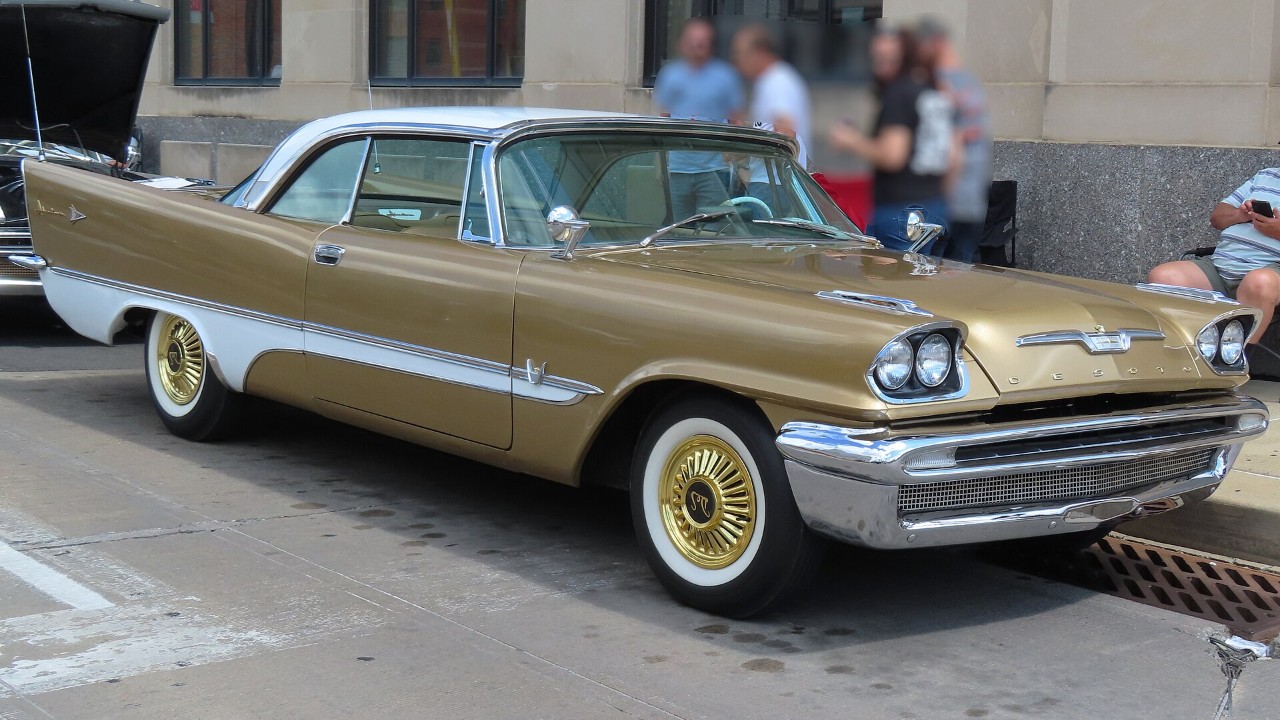
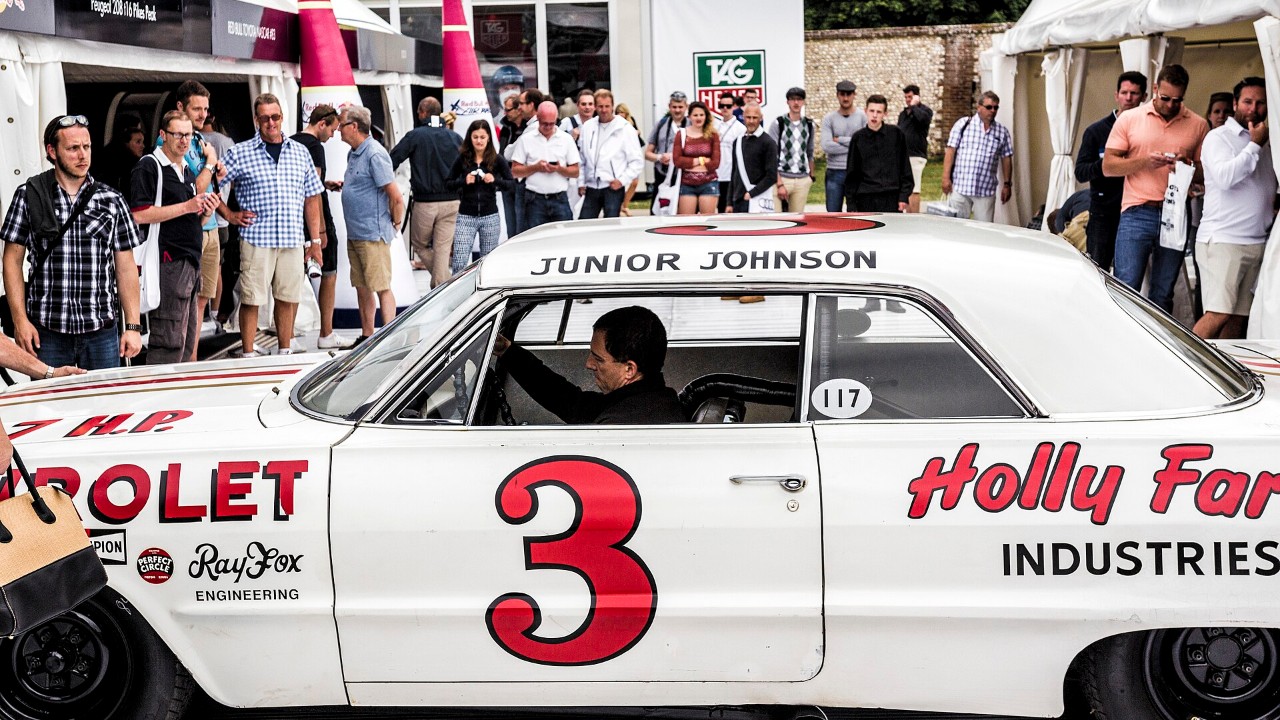
Curb feelers once adorned many vehicles, serving as a practical tool for drivers. These peculiar yet functional accessories have faded into obscurity. The history and purpose of curb feelers reveal why they were once popular and why they eventually disappeared from the automotive landscape.
The Functionality of Curb Feelers
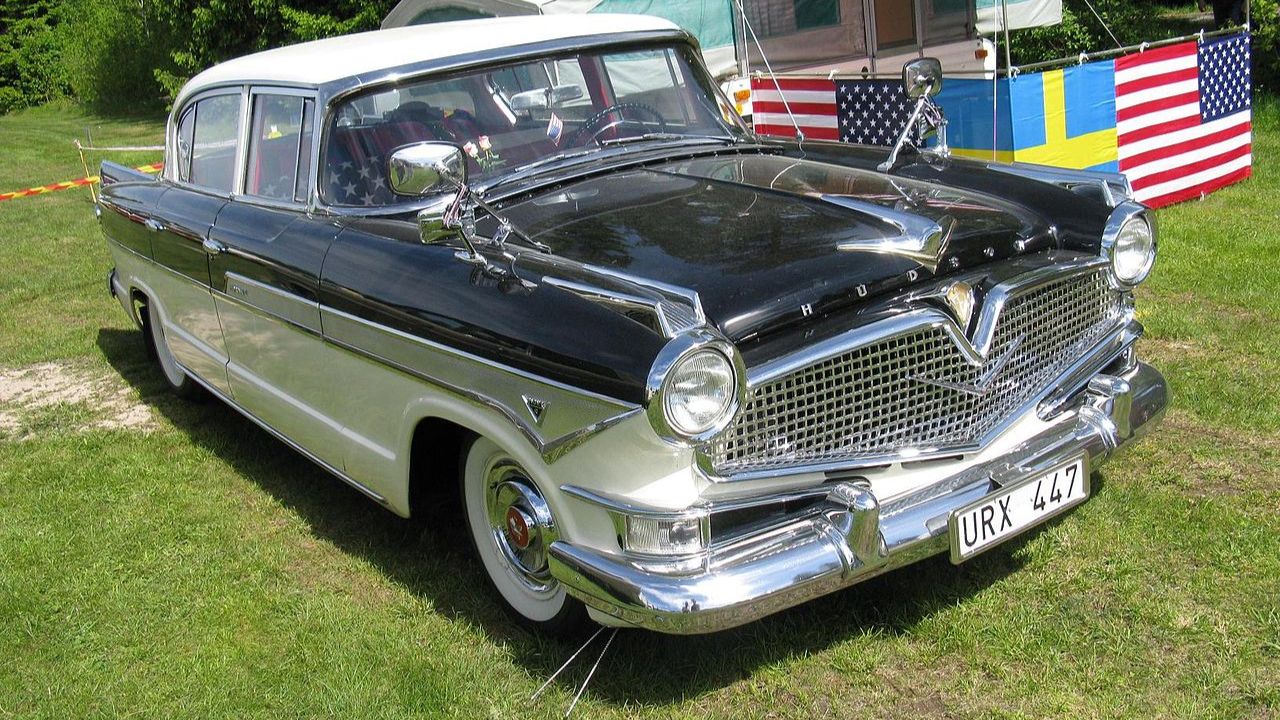
Curb feelers, also known as curb finders or curb guides, were simple yet ingenious devices attached to the lower edge of a vehicle’s bodywork, often near the wheels. These metallic wires or rods extended outwards and downwards, alerting drivers with an audible warning when they were getting too close to the curb. This straightforward mechanism helped prevent damage to the whitewall tires and hubcaps, which were popular during the mid-20th century.
The effectiveness of curb feelers lay in their design and materials. Typically made from spring steel, these gadgets were flexible enough to bend without breaking and durable enough to withstand repeated contact with curbs. Some variations featured decorative tips or additional rods for enhanced functionality. These design elements ensured that curb feelers were not only practical but also added a touch of flair to the vehicles they adorned.
The Rise of Curb Feelers in Automotive History

In the post-World War II era, car ownership surged, and with it came a wave of customization trends that embraced both aesthetics and practicality. Curb feelers became popular during this time, primarily in the 1950s and 1960s, as cars grew larger and more ornately designed. They were particularly favored by owners of luxury vehicles and those who wanted to maintain the pristine condition of their cars.
One notable aspect of curb feelers was their association with the burgeoning car culture of the era. They were often seen on vehicles like the Cadillac Series 62 or the Chevrolet Bel Air, which were considered the epitome of style and sophistication. As these cars cruised down city streets, the gentle scraping sound of curb feelers brushing against the pavement was a common auditory experience, signaling attention to detail and pride in one’s automobile.
Cultural Significance and Social Perceptions
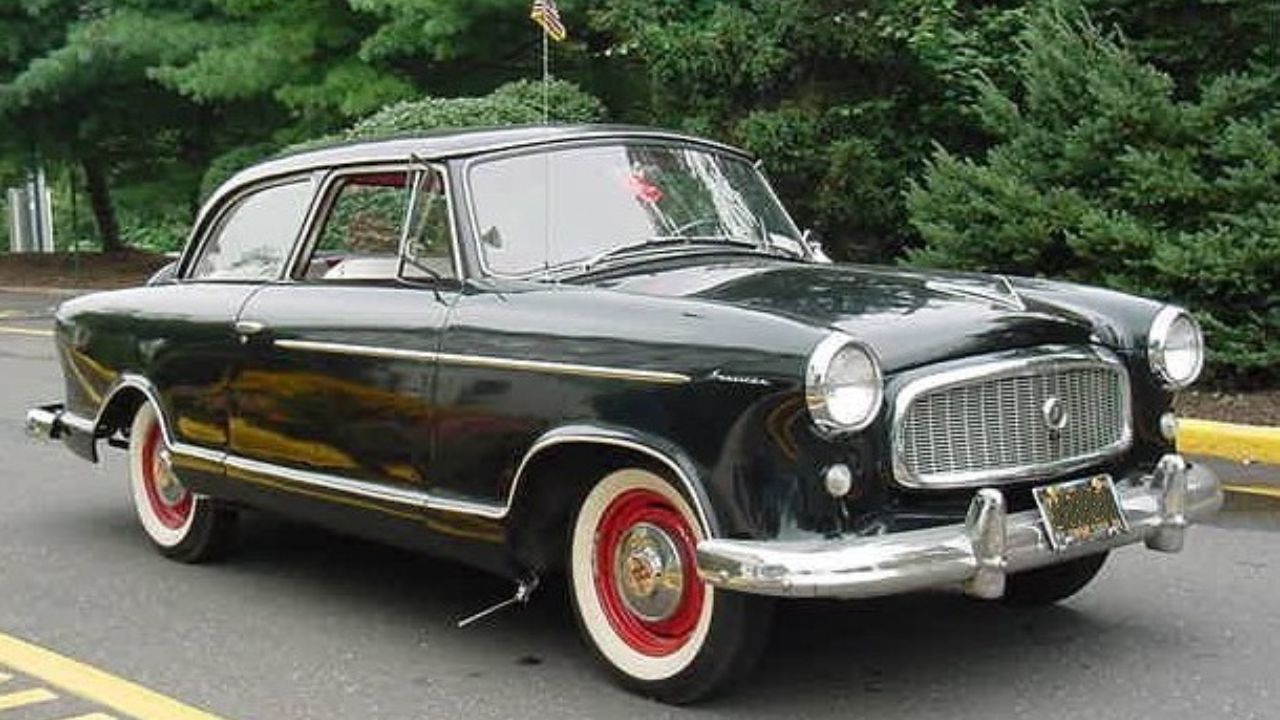
Curb feelers were more than just functional accessories; they were a symbol of automotive style and personalization. In a period when car customization was a burgeoning hobby, these devices allowed drivers to express individuality while adding a practical element to their vehicles. They were embraced by various social groups, from affluent car owners to enthusiasts who saw them as an affordable way to enhance their rides.
Different segments of society perceived curb feelers in varying ways. Some viewed them as a sign of meticulous care, while others saw them as an eccentric addition. Despite these differing perceptions, curb feelers undeniably contributed to the rich tapestry of car culture in the 1950s and 1960s. Enthusiasts of the time often gathered at car shows and rallies, where the presence of curb feelers was both a practical consideration and a nod to the era’s distinctive style.
Technological Advancements and the Decline of Curb Feelers
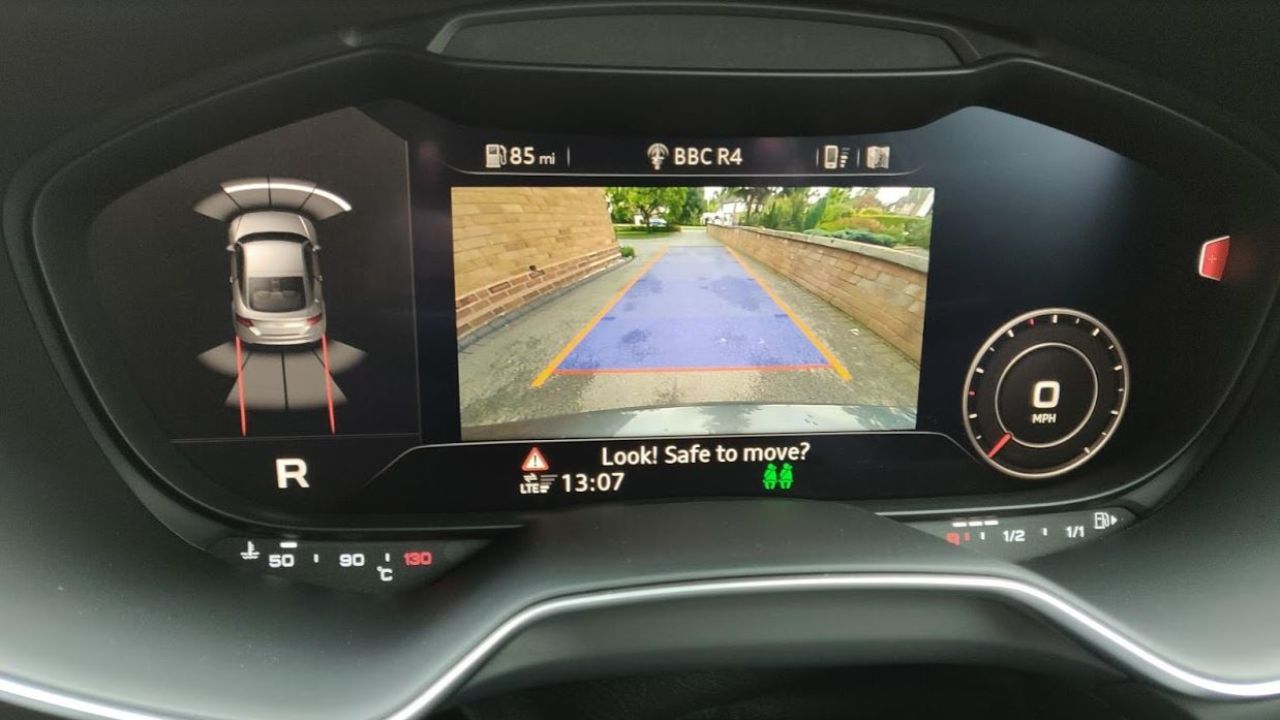
As automotive technology advanced, the need for curb feelers waned. The introduction of power steering, improved suspension systems, and radial tires made maneuvering and parking modern vehicles easier and less prone to curb damage. Additionally, the evolution of vehicle design, with more compact and streamlined forms, reduced the necessity for such external aids.
Urban infrastructure changes also played a role. As cities modernized, parking spaces became more defined, and curbs were often designed to be more car-friendly. With these improvements, the once-essential curb feelers became obsolete. The advent of modern driver assistance systems, such as parking sensors and backup cameras, further diminished the need for curb feelers. These technologies, available in cars like the Tesla Model 3 or the Ford F-150, offer advanced solutions for avoiding obstacles, rendering the humble curb feeler a relic of the past.
Nostalgia and Modern Appreciation
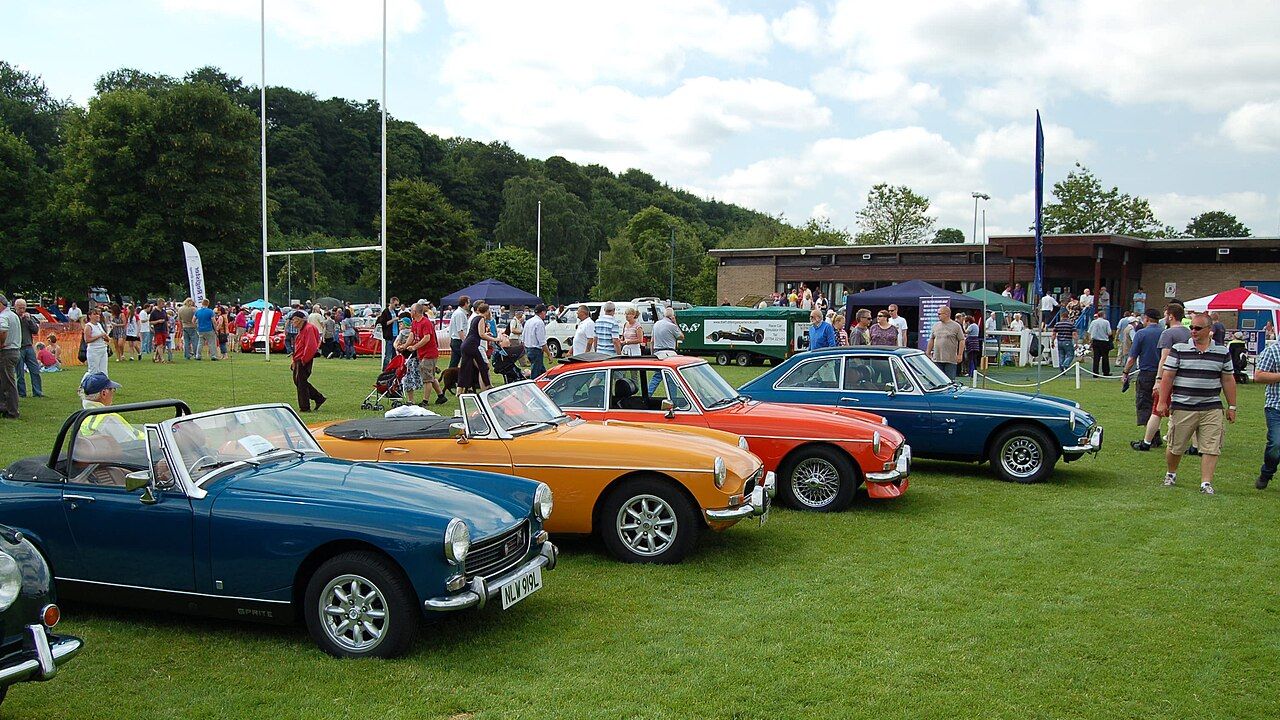
Despite their decline, curb feelers have not been forgotten. Car clubs and enthusiasts play a significant role in preserving the memory of these unique accessories. Groups dedicated to classic cars, like the Dull Men’s Club, often celebrate the quirks and charms of automotive history, including the once-ubiquitous curb feelers.
In some cases, curb feelers have seen a revival, with enthusiasts retrofitting them onto classic cars to capture the authenticity of a bygone era. This resurgence is not just about functionality but also about celebrating a time when car customization was a deeply personal and creative endeavor. In popular culture, curb feelers occasionally appear in period films and television shows, serving as visual cues to transport audiences back to the mid-20th century.
Today, curb feelers remain a charming reminder of an era when cars were not just modes of transportation but expressions of personality and pride. For those who appreciate automotive history, these simple devices evoke nostalgia and admiration for the ingenuity of past generations. While curb feelers may no longer be a common sight on the roads, their legacy endures in the hearts of car enthusiasts and the annals of automotive lore.
Like Fast Lane Only’s content? Be sure to follow us.
Here’s more from us:
*Created with AI assistance and editor review.