During the 1950s and early 1960s, push-button transmissions represented the future of automotive convenience. Instead of moving a traditional gear lever, drivers simply pressed a button to select Drive, Reverse, or Park. The futuristic feature appeared on several American and European automobiles, leading many to believe mechanical shifters would soon become obsolete. Yet within little more than a decade, push-button transmissions had almost completely disappeared from new production cars.
Automakers Embraced a Futuristic Idea
As automatic transmissions became increasingly popular after World War II, manufacturers searched for ways to make driving even simpler. Push-button controls fit perfectly with the era’s fascination with modern technology, space-age styling, and household appliances that operated at the touch of a button.
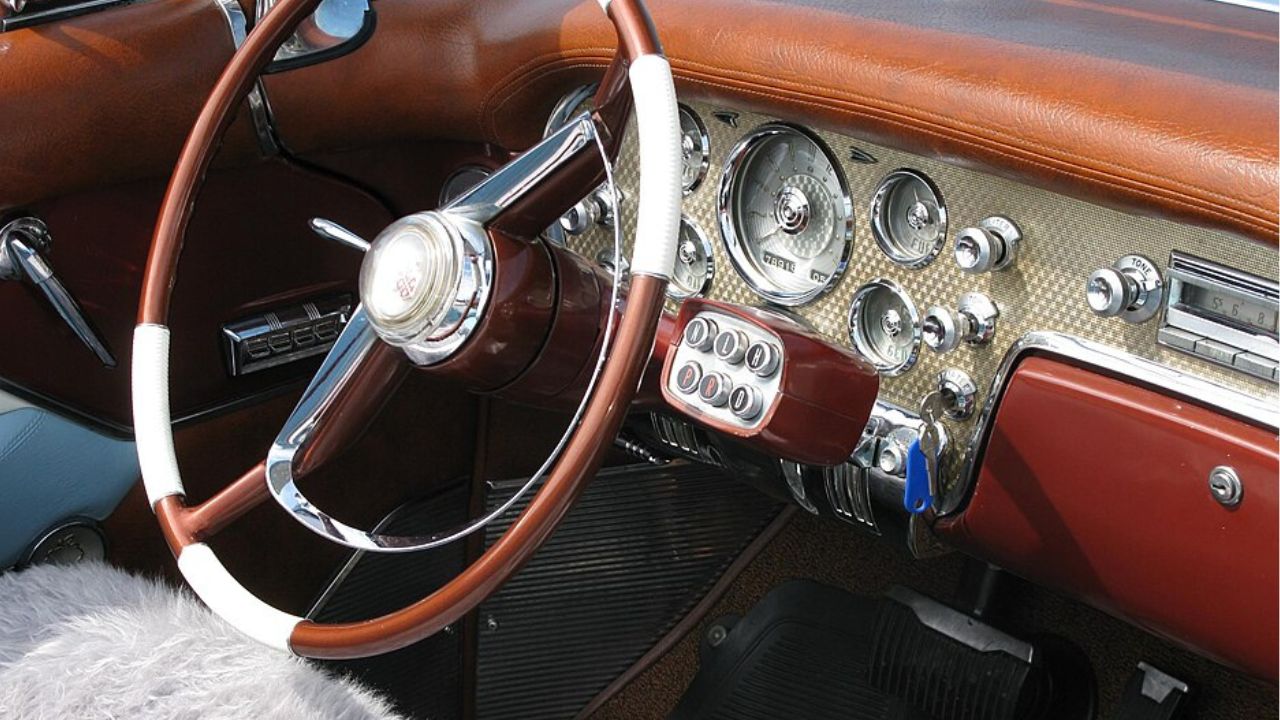
Companies such as Chrysler, Packard, Edsel, and a few European manufacturers introduced various push-button systems, each with its own mechanical or electrical design. Some placed the controls on the dashboard, while others integrated them into the steering wheel hub or instrument panel for a clean, uncluttered appearance.
The systems eliminated bulky shift levers and reinforced the impression that automobiles were becoming more advanced every year. For many buyers, selecting a gear with the press of a button felt like stepping into the future.
Practical Concerns Began to Surface
Although the concept worked well in many situations, push-button transmissions also introduced challenges that became more apparent over time. Drivers who had spent years using column- or floor-mounted shifters sometimes found the button layouts unfamiliar, particularly when switching between different vehicles.
Mechanical and electrical components behind the buttons also added complexity compared with traditional shift linkages. If a control malfunctioned, repairs could require specialized parts and service procedures that were not always readily available.
Manufacturers also recognized that tactile feedback was limited. A conventional gear lever allowed drivers to feel its position immediately, while push-button systems relied on visual confirmation or indicator lights to verify gear selection.
These concerns gradually reduced the technology’s appeal despite its innovative appearance.
Industry Standards Changed Direction
Another major reason push-button transmissions faded was the growing emphasis on standardization and safety. As automatic transmissions became common across nearly every vehicle category, manufacturers increasingly favored shift levers that operated in familiar patterns.
During the 1960s and 1970s, evolving safety regulations encouraged more consistent gear-selection methods to reduce driver confusion. Traditional shift levers also made it easier to incorporate mechanical interlocks, steering column locks, and eventually brake-shift interlock systems designed to prevent unintended vehicle movement.
At the same time, manufacturers sought to reduce production costs by simplifying interior designs and using common transmission controls across multiple models. Conventional shifters proved easier to standardize and less expensive to produce.
The industry gradually settled on gear selectors that balanced familiarity, safety, and manufacturing efficiency.
The Concept Quietly Returned in Modern Form
Ironically, the idea behind push-button transmissions never truly disappeared. Advances in electronic transmission controls eliminated the need for direct mechanical linkages, allowing manufacturers to revisit button-operated gear selectors decades later.
Today, many modern vehicles use electronic push buttons, rotary dials, or compact switches instead of traditional gear levers. Because these systems rely on sophisticated computers and electronic safeguards, they offer greater reliability and incorporate safety features that early designs could not provide.
Although today’s controls look more refined, they follow the same basic philosophy introduced more than half a century ago: simplifying gear selection while freeing interior space for improved design and functionality.
Looking back, push-button transmissions vanished after their early popularity because the technology of the era had not yet caught up with the concept. Concerns about familiarity, reliability, safety, and manufacturing costs pushed the industry back toward conventional shifters. Decades later, improved electronics finally allowed the idea to return, proving that some automotive innovations simply needed time to mature.
More from Fast Lane Only
- Unboxing the WWII Jeep in a Crate
- 15 rare Chevys collectors are quietly buying
- 10 underrated V8s still worth hunting down
- Police notice this before you even roll window down
*Research for this article included AI assistance, with all final content reviewed by human editors