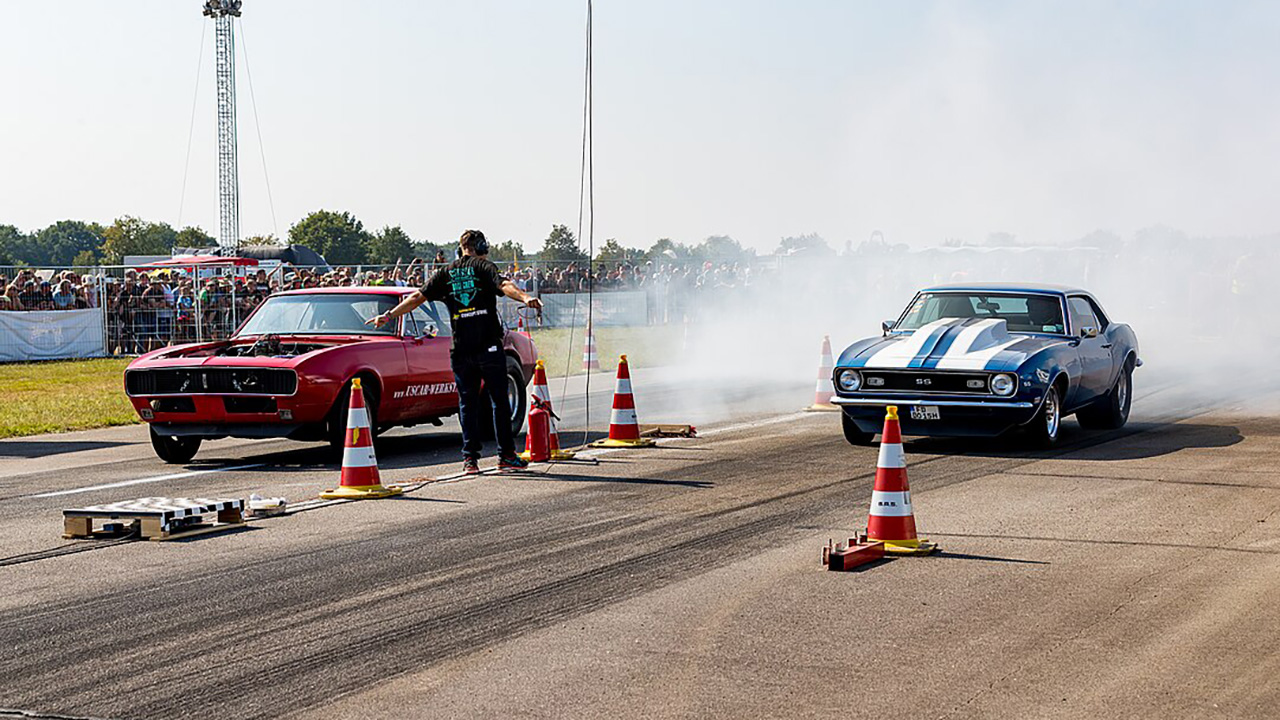
In the high-stakes world of drag racing, the difference between victory and defeat can be measured in fractions of a second. While horsepower and aerodynamics play crucial roles, a racer’s reaction time at the starting line is often the decisive factor. The margin for error is razor-thin, and even the most advanced vehicles can fall short if the driver hesitates for even a split second. Understanding the importance of reaction time is vital for anyone looking to excel in this exhilarating sport.
The Science of Reaction Time
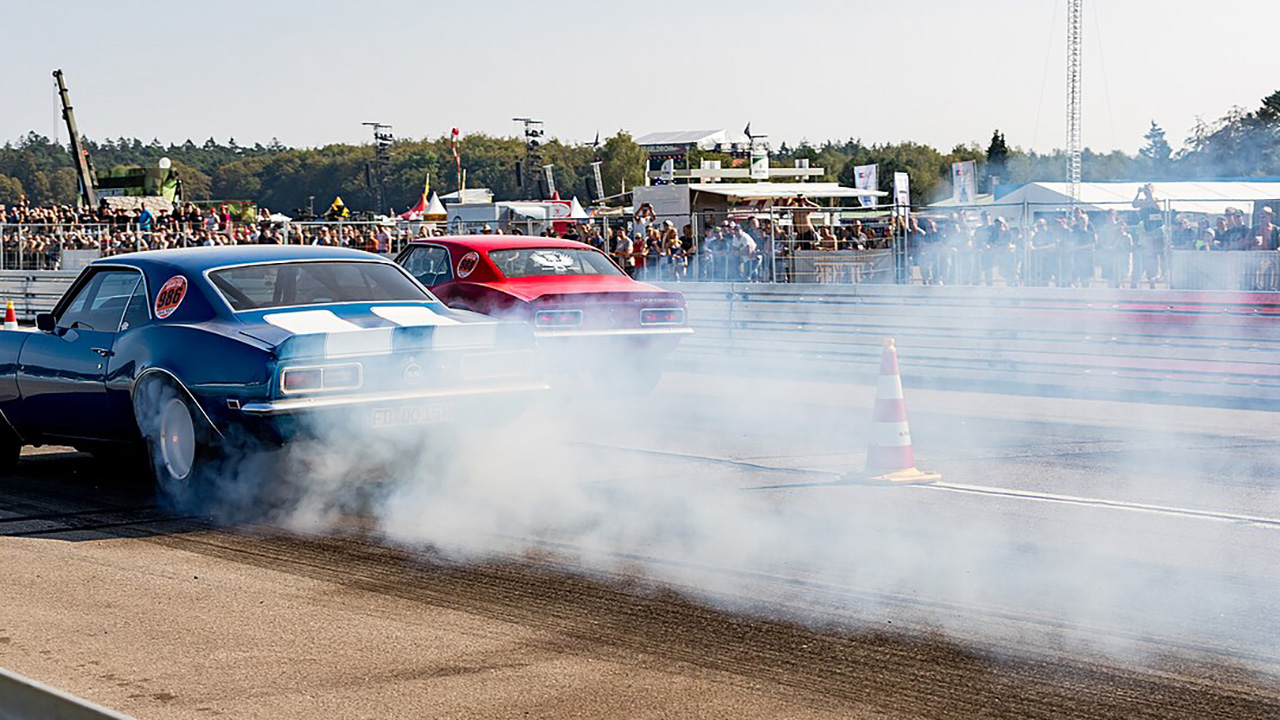
Human reaction time is a complex interplay of physiological and neurological factors. The sequence begins with sensory input, where the brain processes visual cues from the starting lights. The brain then sends signals through the nervous system to the muscles, triggering the necessary actions. This whole process happens in milliseconds, but various factors can affect its speed. For instance, fatigue, stress, and even hydration levels can slow down a driver’s response.
External conditions also play a significant role. Track temperature, lighting, and weather can all influence a racer’s performance. A cooler track might offer better traction, but it could also lead to slower reaction times due to altered grip levels. Conversely, a hot and humid environment might cause physical discomfort, impacting focus and reflexes. Technological advancements have provided tools to measure and enhance reaction times, such as high-speed cameras and sensors that analyze a driver’s start.
The Role of Reaction Time in Drag Racing

In drag racing, reaction time is measured from the moment the starting light turns green to when the vehicle crosses the starting line. This initial burst of speed is crucial, as it directly affects the racer’s elapsed time (ET). A faster reaction time can compensate for a slightly slower car, while a poor start can negate any mechanical advantage. Some of the most memorable races have been decided by reaction time, such as when veteran driver John Force clinched a win after a long drought by nailing a perfect start.
Historical data and recent events highlight the impact of reaction time. For instance, during the famous Winter Clash Nationals in 1989, the importance of quick reflexes was evident as drivers faced off with near-identical cars. The winner often wasn’t the one with the more powerful engine but the one who reacted fastest to the green light. Novice racers typically struggle with consistent reaction times, while seasoned pros have honed their instincts to a fine edge, often hitting near-perfect starts repeatedly.
The Impact of Reaction Time on Race Strategy
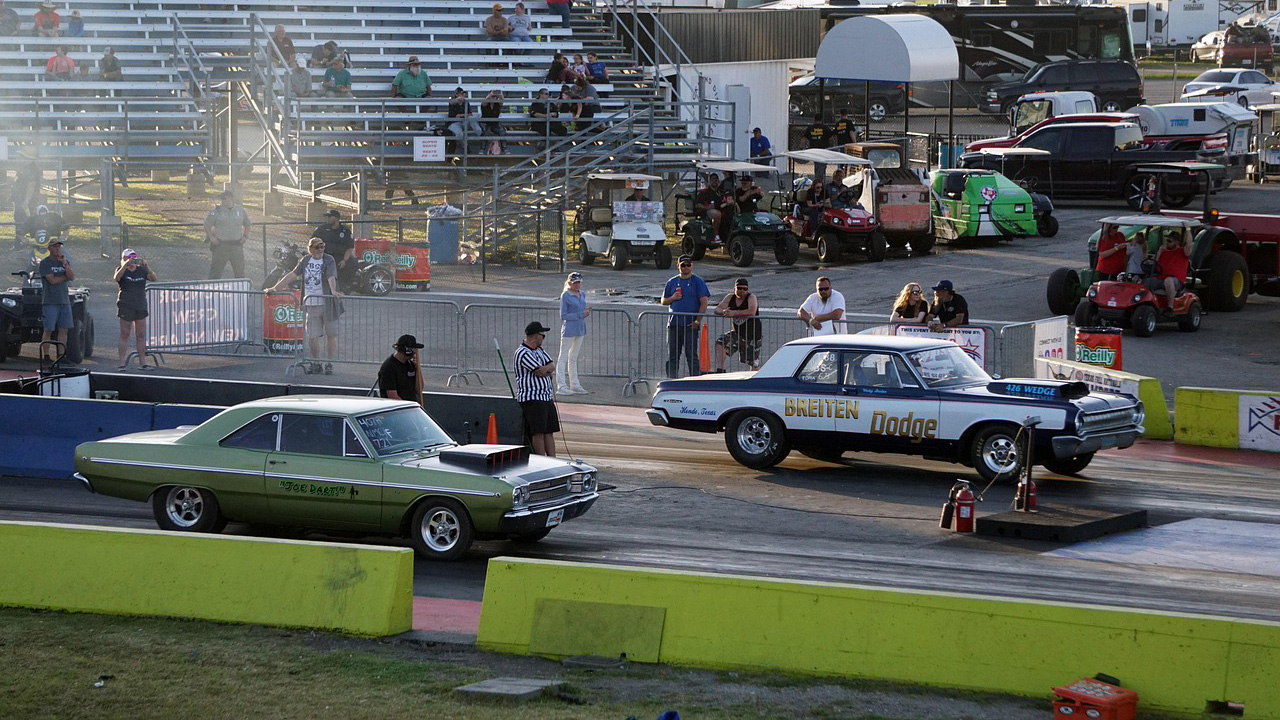
Teams and racers meticulously strategize to optimize reaction times under various conditions. They analyze every possible variable, including track surface, weather conditions, and even the psychological state of the driver. Strategies may include adjusting tire pressure or altering the car’s weight distribution to gain a split-second advantage. Elite racers often employ mental conditioning techniques such as visualization and meditation to sharpen their focus.
Regular practice and simulation are critical components of a racer’s preparation. Simulators provide a controlled environment where drivers can practice starts without the wear and tear on their vehicles. These sessions are invaluable for honing reflexes and decision-making skills. By repeatedly exposing themselves to race-like conditions, drivers can better anticipate the timing of the lights and improve their reaction times, leading to more consistent performances on race day.
Technological and Methodological Innovations
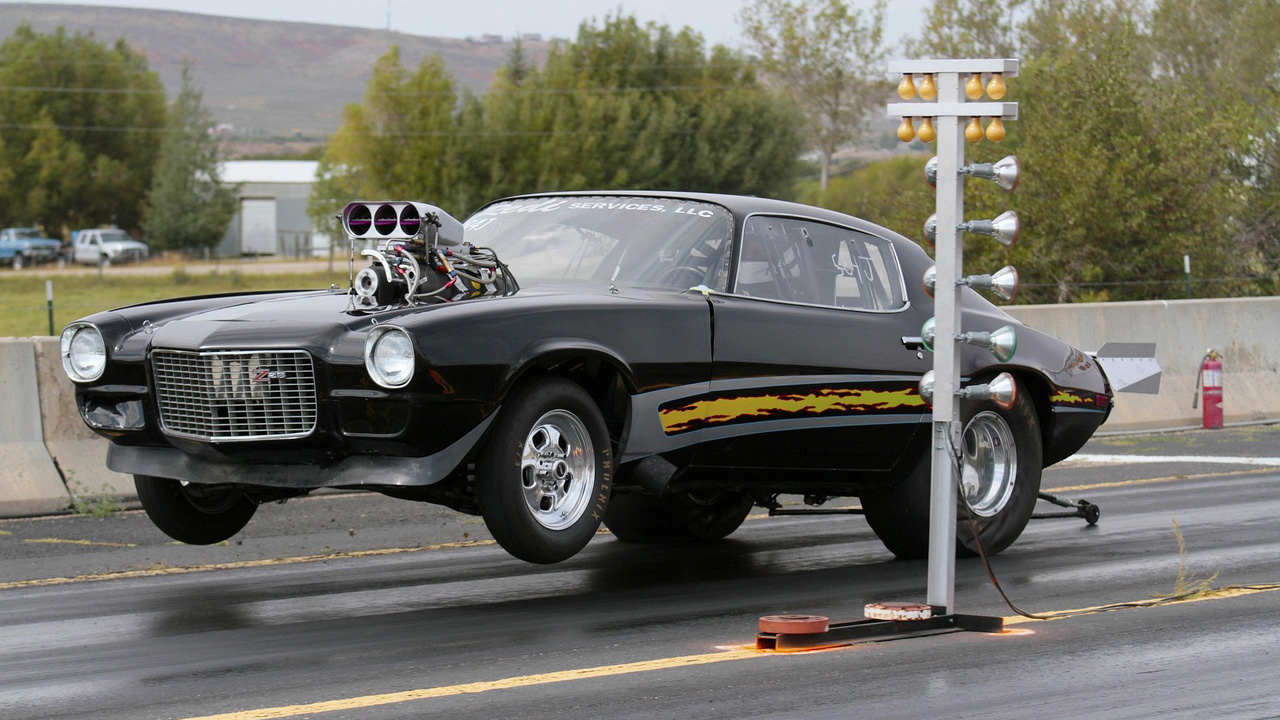
The world of drag racing has embraced cutting-edge technologies to train and measure reaction times. Advanced simulators replicate the starting line experience, allowing drivers to practice their launches under various conditions. Reflex training tools, such as light boards and reaction timers, provide immediate feedback, helping racers identify areas for improvement. These innovations have revolutionized how drivers prepare for races, offering a competitive edge that was previously unavailable.
Recent advancements in vehicle technology also assist drivers in improving their reaction times. Launch control systems and customizable pedal setups enable precise control over the car’s initial movements. Historical advancements, such as the introduction of transbrake systems, have further enhanced the ability of drivers to execute flawless starts. These innovations continue to shape modern racing techniques, pushing the boundaries of what is possible on the drag strip.
The Psychological Edge: Mental Preparation and Focus
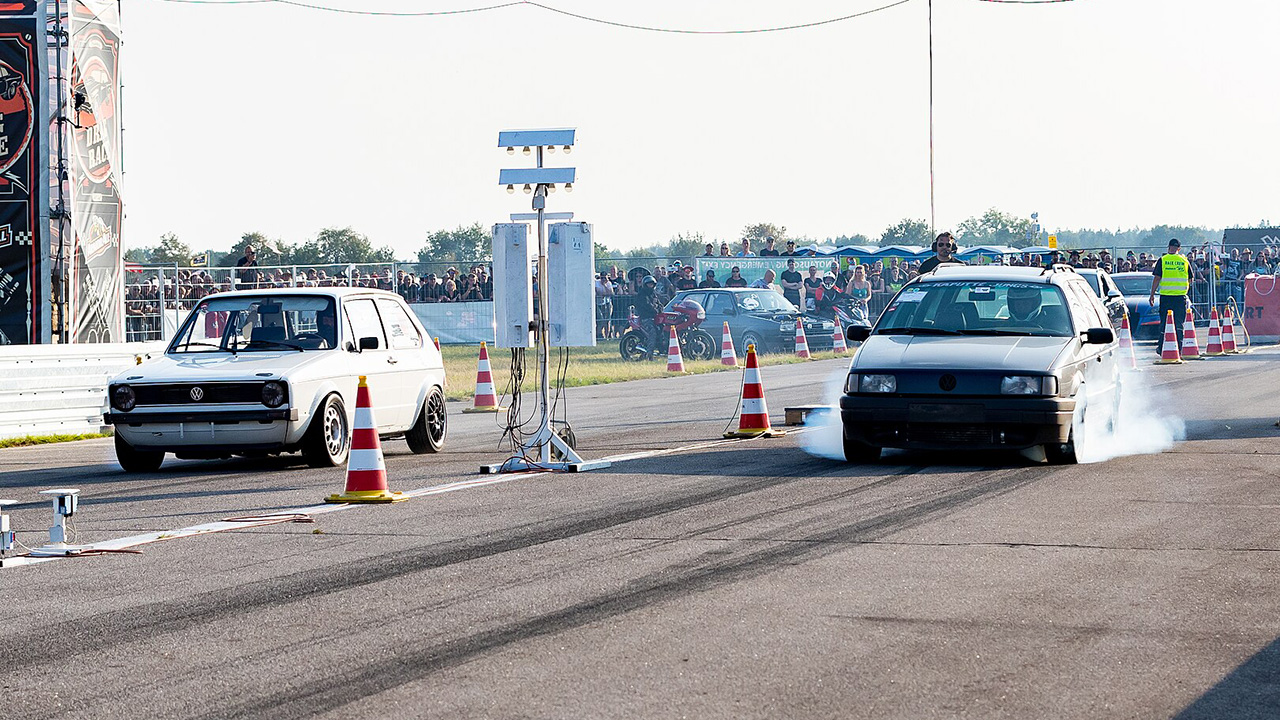
Maintaining focus and composure under the pressure of a race is a psychological challenge that all top racers face. Techniques for achieving this mental edge include mindfulness practices, deep breathing exercises, and pre-race rituals that help drivers enter a state of calm readiness. The role of mental conditioning cannot be overstated, as a clear mind is essential for executing quick reactions.
Visualization is another powerful tool employed by successful racers. By mentally rehearsing each stage of the race, drivers can build muscle memory and confidence, reducing hesitation when the lights go green. Professional racers often share insights into overcoming mental barriers, with many emphasizing the importance of a positive mindset. Suzie Toot, for instance, has discussed how she overcame the mental challenges leading up to her controversial elimination in a recent competition. Her experience highlights the critical role of psychological resilience in achieving optimal reaction times.
Like Fast Lane Only’s content? Be sure to follow us.
Here’s more from us:
*Created with AI assistance and editor review.