In the high-stakes world of drag racing, the choice of tires can make or break a race. Drag slicks, with their specialized design, offer unique advantages that set them apart from normal tires. These tires excel in performance, providing the traction and grip necessary for optimal speed. Their distinct features make them the preferred choice for racers seeking maximum performance on the track.
Understanding Drag Slicks
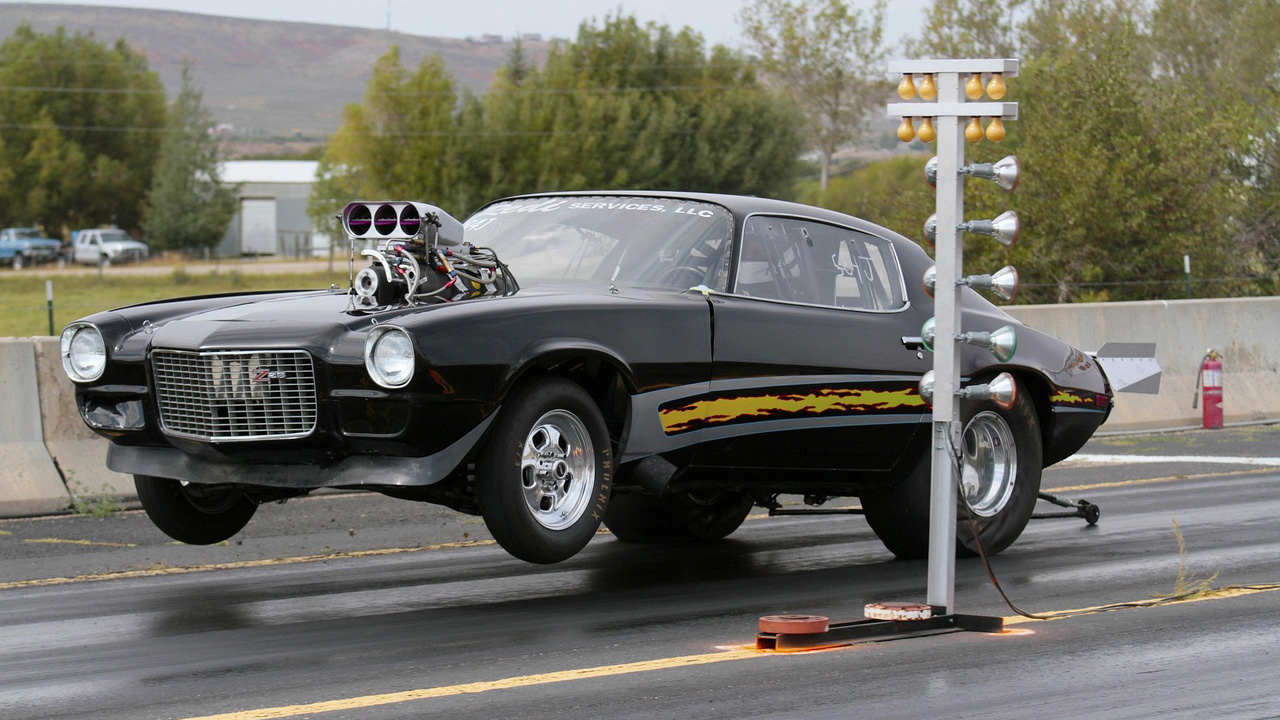
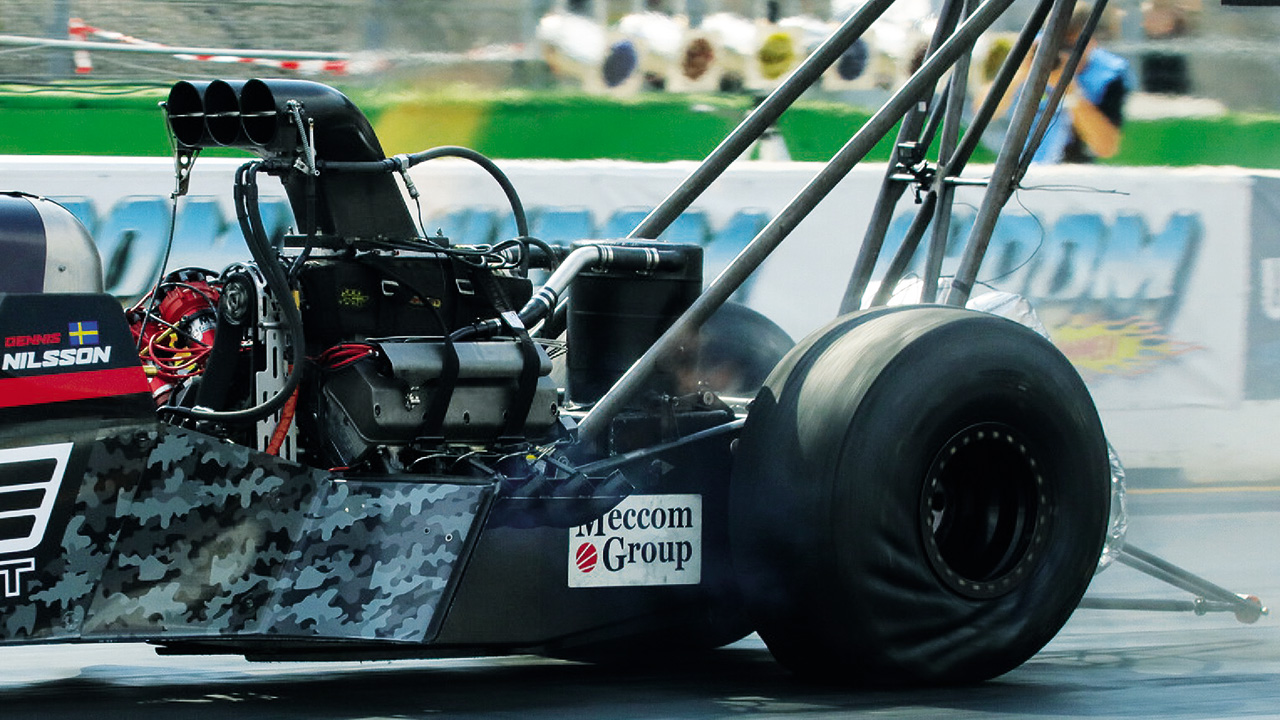
Drag slicks are specifically engineered for drag racing, distinguished by their smooth, treadless surface and softer rubber compounds. Unlike regular tires, which feature grooves to channel water and provide grip in various conditions, drag slicks are designed to maximize the contact patch with the racing surface. This large, smooth surface enhances traction, which is crucial in the straight-line acceleration of drag racing. The absence of tread means drag slicks are not suitable for wet conditions but excel on dry tracks.
The primary function of drag slicks is to provide maximum traction and acceleration. By utilizing softer rubber compounds, these tires can deform slightly, increasing the contact area with the track and improving grip. This design is essential for achieving the rapid acceleration needed in drag racing. Over the years, technology has advanced significantly, enabling manufacturers to develop slicks that offer improved durability and performance. Innovations in drag slick technology have allowed racers to push the boundaries of speed and performance, leading to new records being set on the track.
Enhanced Traction and Grip
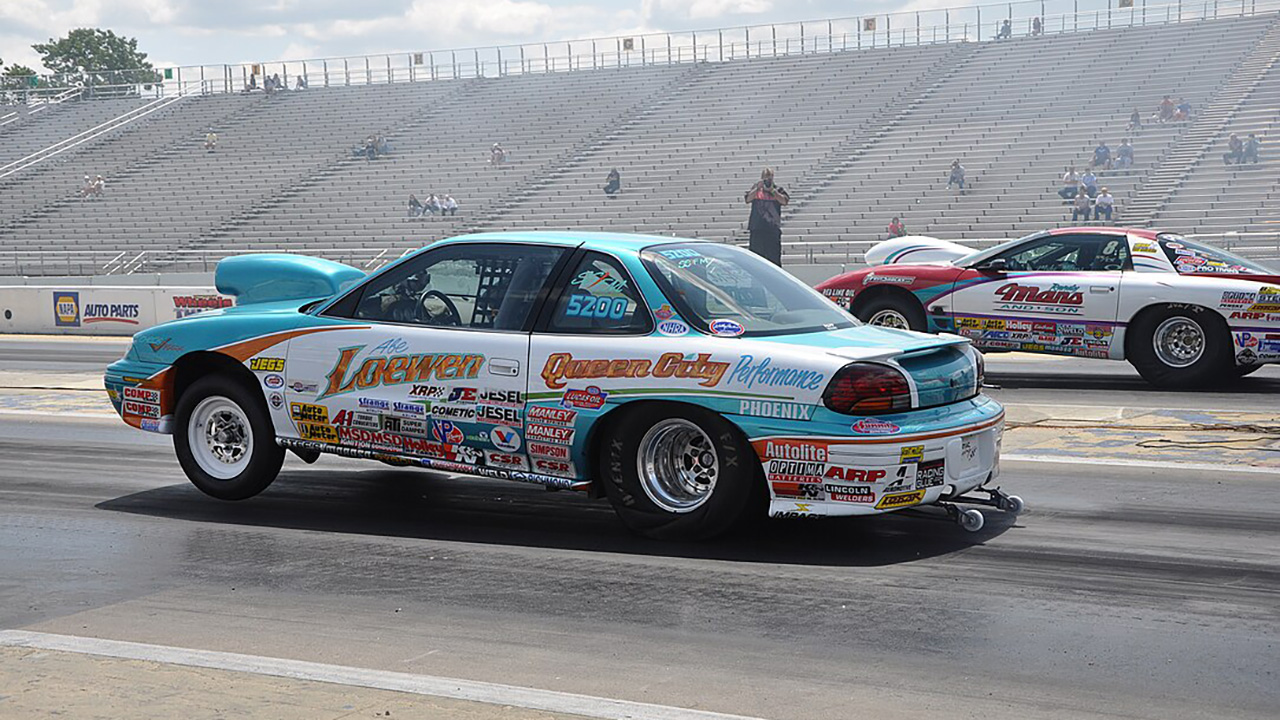
One of the key advantages of drag slicks is their ability to provide enhanced traction and grip. The larger contact patch of these tires increases the surface area in contact with the track, allowing for better grip compared to normal tires. This is crucial for drag racing, where every fraction of a second counts. The absence of grooves means that more rubber is in contact with the track, maximizing the frictional forces that aid in acceleration.
Heat generation is another critical aspect of drag slick performance. The softer rubber compounds used in these tires are designed to generate heat quickly, which in turn increases the stickiness of the rubber. This heat generation is vital for achieving optimal grip, especially during the critical moments of launch and acceleration. Drag slicks are also engineered to adapt to different racing surfaces, maintaining consistent grip and performance regardless of the track conditions. This adaptability is a key factor in the success of drag slicks in various racing environments.
Optimized Acceleration
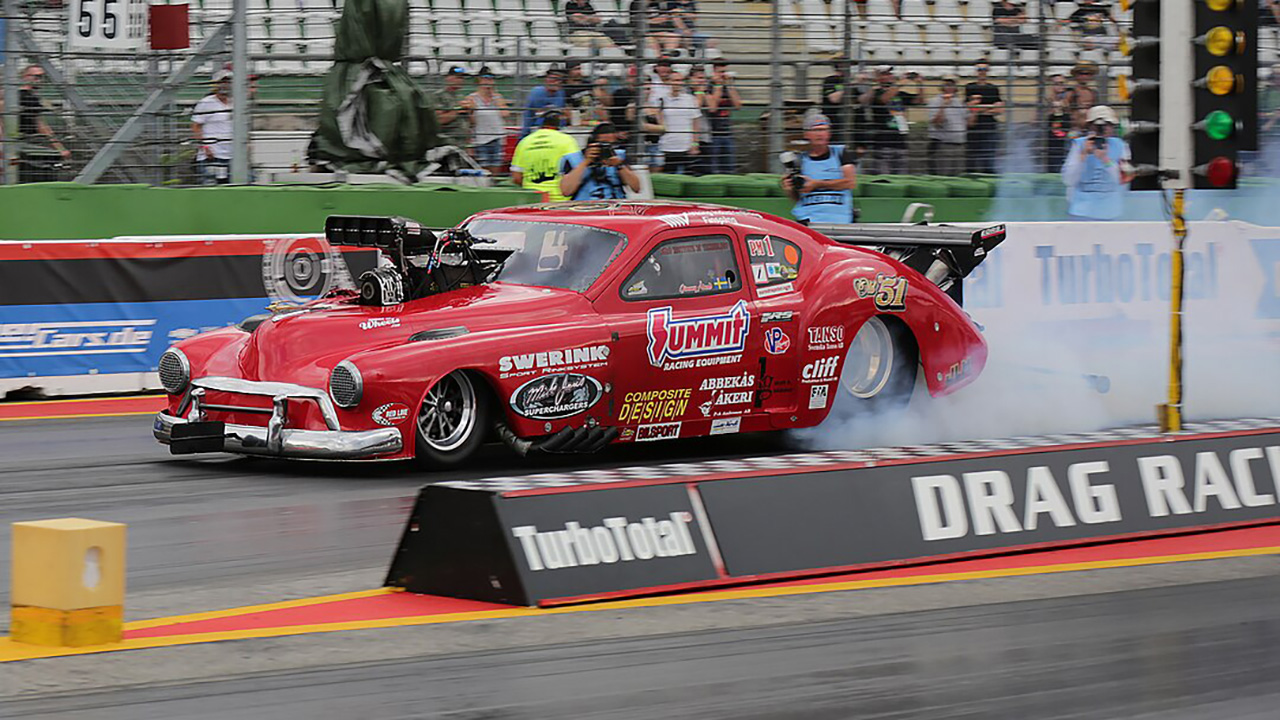
Drag slicks are designed to optimize acceleration, a crucial aspect of drag racing. The use of soft rubber compounds allows these tires to deform and grip the track more effectively, contributing to quicker acceleration and improved track times. This characteristic is particularly important when launching from the starting line, where the ability to quickly transfer power to the track can determine the outcome of the race.
Another advantage of drag slicks is their ability to reduce rolling resistance. The design of these tires minimizes the energy lost to friction, allowing for more efficient power transfer from the engine to the track. This efficiency is crucial in drag racing, where every bit of power counts. Additionally, drag slicks play a vital role in aiding a racer’s launch off the starting line. Their ability to handle high torque outputs ensures that the vehicle can accelerate rapidly without losing traction, providing a competitive edge in racing scenarios.
Trade-offs and Considerations
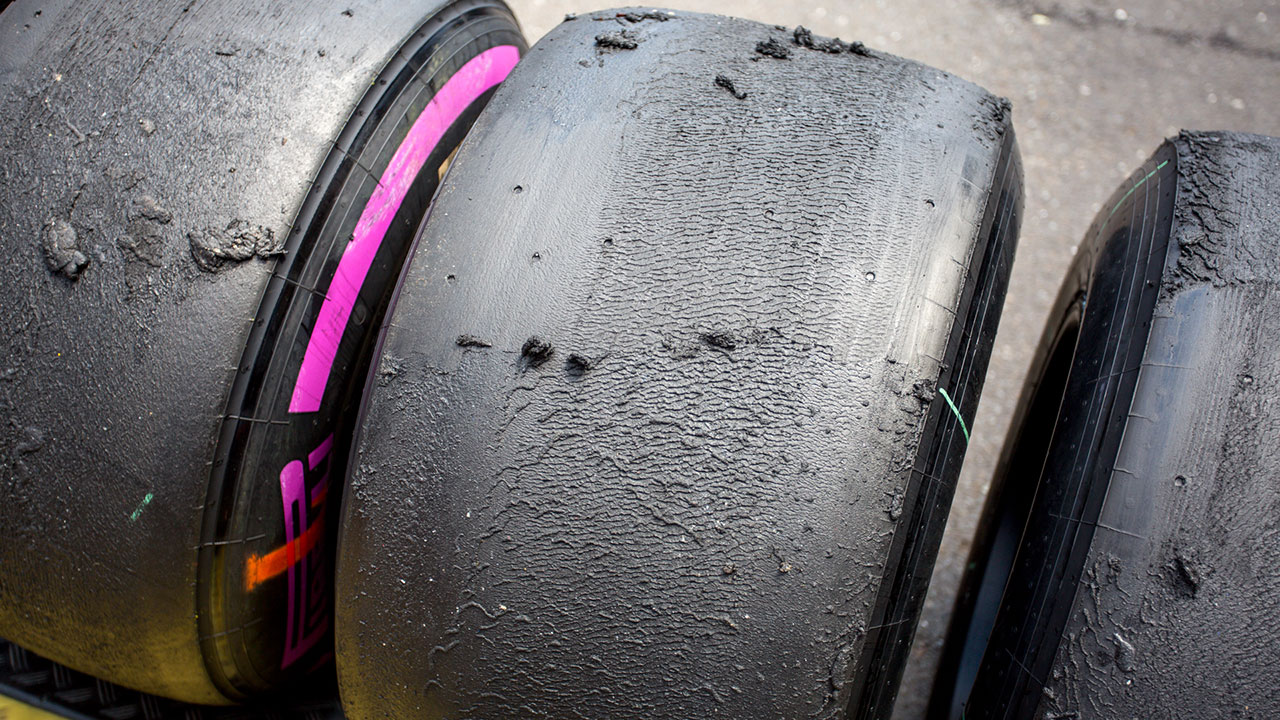
While drag slicks offer numerous performance benefits, they also come with certain trade-offs. One of the main considerations is durability and lifespan. The softer rubber compounds that provide exceptional grip also wear out more quickly compared to regular tires. As a result, drag slicks may need to be replaced more frequently, which can add to the overall cost of racing.
Weather and track conditions are also important factors to consider when using drag slicks. These tires are designed for optimal performance on dry surfaces, and their lack of tread makes them unsuitable for wet conditions. Racers must carefully monitor weather and track conditions to ensure they are using the appropriate tires for the situation. Additionally, the financial investment required for drag slicks can be significant. While the performance benefits are clear, racers must weigh the costs and potential return on investment when deciding whether to use these specialized tires.
Comparison with Other Racing Tires
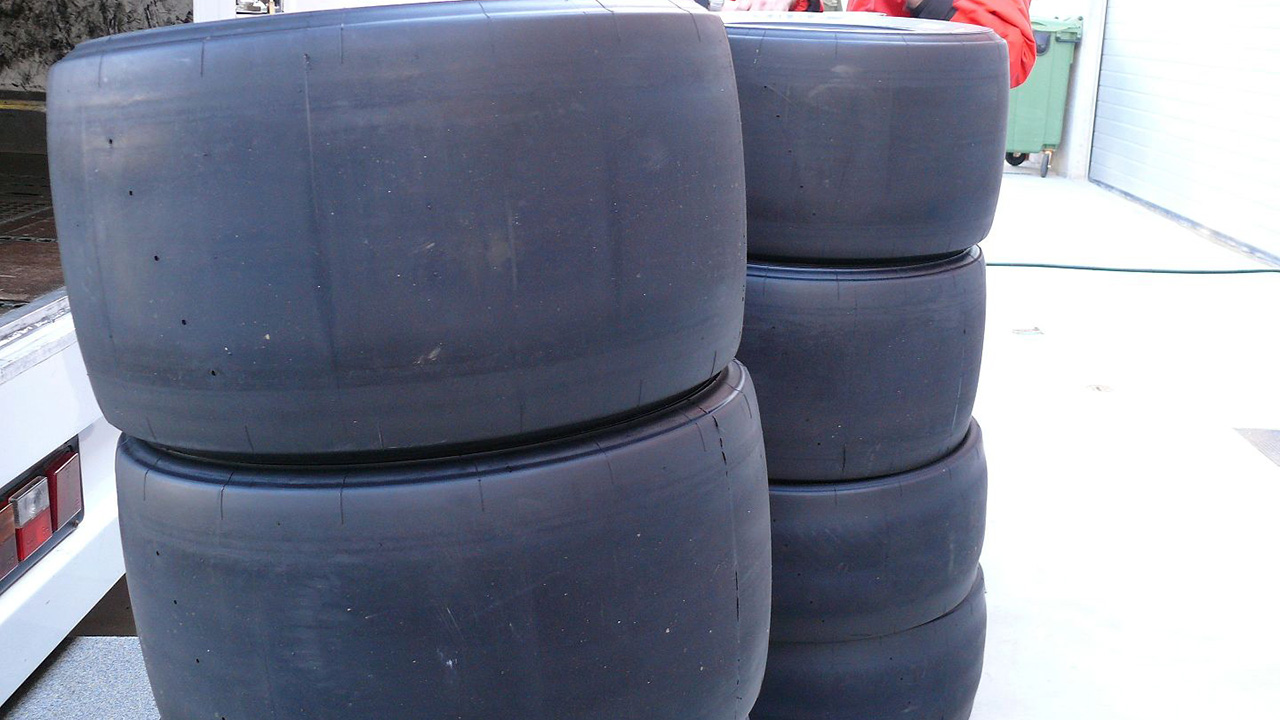
When comparing drag slicks to other types of racing tires, such as radials, it’s essential to understand the performance characteristics of each. Radial tires, for example, are designed with a more rigid structure, providing stability and durability over longer distances. However, they may not offer the same level of traction and acceleration as drag slicks, making them less suitable for short, intense races. Understanding the differences between these tire types is crucial for racers making informed decisions about their equipment.
Cheater slicks, on the other hand, offer a blend of features from both slicks and street-legal tires. They are designed to provide some traction in wet conditions while maintaining a performance level close to that of drag slicks. This makes them a versatile option for racers who need to adapt to varying conditions. Ultimately, the choice between slicks, radials, and other tire types depends on the specific racing format and conditions. Understanding the strengths and limitations of each type can help racers optimize their performance and achieve their racing goals.
Like Fast Lane Only’s content? Be sure to follow us.
Here’s more from us:
*Created with AI assistance and editor review.