Six-figure pickup trucks, once a novelty reserved for exotic builds and luxury badges, have become a familiar sight on dealer lots and in suburban driveways. What would have sounded extravagant only a few years ago now fits neatly into a market where mainstream brands routinely price their most lavish trucks deep into premium territory. The shock has faded not because trucks are cheaper or incomes have surged, but because automakers have methodically reframed what a pickup is supposed to be and what it is supposed to cost.
Buyers who still need a truck for work or family life are increasingly confronted with a stark choice: accept luxury-car pricing or downsize their expectations. As prices climb, some shoppers are walking away from new models altogether, while others are leaning into the high end and treating a pickup as a status symbol that can justify a six-figure window sticker.
The quiet normalization of six-figure pickups
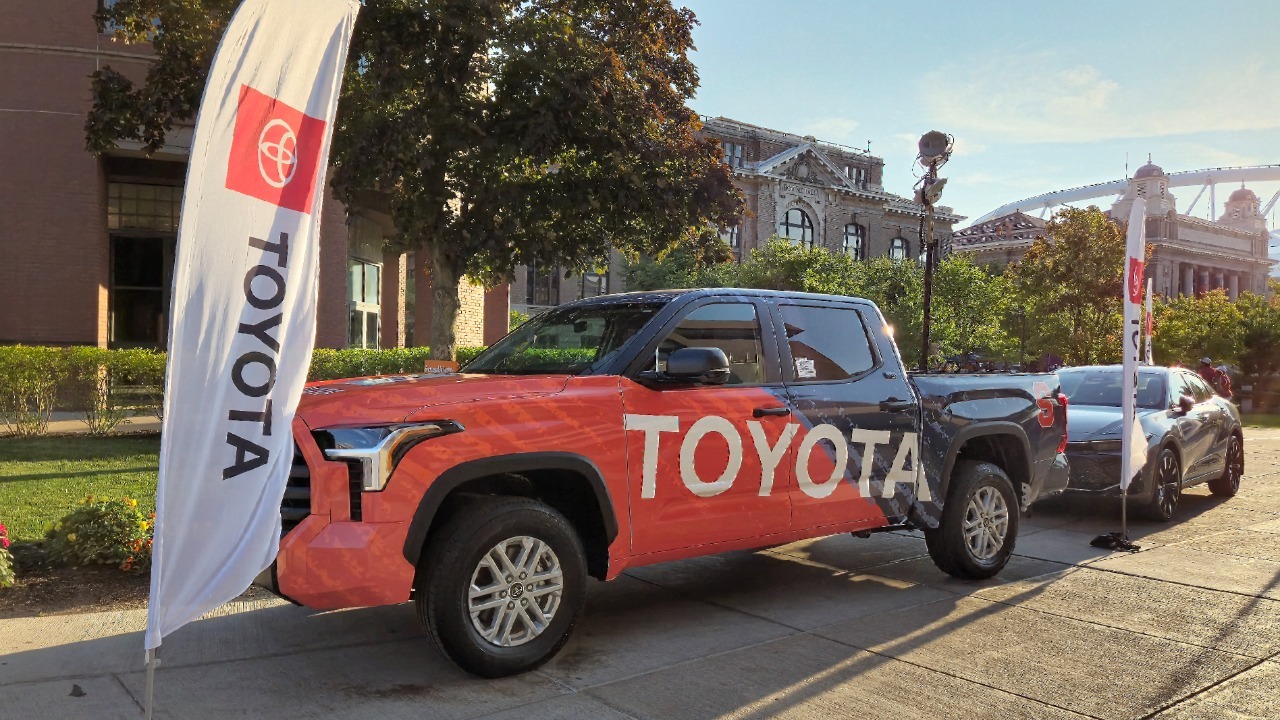
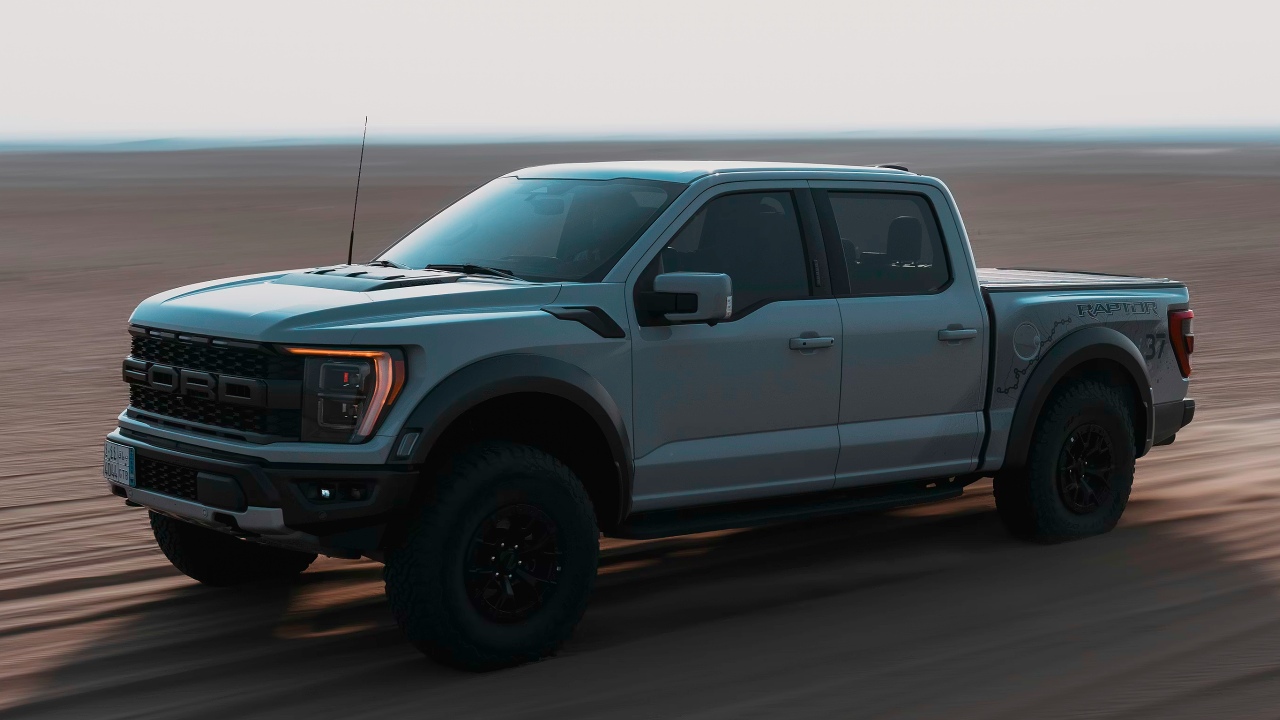
In the broader vehicle market, a price tag of $100,000 might once have signaled a rare, almost exotic machine. Today, that threshold is no longer confined to supercars or imported sedans, as the number of models with $100,000 m and $100,000 stickers has expanded to include trucks from mass market brands. High-spec versions of familiar nameplates, from Ford to Toyota, now sit in the same financial neighborhood as traditional luxury vehicles, which makes a six-figure pickup feel less like an outlier and more like a predictable top rung of the lineup.
The most expensive pickups now routinely command six-figure sticker prices before destination charges, taxes, or fees, and they do so without relying on badges from traditional luxury marques. Jan reporting notes that Oddly missing from the list of the priciest trucks are models from established luxury brands, while Ford, among others, has tried and failed to build a separate upscale truck label. Instead, the core truck nameplates themselves have absorbed the luxury role, which helps normalize the idea that a familiar half-ton can legitimately cost as much as a high end European sedan.
How technology and comfort help justify the price
Automakers have not raised prices in a vacuum. They have steadily packed pickups with technology and comfort features that would have seemed out of place in a work truck a decade ago, then used those additions to defend higher stickers. All the while, today’s cars and light trucks are far more fuel efficient and come equipped with vital, lifesaving features like advanced driver assistance systems, collision avoidance technology, and sophisticated airbag arrays. In that context, a fully loaded pickup can be pitched as a rolling safety cocoon and mobile office, not just a tool for hauling lumber.
Electric pickup trucks have accelerated this repositioning. Five years ago, paying six figures for a pickup truck was nearly unthinkable. However, automakers have successfully shifted consumer expectations by presenting battery powered trucks as cutting edge flagships that combine luxury and performance. High output electric powertrains, large infotainment screens, premium audio, and complex software suites are framed as technologies that justify the hefty price tags. For buyers who want the latest in both utility and tech, the psychological leap from a well equipped $70,000 truck to a six figure electric model becomes smaller than the raw numbers suggest.
When a work tool becomes a status symbol
The cultural role of the pickup has also changed, which makes high prices easier to swallow for those who can afford them. In many communities, a top trim truck functions as a visible marker of success, a way to signal prosperity without the perceived ostentation of a luxury badge. Online discussions capture this shift, with some drivers arguing that high end trucks are less showy than traditional luxury cars, even though the transaction prices are similar. But others counter that most high net worth individuals are fully aware of what a six figure truck costs, and that the supposed subtlety of a loaded pickup is more about self image than reality.
At the same time, there is a growing sense that trucks are no longer aimed at the middle class in the way they once were. One widely shared Aug comment recalls when smaller four door trucks served as practical family vehicles with decent storage, yet were priced within reach of typical households. Today, the same commenter observes, trucks are treated and priced as premium products, which pushes buyers with modest incomes toward older used models or out of the segment entirely. As pickups morph into lifestyle and status objects, the market naturally tolerates higher prices at the top, even if that leaves traditional working buyers behind.
The affordability crisis for everyday buyers
For many shoppers, the normalization of six figure trucks is less a sign of prosperity than a symptom of an affordability crisis. Video creators who track the market warn that Most people CANNOT Afford a New Truck in 2025, arguing that Prices have gotten completely out of control. In their view, even Midsize models now routinely carry $50 K plus price tags when reasonably equipped, which erodes the long standing assumption that stepping down in size offers meaningful savings. When midsize trucks all come with $50K+ pr, the idea of a $100,000 pickup no longer feels like a distant outlier, but rather the logical extreme of a broader pricing ladder that has shifted upward.
That pressure is showing up in buyer behavior. Some consumers are simply refusing to buy new trucks, citing a mix of high prices and quality concerns. One widely viewed critique points to issues like Hemi tick and 3rd brake light leak, and describes Rams as deceiving because they often come with a very nice interior while the quality is lackluster. The same critic is skeptical of EV truck offerings, rejecting the idea of paying luxury money for what is perceived as an unproven or compromised product. When shoppers feel they are being asked to pay more for vehicles that do not clearly deliver on durability or reliability, sticker shock hardens into outright resistance.
Downsizing, inventory gluts, and what comes next
Even as six figure trucks become more common, there are signs that the market is straining under the weight of its own pricing. Analysts tracking dealer lots warn that The Truck Market CRASH of 2026 will hit HARDEST in the pickup segment, noting that Truck inventory continues to skyrocket while prices continue to shoot to the moon. The result is a growing mismatch between what manufacturers are building and what many buyers can realistically afford. If inventories remain elevated, discounts and incentives are likely to follow, which could chip away at the normalization of ultra expensive trucks, at least at the margins.
Some buyers are already voting with their wallets by moving to smaller, less costly models. Reporting from Nov highlights that Truck drivers are shunning large pickups for smaller, compact options, with one observer noting that Even midsize trucks have gotten too tall and unwieldy for daily use. A separate Nov account describes how no one saw the rapid rise of compact pickups coming, yet it is now clear that a smaller truck has a much more universal appeal than the other extreme of oversized, heavily optioned rigs. As compact trucks gain traction and inventories of big, expensive models pile up, automakers may be forced to recalibrate, even if six figure pickups remain a fixture for buyers who still see them as the ultimate blend of utility, technology, and prestige.
More from Fast Lane Only