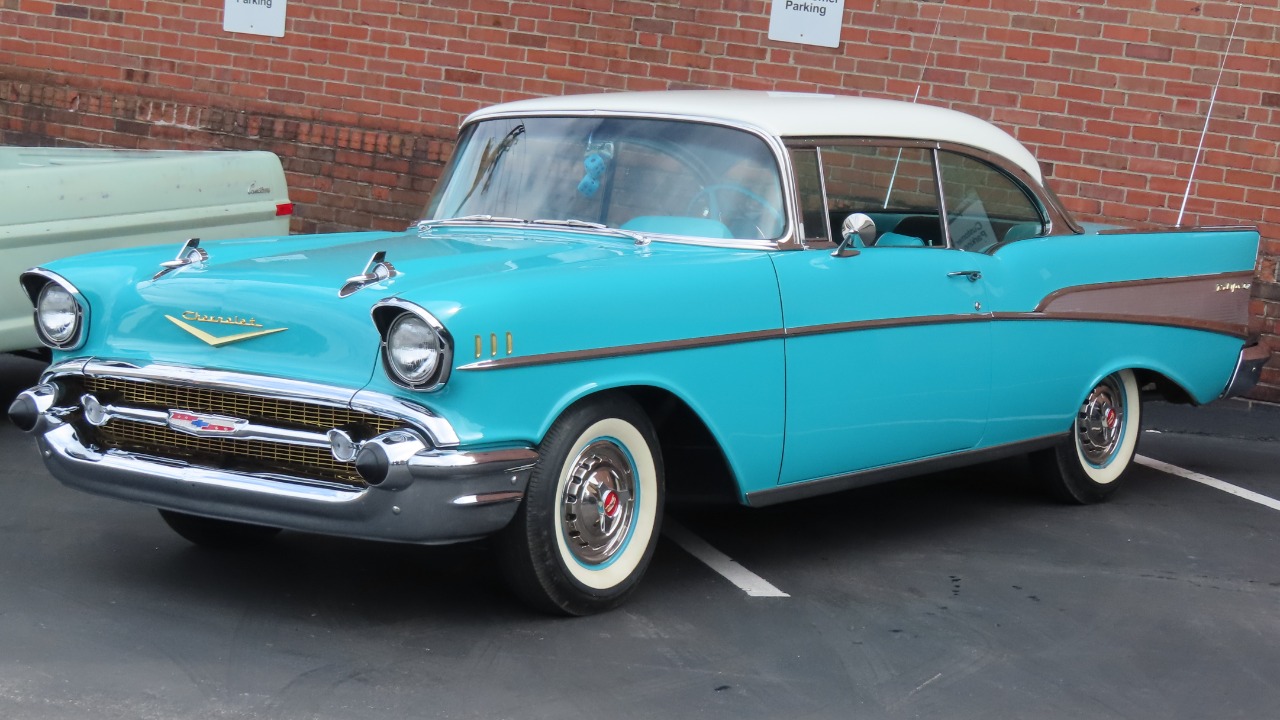
Classic car designs often evoke a sense of nostalgia and admiration, standing the test of time in an ever-evolving automotive landscape. The allure of these vehicles lies not only in their aesthetics but also in their cultural significance and engineering excellence. Delving into the elements that contribute to the timeless appeal of certain classic car designs reveals a fascinating interplay of artistry, technology, and community.
1. Iconic Aesthetics
When considering classic cars, the role of curves and lines cannot be overstated. Fluid shapes and balanced proportions create a visual harmony that is pleasing to the eye. Take the 1957 Chevrolet Bel Air, for example, whose sweeping curves and chrome accents embody the spirit of the 1950s. The design invites admiration and evokes memories of a bygone era, making it a perennial favorite among enthusiasts. The art of automotive design has always relied on creating a visual rhythm that resonates with the viewer, and this is achieved through meticulous attention to detail.
Color schemes and finishes also play a crucial role in the attractiveness of classic cars. Bold hues and dual-tone combinations can transform a car from simple transportation into a statement piece. The classic Mustang in its iconic Highland Green or the striking red and white of a 1956 Ford Thunderbird are perfect examples. These color choices not only enhance the car’s aesthetics but also create an emotional connection, evoking feelings of nostalgia for those who remember seeing these cars on the road during their heyday.
Moreover, design consistency is a hallmark of timeless classics. A car like the Porsche 911 has maintained its core design elements since its introduction in 1964. While the technology and performance have evolved, the fundamental silhouette remains recognizable, ensuring that the 911 retains its allure across generations. This consistency allows classic designs to stand the test of time, as they do not appear outdated even decades after their initial release.
2. Cultural Significance
Classic car designs often serve as symbols of their respective eras, encapsulating cultural movements and societal changes. The Volkswagen Beetle, for instance, emerged during the post-war period as a symbol of practicality and reliability, representing a shift towards mass production and affordability in the automotive industry. Its unique design and historical context contribute to its status as an icon that transcends time.
Pop culture has also played a significant role in elevating the status of certain classic cars. Films like “American Graffiti” and “Gone in 60 Seconds” have immortalized vehicles such as the Ford Mustang and the Dodge Charger, turning them into cultural phenomena. These films not only showcased the cars but also linked them to themes of freedom, rebellion, and adventure, further solidifying their place in the collective memory of car enthusiasts and casual viewers alike.
Community and nostalgia are powerful forces that bind enthusiasts and collectors to classic car designs. Car shows, swap meets, and online forums serve as platforms for sharing stories and experiences related to these vehicles. The emotional connections formed within these communities contribute to the lasting appeal of classic cars, allowing owners to relive cherished memories and pass down their passion to future generations.
3. Engineering Excellence
The engineering of classic cars is often marked by simplicity and reliability, which significantly contributes to their longevity. Many classic models, such as the 1965 Ford Mustang, feature straightforward mechanical designs that are easy to understand and maintain. This ease of repair has made them accessible to a wide range of owners, fostering a culture of hands-on involvement in car maintenance and restoration.
Additionally, some classic cars stand out for their innovative features, which were ahead of their time. The 1966 Lamborghini Miura, often considered the world’s first supercar, introduced a mid-engine layout that dramatically changed automotive design. Its pioneering technology and performance have inspired countless models in the decades since, demonstrating how innovative engineering can elevate a car’s status to classic.
Durability is another key factor in the engineering of classic cars. Many classic vehicles were built with solid materials and robust construction methods that have stood the test of time. For instance, the body of a 1967 Chevrolet Corvette was made from fiberglass, a material that not only reduced weight but also resisted corrosion better than many metal alternatives. As a result, classic cars often remain in excellent condition, enhancing their desirability among collectors.
4. Timeless Functionality
Classic car designs often prioritize ergonomics and driver experience, catering to the needs of both drivers and passengers. The bench seats of the 1959 Cadillac Eldorado, for example, offer comfort that modern sports cars sometimes lack. The spacious interiors and thoughtful layouts of many classic cars ensure that they provide a pleasant driving experience, making them enjoyable for long journeys or casual weekend drives.
Versatility is another aspect of classic car functionality that enhances their appeal. Many classic cars, such as the Jeep CJ series, were designed for various uses, from off-road adventures to everyday commuting. This adaptability ensures that classic cars can fit into a variety of lifestyles, making them attractive options for a wide range of enthusiasts.
The restoration and maintenance of classic cars also contribute to their lasting appeal. The simplicity of many designs means that owners can undertake restoration projects themselves, creating a deeper connection with their vehicles. This hands-on approach not only preserves the car’s history but also fosters a sense of pride among owners who invest time and effort into restoring these timeless designs.
5. Collector and Enthusiast Communities
The world of classic cars is enriched by dedicated communities that celebrate and preserve these timeless designs. Car clubs and events, such as the annual Pebble Beach Concours d’Elegance, bring together enthusiasts from around the globe to share their passion. These gatherings provide a platform for showcasing restored vehicles and fostering a culture of appreciation for classic designs.
Restoration and preservation efforts by enthusiasts also play a crucial role in maintaining the legacy of classic cars. Many collectors invest significant time and resources into restoring vehicles to their original glory, ensuring that these designs continue to be appreciated by future generations. The commitment to preserving automotive history reflects the deep emotional connections that enthusiasts have with their cars, further solidifying their status as timeless treasures.
Market trends indicate that classic car values have remained stable or even increased over time, reflecting their enduring appeal. As more people recognize the unique qualities and cultural significance of classic cars, the demand for these vehicles continues to grow. This trend not only benefits collectors but also ensures that classic car designs remain relevant in an increasingly modern automotive landscape.
6. Modern Interpretations of Classic Designs
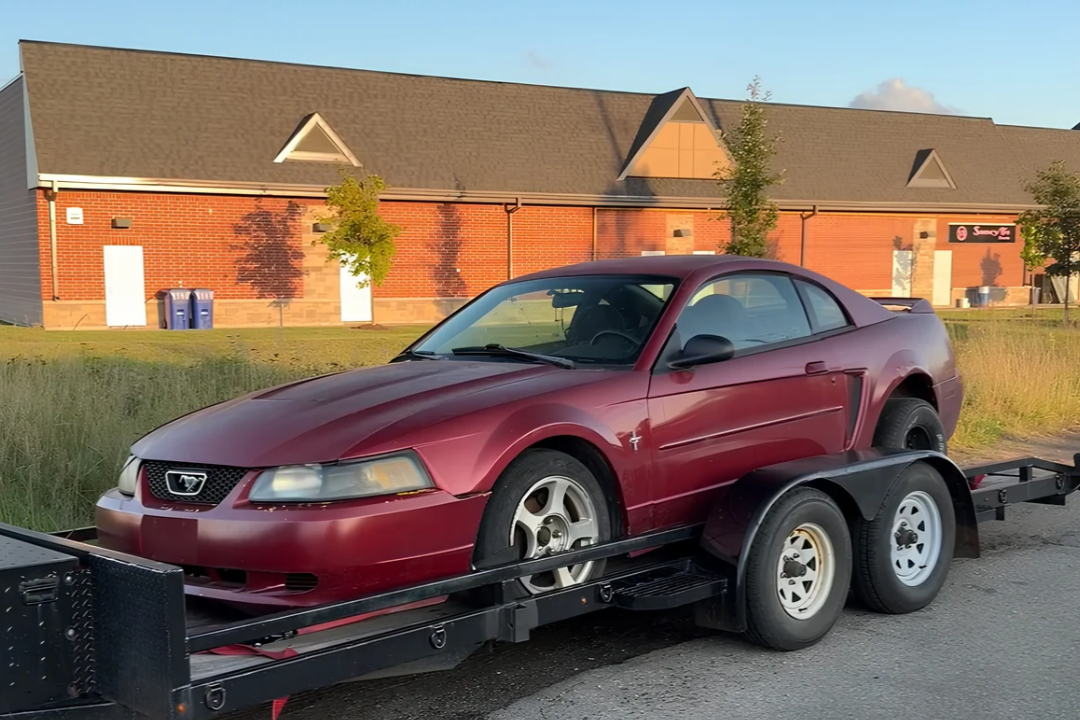
The influence of classic designs on contemporary cars is evident in the styling and engineering of modern vehicles. Automakers often draw inspiration from iconic models, creating designs that pay homage to the past while incorporating advanced technology. For instance, the Ford Mustang has evolved over the years, retaining its distinctive silhouette while embracing modern performance enhancements.
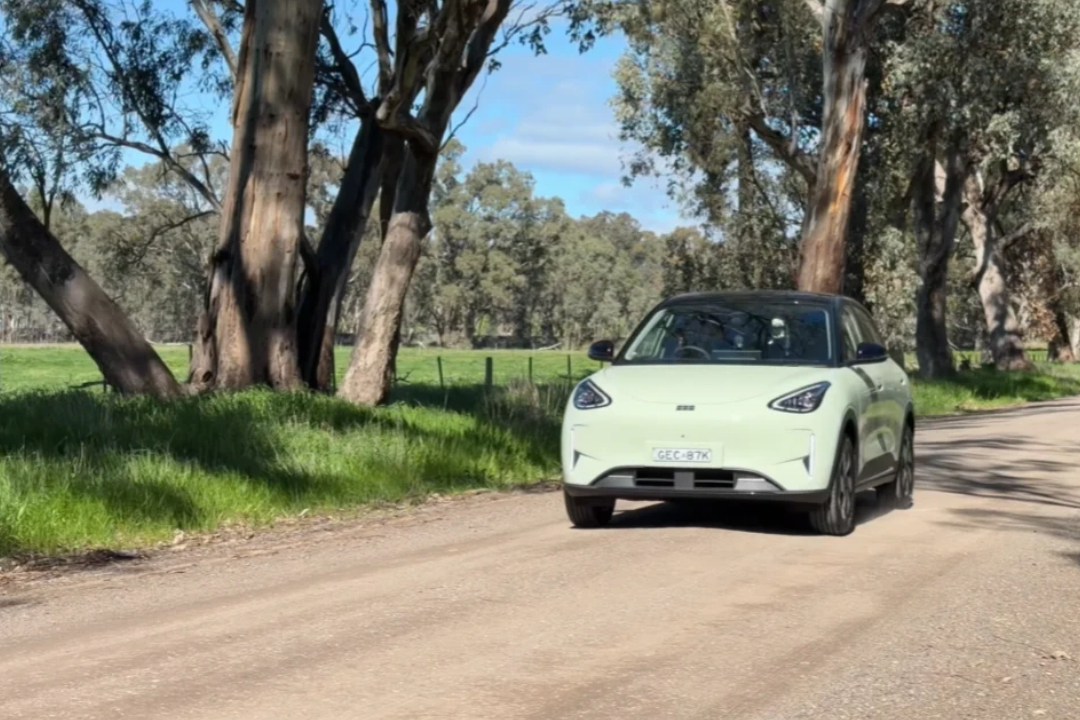
Hybrid and electric adaptations showcase how classic aesthetics can blend with modern technology to promote sustainability. The resurgence of the Volkswagen ID. Buzz, an electric reinterpretation of the classic Microbus, exemplifies this trend. By combining classic design elements with eco-friendly technology, automakers can attract both nostalgic consumers and environmentally conscious buyers.
The future of classic cars is promising, as appreciation for timeless designs continues to grow. With increasing interest in vintage vehicles and the rise of electric and hybrid technologies, I believe we will see more automakers embracing the aesthetics of the past while innovating for the future. This evolution ensures that classic car designs will not only endure but also inspire the next generation of automotive enthusiasts.
More from Fast Lane Only
- Unboxing the WWII Jeep in a Crate
- 15 rare Chevys collectors are quietly buying
- 10 underrated V8s still worth hunting down
- Police notice this before you even roll window down
*Research for this article included AI assistance, with all final content reviewed by human editors.