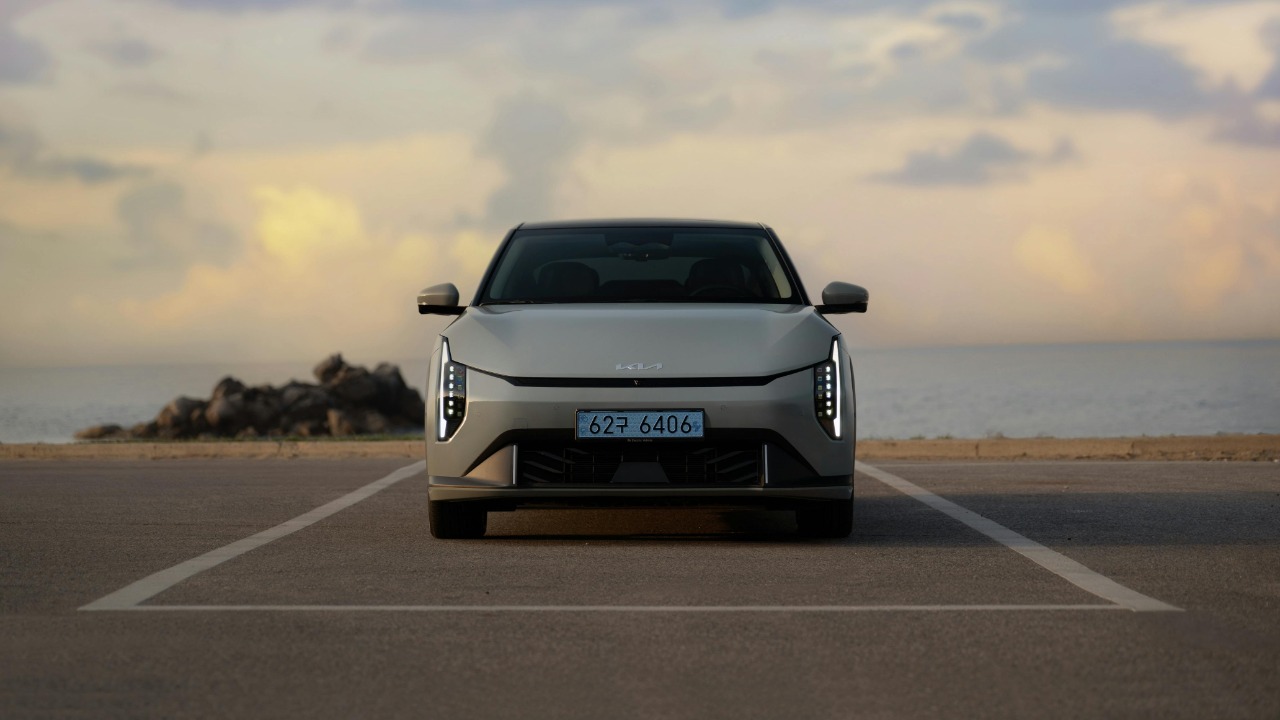
Electric vehicles (EVs) are becoming a mainstay on roads globally, celebrated for their eco-friendly promise and cutting-edge technology. Yet, a perplexing trend is emerging: minor accidents often result in EVs being declared total losses. This pattern raises concerns among owners and industry experts alike, prompting an examination of the factors driving this phenomenon and the broader implications for the automotive sector.
High Cost of Repairing Battery Packs
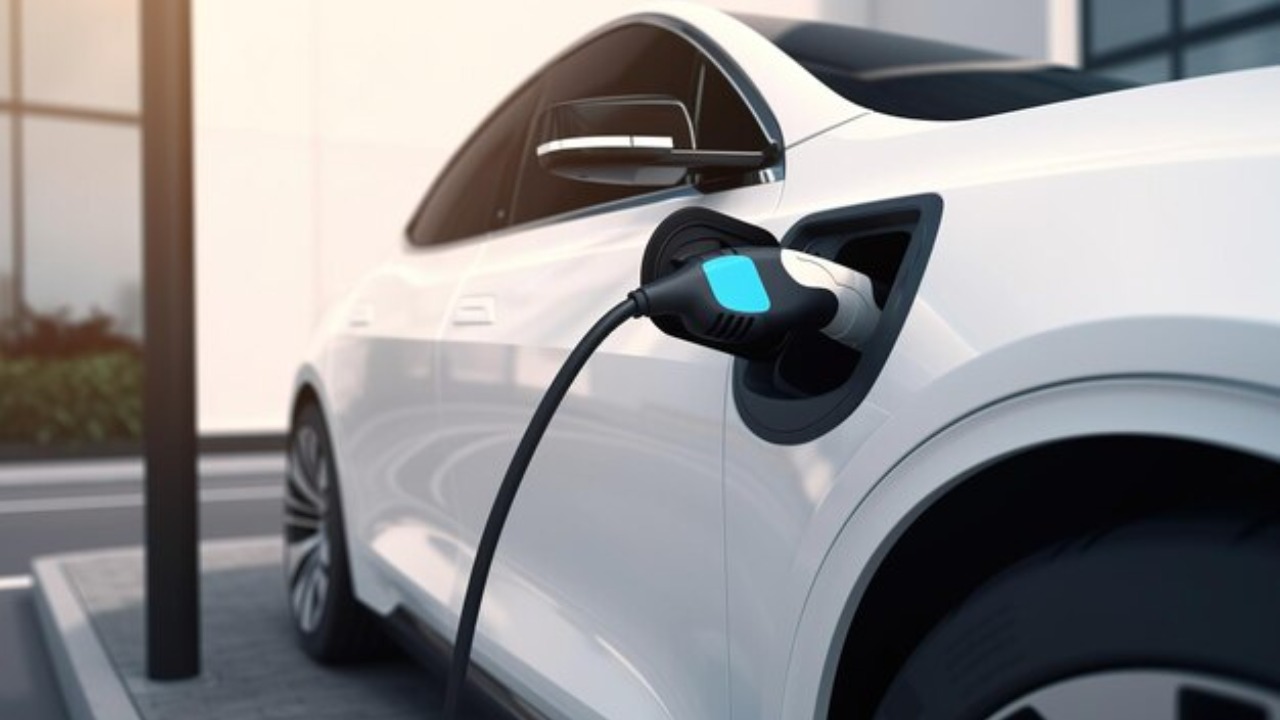
The design and structure of EV battery packs are a primary factor in their vulnerability during collisions. Unlike traditional vehicles, where components are often modular, the battery packs in EVs are typically integrated into the vehicle’s chassis. This integration, while beneficial for performance and space efficiency, makes the batteries more susceptible to damage, even in minor incidents. As a result, the costs associated with repairing or replacing these integral components can be significant. When damage occurs, replacing the battery pack is frequently the only viable option due to the complexity of repairs and the potential for unseen damage. The cost of a new battery pack can sometimes approach or exceed the value of the vehicle itself, leading insurers to declare the vehicle a total loss. Furthermore, strict environmental and safety regulations complicate the repair process. These regulations ensure that repairs meet high safety standards, but they also contribute to increased costs and logistical hurdles, further incentivizing total write-offs.
Insurance Companies and Write-Off Trends
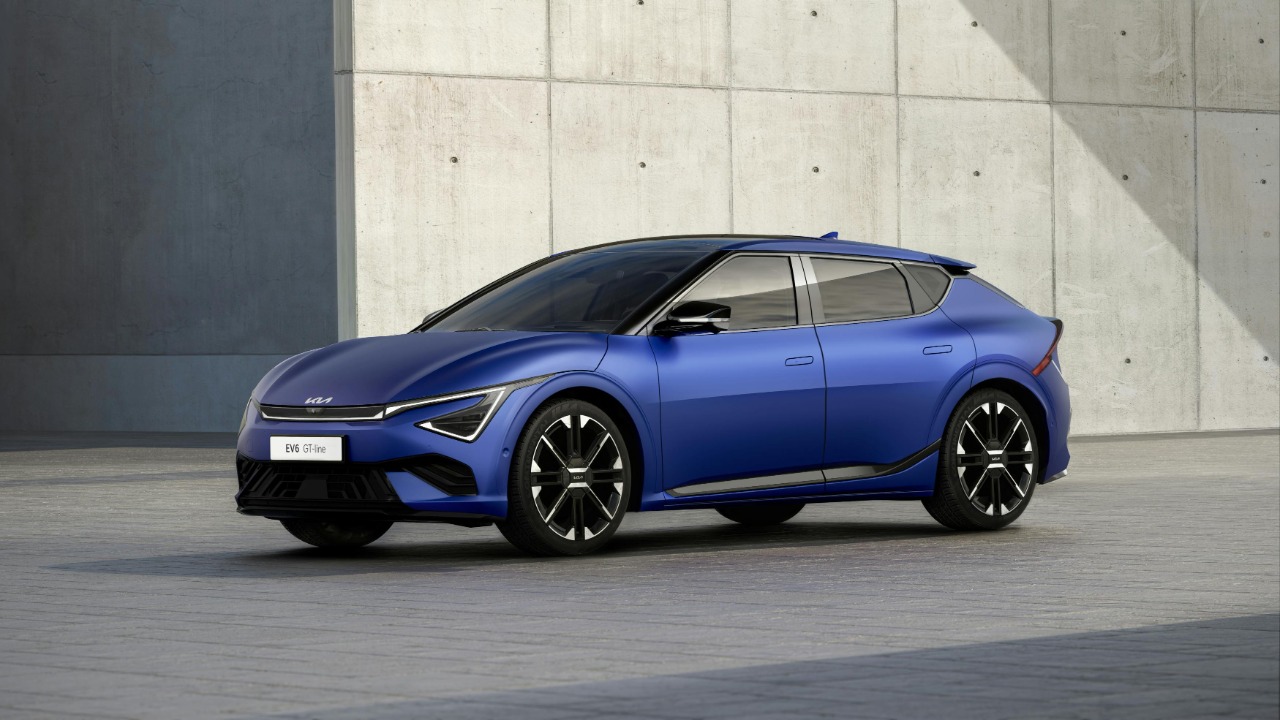
Insurance companies are increasingly encountering higher-than-average loss rates for EVs, as evidenced by recent data. This trend influences decisions to write off vehicles, as insurers weigh the cost of repairs against the vehicle’s value. The higher insurance loss rates for EVs mean that insurers are more likely to consider these vehicles total losses after seemingly minor accidents. From an economic perspective, insurers must make calculated decisions to minimize losses. The high cost of parts and labor, coupled with the potential for hidden damage, often tips the scale toward declaring an EV a total loss. This trend poses significant challenges for the insurance industry, prompting discussions about potential adjustments to current policies to better accommodate the unique aspects of EV repairs. Industry experts suggest that policy changes could help balance the scales, mitigating the financial burden on insurers and consumers alike.
Complexity of EV Technology
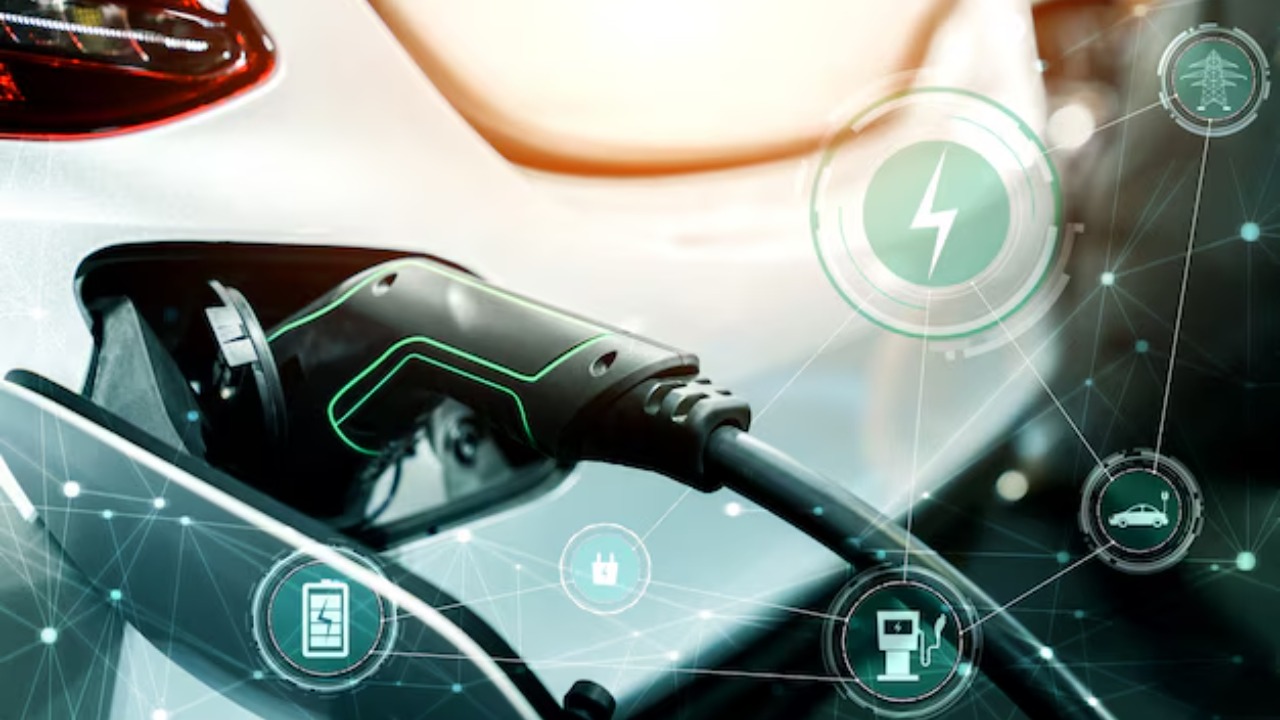
The advanced electronic systems in EVs add another layer of complexity to the repair process. These sophisticated systems are integral to the vehicle’s operation, and damage to even minor components can lead to costly repairs. The intricacies involved in fixing these systems mean that what might be a simple fix in a traditional car becomes a significant undertaking in an EV. Technicians face numerous diagnostic challenges when working on EVs. The specialized nature of the technology requires advanced training and expertise, which not all repair shops possess. As a result, repair timelines and costs can escalate, leading insurers to opt for writing off the vehicle instead. The need for specialized training is evident, as technicians must be well-versed in the latest EV technologies to perform accurate diagnostics and repairs.
Impact on Consumers and Industry
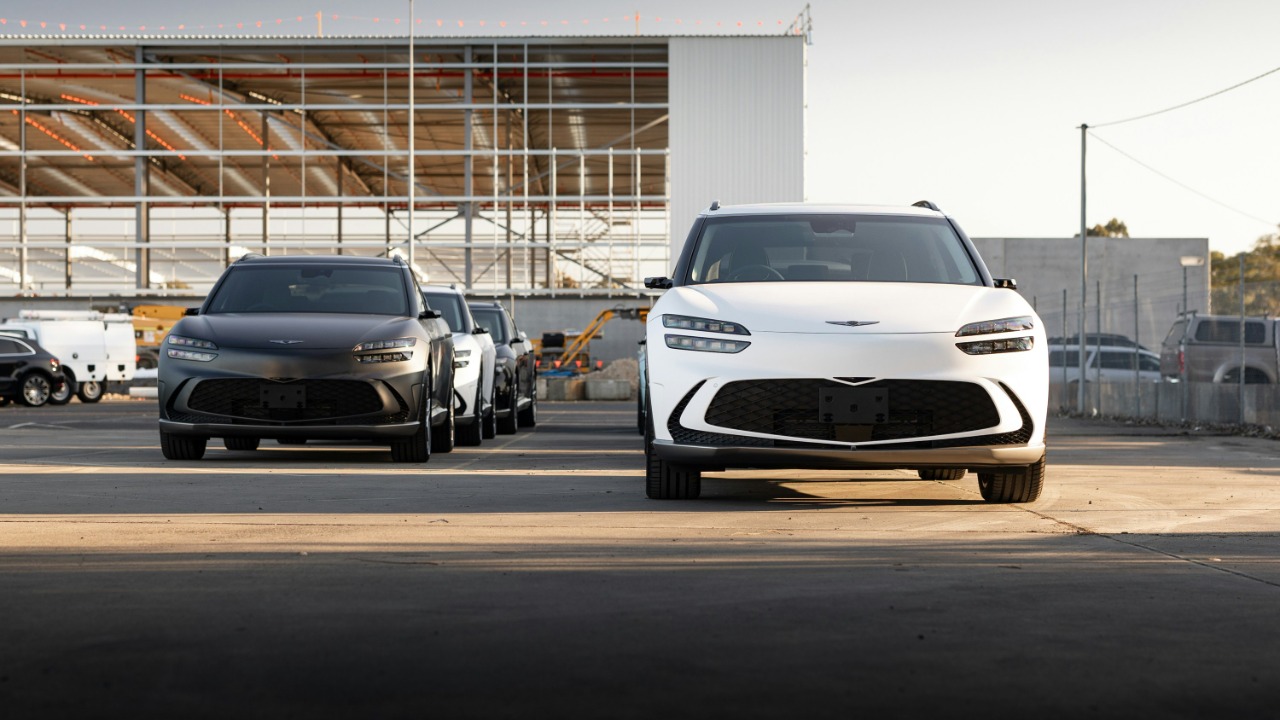
For EV owners, the financial implications of a vehicle being totaled after a minor accident are significant. The loss of a vehicle, especially when it seems repairable, can be a financial burden and a deterrent for prospective buyers. This potential for a loss affects purchasing decisions, as consumers weigh the benefits of EV ownership against the risks of total loss in minor accidents. The perception of EVs in the market could be affected by this trend, potentially impacting sales and consumer confidence. If prospective buyers perceive EVs as more prone to being totaled, they may hesitate to invest in these vehicles. This could have broader implications for the EV market and its growth. However, there is also potential for positive change, as manufacturers and insurers consider adjustments to future EV design and insurance policies to reduce the incidence of total losses. Such changes could bolster consumer confidence and support the continued expansion of the EV market.