Throughout aviation history, many experimental military planes have pushed the limits of technology and design. Some of these aircraft remain lesser-known yet fascinating for their unique contributions to aerospace advancements. Here are seven experimental military planes that you might not have heard of before.
The Avro Canada VZ-9 Avrocar
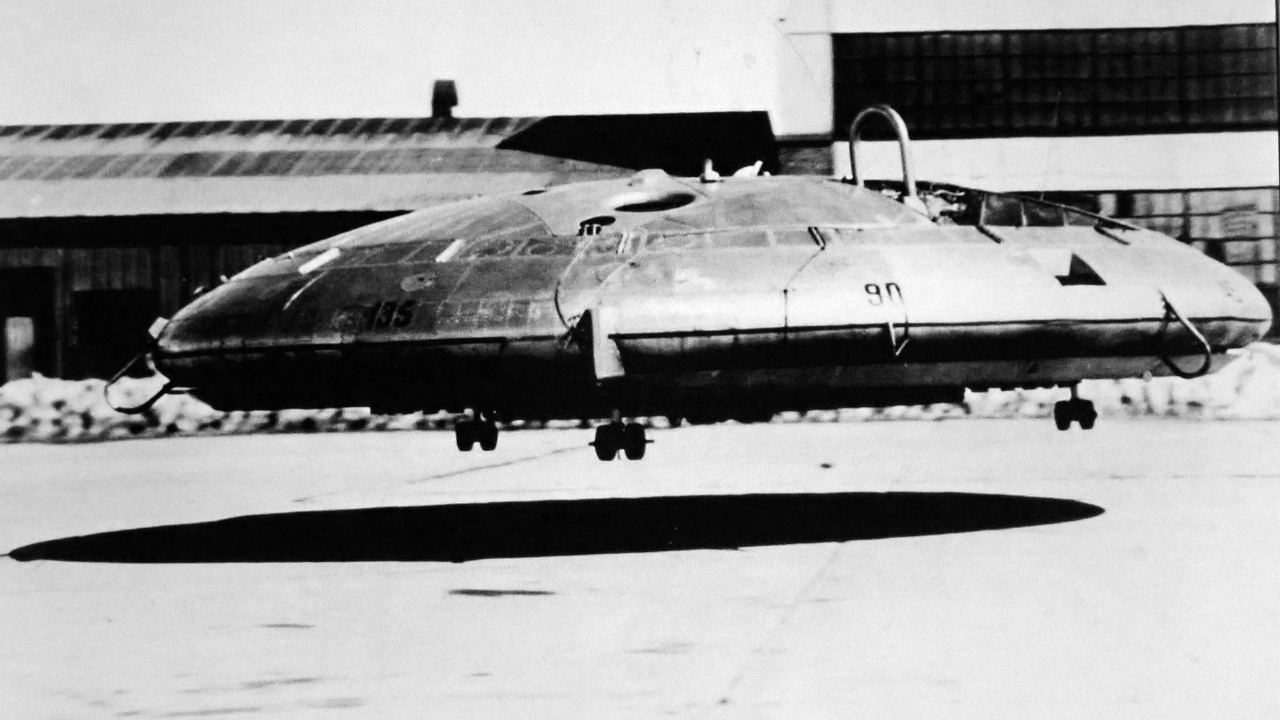
The Avro Canada VZ-9 Avrocar was an ambitious attempt to create a flying saucer that combined vertical takeoff and landing capabilities with the speed of a jet. Developed in the 1950s, this disc-shaped aircraft aimed to be a versatile solution for reconnaissance and transport. Unfortunately, the Avrocar struggled with stability issues, ultimately leading to the project’s cancellation. Despite its shortcomings, the Avrocar remains an intriguing piece of aviation history, offering insights into the challenges of innovative aircraft design.
The Northrop Tacit Blue
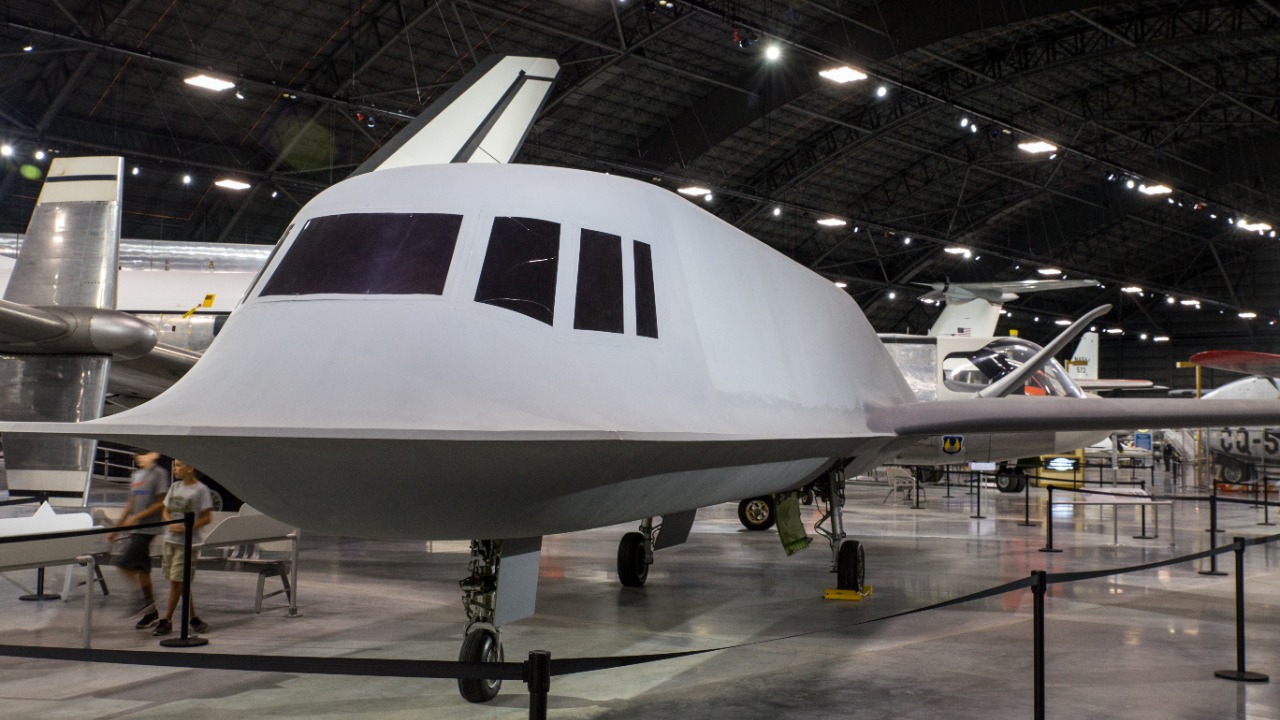
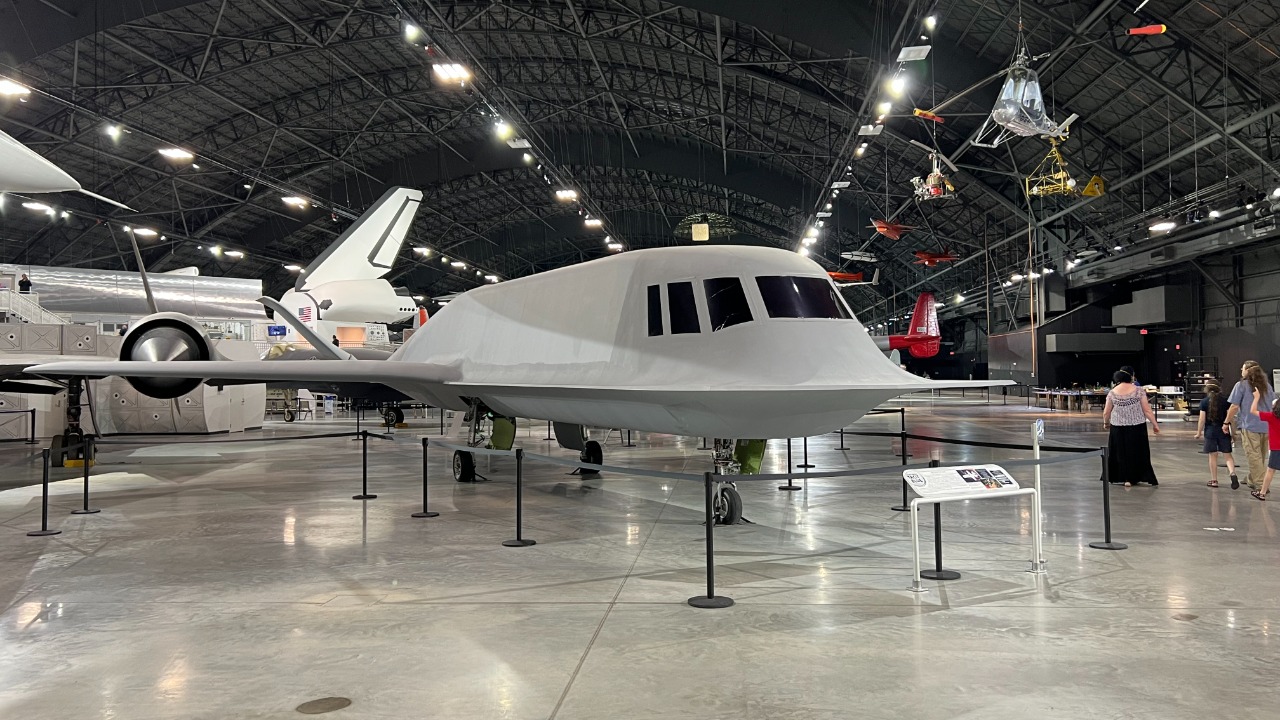
The Northrop Tacit Blue, often referred to as the “Whale,” was a stealth technology demonstrator developed in the 1980s. Its unusual shape and advanced radar-evading capabilities made it a predecessor to modern stealth aircraft. The Tacit Blue conducted over 135 test flights, proving crucial concepts in low-observable technology. This experimental aircraft contributed significantly to the eventual development of the B-2 Spirit bomber. For more on experimental aircraft, check out this comprehensive list.
The Boeing X-20 Dyna-Soar
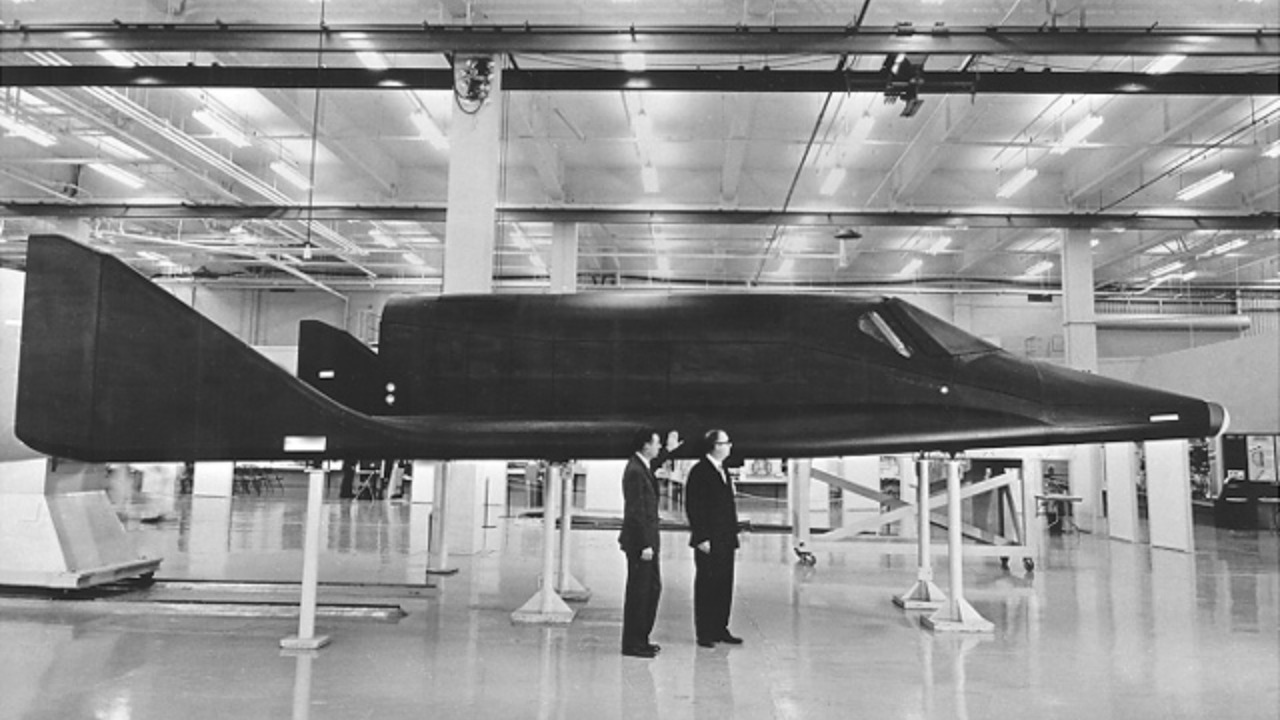
Envisioned as a spaceplane, the Boeing X-20 Dyna-Soar aimed to bridge the gap between aircraft and spacecraft. Proposed in the late 1950s, this ambitious project intended to conduct reconnaissance, bombing, and space rescue missions. Although the Dyna-Soar never left the ground due to budget constraints and shifting priorities, it laid the groundwork for future spaceplane concepts like the Space Shuttle. The Dyna-Soar’s legacy can be seen in its influence on modern aerospace design and engineering.
The Lockheed Martin X-44 MANTA
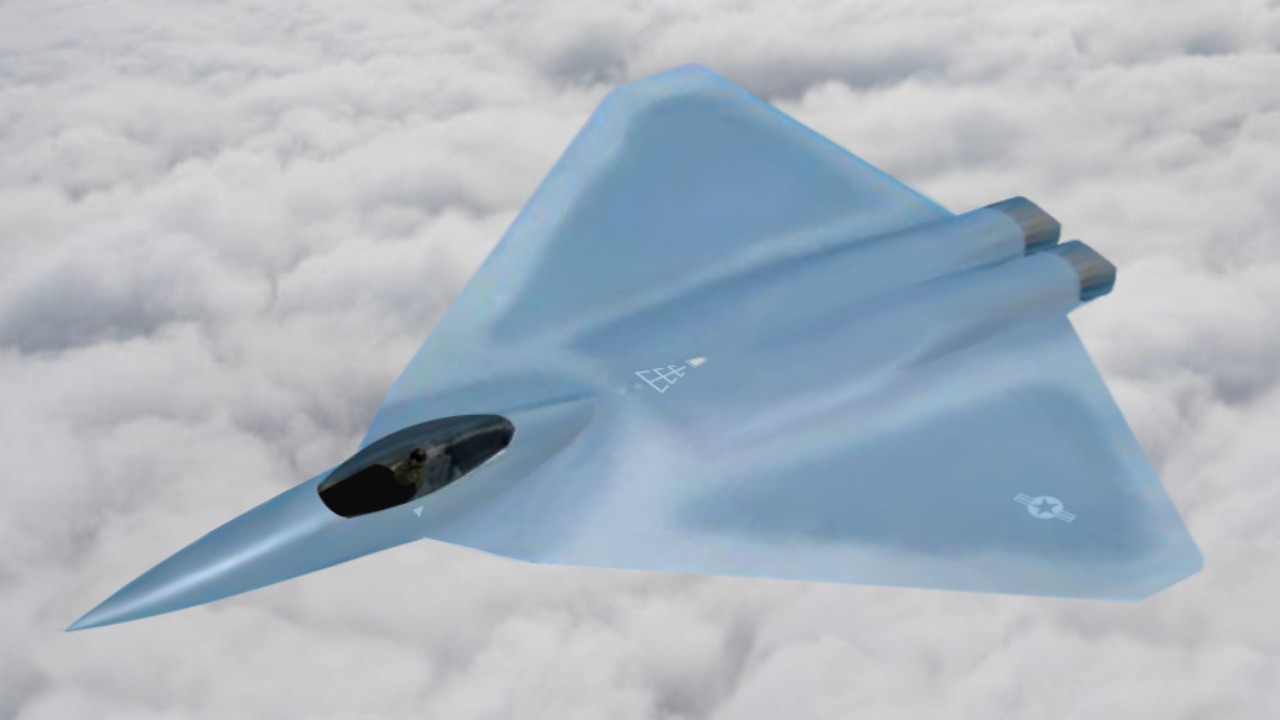
The Lockheed Martin X-44 MANTA, or Multi-Axis No-Tail Aircraft, was an experimental project focused on tailless aircraft design. By utilizing vector thrust for control, the X-44 sought to enhance maneuverability and reduce radar cross-section. Though it never progressed beyond the concept phase, the MANTA provided valuable research data that influenced numerous stealth and fighter aircraft advancements. The project demonstrated the potential of tailless designs in modern military aviation.
The McDonnell Douglas X-36
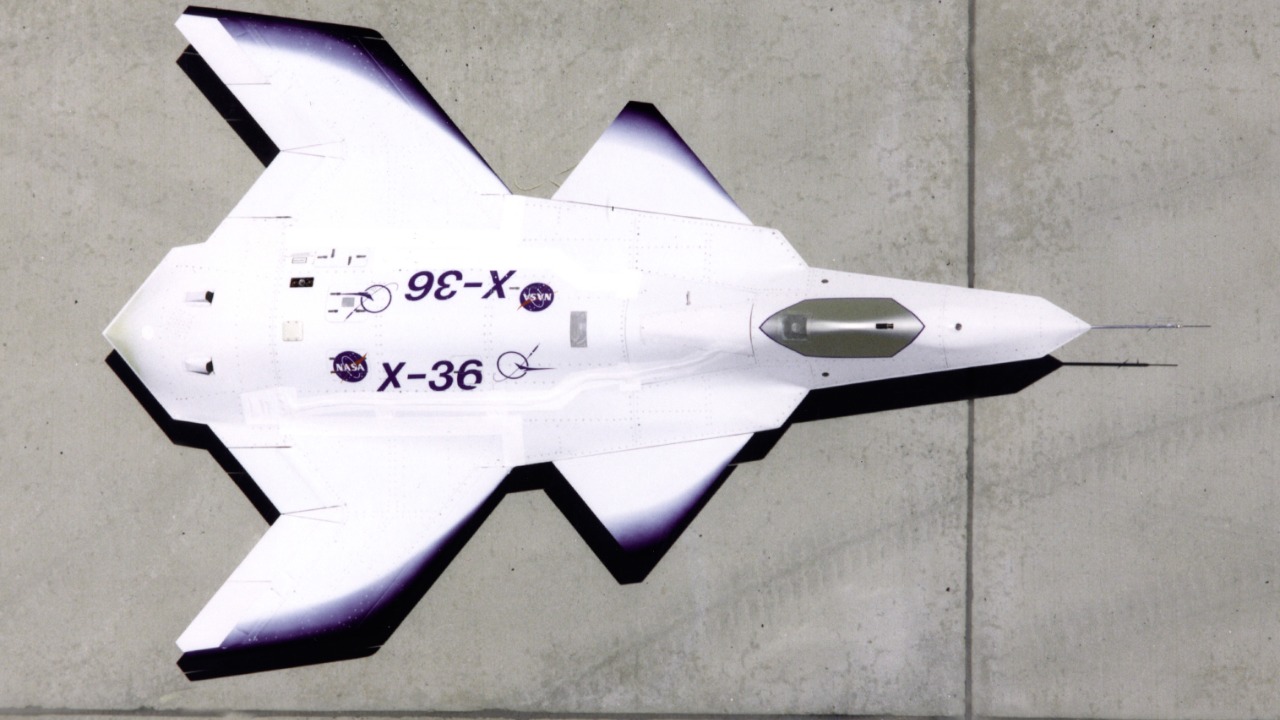
The McDonnell Douglas X-36 was an unmanned aerial vehicle developed in the 1990s to explore advanced fighter aircraft configurations. Without a vertical tail, the X-36 relied on thrust vectoring and advanced control systems for stability. This innovative design resulted in exceptional agility and stealth capabilities. Although the X-36 was a technology demonstrator, its findings have influenced the development of next-generation fighter jets, showcasing the potential of unconventional airframe designs in military aviation.
The Convair XF-92
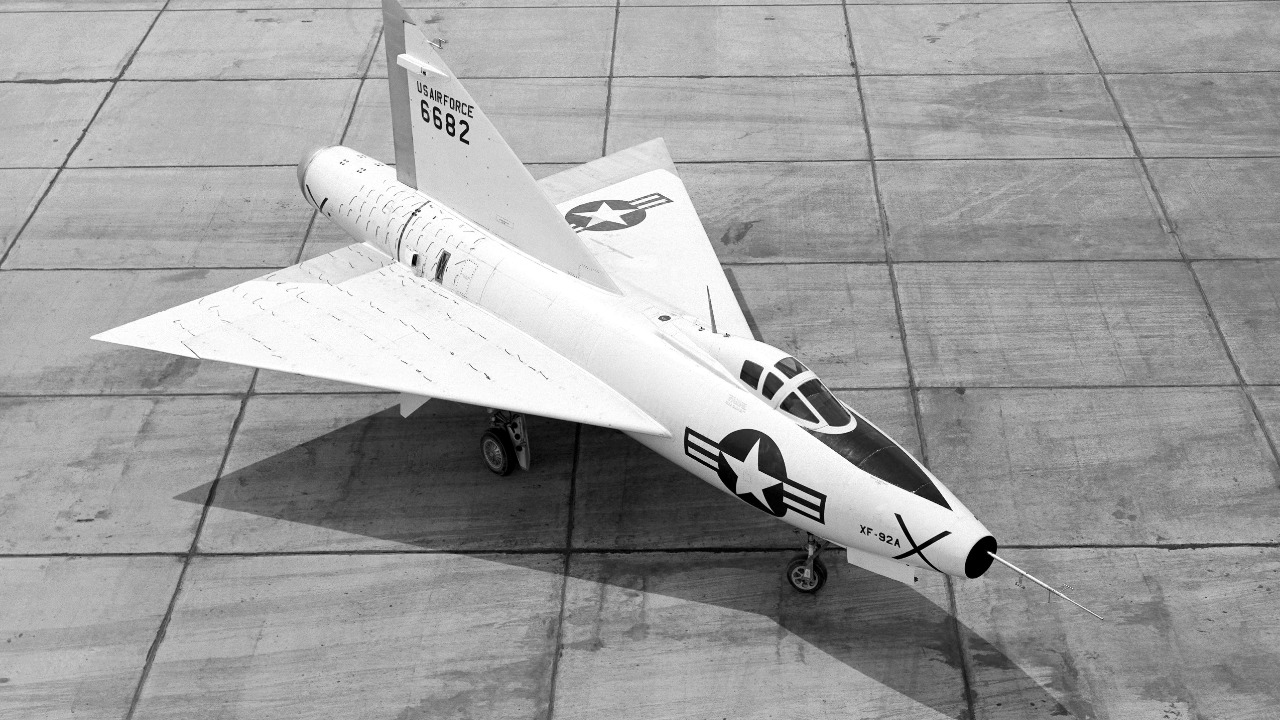
The Convair XF-92 was the United States’ first attempt at creating a delta-wing aircraft. Developed in the late 1940s, the XF-92 aimed to explore high-speed flight and aerodynamic stability. While only a single prototype was built, the XF-92’s design influenced subsequent aircraft, including the Convair F-102 Delta Dagger. The XF-92 remains a significant milestone in aviation history, illustrating the evolution of jet technology and experimental aircraft development. For more on experimental aircraft, explore this detailed study.
The Ryan X-13 Vertijet
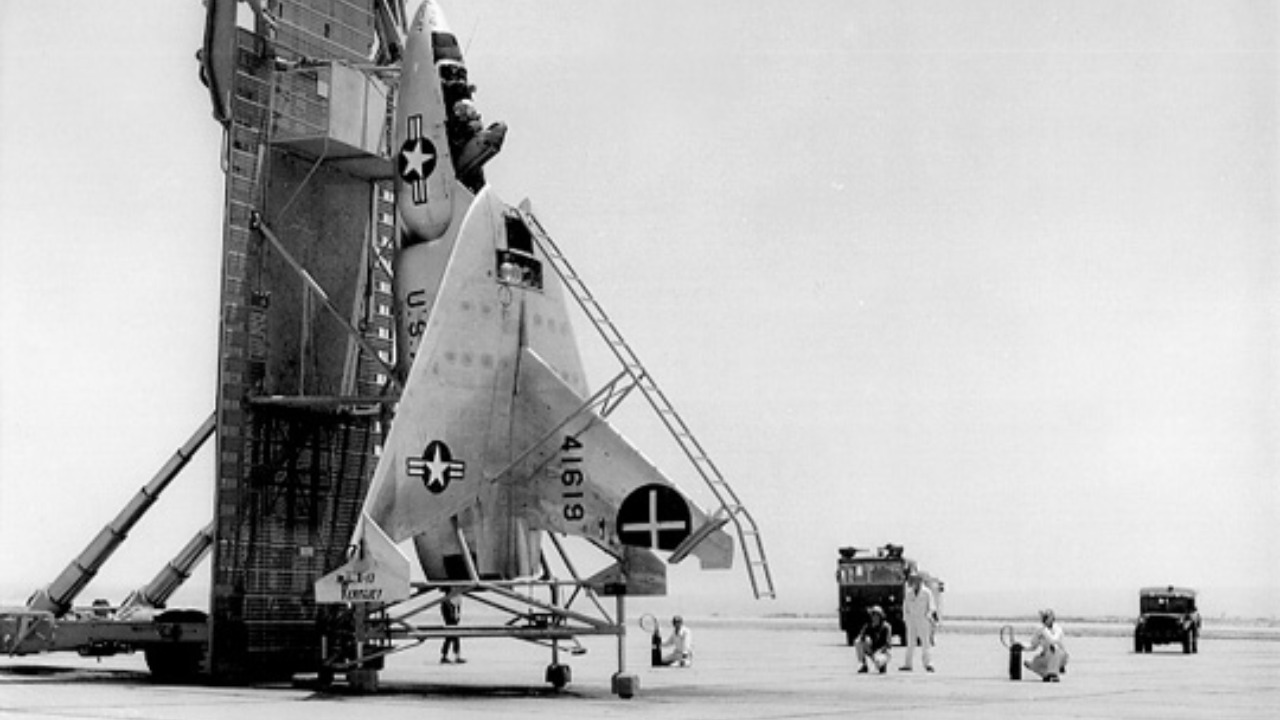
The Ryan X-13 Vertijet was an innovative attempt to create a vertical takeoff and landing (VTOL) jet aircraft. Developed in the 1950s, it was designed to launch and land vertically from a mobile platform. Although the Vertijet successfully demonstrated VTOL capabilities, it faced limitations in range and payload capacity. Despite these challenges, the X-13 contributed valuable insights into the development of modern VTOL aircraft, paving the way for future advancements in military aviation technology.