Across America, some bridges are so unnerving that otherwise steady drivers tense up, slow down, and clamp their hands around the steering wheel. Height, exposure to wind and water, and the sheer length of certain spans can turn a routine commute into a white-knuckle crossing, even when engineers insist the structure is sound.
I have found that what rattles drivers most is not only the physical risk, which is relatively rare, but the feeling of being trapped in a narrow, elevated corridor with nowhere to pull over and no easy way out. That mix of real hazards and imagined catastrophes helps explain why a handful of bridges across the United States inspire outsize dread, and why some people now pay others to drive them across.
When a vital link feels like a tightrope
Some of the most feared bridges in America are also among the most important, carrying commuters, tourists, and freight across bays and rivers that would otherwise be major barriers. The Chesapeake Bay Bridge in Maryland is a prime example, a critical connection that still leaves a subset of drivers frozen with anxiety as they approach its long, exposed roadway. People describe the way the bridge rises, curves, and narrows as it crosses open water, and that combination of height and curvature can make even confident motorists feel as if they are inching along a tightrope with no margin for error, a perception echoed by drivers who say Many do not like the bridge because of the height and the turns.
That sense of exposure is not unique to Maryland. Across the United States, a small group of spans has earned reputations as structures that drivers will go miles out of their way to avoid, even when they are the most direct route. Lists of America’s scariest crossings often mention long, high bridges that run over open water or sit in windy coastal corridors, and some of these routes have become so notorious that people now hire professional drivers to take their vehicles across for them, a service that has grown around at least one U.S. bridge described as so terrifying that anxious motorists pay others to handle the crossing for them, especially when storms reduce visibility and amplify their fears, according to one report.
How fear of bridges takes hold
For some drivers, the dread that builds before a big span is more than simple nerves, it is a recognized anxiety condition known as gephyrophobia, a fear of bridges that can trigger intense physical symptoms. People who live with this phobia describe sweating, shaking, and racing thoughts as they approach a crossing, and some say they will plan entire routes around avoiding certain structures, even if that means adding hours to a trip, a pattern described in detail in coverage of Crossing for people who fear bridges.
Experts note that this fear often overlaps with other conditions, especially acrophobia, the Fear of Heights, and intrusive thoughts about what might happen if a driver lost control or the structure failed. Mental health specialists describe how someone might Imagine driving onto a high bridge and suddenly picture their car veering off the edge or the roadway collapsing, even when there is no evidence of danger, a pattern of obsessive thinking that can feed panic and avoidance, as explained in guidance on Acrophobia and bridge related obsessions.
Design quirks that turn crossings into ordeals
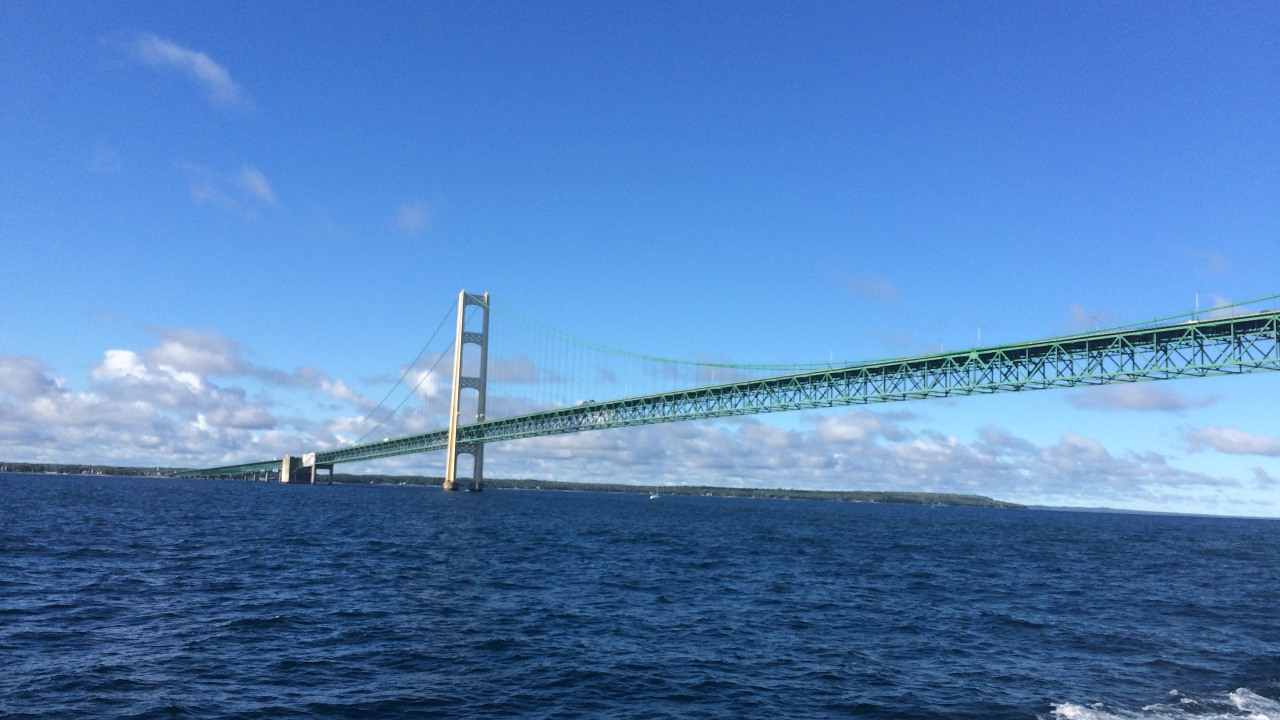
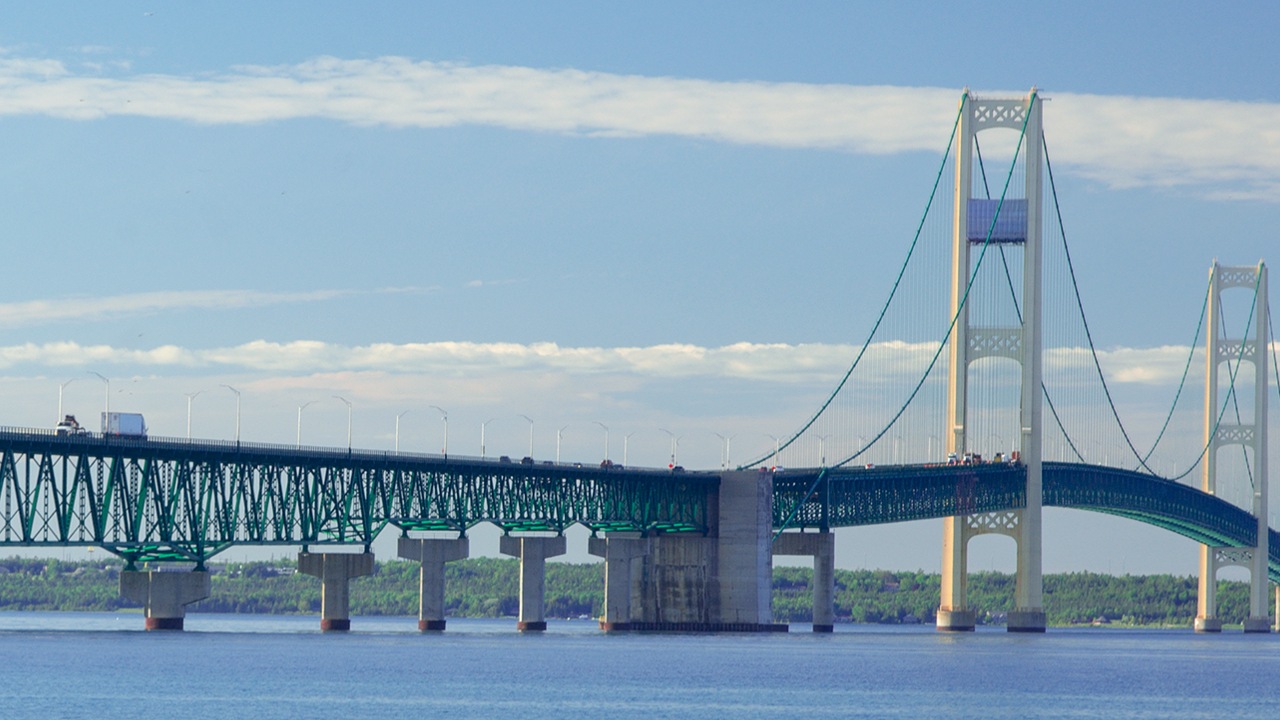
Not every intimidating bridge is old or structurally suspect, and some of the most unnerving spans are modern engineering feats that simply feel extreme from behind the wheel. The Mackinac Bridge, which connects parts of Michigan, is a case in point, a massive suspension structure that rises high above the water and can feel exposed in strong winds even though it is maintained to rigorous standards. Travel features have pointed out that, Surprisingly, not all of the world’s scariest bridges are aging relics, and they often single out the Mackinac Bridge as a modern span that still spooks drivers, a reputation reinforced by trucking analyses that list The Mackinac Bridge in Michigan as a structure known for its steepness and height, with the roadway sitting 200 feet above the water at midspan, according to Key Takeaways for truckers.
Other bridges unsettle people because of how confined and unforgiving they feel once a driver is committed to the span. Narrow lanes, minimal shoulders, and heavy traffic can create a sense of being boxed in, especially in dense regions such as New York, where legal guidance on What Are the Dangers of Driving on Bridges in New York notes that confined space and limited room to maneuver increase the risk of vehicles colliding with each other on Bridges, particularly When traffic is heavy and drivers have little margin for error, a dynamic that can make even short crossings feel tense for those already on edge.
Real risks versus imagined catastrophes
Part of what makes bridge anxiety so stubborn is that it blends legitimate safety concerns with worst case scenarios that are statistically rare. Any elevated roadway carries some risk of collision, and legal analyses of What Are the Risks of Driving on a Bridge emphasize that the main danger is the same as on any road, a Car crash that can injure drivers and passengers. On a bridge, however, there is less room to pull over, fewer escape routes, and the added fear of being above water or another roadway, which can magnify the perceived stakes of even a minor fender bender, as personal injury guides on how to survive a bridge accident in the United States point out when they describe why some of the largest spans now offer driver services for those who feel too anxious to cross on their own.
Weather compounds those worries, especially on long, exposed structures where wind gusts and sudden crosswinds can push at a vehicle. Driver training materials advise motorists to Grip the wheel firmly and Expect a push when crossing exposed bridges in storms or when passing large trucks, a reminder that physics, not just psychology, shapes how a crossing feels, as explained in learner guidance on Grip the steering wheel in high winds. When visibility drops in heavy rain or fog, that physical instability merges with the fear of not seeing lane markings or other vehicles, a combination that some drivers on particularly notorious U.S. spans say is enough to convince them to pay someone else to take the wheel, according to accounts of a U.S. bridge so terrifying that people hire drivers when storms make it hard to see anything to be afraid of.
When fear reshapes daily life
For a subset of drivers, fear of bridges is not an occasional spike of anxiety but a force that reshapes routines, careers, and even where they choose to live. Mental health experts who study gephyrophobia say the condition is common and can be especially intense for people who already feel trapped, or who are afraid of heights, a point underscored by psychologist Kevin Chapman, who has described how some patients experience panic attacks at the mere thought of driving over a large span. After high profile incidents, such as a major bridge collapse, therapists report spikes in calls from people who had previously managed their fears but now find themselves replaying disaster scenarios whenever they see a long elevated roadway, a pattern that recent coverage framed under the question How common is gephyrophobia.
That anxiety can be compounded when a bridge is the only practical route to work or family, forcing people into daily confrontations with their phobia. In some regions, counseling resources point to specific structures, such as the George Washing crossing and the Chesapeake Bay Bridge Tunnel (CBBT) system in Virginia, as examples of spans that can trigger intense fear because they combine long distances over water with limited exits, a mix that can make drivers feel trapped mid span, according to clinical discussions of how the George Washing example illustrates bridge phobia. When avoidance is not an option, some people turn to exposure based therapy, medication, or practical workarounds like scheduling crossings at off peak hours, while others rely on paid driver services that have sprung up around some of America’s most intimidating bridges to help those who simply cannot bring themselves to drive across.
Truckers, traffic, and the weight of responsibility
Professional drivers experience bridge anxiety through a different lens, one shaped by the size and weight of the vehicles they operate and the responsibility they carry for cargo and other road users. For truckers, guides to America’s Toughest Bridges for Truckers and How to Handle Them stress that bridges are not just another stretch of highway but complex environments where steep grades, sharp curves, and strong crosswinds can make it harder to control a fully loaded rig, and where a mistake can have outsized consequences. Those guides urge drivers to plan routes carefully, reduce speed before entering exposed spans, and understand how to Handle Them safely, especially on structures that combine height, length, and heavy traffic.
Even for everyday motorists, the presence of large trucks on a narrow bridge can heighten tension, particularly when lanes are tight and there is little shoulder. Legal analyses of What Are the Dangers of Driving on Bridges in New York highlight how confined space and high volumes of vehicles increase the risk of sideswipes and rear end collisions, especially When drivers misjudge distances or react suddenly to wind gusts or lane changes. On some of the country’s most notorious spans, that mix of trucks, cars, and limited room to maneuver feeds into the broader reputation of certain bridges as places where even confident drivers instinctively grip the wheel a little harder, a response that reflects both the real demands of the environment and the stories that have grown up around these crossings across America.
More from Fast Lane Only: