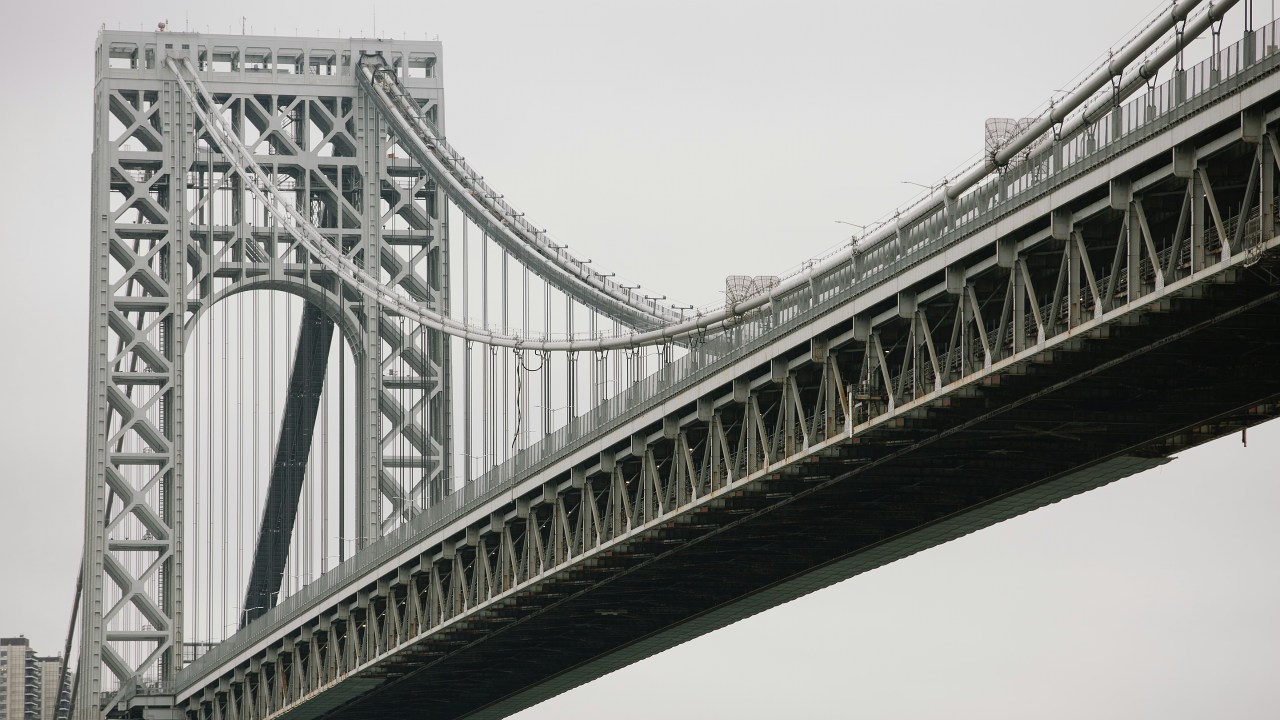
Across the United States, some bridges inspire a level of dread that no reassuring inspection report can erase. Even as engineers certify these spans as sound, thousands of drivers slow to a crawl, grip the wheel until their knuckles whiten, or avoid the route altogether.
Those moments of hesitation are not just quirks of personality, they reveal how fear, infrastructure and trust intersect on some of the country’s most important crossings. From the Chesapeake Bay to the Straits of Mackinac, I see the same pattern repeat: bridges that are structurally safe on paper still feel too high, too long or too exposed for a significant share of the people who rely on them.
Why some bridges feel terrifying even when they are safe
Engineers tend to see a bridge as a set of calculations, but drivers experience it as a moving tunnel of risk, with water or empty air just beyond the guardrail. Psychologists describe a specific phobia of bridges, often called Gephyrophobia, as a persistent and irrational fear that can turn an ordinary commute into a terrifying prospect. For some people, the combination of height, exposure to wind and the sense of being suspended over water or city streets triggers the same fight‑or‑flight response as standing on a cliff edge.
That reaction is powerful enough that drivers will sometimes go miles out of their way to avoid a single span. Reporting on America’s scariest bridges describes motorists who plan entire trips around bypassing certain crossings, even when that means extra fuel costs and time. Both the length and the height of a structure can amplify the fear, and as one account of gephyrophobic drivers notes, the anxiety can strike not only behind the wheel but also as a passenger, leaving people feeling trapped until they reach solid ground again.
The Chesapeake Bay Bridge and the rise of paid “bridge chauffeurs”
Few structures capture this tension between necessity and fear as vividly as the William Preston Lane Jr Memorial Bridge in Maryland, better known as the Chesapeake Bay Bridge. The span carries traffic high above the Chesapeake Bay, with long stretches where drivers see little but water and sky, and that exposure has made it one of the crossings that many drivers quietly dread. Some Marylander commuters describe disliking the bridge because of its height, the way it turns, and the unnerving sensation as they approach the crest without seeing the road on the other side, concerns echoed in coverage of drivers who fear the Chesapeake Bay Bridge.
The anxiety is intense enough that a small industry has emerged to help people cross. Earlier this year, local reporting highlighted a Maryland company that, for a fee, will meet nervous motorists at a truck weigh station off Oceanic Drive on the western shore of Chesapeake Bay, take the wheel, and deliver them and their vehicles safely to the other side. The service, described in detail in accounts of chauffeurs helping on the Chesapeake Bay and in a local television segment on those “scared of driving over bridges,” has turned what might seem like a niche fear into a viable business model. One driver told a reporter that a single call from a customer was enough to convince the owner to expand the service, a sign of how many people are willing to pay simply to avoid the stress of crossing the water on their own.
Mackinac and other bridges where help is built into the system
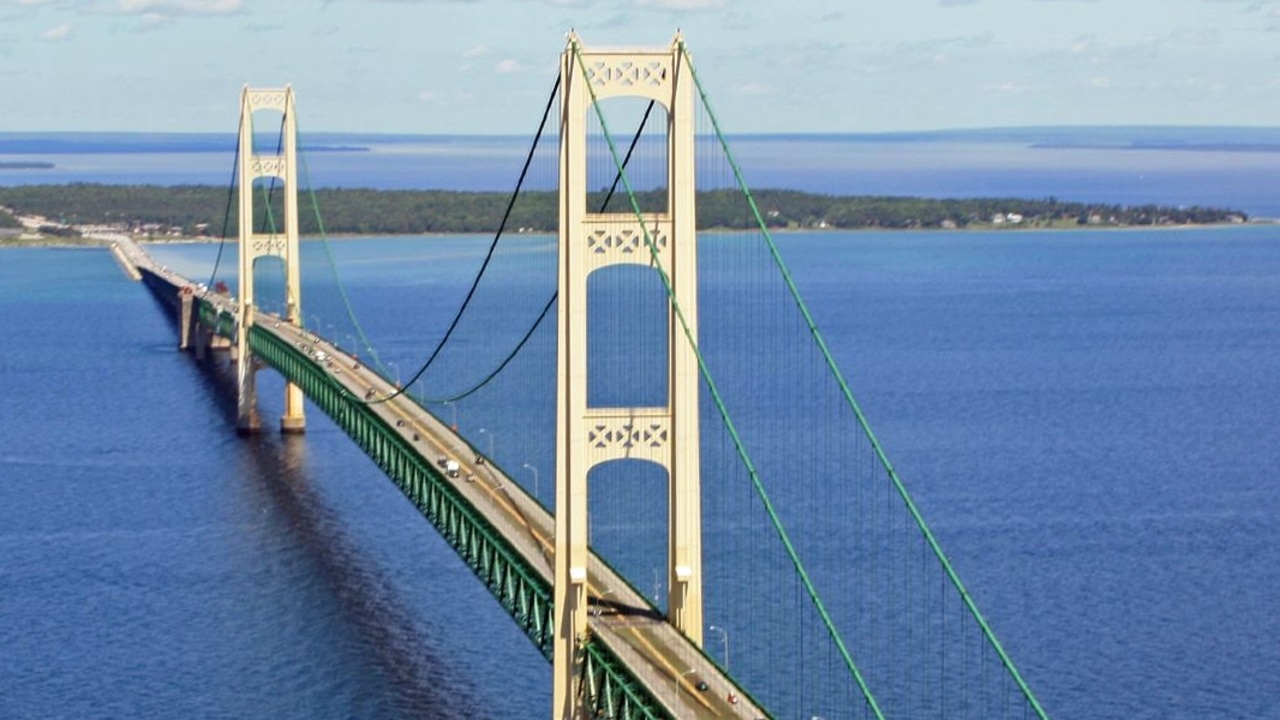
In some places, the response to bridge fear is not entrepreneurial but institutional. The Mackinac Bridge in Michigan, a five mile suspension span that links the state’s Upper and Lower Peninsulas, has long been a source of anxiety for drivers who feel exposed as they climb high above the Straits of Mackinac. Rather than leave those motorists to fend for themselves, the bridge authority offers a service where staff will drive a person’s vehicle across if they are too frightened to do it, a practice described in both a national feature on terrified motorists at The Mackinac Bridge and a local explainer on how to Find transport services there.
That kind of built‑in assistance acknowledges that for some people, the fear is not a minor case of nerves but a potential trigger for panic attacks in the middle of live traffic. Bridge staff have described motorists who freeze in the lane or call ahead in tears, asking for help before they even reach the tollbooth. By normalizing the option of handing over the keys for a few minutes, the Mackinac system quietly treats gephyrophobia as a safety issue rather than a personal failing, a model that other regions are now echoing with their own versions of escorted crossings and on‑call drivers.
How fear of bridges fits into broader driving anxiety
Fear of bridges rarely exists in isolation. Many drivers who struggle with these crossings also report a wider pattern of driving anxiety, especially in situations that combine speed, height and limited escape routes. Guides on driving anxiety list bridges alongside motorways and tunnels as common triggers, noting that the fear can be linked to a fear of heights and can vary in its severity from mild unease to full‑blown panic.
Clinicians who specialize in phobias emphasize that, like other specific fears, gephyrophobia responds to treatment. The psychotherapy literature on fear of bridges describes approaches that combine gradual exposure, cognitive reframing and, in some cases, medication to help people regain a sense of control. In a short video clip about Maryland drivers rattled by a recent bridge incident, Dr. Kanwar encourages those who are struggling to seek help if they need it, a reminder that white‑knuckling through the fear is not the only option and that professional support can make the difference between avoidance and confidence.
When fear meets aging infrastructure
There is another layer to American bridge anxiety that has nothing to do with heights or open water and everything to do with trust in the underlying structure. According to the Overview of Bridges There in the 2021 infrastructure report card, there are more than 617,000 bridges across the United States. Currently, 42% of all bridges are at least 50 years old, and a significant share are rated in poor condition. The American Society of Civil Engineers has warned that drivers cross more than 45,000 structurally deficient U.S. bridges every day, a statistic that can make even a calm driver glance uneasily at the rust on a girder or the patched concrete under their tires.
For people already primed to worry, those numbers can turn a manageable fear into a conviction that the worst will happen on their next crossing. I have spoken with drivers who say they are less afraid of the height of a bridge than of the idea that deferred maintenance or hidden corrosion might cause a collapse while they are on it. When they hear that the Amer infrastructure report card gave the country’s overall systems a middling grade, they interpret it as confirmation that their anxiety is justified. In that sense, the fear that keeps some motorists from crossing certain bridges is not purely irrational, it is entangled with real questions about how quickly the country is repairing or replacing aging spans.
Helping drivers cross the bridges they still avoid
As gephyrophobia becomes more visible, responses are emerging at every level, from individual coping strategies to organized escort programs. On the Delaware River, for example, officers have been filmed helping drivers who are too frightened to cross on their own, talking them through the process or taking the wheel while explaining that the height can feel extreme and joking that it might “give you a nose bleed cuz you’re so high up in the air technically,” a moment captured in a video of officers assisting bridge‑shy motorists. That kind of practical, on‑the‑spot support mirrors what is happening in Maryland and Michigan, where formal services and bridge staff step in before fear turns into a traffic hazard.
At the same time, mental health professionals and driving instructors are trying to address the problem further upstream. Resources on overcoming nerves on the road encourage drivers to practice relaxation techniques, plan crossings at quieter times, and, when necessary, work with therapists who understand phobias. In Maryland, Dr. Kanwar’s advice to “get the help if they need it at this time” in a widely shared short video reflects a broader shift toward treating fear of bridges as a legitimate health concern rather than a punchline. The result is a patchwork of solutions, from paid chauffeurs on the Chesapeake Bay Bridge to official driver‑assist programs on The Mackinac Bridge, all aimed at one simple goal: helping people cross the spans they still hesitate to face, without feeling ashamed or unsafe.
More from Fast Lane Only: