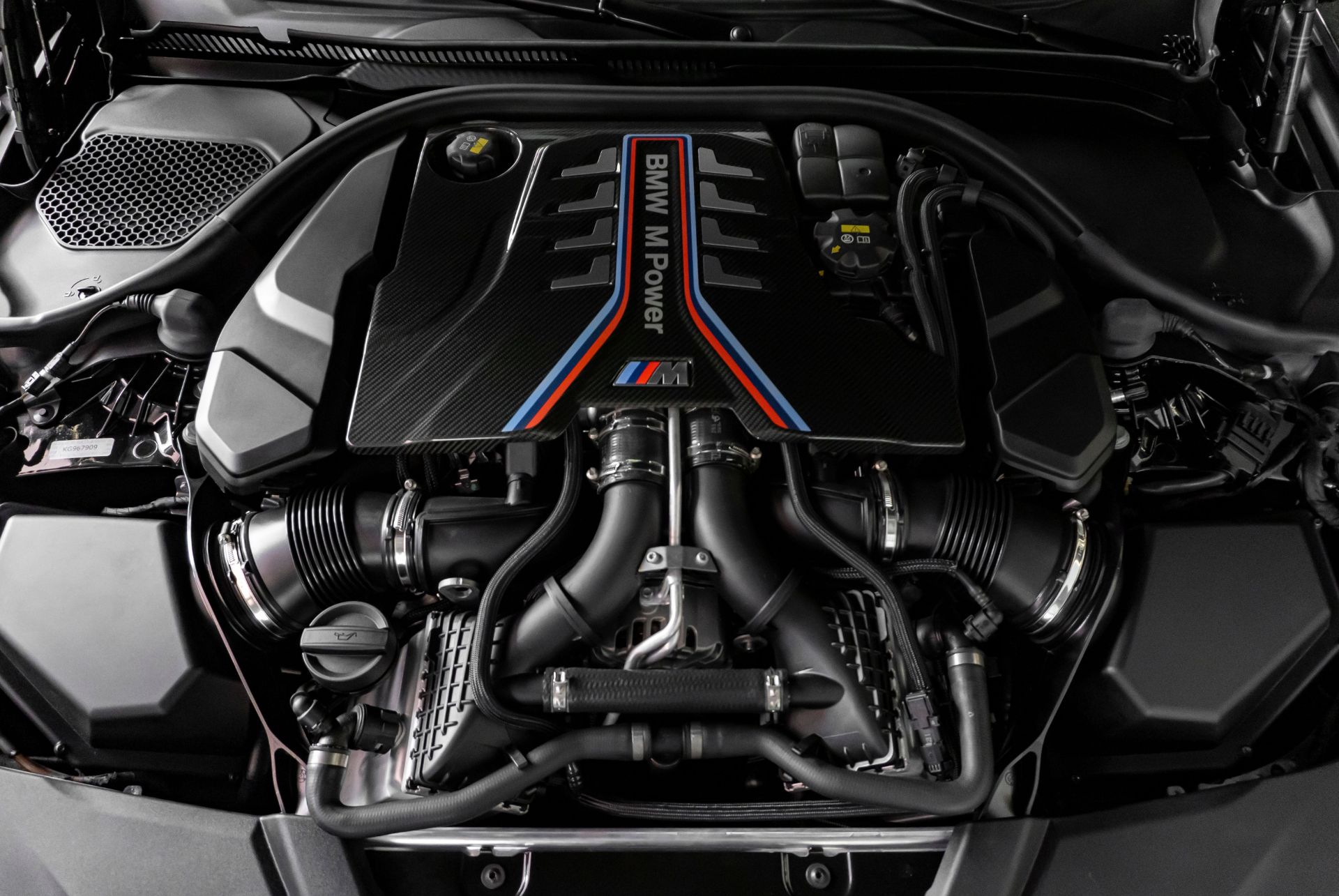
Even as automakers pour billions into batteries and software, a stubborn mechanical constant keeps resurfacing in product plans and enthusiast wish lists: the V8 engine. Downsizing, turbocharging and electrification were supposed to relegate eight cylinders to the history books, yet some of the industry’s most influential brands are quietly, and sometimes loudly, refusing to let them go. The reasons reach far beyond nostalgia, touching performance, engineering pragmatism and shifting political winds.
What keeps the V8 alive is not a single breakthrough but a convergence of torque-rich drivability, durable design and a regulatory environment that has become less hostile to large-displacement engines. For manufacturers that still build them, the V8 has evolved from a mass-market workhorse into a strategic flagship, a piece of hardware that sells an entire brand story even as the broader fleet moves toward smaller engines and Electric models.
The V8’s unique character is hard to replace
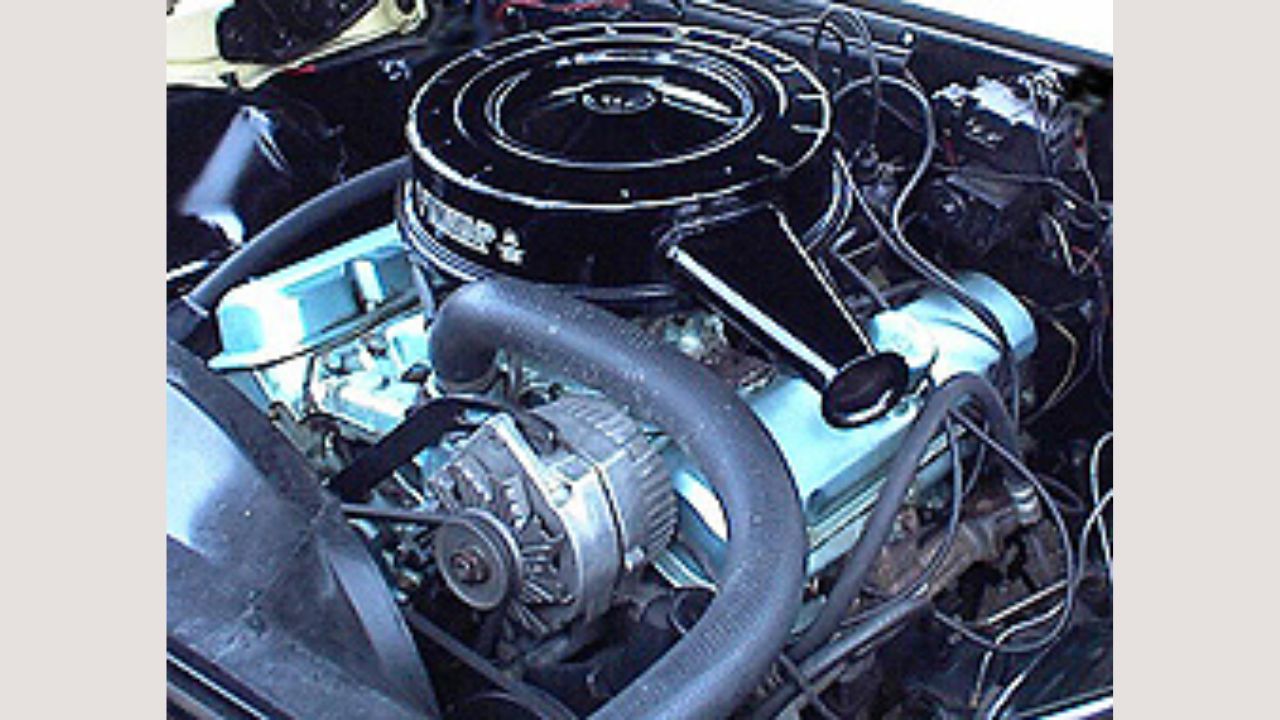
At the heart of the V8’s staying power is a driving experience that smaller engines struggle to mimic. Most V8 engines throughout history have had a 90-degree V-angle and a cross-plane crankshaft, a configuration that shapes both their power delivery and their unmistakable sound. The rumbling exhaust note associated with a typical cross-plane V8 comes from uneven firing intervals within each bank of cylinders, which create the offbeat pulse that enthusiasts can identify from blocks away. That acoustic signature is not just theater, it is part of how brands differentiate performance models in a market where turbocharged fours and sixes often sound similar.
Character is not only about noise. The broad, low-end torque that a large displacement V8 can deliver with modest stress on internal components gives heavy vehicles a relaxed, effortless feel. Owners on enthusiast forums often point out that High rpm horsepower from smaller turbo engines tends to arrive later in the rev range, while a V8 can produce strong torque at lower engine speeds, which matters for towing, merging and everyday drivability. That easy thrust, combined with the familiar cadence of a cross-plane crank, helps explain why pickups, full-size SUVs and traditional muscle cars have been slower to abandon eight cylinders than compact sedans or crossovers.
Downsizing did not erase the V8’s practical strengths
The industry has already lived through one major downsizing cycle, when fuel crises and tightening emissions rules pushed automakers toward smaller cars and smaller engines through the 1980s. Many manufacturers experimented with four and six cylinder powerplants in segments that had previously been V8 territory, often with mixed results in refinement and longevity. That history still shapes engineering decisions today, particularly in markets where trucks and large SUVs remain central to profits and customer expectations.
Modern turbocharged fours and sixes are far more sophisticated, yet they operate under different stresses than a big naturally aspirated V8. Engine life is to a large degree a function of how many revolutions an engine turns and what percentage of its maximum output it is asked to deliver in normal use. A smaller engine that is frequently working near its upper load range to move a heavy vehicle can face durability challenges that a larger, lightly stressed V8 may avoid. Naturally aspirated V8s, with their simpler layouts and absence of turbochargers, are often described as having fewer failure points and easier maintenance, with Large displacement and low specific output contributing to long service lives that owners value in work vehicles and long-distance cruisers.
Efficiency tech has made big engines less of a liability
What has changed most in recent years is not the basic V8 architecture but the technology wrapped around it. Variable displacement systems such as Holden’s AFM cylinder deactivation, described in detail in technical discussions that trace back to coverage in Wheels magazine, allow a V8 to shut down half its cylinders under light loads. By closing both the exhaust and intake valves on selected cylinders in AFM mode, the engine effectively operates as a four cylinder during steady cruising, then seamlessly reactivates all eight when the driver demands power. This kind of system narrows the real-world fuel consumption gap between a V8 and a smaller engine, especially on highways.
Owners also argue that V8s are often penalized in public perception because of the vehicles they are installed in rather than their intrinsic efficiency. Commenters who track their own consumption note that V8s get written off for MPG too quickly, since They are usually bolted into larger trucks and SUVs with big tires and tall gearing that raise aerodynamic drag and rolling resistance. In comparable conditions, a modern V8 with cylinder deactivation, direct injection and a tall overdrive gear can deliver highway fuel economy that surprises drivers accustomed to older eight cylinder designs. That does not make them champions of efficiency, but it does make them less of an automatic disqualification in a world where customers still prioritize capability.
Policy shifts and brand strategy are giving V8s fresh oxygen
Regulation has been the single biggest external pressure on large engines, and here the landscape is changing again. Many of the emissions regulations and policies that pushed automakers away from V8 engines have been rolled back under the current federal administration, which has also slowed or softened some mandates that favored rapid electrification. Reporting on the dealer and manufacturing side notes that these changes have given companies more room to build gas powered vehicles, including performance models and heavy duty trucks that would have been difficult to justify under stricter rules. That reprieve does not erase long term climate concerns, but it does extend the runway for eight cylinder programs already in development.
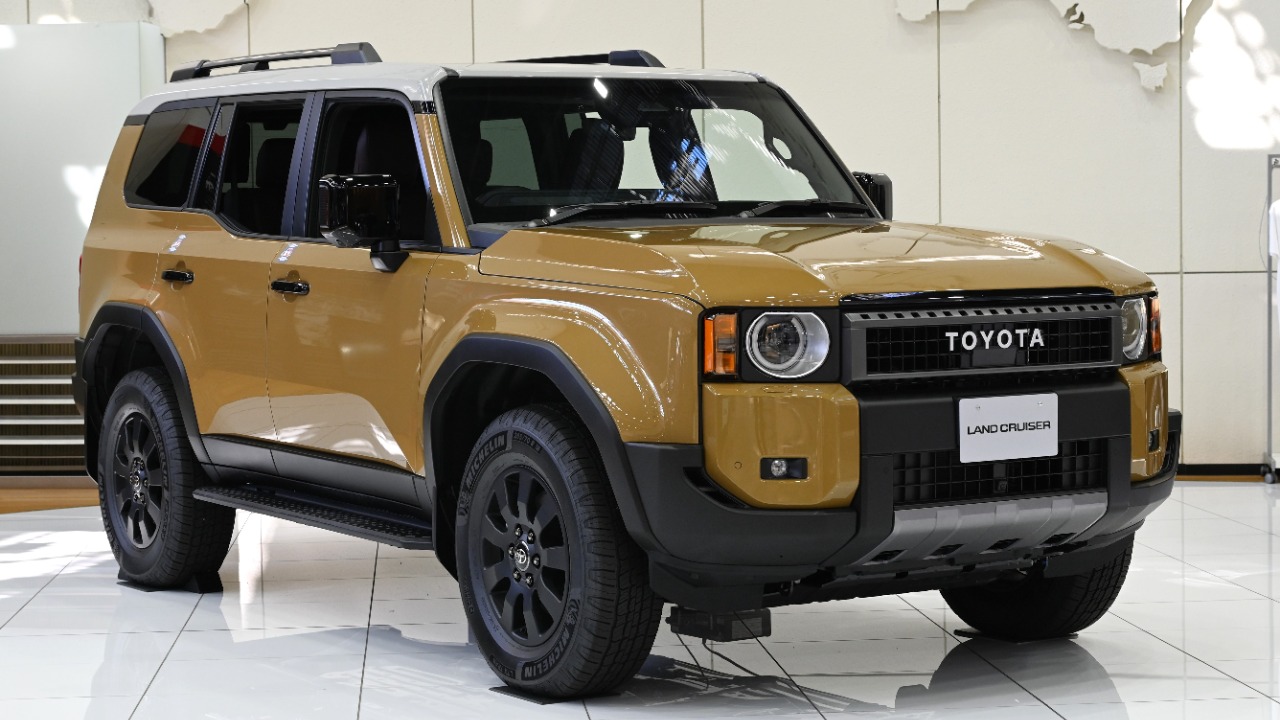
Manufacturers are responding in different ways, often using V8s as halo products that reinforce brand identity. But for BMW, V8s are undoubtedly here to stay, and it is not about performance, officials reiterate. In interviews cited by enthusiasts, BMW development leaders have said directly that “V-8s are here to stay” and that the company will continue to offer them, framing the decision as part of a broader strategy that balances electrified models with traditional combustion flagships. Other brands, from American truck makers to Japanese luxury divisions that rely on the Toyota UR engine family in certain markets, treat their V8s as proof points of durability and prestige that help sell the rest of the lineup, even as volumes decline.
Engineering evolution keeps the format relevant
The V8 that survives into the late 2020s is not the same blunt instrument that powered muscle cars in the 1960s. Contemporary designs integrate advanced materials, sophisticated lubrication and complex fuel delivery to meet modern expectations. Unsurprisingly, the V8 in some recent high performance applications is dry-sump and has a low center of gravity, helped by shorter strokes that reduce overall engine height. It features dual-mode direct and port injection, allowing precise fuel control across the rev range while mitigating issues like intake valve deposits. These details show how engineers are refining the classic layout rather than abandoning it, using technology to extract more power and cleaner emissions from a familiar package.
At the same time, the core virtues that made the V8 popular in the first place remain intact. Most of the engines that enthusiasts celebrate still use the 90-degree layout that balances packaging, smoothness and crankshaft design, and they continue to deliver the rumbling exhaust sound that a typical cross-plane V8 produces through its uneven firing order and pulse spacing. Discussions about record setting longevity often highlight robust eight cylinder families alongside high mileage turbo engines, with some commentators arguing that Can point to both camps as evidence that reliability is about execution rather than cylinder count. What distinguishes the best V8s is that they combine that durability with a sensory and emotional appeal that smaller engines, however efficient, rarely match.
More from Fast Lane Only