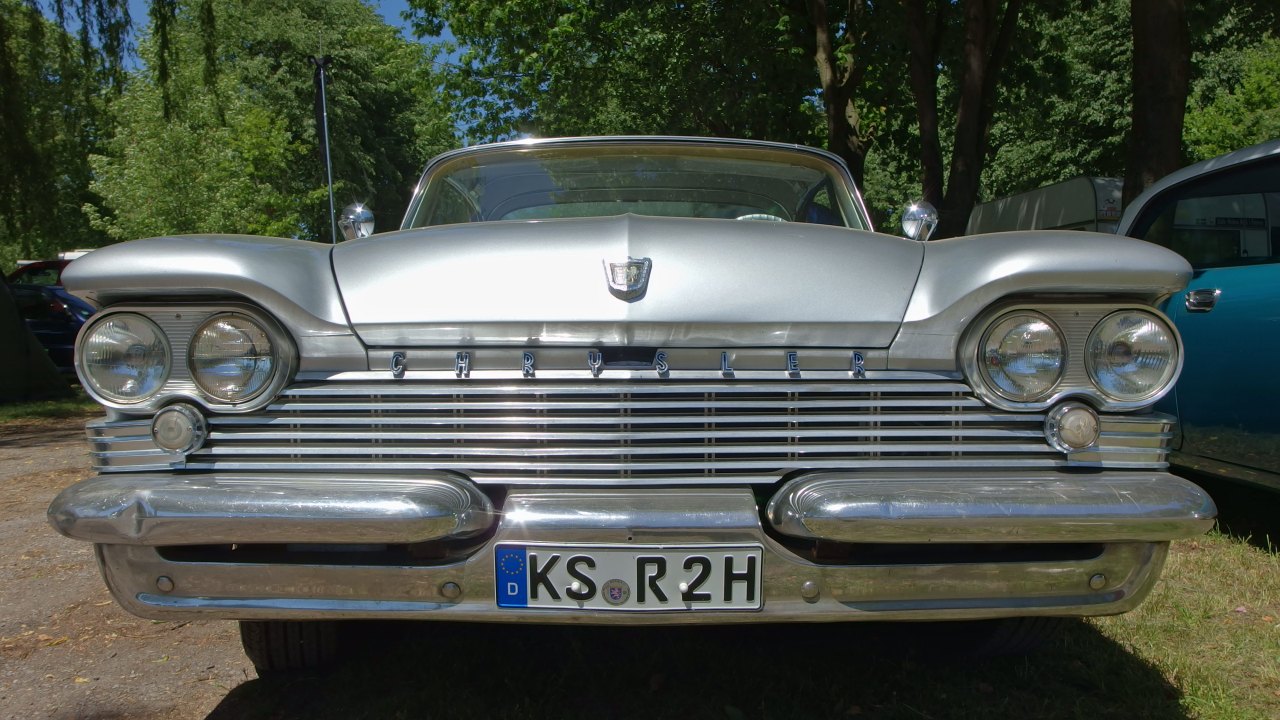
The 1958 Chrysler Saratoga arrived with sleek “Forward Look” styling and a powerful V‑8, yet it never became the breakout success its makers needed. Instead, it was caught between a brutal recession, internal missteps at Chrysler, and a crowded field of full-size competitors that left the Saratoga struggling to define what, exactly, it stood for. Understanding why this model faltered helps explain how a promising nameplate slipped into the background of late‑1950s Detroit.
A nameplate searching for a role in Chrysler’s lineup
The Saratoga name carried real history by the time Chrysler revived it for the late 1950s, but that legacy also created expectations the 1958 car struggled to meet. Initially a trim level that evolved into its own model, the prewar Saratoga had been introduced with features like Fluid Drive, an early semi‑automatic transmission that signaled modern engineering and near‑luxury positioning. When The Saratoga first appeared one year after the New Yorker and wore the Chrysler badge, it was framed as a well‑equipped step below the flagship, not a bargain entry, which meant buyers associated the name with upscale performance rather than basic transportation.
Chrysler reused the Saratoga nameplate in 1957 as part of its Forward Look styling program under Virgil Exner, slotting the car back into the lineup between the more modest Windsor and the premium New Yorker. The Saratoga maintained its role as a mid‑range offering, but the surrounding brand strategy was shifting as Chrysler nudged its image downmarket while still trying to protect The New Yorker as a prestige halo. That left the 1958 Saratoga squeezed from above by better‑trimmed Chryslers and from below by cheaper Plymouth and Dodge models that shared much of its engineering, blurring the value proposition that had once made Saratoga distinct.
Forward Look style, but quality doubts and internal strain
On paper, the 1958 Chrysler Saratoga should have been a design win. The Forward Look theme that Virgil Exner championed had already earned praise on Plymouth, where the 1957 and 1958 models were widely regarded as stylish and modern, with low rooflines and dramatic fins that resonated with buyers. Chrysler extended that same visual language to the Saratoga, promising a sleek body, a powerful V‑8, and the kind of futuristic presence that mid‑century customers expected from a full‑size American car. Period advertising for the Chrysler Saratoga Sedan even leaned on phrases like “Fresh from the most successful year in Chrysler history” to suggest that the 1958 cars were a confident evolution rather than a risky experiment.
Behind the sheet metal, however, the company was under strain, and that tension showed up in the way Forward Look cars were built. Analysts of the era and later historians have pointed to quality problems in late‑1950s Chrysler products, noting that the corporation’s sales and market share dropped sharply starting in 1958 and linking that slide to issues like body sealing and durability. One review of Chrysler’s broader operations described how the massive cost of retooling for the new designs did not translate into a proportional sales surge, with Chrysler’s volume rising only modestly despite the investment. In that environment, the Saratoga’s stylish body could not fully offset concerns that the new generation of Chryslers, including the 1958 models, were not as solidly built as buyers expected from a brand that had once traded heavily on engineering credibility.
The 1958 recession and Chrysler’s “private depression”
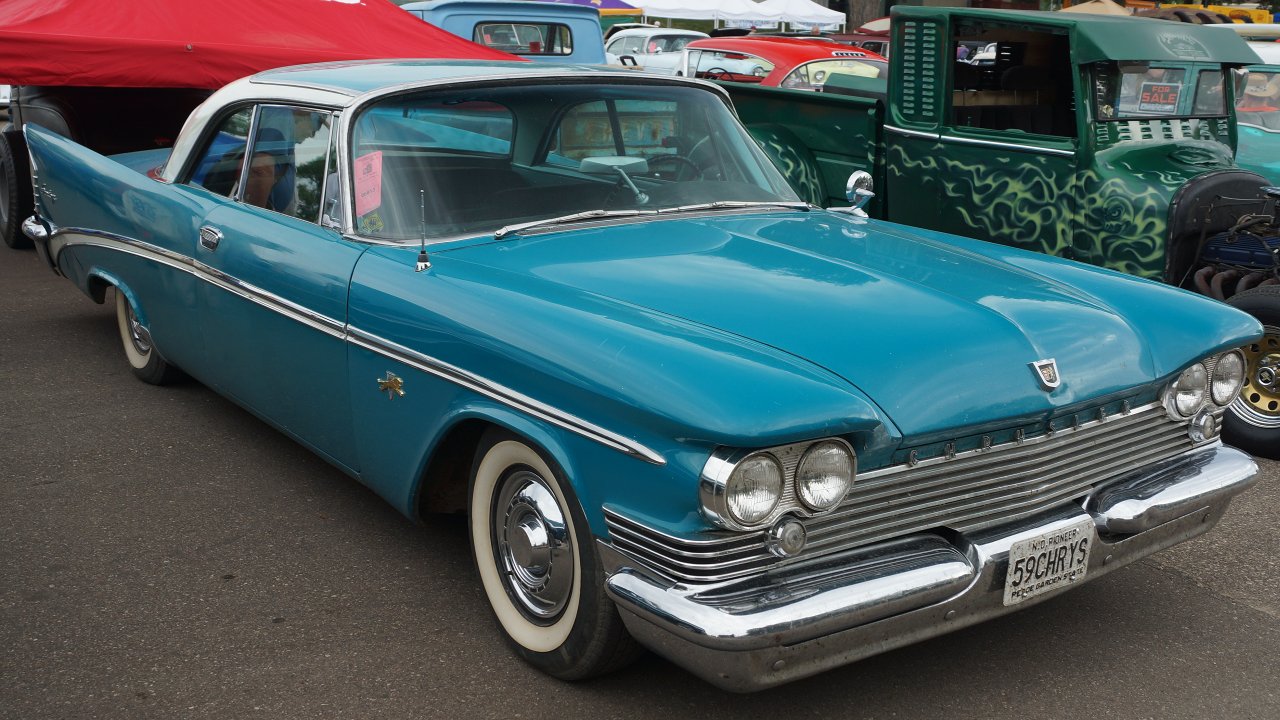
Even if the 1958 Chrysler Saratoga had been flawlessly executed, it would still have faced a brutal economic headwind. The United States slipped into a sharp recession that began in 1957 and ran through 1960, cutting into demand for big, discretionary purchases like full‑size cars. Industry observers at the time described how Production Decreases hit Chrysler as the downturn took hold, with the company’s output falling in step with a market that was suddenly far less willing to absorb new metal. One contemporary analysis framed the situation bluntly, noting that the 1958 recession was making that year the worst automobile season in memory and that Chrysler was experiencing a very “special and private depression” on top of the broader slump.
The Saratoga was caught squarely in this downdraft. As a mid‑range Chrysler, it depended on customers who were willing to stretch beyond a Plymouth or Dodge but could not justify a New Yorker or Imperial. Those buyers were among the first to pull back when the economy soured, either delaying purchases or trading down to cheaper models. The timing of the 1958 model introductions only compounded the problem, since the ’58s, including Chrysler’s full‑size cars, arrived just as the recession deepened. Other premium brands felt similar pain, with reports on Cadillac’s late‑1950s performance noting that Sales were poor and attributing much of the weakness to the nationwide recession rather than to styling alone. In that context, the Saratoga’s struggle was part of a wider collapse in demand for upper‑middle full‑size cars, but Chrysler’s particular vulnerability made the damage more severe.
Outgunned in a fiercely competitive full‑size market
Beyond the economy, the 1958 Chrysler Saratoga had to fight for attention in a segment dominated by the Big Three’s volume leaders. FORD, which was leading Chevrolet for the No 1 spot in 1957, was openly targeting continued dominance into 1958 with heavily promoted full‑size models and a V‑8 engine advertised at around 300 horsepower. Chevrolet, for its part, was locked in a close race for mass‑market buyers, while General Motors also fielded Buick and Oldsmobile to cover the near‑luxury space. Against that backdrop, the Saratoga’s performance and equipment were competitive, but its brand identity was less clear than the badges it faced across the showroom floor.
Chrysler’s own internal brand ladder further muddied the Saratoga’s case. Plymouth was hitting record volumes in the mid‑1950s, and by the time the 1958 Saratoga arrived, Plymouth’s Forward Look styling and lower prices gave shoppers a way to get similar visual drama without paying Chrysler money. Above the Saratoga, The New Yorker continued to serve as the aspirational Chrysler sedan, while the separate Imperial line chased Cadillac and Lincoln. Later analysis of Chrysler’s brand strategy has argued that the corporation’s shift downmarket, though less dramatic than moves at rivals like Mer, still eroded the distinctiveness of mid‑range Chryslers. In that crowded hierarchy, the Saratoga risked becoming the car buyers settled for when they could not quite reach a New Yorker, rather than a model they actively sought out.
A legacy overshadowed but not entirely forgotten
By the end of the 1950s, the Saratoga name was already losing its grip on the public imagination, even as Chrysler continued to use it. Market share charts from the period show Chrysler’s overall position weakening after 1957, with commentators treating the decline as almost a given and tying it to both quality concerns and the vicissitudes of the market. The Saratoga, which had once been introduced as a well‑equipped companion to the New Yorker, was now just one of several nameplates caught in a corporate slide. When Chrysler later reorganized its lineup, the Saratoga name eventually disappeared again, succeeded by models like the Chrysler Newport that were better aligned with the company’s evolving price structure and marketing plans.
Yet the 1958 Chrysler Saratoga has not vanished entirely from enthusiast memory. Price guides that track the Saratoga across its various generations still note its origins as a trim level that grew into a standalone model and highlight its role in showcasing features like Fluid Drive and, later, Forward Look styling. Surviving examples, including period‑correct four‑door sedans preserved in places like Cuba, testify to the car’s underlying mechanical robustness even if its commercial impact was muted. When I look at the Saratoga’s story, I see a car that was stylish, reasonably powerful, and historically significant, but launched at the wrong moment, in the wrong corporate mood, and into a market that was already turning away from exactly the kind of buyer it needed most.