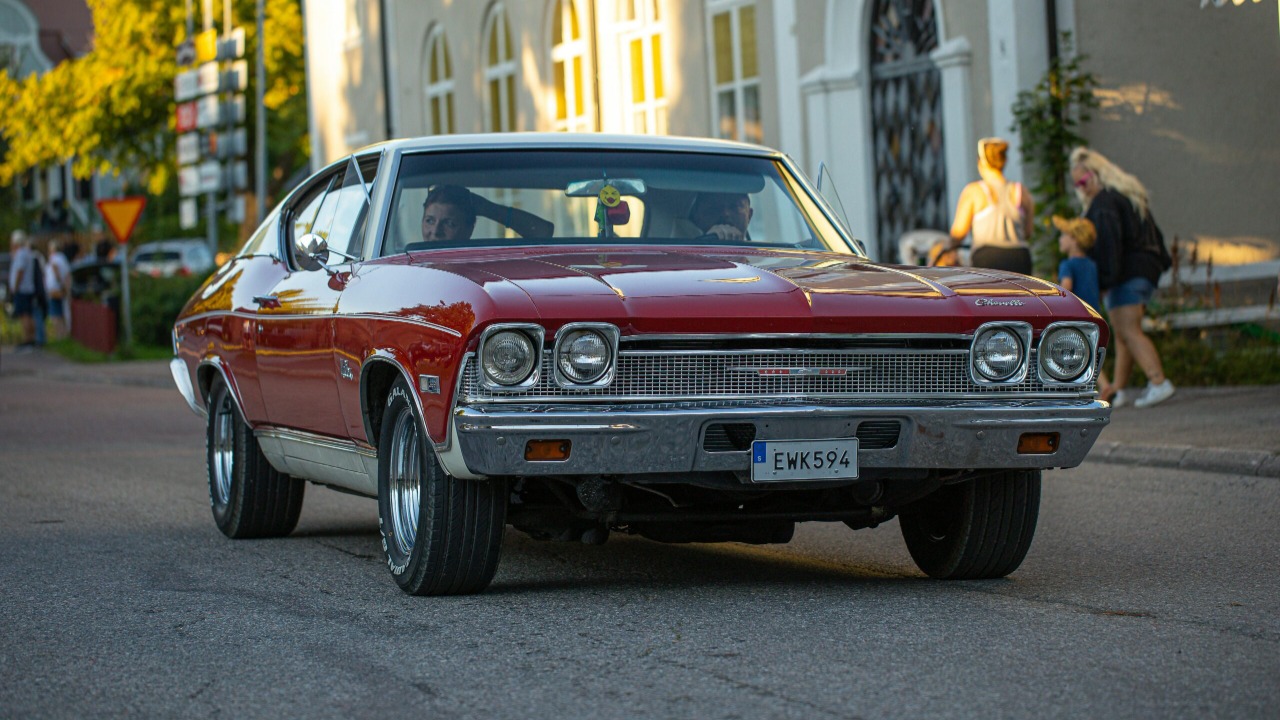
Among mid-’60s performance cars, the Z16 Chevelle has a special kind of mystique. It wasn’t a mass-market hot rod, and it wasn’t meant to be. Instead, it came together as a limited, purpose-built package that previewed what Chevrolet would do next in the muscle era.
Its rarity isn’t an accident or a footnote—it’s the point. The Z16 was created in small numbers, packed with high-end hardware, and aimed at a very specific moment in GM’s performance timeline. Put all that together, and you get one of the hardest-to-find muscle cars the company ever built.
A limited-run package by design
The Z16 wasn’t a regular production Chevelle with a few bolt-ons. It was a special performance option package, and only a very small number were built. That intentional scarcity is the biggest reason it’s so difficult to find today.
Chevrolet positioned it as a top-shelf performance Chevelle for 1965, but not as something dealers could stock in volume. Many buyers never even saw one on a lot, and plenty of enthusiasts learned about it only later. When production starts small, survivorship tends to shrink even more over decades of use.
The 396: a big deal in 1965
The Z16’s identity is tied to its big-block power. Chevrolet fitted it with a 396-cubic-inch V8 at a time when that displacement wasn’t yet common across the lineup. In the mid-’60s, engine size was escalating quickly, and this package landed right at the start of the big-block Chevelle story.
That matters because it makes the Z16 feel like a “first of its kind” model, even though the later SS 396 Chevelles are the ones most people recognize. The Z16 is an early step—more exclusive, less widely advertised, and historically important for what it signaled. Collectors tend to chase that combination of early development and limited availability.
More than an engine swap
Part of what makes the Z16 stand out is that it wasn’t just about horsepower. The package included additional heavy-duty components to match the engine’s output. That kind of complete approach helped justify the model’s premium nature and separated it from backyard-style upgrades.
When a car is built as an integrated performance package, it also becomes harder to duplicate correctly later. Plenty of Chevelles have received big engines over the years, but a true factory-built Z16 is defined by details beyond displacement. That’s one reason genuine cars are so closely scrutinized and so coveted.
High content, high price, narrower audience
In 1965, a well-optioned performance intermediate wasn’t cheap, and the Z16 sat near the top of the range. That higher price naturally limited how many buyers stepped up for one. Even among people shopping for V8 power, there were less expensive ways to go fast.
That narrower audience contributed to the low build total from day one. It’s the same story you see with many rare performance packages: high content, limited production, and a relatively small pool of original owners. Over time, that scarcity turns into legend.
Production timing and a fast-moving muscle market
The mid-’60s were a blur for performance development. Chevrolet and its competitors were constantly revising engines, options, and model strategies as the muscle car idea took shape. The Z16 arrived during that rapid evolution, and it didn’t stick around long.
When an option package has a brief window, it can get overshadowed quickly by what follows. Later Chevelles offered big-block performance in forms that were easier to order and more widely available. The Z16, by contrast, remained a short-run specialty item that never had the chance to become common.
Why surviving examples are so scarce
Even if a model starts rare, time usually makes it rarer. High-performance cars tend to be driven hard, modified, raced, or simply used up. In the decades when these were just “used cars,” originality wasn’t the priority it is today.
On top of that, the Chevelle is a popular platform for restoration and restomods, which can muddy the waters. Clones and tributes are common in the muscle car world because the base cars are desirable and the look is iconic. That makes documented, numbers-correct survivors feel even more special—and harder to confirm.
Authentication: the rarity multiplier
One reason the Z16 is regarded as especially rare is that verifying one can be challenging without solid paperwork and correct components. Enthusiasts pay attention to casting numbers, date codes, factory-style hardware, and original documentation. Because the package is valuable, the standard for proof is high.
That doesn’t mean real cars don’t exist—it means the hobby is careful about separating confirmed examples from look-alikes. The more scrutiny a model gets, the more “known” cars tend to cluster among those with strong provenance. That creates an impression of extreme scarcity, because only the best-documented examples are universally accepted.
It’s a milestone Chevelle, not just a collectible
The Z16 resonates because it sits at an inflection point. It hints at the big-block, factory-hot intermediate formula that would soon define an era. At the same time, it retains the feel of an experimental, limited-run package rather than a mass-produced performance trim.
That mix—early, powerful, low-production, and historically meaningful—is hard to beat. Plenty of muscle cars are fast, and plenty are attractive, but very few combine those traits with true, factory-intended scarcity. That’s why the Z16 continues to be discussed in the same breath as GM’s most elusive performance cars.
Today, the model’s reputation is built as much on its story as on its specifications. It represents a moment when Chevrolet was testing the edges of what a midsize performance car could be. And because so few were made—and fewer still remain clearly documented—it’s become one of the rarest muscle car finds under the GM umbrella.
More from Fast Lane Only
- Unboxing the WWII Jeep in a Crate
- 15 rare Chevys collectors are quietly buying
- 10 underrated V8s still worth hunting down
- Police notice this before you even roll window down
*Research for this article included AI assistance, with all final content reviewed by human editors.