By 1967, the American performance scene was basically a busy freeway at rush hour. Every brand seemed to have a loud, fast answer to everyone else’s loud, fast question. Muscle cars were multiplying, horsepower numbers were climbing, and buyers were getting picky in a way that made showroom shopping feel like speed-dating with V8s.
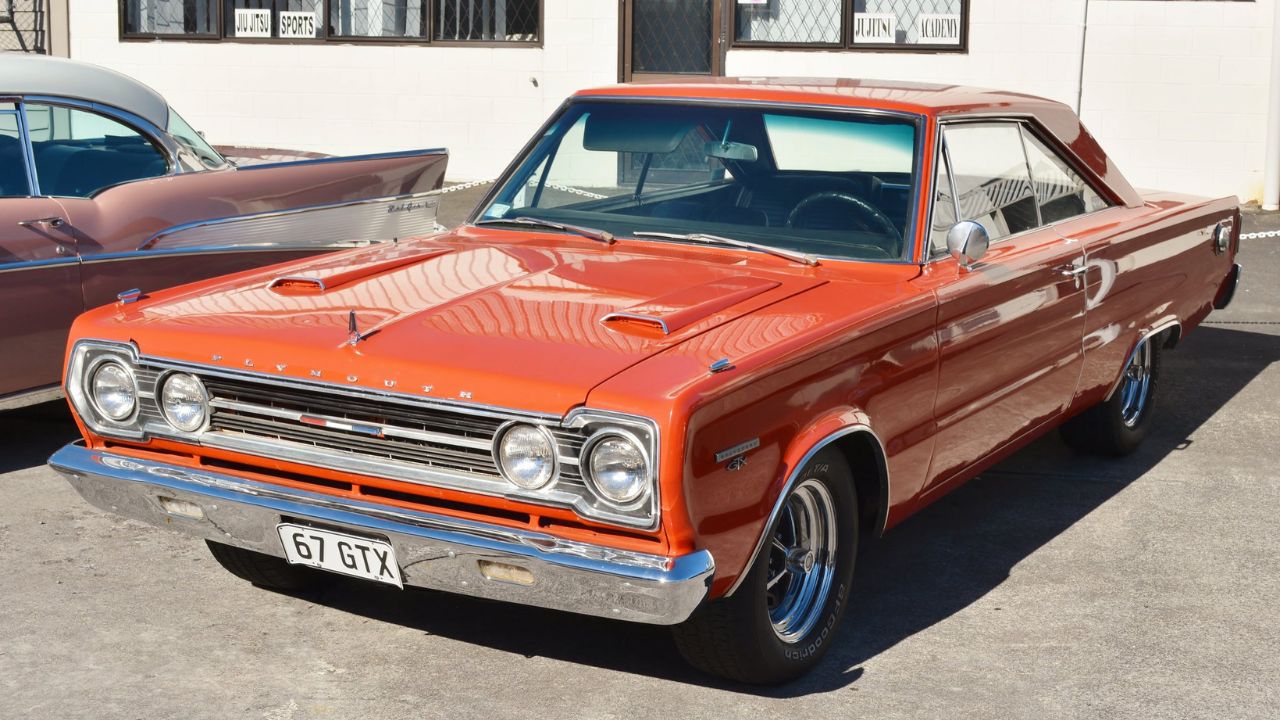
So when the 1967 Plymouth GTX showed up, it didn’t try to win by yelling the loudest. It didn’t position itself as the cheapest way to go quick, or the wildest-looking street brawler either. Instead, it rolled into a packed field with a different pitch: big power, yes, but with a more upscale, “grown-up” vibe baked in.
A market already overflowing with fast choices
Muscle cars weren’t new in ’67—if anything, they were becoming a menu category. Plenty of buyers could walk into a dealership and choose between lightweight bruisers, mid-size rockets, and bargain-performance specials. Even within the same corporate family, there were options that could overlap in speed if you checked the right boxes.
That’s what made the GTX’s approach interesting. It wasn’t trying to invent the muscle car; it was trying to refine the idea of it. In a world of “how cheap can we make it and still do burnouts,” this one leaned toward “how nice can it feel while it does the burnout.”
Not an add-on package, but a statement model
One key difference was how it was framed: the GTX wasn’t just a trim package that happened to include a big engine. It was marketed as a dedicated model with a clear identity—Plymouth’s premium performance offering. That sounds like semantics, but it mattered when buyers were comparing badges and intent as much as quarter-mile times.
It also gave the car a cleaner storyline. Instead of saying, “Start with this and option it into something serious,” the GTX basically said, “It’s serious from the start.” In a crowded market, clarity can be a feature all by itself.
The “gentleman’s muscle car” angle was real
The GTX is often described as a “gentleman’s muscle car,” and that label didn’t come out of nowhere. The formula aimed for a more upscale feel than the stripped-down, budget-minded performance cars of the day. Think less bare-knuckle boxing, more tailored jacket with a switchblade in the pocket.
That meant more standard equipment and a presentation that felt intentionally premium. It wasn’t trying to be the car you bought because it was the cheapest way to get a big block. It was the one you bought because you wanted big-block punch without giving up the sense that you’d arrived at something a little special.
Big-block power as the baseline, not the brag
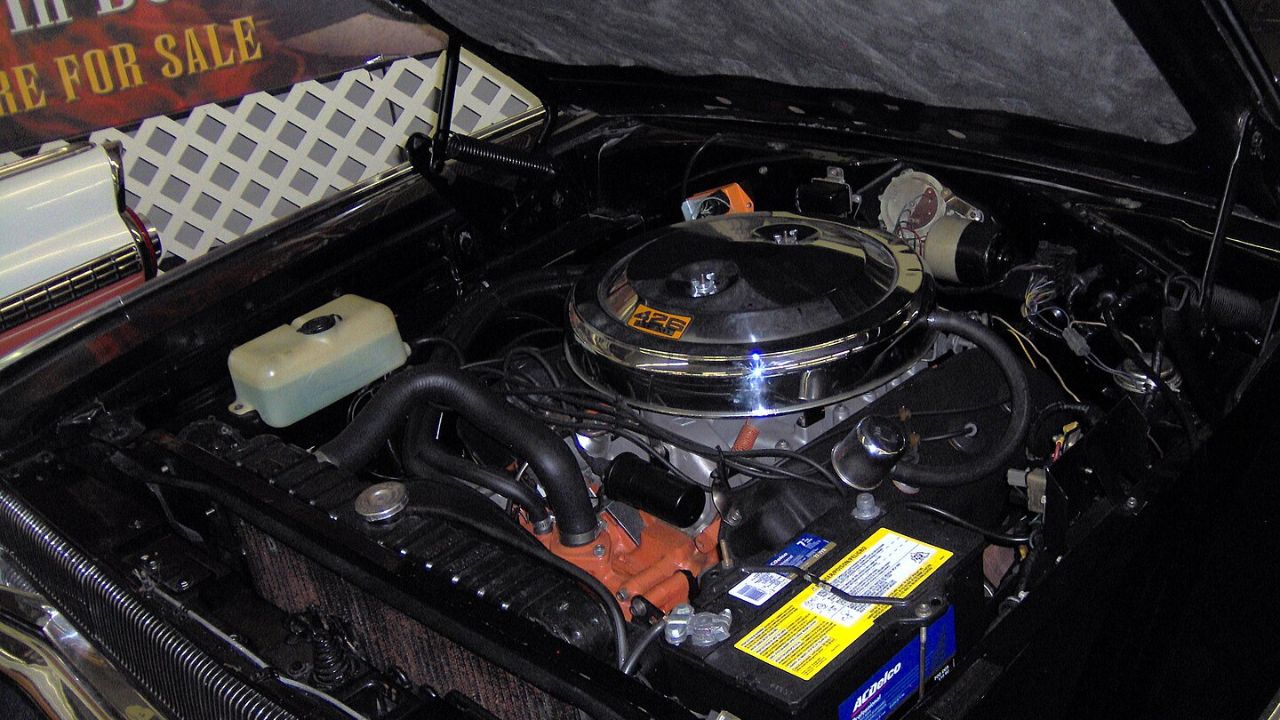
In the late ’60s, horsepower numbers were tossed around like fishing stories, and everyone rounded up. The GTX didn’t ignore the power game—far from it—but it treated big-block muscle as a starting point. The 440 V8 was a major part of the appeal, and it put the car right in the thick of the performance conversation.
The clever part is that the GTX didn’t rely on shock value alone. It wasn’t built to look like a science experiment in speed, and it didn’t need to be. The pitch was more like: you already know this is fast, now notice it’s also put together like someone cared about comfort and image.
Subtle looks in an era of loud styling
Plenty of performance cars in ’67 wore their intentions like a neon sign. Stripes, scoops, and aggressive trim were practically part of the arms race. The GTX could still look tough, but it generally didn’t scream as loudly as some rivals, and that was part of the plan.
That restraint helped it stand out in its own way. When everyone’s shouting, the calm voice gets interesting. It signaled confidence—like it didn’t need a costume to prove anything.
Positioned above the budget bruisers
Some muscle cars of the era were built around a simple promise: maximum acceleration per dollar. They were fun, honest, and sometimes a little crude—like a barstool with a rocket strapped to it. The GTX wasn’t trying to take that customer away as much as it was trying to upsell them.
Price and equipment put it in a different lane. It aimed at buyers who still wanted a serious engine but didn’t want the rest of the car to feel like a compromise. In other words, it sold performance without the “yes, but” list.
A smart internal balance: fast, but not chaotic
Another part of entering the market differently was the overall balance. The GTX wasn’t designed to be a thin-skinned track special; it was meant to be driven every day without feeling like a punishment. Ride, interior vibe, and general road manners mattered because the car was supposed to feel premium, not just quick.
That made it a kind of bridge between categories. It could appeal to someone who wanted muscle-car thrills but also cared about how the car felt on a long stretch of highway. The idea was to make speed feel usable, not just dramatic.
Competing on identity, not just numbers
By ’67, numbers alone were a shaky way to stand out because everyone had numbers. What the GTX did differently was compete on identity: it offered a distinct role in the lineup and a clear personality in the marketplace. It wasn’t the bargain hero, and it wasn’t the most flamboyant street fighter.
Instead, it pitched itself as the performance car you could take seriously in more than one way. Fast enough to earn respect, polished enough to feel like a step up, and confident enough not to over-explain itself. In a crowded performance market, that “premium muscle” niche gave it room to breathe—and it’s a big reason the 1967 GTX still feels like its own thing today.
More from Fast Lane Only
- Unboxing the WWII Jeep in a Crate
- 15 rare Chevys collectors are quietly buying
- 10 underrated V8s still worth hunting down
- Police notice this before you even roll window down
*Research for this article included AI assistance, with all final content reviewed by human editors.