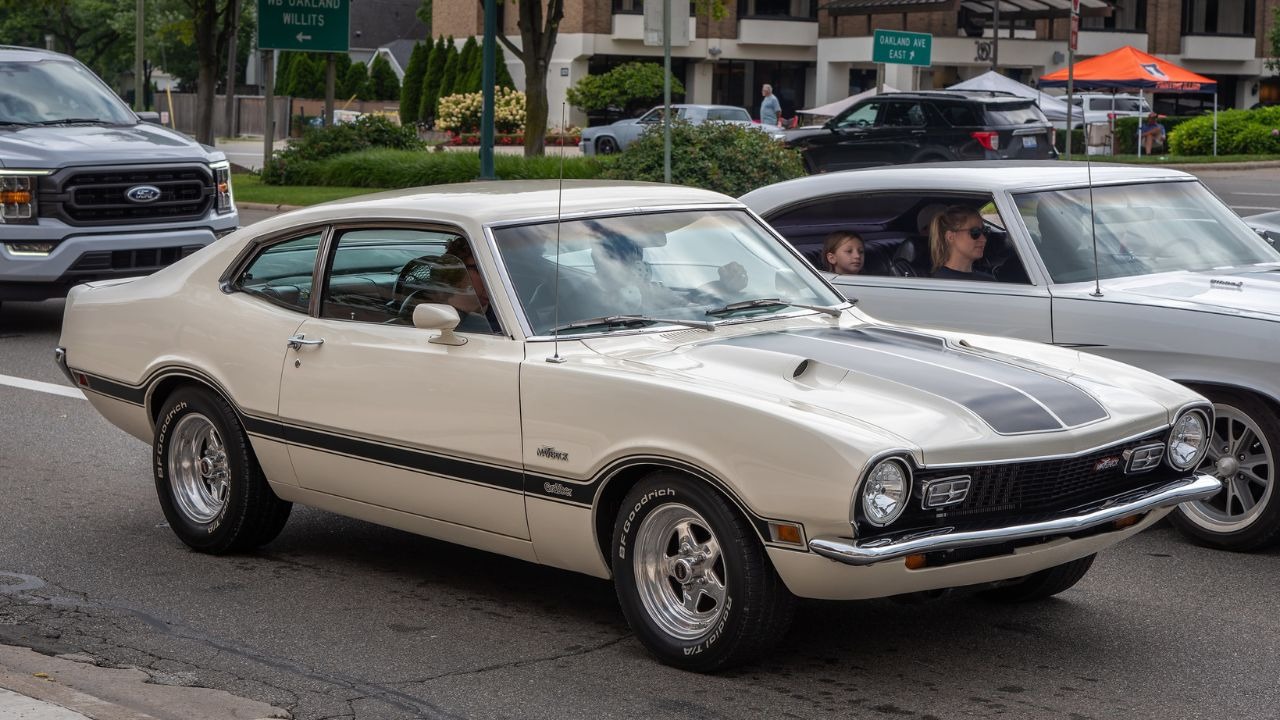
Today, it’s easy to look back at the 1970 Ford Maverick and imagine it was always meant to be a sporty, muscle-adjacent little classic—something you’d see with a rumbling V8 and a bit of attitude. But that’s not really what it showed up as when it first hit the scene. The Maverick’s debut was more practical, more calculated, and honestly, more “everyday” than later nostalgia tends to remember.
Its launch story is about timing, economics, and a car market that was changing fast. It’s also about how a simple, affordable car can gradually collect a completely different reputation once options, trims, and pop culture get involved. If the Maverick feels like it arrived with one identity and left with another, that’s because it kind of did.
A compact made for the moment, not the movies
When the Maverick arrived for 1970, the pitch wasn’t “mini muscle car.” It was “simple compact you can buy without sweating the price.” The idea was to offer an easy-to-own car that fit into American life without taking up a full-size footprint or a full-size payment.
That mattered because the market was shifting under everyone’s feet. Imports were gaining ground, and people were paying attention to smaller cars in a way they hadn’t a decade earlier. The Maverick was positioned as a straightforward alternative: familiar in feel, trimmed down in size, and priced to move.
The real target: value shoppers and first-time buyers
Early Maverick messaging leaned heavily on affordability and low hassle. It was the kind of car meant for commuters, young families, and first-time buyers—people who wanted something new, dependable, and not fussy. It wasn’t trying to be an image machine; it was trying to be the car you could actually justify.
That shows in how it was packaged. The design was clean and modern for the time, but not extravagant, and the whole lineup was built around being attainable. In other words, it didn’t launch as a dream car. It launched as the sensible choice you could still feel good about.
Under the hood: practicality first
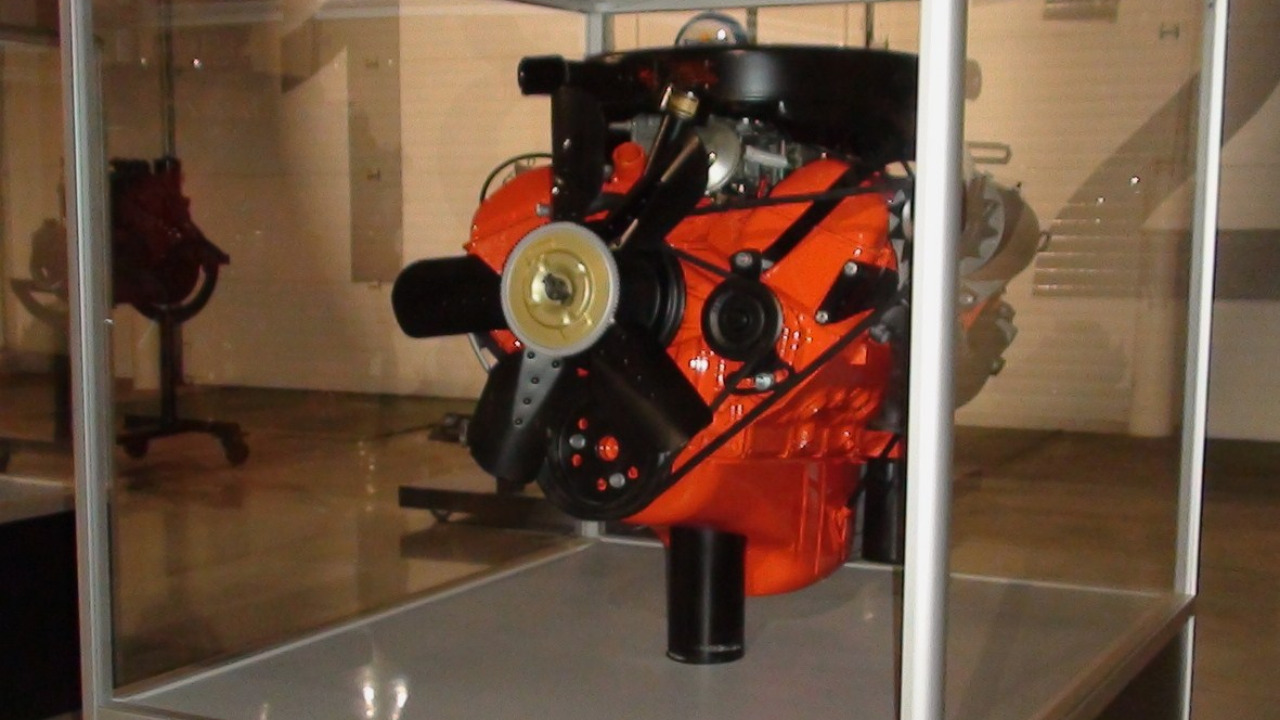
The Maverick’s early engine lineup reflected its mission. Base power came from a thrifty inline-six, and that was the heart of the car’s original promise: decent economy, simple mechanics, and a price that didn’t jump the moment you checked a box. If you wanted something that started every morning and didn’t complain, this was the plan.
Yes, V8 power became available, and that’s part of why the Maverick’s reputation drifted over time. But the launch-era “default Maverick” wasn’t a V8 bruiser; it was a six-cylinder runabout. Later expectations often start with the exciting versions, then work backward as if that was always the point.
It was engineered to be built fast and sold faster
A big part of the Maverick story is how efficiently it was brought to market. Automakers in that era knew they had to respond quickly to changing buyer priorities, and the Maverick was developed with an eye on speed and cost control. It wasn’t about reinventing the wheel; it was about getting a solid compact into showrooms with minimal drama.
That meant smart reuse of proven components and a focus on straightforward manufacturing. From a buyer’s perspective, that translated to a lower price and easier service. From today’s perspective, it can look like “basic,” but at the time “basic” was kind of the point.
The name sounded wild, but the mission was calm
Calling it “Maverick” didn’t exactly scream “practical commuter,” and that’s part of the confusion. The name suggested independence and a little rebellion, which is fun marketing—who doesn’t want to feel like they’re making a bold choice? But the actual product underneath was more sensible than the badge implied.
That mismatch planted a seed for later expectations. If you name a car like it’s going to kick up dust and take names, people will eventually want it to do exactly that. Once performance packages and sportier trims entered the picture, the name started to feel more “accurate,” even if that wasn’t the original center of gravity.
Later trims and options rewrote the public memory
As the years went on, the Maverick picked up equipment and packages that nudged it toward a different personality. More appearance options, more comfort features, and more power availability can change how a model is perceived, even if the base car stays true to its roots. The versions that get photographed, collected, and talked about tend to be the flashier ones.
That’s how automotive memory works: the greatest hits drown out the deep cuts. A modest six-cylinder two-door with plain wheels doesn’t dominate posters or weekend car shows. A sportier-looking Maverick with a V8 and bold stripes, though, gets attention—and attention edits history.
The compact market was a battleground, not a playground
Another reason the Maverick launched “different” is that compacts weren’t treated like lifestyle accessories yet. They were competitive tools, aimed straight at price tags, fuel bills, and practical transportation. Automakers were fighting for buyers who were newly willing to consider small cars, and nobody wanted to lose them to an import because their offering felt too weird or too cheap.
So the Maverick had to walk a line: smaller, but still American-feeling in the way it drove and looked. Simple, but not embarrassing. It wasn’t aiming to be quirky; it was aiming to be broadly acceptable, which is a very different goal than becoming a cult classic.
The early 1970s changed what people wanted from “small”
The Maverick entered a decade where priorities could shift quickly. Fuel economy concerns grew, insurance and performance perceptions evolved, and buyers started to think differently about what a compact car should deliver. A model introduced as “cheap and cheerful” could suddenly be judged on efficiency, safety, or practicality in new ways.
At the same time, the enthusiast world has a habit of adopting overlooked cars once the obvious choices get expensive or rare. That’s when yesterday’s practical compact can become today’s fun vintage find. It’s not that the Maverick lied about what it was; it’s that the world around it kept changing the questions buyers were asking.
So what was it at launch, really?
The 1970 Ford Maverick launched as an affordable, straightforward compact meant to sell in huge numbers and fit into everyday life with minimal fuss. It wasn’t trying to be a headline-grabbing performance hero; it was trying to be the car a lot of people could actually buy. The later expectation—that it was born to be sporty and collectible—came from how the lineup evolved and how nostalgia selects the most exciting snapshots.
If there’s a gentle lesson in the Maverick’s origin story, it’s that a car’s “identity” isn’t fixed at birth. It gets shaped by options, trims, the used-car market, and whatever versions survive long enough to be remembered. And sometimes, the simplest cars end up with the most interesting second lives—almost like they were waiting for someone to notice them.
More from Fast Lane Only
- Unboxing the WWII Jeep in a Crate
- 15 rare Chevys collectors are quietly buying
- 10 underrated V8s still worth hunting down
- Police notice this before you even roll window down
*Research for this article included AI assistance, with all final content reviewed by human editors.