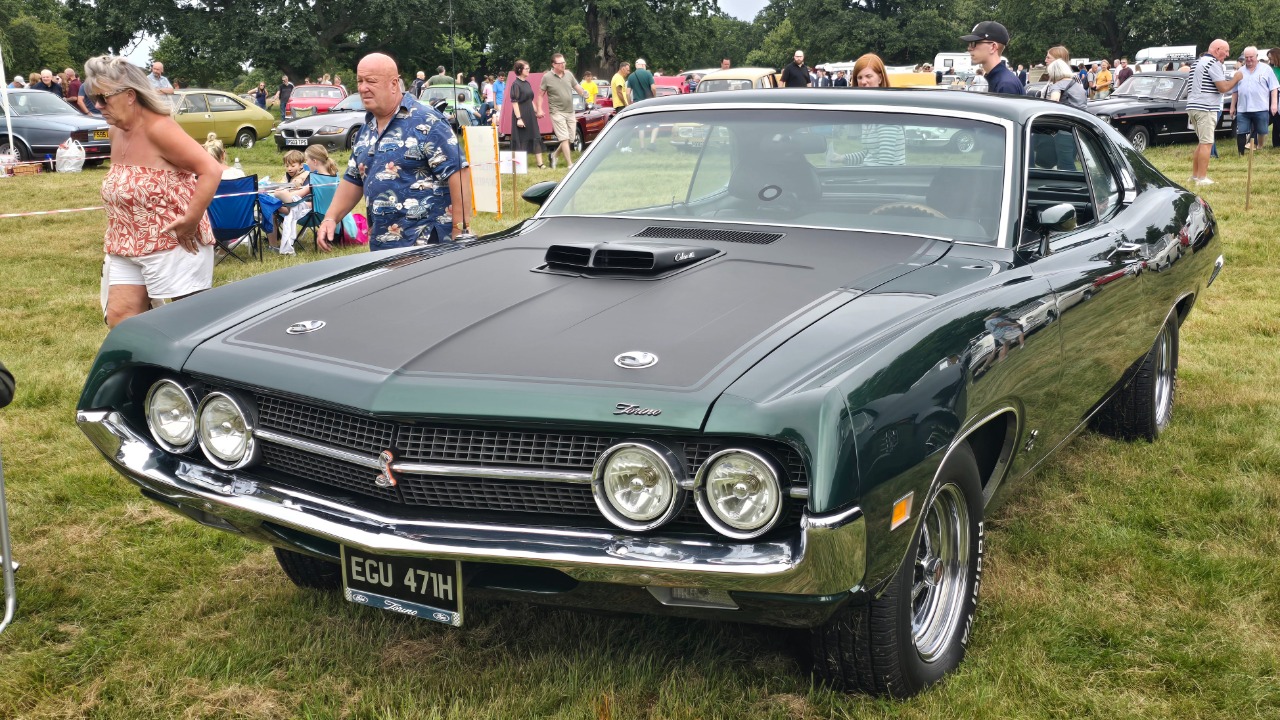
The 1970 Ford Torino Cobra stands out as a remarkable example of American muscle, not only for its striking performance but also for its affordability in the high-octane world of muscle cars. With a blend of power, style, and value, the Torino Cobra carved out a niche that resonated with enthusiasts and everyday drivers alike. Exploring the factors that contributed to the Torino Cobra’s reputation reveals why it continues to be celebrated among Ford’s best performance values during its time.
The Evolution of the Ford Torino
The Ford Torino was introduced in 1968 as a successor to the Fairlane, quickly establishing itself as a formidable player in the muscle car market. Designed to compete with the likes of the Chevrolet Chevelle and the Plymouth Satellite, the Torino was characterized by its sleek lines and powerful engine options. By 1970, the Torino had undergone significant design changes, including a wider stance and a more aggressive front end, making it both visually appealing and aerodynamically efficient.
During its evolution, the Torino saw performance upgrades that were essential during the height of the muscle car craze. The introduction of the 429 Cobra Jet engine in 1970 marked a pivotal moment, enhancing the car’s performance capabilities. This evolution was not only about power; it was also a response to market competition. Ford’s strategy focused on offering a high-performance vehicle that was still accessible to the average consumer, setting the Torino Cobra apart from its competitors.
Performance Features of the 1970 Torino Cobra
The 1970 Torino Cobra was offered with several engine options, but the crown jewel was undoubtedly the 429 Cobra Jet. This powerhouse engine produced a staggering 370 horsepower and 470 lb-ft of torque, allowing the Torino Cobra to accelerate from 0 to 60 mph in just over 6 seconds. The performance metrics were exceptional for the time, making it a viable option for those seeking thrills on the road without breaking the bank. Furthermore, the 429 Cobra Jet engine featured a unique ram air induction system that contributed to its impressive performance.
Handling was also enhanced in the 1970 model, with improvements to the suspension system that allowed for better cornering and stability at high speeds. The combination of a robust engine and refined handling characteristics gave the Torino Cobra a competitive edge, making it a favorite among muscle car enthusiasts. Drivers appreciated how the car could deliver a thrilling driving experience while maintaining a level of comfort and usability for everyday driving.
Affordability and Value Proposition
One of the most compelling aspects of the 1970 Torino Cobra was its affordability in comparison to other muscle cars of the era. While competitors like the Chevrolet Camaro and Pontiac GTO often commanded higher prices for similar performance, the Torino Cobra was priced competitively, making it accessible to a broader audience. With a starting price of around $3,500, it offered an attractive cost-to-performance ratio that appealed to both young drivers and seasoned enthusiasts alike.
This affordability has had lasting implications for the Torino Cobra’s resale value. Today, well-maintained models have become sought-after collector’s items, often fetching impressive prices at auctions. The combination of original performance features and historical significance has solidified the Torino Cobra’s place as a valuable investment in the collector car market. The balance between performance and price has left a legacy that continues to attract buyers and collectors.
Racing Heritage and Achievements
The Torino Cobra’s pedigree extends beyond the showroom floor; it was a formidable competitor in NASCAR during the 1970s. The car’s racing heritage began to take shape when it was introduced in the NASCAR circuit, where it quickly made a name for itself. Notable drivers like Richard Petty and David Pearson piloted the Torino to remarkable victories, further enhancing its reputation. The car’s aerodynamic design and powerful engine made it a favorite among drivers looking to gain an edge on the track.
Throughout its racing years, the Torino Cobra achieved several notable victories, including a win at the 1970 Daytona 500. Such performances solidified its status in the racing community and contributed to its desirability among car enthusiasts. The connection between racing success and consumer interest created a feedback loop that ensured the Torino Cobra remained relevant long after its production ended. The racing legacy continues to be celebrated, with many enthusiasts proudly sharing the Torino’s history through clubs and events.
Cultural Impact and Popularity
The Torino Cobra left a significant mark on popular culture, appearing in various films and television shows. One of its most notable appearances was in the 1970s series “Starsky & Hutch,” where the iconic red Torino became synonymous with the show’s main characters. This exposure not only elevated the car’s profile but also ingrained it into the cultural consciousness of a generation. The Torino became an aspirational vehicle for many, symbolizing the thrill of the open road and the rebellious spirit of the era.
Over the decades, a community of enthusiasts has emerged around the Torino Cobra, with clubs dedicated to preserving its legacy. Online forums and social media groups allow fans to share their passion, exchange restoration tips, and discuss the car’s history. The camaraderie among enthusiasts has helped maintain the Torino Cobra’s popularity, ensuring that it remains a beloved icon in the muscle car community. Its legacy continues to inspire new generations of car lovers who appreciate its unique blend of performance and style.
The Torino Cobra’s Place in Automotive History
The significance of the 1970 Torino Cobra extends beyond its production years; it represents a pivotal moment in American automotive history. As muscle cars faced increasing regulatory challenges and changing consumer preferences, the Torino Cobra stood as a testament to an era where performance and value were paramount. Its influence can be seen in future Ford models, which often sought to replicate the successful formula of combining powerful engines with affordability.
As the muscle car genre evolved, the Torino Cobra helped shape the perceptions of what a performance vehicle should be. It proved that a car could deliver thrilling performance without alienating the average buyer. Today, the Torino Cobra is celebrated not only for its historical relevance but also for its enduring appeal in the collector car market. Its status as a symbol of performance and value continues to resonate, inviting new enthusiasts to appreciate its legacy.
More from Fast Lane Only
- Unboxing the WWII Jeep in a Crate
- 15 rare Chevys collectors are quietly buying
- 10 underrated V8s still worth hunting down
- Police notice this before you even roll window down
*Research for this article included AI assistance, with all final content reviewed by human editors.