Chevrolet has a long history of building engines that quietly make more power than the brochure admits, and that tradition did not start or end with modern high-performance models. From humble front-drive sedans to halo sports cars, several classic Chevys have surprised owners and testers by putting up dyno numbers that do not line up with the official rating. That gap between paper and pavement helps explain why certain models earn a cult following years after they vanish from showrooms.
At the center of this story is a simple question of honesty versus strategy. When a factory rating says one thing and the crankshaft clearly says another, it changes how enthusiasts remember the car, how regulators look at the automaker, and how the market values survivors. The tale of one unassuming Chevy that pulled far harder than anyone expected shows how deliberate underrating became part engineering hedge, part marketing tool, and part corporate self-defense.
What happened
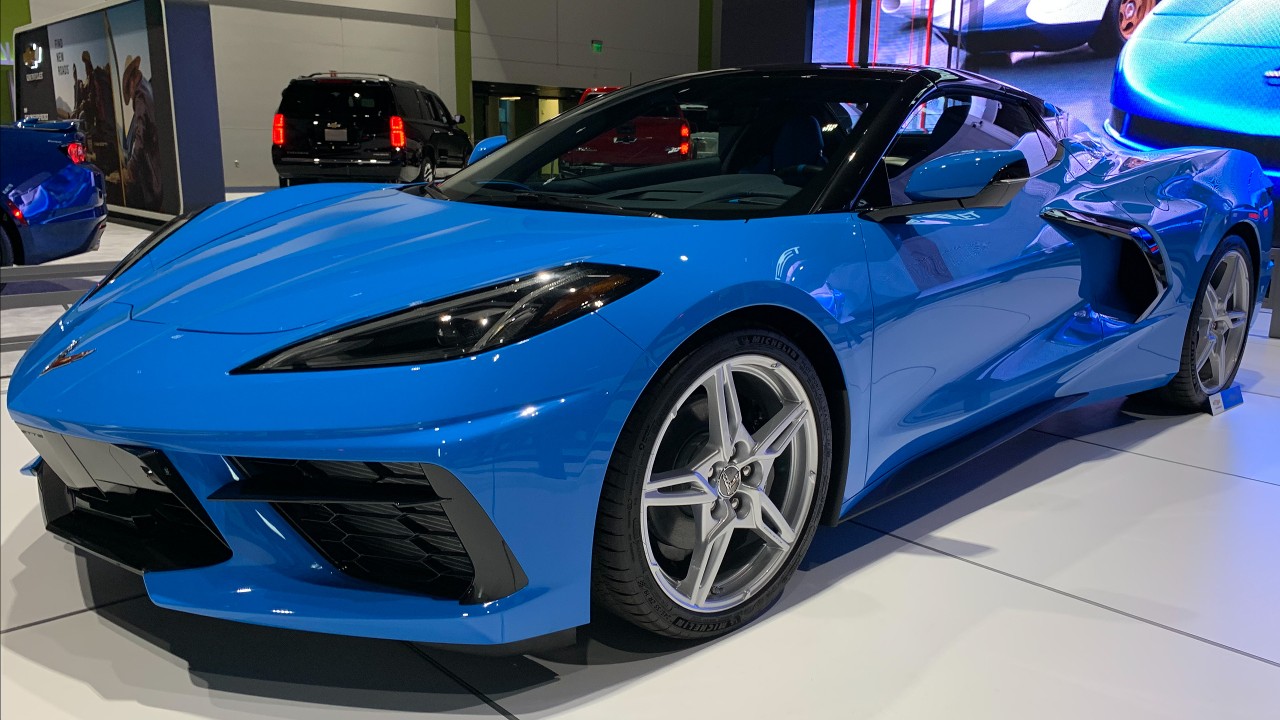
The clearest modern example of Chevrolet sandbagging its own numbers came with the mid-engined Corvette. When Chevrolet launched the C8 Corvette Stingray, the company advertised its 6.2‑liter LT2 V8 at 495 horsepower and 470 pound-feet of torque with the performance exhaust. Those figures already looked strong for a base model, yet independent testing later suggested that the engine was delivering significantly more output than the official spec sheet claimed.
Dyno pulls of early C8s showed wheel horsepower figures that, once driveline losses were accounted for, implied an engine rating well above the stated 495 horsepower. Reporting at the time described the 2020 Corvette as being “far more powerful” than the official numbers, with analysis of the dyno data pointing to a real output that could be tens of horsepower higher than the rating that Chevrolet published for the LT2 V8 in the 2020 Corvette.
That gap did not appear to be a simple measurement error. The consistency of the results across different cars and different dynos suggested that the LT2 was fundamentally more capable than its label. Owners reported that the cars felt stronger than the numbers implied, with acceleration figures and trap speeds in independent tests lining up more closely with the higher, inferred power levels than with the official factory rating.
While the C8 Corvette grabbed headlines, the pattern fits a longer Chevrolet habit. Period road tests of older small-block V8 Chevys often recorded quarter-mile times that looked optimistic for the advertised horsepower. Big-block muscle cars from the late 1960s, especially those rated under the old gross system, were famous for conservative figures that did not fully reflect what the engines could do in the real world. In some cases, internal engineering documents and dyno sheets later confirmed that the official rating was deliberately trimmed to keep insurance companies and regulators at bay.
The same tendency shows up in far more ordinary machinery. One enthusiast writing about a high-mileage Chevy Corsica described how the supposedly modest front-drive sedan felt unexpectedly eager and flexible in daily use, a trait that helped the car stick in memory long after it disappeared from the road. That story, shared in a discussion of why a simple comment could make someone want a Chevy Corsica, fits the pattern of Chevrolet engines that quietly outperform their reputation.
In the Corsica era, Chevrolet sold the car with four-cylinder and V6 options that were never billed as performance powerplants. Yet owners often remarked that the V6 versions felt stronger than their ratings suggested, with smooth torque and a willingness to rev that made the cars feel more capable than the numbers on the trunk badge. While there is no single dyno test that rewrites the Corsica’s spec sheet, the collective experience of drivers parallels what more formal testing later confirmed with the C8 Corvette.
What ties these examples together is not a single model year or engine code, but a corporate approach to power ratings. Chevrolet has repeatedly chosen to publish conservative numbers for engines that, in practice, deliver more. That decision shapes how cars like the Corsica and the C8 Corvette are perceived, both at launch and decades later when enthusiasts reassess their place in history.
Why it matters
The discovery that a car makes more power than advertised can feel like finding free money in the glovebox. For owners, it means they bought more performance than they paid for. For collectors and historians, it complicates the record. Horsepower figures are one of the main ways enthusiasts compare cars across generations, and if those numbers are quietly sandbagged, the whole scoreboard starts to look suspect.
In the case of the C8 Corvette, the underrated LT2 V8 changed the narrative around the car from day one. Chevrolet had already taken a risk by moving its iconic sports car to a mid-engine layout, a decision that invited direct comparison to far more expensive European exotics. When independent tests showed that the engine was punching above its stated weight, it gave the Corvette extra credibility in that company. The car was not just competitive on paper; it was overachieving in reality.
That overachievement also reveals how automakers think about ratings. Manufacturers do not simply measure an engine once and publish whatever number comes out. They build in margins for production variance, fuel quality, climate, and long-term durability. An engine that produces 520 horsepower on a lab dyno might be rated at 495 so that every unit that leaves the factory can meet or exceed the advertised figure under a wide range of conditions. In that sense, underrating is a form of engineering conservatism.
At the same time, there are clear strategic reasons to keep numbers low. In the late 1960s and early 1970s, muscle car horsepower ratings became a political issue. Insurance companies began to penalize high-output engines, and regulators took a closer interest in vehicles that could reach very high speeds. Some manufacturers responded by quietly cutting official ratings while changing little under the hood. The car looked safer and more reasonable on paper, even if the quarter-mile times told a different story.
Modern automakers face a different set of pressures, especially around emissions and fuel economy. Official ratings interact with regulatory categories and internal fleet targets. A slightly lower published figure can simplify certification or align a model with a particular tax or registration bracket in some markets. When a company like Chevrolet chooses a conservative rating for a high-volume engine, it is often balancing engineering reality with legal and marketing constraints.
The Corsica anecdote highlights another side of the story. That car was never a performance icon, yet the memory of a surprisingly strong powertrain helped it earn affection long after its sheetmetal rusted away. When a modestly rated sedan feels more muscular than expected, it can change how drivers view the brand. The sense that Chevrolet quietly overbuilds its engines feeds loyalty, especially among enthusiasts who notice the difference between a car that just meets its claims and one that exceeds them.
There is also a resale and collector angle. Cars that are later revealed to have been underrated at launch often gain status in the used market. Once word spreads that a particular engine is stronger than its badge suggests, demand tends to rise. The C8 Corvette’s reputation as a car that beats its own spec sheet helps support strong resale values. If a classic Chevy sedan or coupe earns a similar reputation among enthusiasts, it can shift from forgotten appliance to sought-after sleeper.
On the technical side, underrated engines create headroom for tuning. If a factory powerplant already makes more than advertised in stock form, it usually has robust internals, efficient breathing, and conservative calibration. That combination invites aftermarket upgrades. Tuners see an engine that is already outperforming its rating and assume, often correctly, that it can handle more boost, timing, or fuel without sacrificing reliability. The LT2 in the C8 Corvette quickly became a favorite platform for this reason, with early builds showing significant gains on stock long blocks.
The broader industry context matters too. When one manufacturer is caught sandbagging, competitors face pressure to respond. If Chevrolet’s 495-horsepower Corvette is really closer to a rival’s officially rated 520-horsepower car, the comparison tests and customer perceptions shift. Other brands may either raise their own ratings to reflect true output or quietly follow the same conservative playbook. The result is a kind of arms race in reverse, where the real numbers climb while the published figures move more slowly.
For regulators and consumer advocates, that gap raises questions about transparency. Horsepower is not just a bragging right. It can affect safety, especially when inexperienced drivers buy powerful cars without fully understanding their capability. If a model is substantially stronger than its brochure suggests, some argue that buyers deserve clearer information. Others counter that as long as the car exceeds its claims rather than falling short, the practice is acceptable.
In Chevrolet’s case, the pattern of conservative ratings has generally worked in the company’s favor. The brand benefits from a reputation for stout, underpromised engines. Enthusiasts enjoy discovering that their cars are quicker than expected. The main risk is that, if the gap becomes too large or too widely known, regulators or legal challenges could force a change in practice.
What to watch next
The story of underrated Chevys is still unfolding, and several threads bear watching. The first is how Chevrolet handles future power ratings for its performance models. The company is moving into a period where electrification and downsizing will reshape its lineup. Electric motors and hybrid systems introduce new variables in how output is measured and advertised. If Chevrolet continues its habit of conservative figures in that context, the gap between spec sheet and street could grow even more noticeable.
Future Corvettes and high-performance variants of mainstream models will be the bellwether. If the next generation of V8s or hybrid powertrains again produce dyno numbers that exceed their official ratings by a wide margin, it will confirm that the C8 Corvette was not an outlier but part of a deliberate strategy. Enthusiasts and tuners will likely respond in kind, treating factory numbers as a floor rather than a ceiling and pushing the hardware accordingly.
Regulatory developments are another key factor. As emissions and fuel economy rules tighten, agencies may take a closer look at how manufacturers certify and advertise power. If a car consistently tests far above its rating, regulators could question whether the certification data accurately reflects real-world performance. That scrutiny might push automakers toward more precise, less conservative figures, especially in markets where taxation or licensing is directly tied to horsepower.
The used market will provide its own feedback loop. As more owners share dyno sheets and performance data online, patterns of underrated engines become easier to spot. A model that quietly overperforms will develop a reputation, which in turn will influence prices and demand. If a particular classic Chevy sedan or coupe gains recognition as a sleeper because its real output outstrips its brochure rating, surviving examples could see a surge in value similar to what has already happened with certain muscle cars from the late 1960s.
More from Fast Lane Only