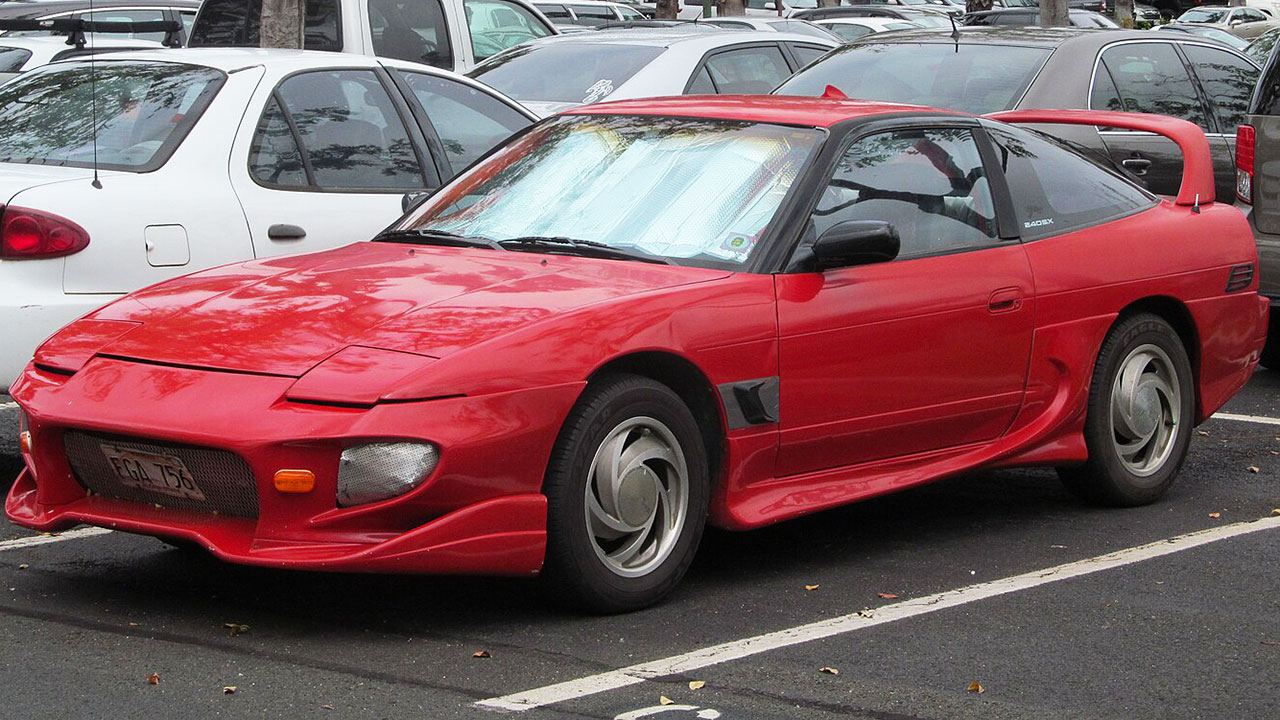
Not long ago, the Nissan 240SX sat in a unique sweet spot within the car world. It was affordable, rear-wheel-drive, lightweight, and endlessly customizable—everything an enthusiast could want without the high price tag. You didn’t need deep pockets to own one, and because of that, it became a go-to platform for beginners and experienced tuners alike.
Fast forward to today, and the story has changed dramatically. Clean, unmodified examples are no longer easy to come by, and prices have climbed far beyond what many remember paying. What was once considered a “starter car” for enthusiasts is now edging into collector territory.
This transformation didn’t happen overnight. It’s the result of years of cultural influence, mechanical wear, and shifting demand—all converging to make the 240SX one of the clearest examples of a modern classic becoming scarce.
From Cheap Drift Platform to Cultural Icon
In its early years, the 240SX wasn’t particularly revered. It was appreciated, yes—but mainly for its potential rather than its factory form. With modest power from its original engine and relatively simple styling, it didn’t scream “future classic.”
What it did offer, however, was balance. Its rear-wheel-drive layout and near-perfect weight distribution made it ideal for drifting—an emerging motorsport that would soon explode in popularity worldwide.
As drifting gained traction, especially through media, video games, and grassroots car culture, the 240SX became one of its defining machines. It was accessible, easy to modify, and forgiving enough for beginners learning car control.
But that popularity came at a cost.
Many of these cars were driven aggressively, modified extensively, and pushed far beyond their original design limits. Engine swaps, stripped interiors, welded differentials, and repeated track use became the norm. While this helped cement the 240SX’s legendary status, it also drastically reduced the number of well-preserved examples.
Over time, the car evolved from a disposable tool for fun into something people began to look back on with admiration.
The Disappearing Pool of Clean, Original Cars
One of the biggest reasons the 240SX is getting harder to find is that truly clean examples are incredibly scarce.
Unlike high-end sports cars that were often preserved from day one, the 240SX lived most of its life as an affordable, heavily used vehicle. Owners modified them without hesitation, often prioritizing performance or style over long-term preservation.
As a result, many cars were:
- Heavily altered from stock condition
- Involved in accidents due to aggressive driving
- Neglected as they aged and required maintenance
- Parted out to support other builds
This has created a sharp divide in today’s market. On one side, there are heavily modified or worn-out cars that are still relatively accessible. On the other, there are clean, original examples—cars that have somehow avoided decades of abuse—which are now extremely rare.
These untouched or lightly modified cars are the ones collectors are chasing. And because there are so few of them, they tend to disappear quickly when they do come up for sale.
Nostalgia and the Rise of a New Buyer Generation
Another major factor driving scarcity is nostalgia.
The generation that grew up watching drift competitions, browsing early car forums, or playing racing games featuring the 240SX is now older—and financially capable of buying the cars they once dreamed about.
This emotional connection plays a huge role in the market. People aren’t just buying a vehicle; they’re buying a piece of their past.
The 240SX, in particular, holds a special place in that memory. It was a symbol of grassroots car culture—a car that didn’t require wealth, just passion and creativity.
As more buyers enter the market with this mindset, demand increases. And when demand rises faster than supply—which is already shrinking—prices go up and availability goes down.
In many cases, buyers are also more patient and selective, choosing to hold onto good examples rather than flipping them quickly. This further reduces the number of cars circulating in the open market.
The High Cost of Restoration and Preservation
If finding a clean 240SX is difficult, restoring a rough one isn’t always a practical alternative.
Over the years, parts have become harder to source, especially original components. While aftermarket support is still strong, it doesn’t always satisfy buyers looking for authenticity. Tracking down factory-correct parts can be time-consuming and expensive.
Labor costs also play a role. Properly restoring a car—especially one that has been modified or neglected—requires skilled work. Body repairs, rust treatment, engine rebuilding, and interior restoration all add up quickly.
In many cases, the cost of restoring a heavily worn 240SX can exceed the price of buying a cleaner example upfront—if one can even be found.
Because of this, fewer people are taking on full restorations. Cars that might have been saved years ago are now being scrapped or used for parts, further shrinking the population.
Originality Has Become the New Premium
Perhaps the biggest shift in the 240SX market is how much value is now placed on originality.
Years ago, modifications were expected—even encouraged. A stock 240SX might have been seen as a missed opportunity rather than something special.
Today, the opposite is true.
Collectors and enthusiasts increasingly value cars that remain close to their factory condition. Original paint, untouched interiors, and matching components are all seen as major advantages.
This shift has created a premium tier within the market. Two 240SXs might look similar at a glance, but if one is original and the other heavily modified, their values can differ dramatically.
It’s not just about condition—it’s about authenticity.
And because so few cars were preserved this way, those that were have become especially desirable.
A Case Study in a Broader Automotive Trend
The story of the 240SX isn’t unique—it’s just one of the most visible examples.
Many cars from the 1980s, 1990s, and early 2000s are going through a similar transformation. Vehicles that were once cheap, modifiable, and widely available are now becoming harder to find as time takes its toll.
What sets the 240SX apart is how strongly it was tied to a specific culture. Its role in drifting and tuner communities gave it a lasting identity, ensuring that it wouldn’t simply fade into obscurity.
Instead, it evolved.
From used car… to enthusiast platform… to cultural icon… to collectible.
The Bottom Line
The Nissan 240SX is getting harder to find each year not because it was always rare—but because it was never treated as something that needed to be preserved.
Decades of modification, hard driving, and everyday use reduced the number of surviving examples. At the same time, nostalgia and growing appreciation have increased demand, especially for clean, original cars.
That combination—shrinking supply and rising interest—is what’s driving the shift.
And if current trends continue, the 240SX will only become more elusive, transforming further from an affordable enthusiast car into a sought-after piece of automotive history.
More from Fast Lane Only