The wedge-shaped car design, characterized by its sharp angles and aerodynamic profile, became a defining feature of the 1970s and ’80s automotive landscape. Cultural, technological, and aesthetic factors converged during these decades, leading to the rise and popularity of these iconic vehicles. Understanding the significance of this design trend offers a fascinating glimpse into the era’s automotive innovation.
The Rise of Aerodynamics in Automotive Design

The 1970s oil crisis was a pivotal moment that reshaped the automotive industry. As fuel prices soared and supply became unpredictable, the quest for fuel-efficient vehicles intensified. Automakers turned to aerodynamics, recognizing that sleeker, more streamlined car profiles could significantly reduce drag and improve fuel economy. This shift was not merely a matter of aesthetics but a necessity driven by economic pressures.
Advancements in wind tunnel technology during this period also played a crucial role in the evolution of car shapes. Wind tunnels allowed engineers to experiment and refine designs in controlled environments, leading to more efficient and aerodynamic vehicles. Manufacturers like Ferrari, with models such as the 1975 Ferrari 308 GTB, leveraged these technologies to enhance both performance and fuel efficiency. The wedge shape became synonymous with speed and efficiency, appealing to both consumers and manufacturers eager to adapt to new economic realities.
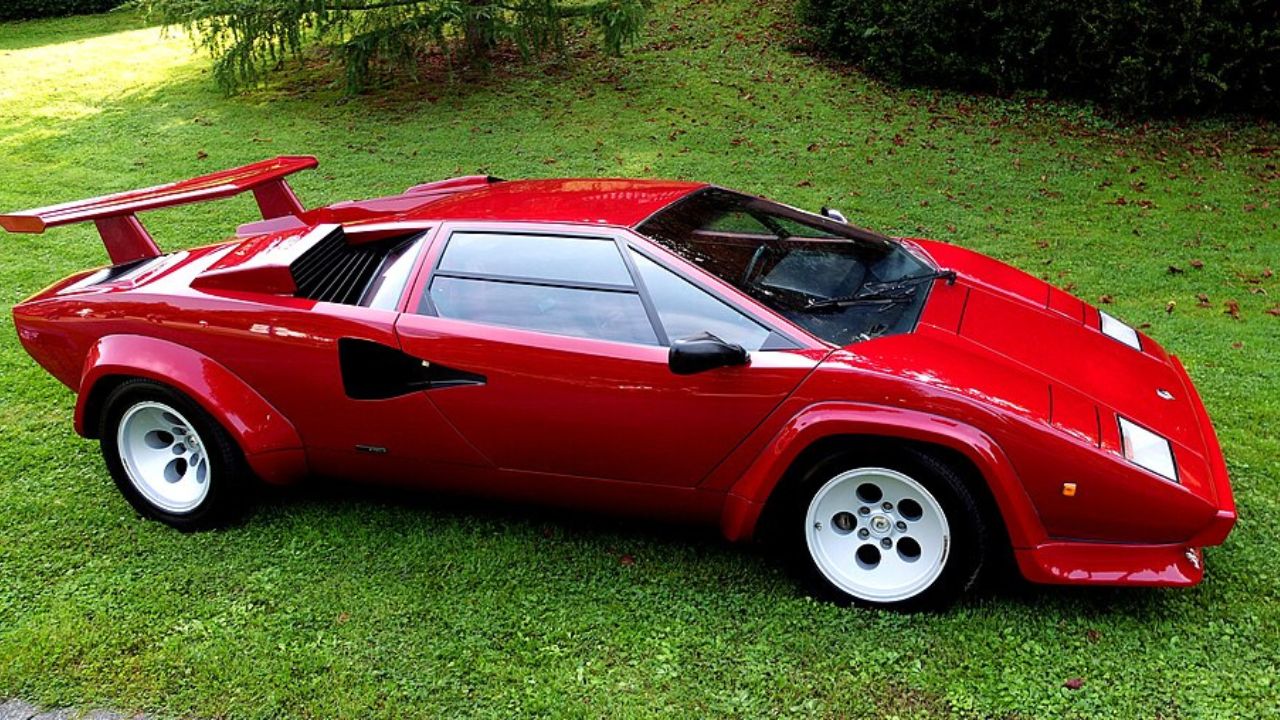
Beyond fuel efficiency, manufacturers recognized that aerodynamics could also provide performance gains. Cars with reduced drag coefficients were not only more fuel-efficient but also faster and more stable at high speeds. This dual benefit made aerodynamics a focal point for sports and luxury car brands, influencing models like the Lamborghini Countach and Lotus Esprit, which became icons of the era.
Cultural and Aesthetic Appeal

The wedge-shaped car design was not only a response to practical needs but also a reflection of the era’s cultural and aesthetic trends. The 1970s and ’80s were a time when futuristic design and science fiction captivated the public imagination. Sleek, angular shapes evoked a sense of the future, aligning with the era’s fascination with space exploration and technological advancement. This cultural backdrop made wedge-shaped cars appear cutting-edge and desirable, capturing the spirit of progress.
Popular media also played a significant role in promoting wedge-shaped cars. Movies and television shows of the era frequently featured these vehicles, embedding them in the cultural zeitgeist. The DeLorean DMC-12, immortalized by the “Back to the Future” trilogy, is a prime example of how media exposure can elevate a car to iconic status. Similarly, the Lamborghini Countach’s frequent appearances in films and music videos cemented its reputation as the quintessential supercar of the 1980s.
For consumers, wedge-shaped cars symbolized progress and modernity. Owning such a vehicle was a statement of style and sophistication, reflecting an affinity for cutting-edge design. The appeal was not limited to high-performance sports cars; even more practical models, like the Triumph TR7, embraced the wedge shape, making the design accessible to a broader audience.
Technological Innovations and Engineering
The wedge-shaped car era was marked by significant technological innovations and engineering advancements. Automakers began integrating new materials, such as lightweight composites and advanced alloys, into car manufacturing. These materials allowed for more daring and aerodynamic designs without compromising structural integrity. The use of fiberglass in models like the Lotus Esprit exemplified how manufacturers pushed the boundaries of traditional car construction techniques.
Innovative designers and engineers were pivotal in shaping automotive trends during this period. Giorgetto Giugiaro, one of the most influential car designers of the time, contributed to the distinctive wedge look with creations like the Maserati Bora and the Lotus Esprit. His work emphasized clean lines and sharp angles, setting a new standard for automotive aesthetics.
Case studies of iconic wedge-shaped models reveal the technological prowess behind their designs. The Lamborghini Countach, for example, featured a revolutionary scissor door mechanism and a powerful V12 engine, showcasing a blend of form and function. Meanwhile, the Ferrari Testarossa combined a striking profile with advanced aerodynamics and engineering, reinforcing the notion that wedge-shaped cars were not just about looks but also about performance.
The Legacy and Influence of Wedge-Shaped Cars
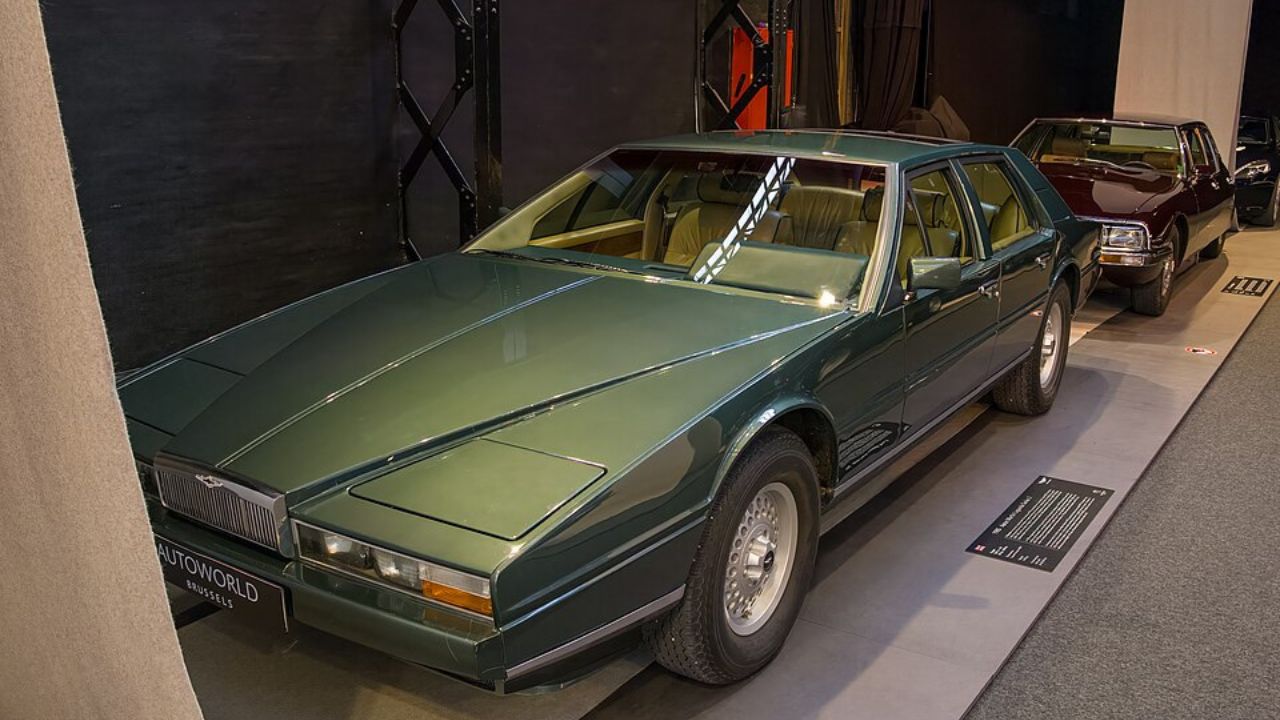
The influence of wedge-shaped designs extends beyond their heyday in the 1970s and ’80s. These vehicles paved the way for future automotive styling trends, influencing the design language of subsequent decades. Many modern sports cars still draw inspiration from the sharp angles and aerodynamic profiles that defined this era. The emphasis on aerodynamics continues to be a crucial aspect of car design, reflecting the lasting impact of these pioneering vehicles.
Wedge-shaped cars also left a significant cultural legacy, with a devoted fan base that persists today. Enthusiasts and collectors continue to celebrate models like the Lotus Esprit, DeLorean DMC-12, and Lamborghini Countach, recognizing them as timeless icons of automotive design. Car shows and retro events often feature these models, underscoring their enduring appeal and cultural significance.
Beyond the automotive industry, the wedge shape has influenced other design fields, including architecture and industrial design. The emphasis on sleek, streamlined forms can be seen in various products and structures, highlighting the broader impact of this design philosophy. In essence, the wedge-shaped cars of the 1970s and ’80s were more than just a trend; they were a catalyst for a new era of design thinking.
Like Fast Lane Only’s content? Be sure to follow us.
Here’s more from us:
*Created with AI assistance and editor review.