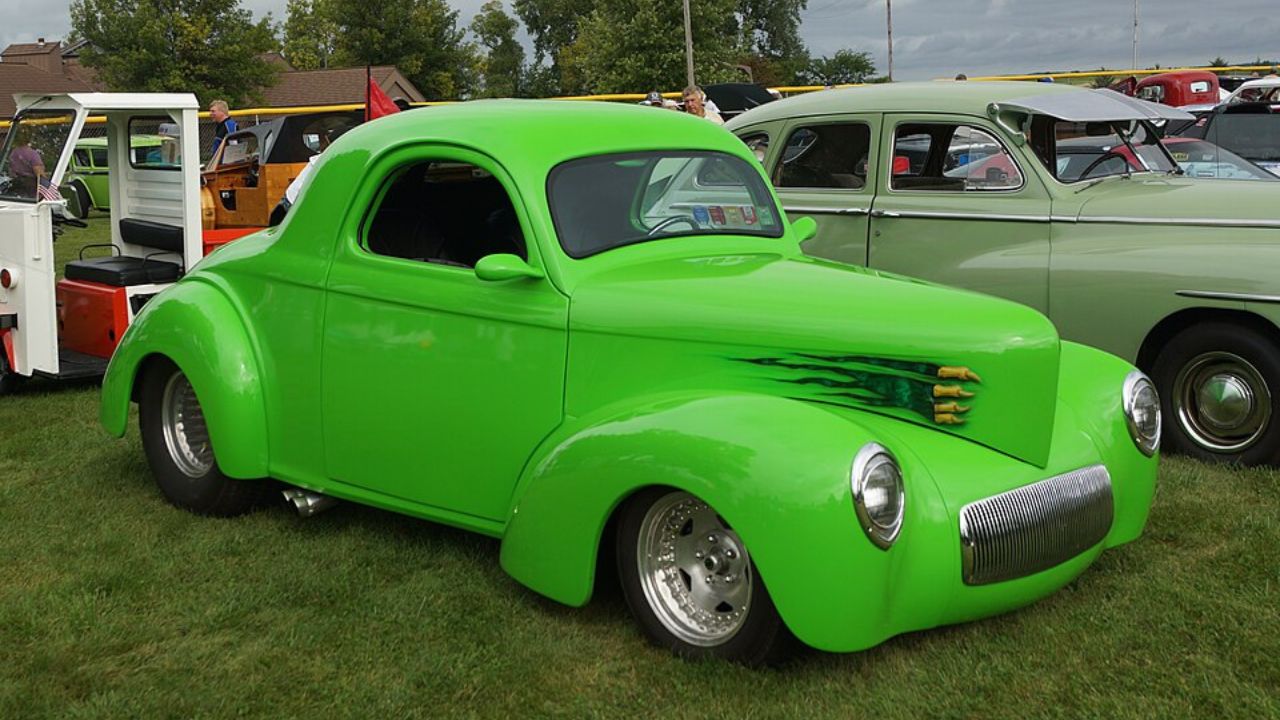
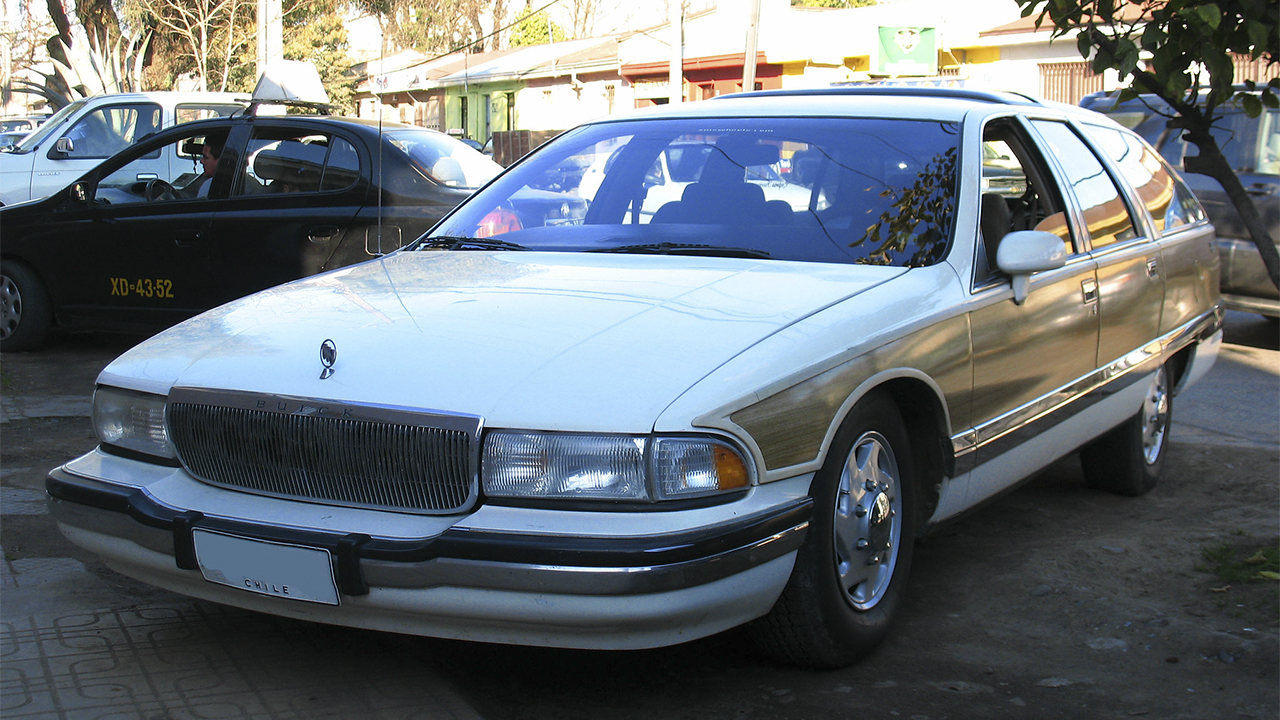
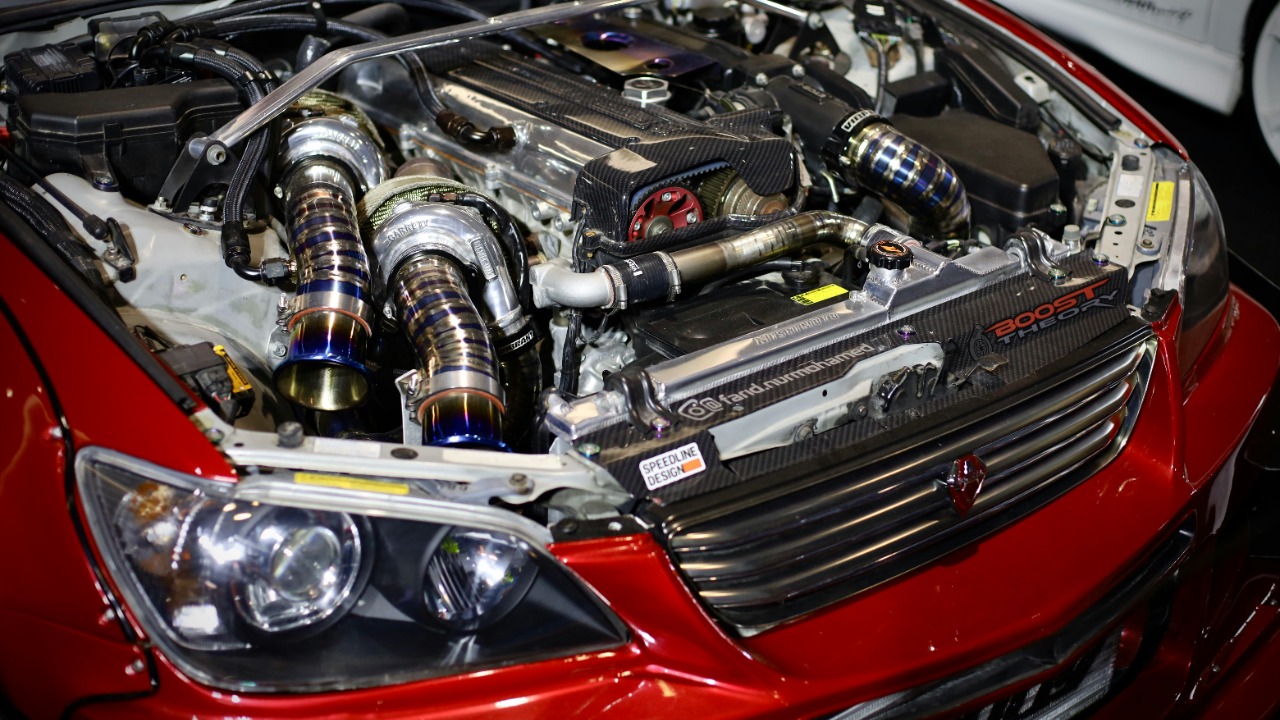
Exploring the evolution of car design is like taking a journey through time, each era marked by distinctive stylistic trends and technological advancements. From the ornate horseless carriages of the early 1900s to the sleek electric vehicles of today, the history of automotive design is a testament to innovation and cultural shifts. Let’s delve into the design trends that have defined each automotive era.
The Birth of the Automobile: Horseless Carriages and Brass Era Elegance
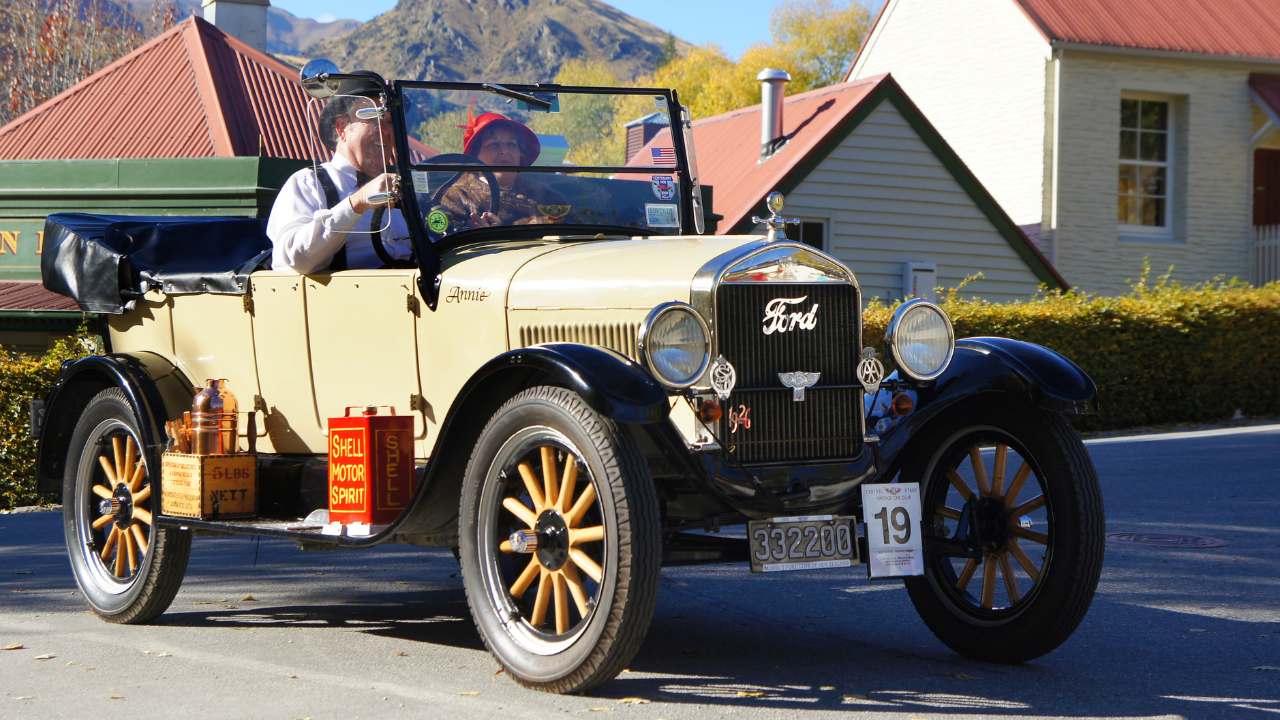
The early 1900s saw the advent of the automobile with vehicles resembling horse-drawn carriages, often referred to as the Brass Era. These designs were characterized by brass fittings, luxurious materials, and an open-top format. The 1908 Ford Model T revolutionized this era with its mass production, making cars more accessible to the public.
Innovations during this time included wooden wheels and elongated hoods, which were more about aesthetics than function. The focus was on elegance and a status symbol, with brands like Rolls-Royce and Cadillac leading the charge in luxury design.
Roaring Twenties: Streamlining and Art Deco Influence
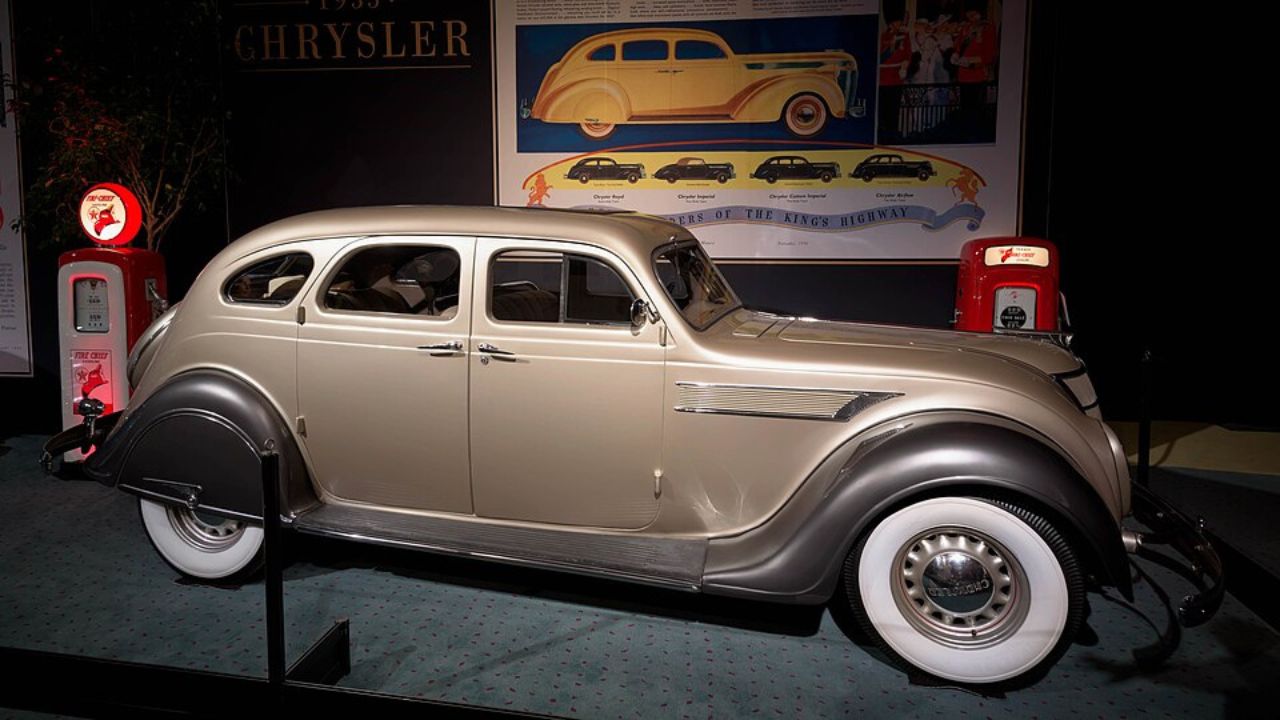
The 1920s ushered in a more streamlined look, heavily influenced by the Art Deco movement. This era’s vehicles featured smoother curves and more aerodynamic shapes, reducing drag and improving performance. The Chrysler Airflow, introduced in the 1930s, was a prime example, emphasizing form and function.
Designers began incorporating chrome accents and two-tone paint jobs, reflecting the decade’s opulence and love for innovation. Cars became symbols of freedom and progress, with brands like Duesenberg and Bugatti leading in both performance and style.
Post-War Prosperity: Tailfins and Chromatic Flourishes
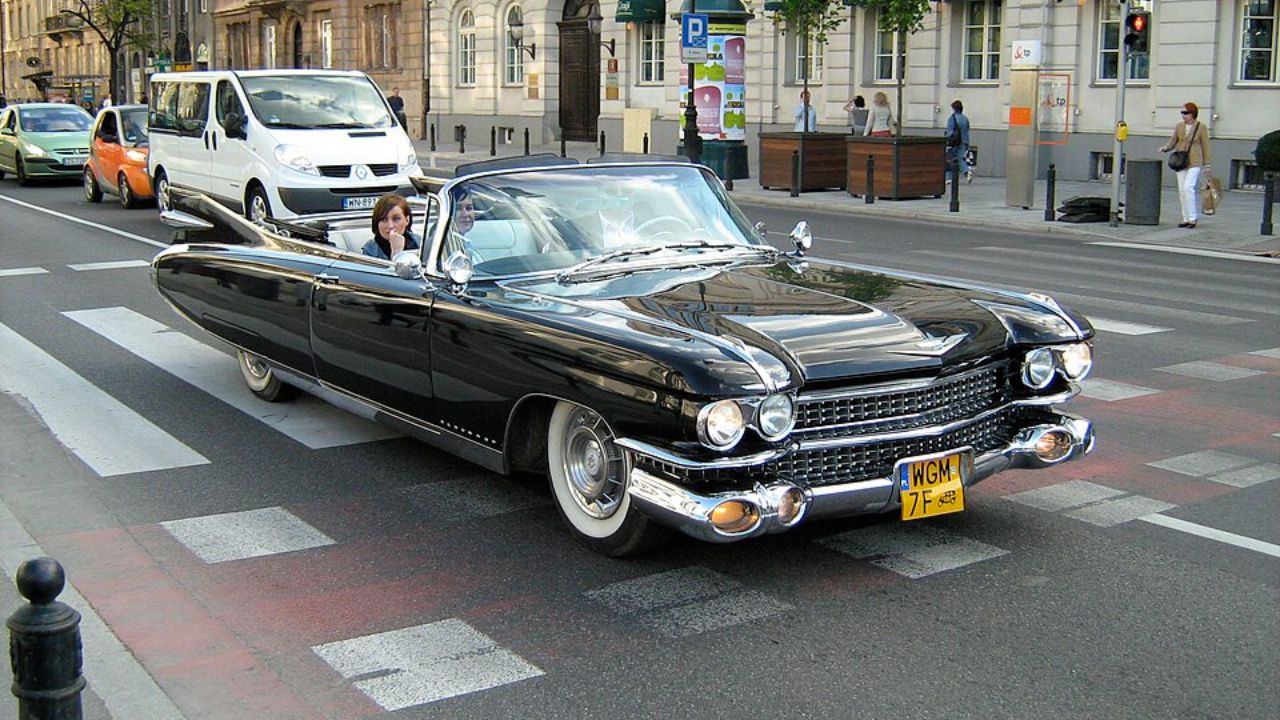
The post-World War II era was a time of prosperity and optimism, reflected in the bold automotive designs of the 1950s. Tailfins became a defining feature, inspired by jet aircraft and the space race. The 1959 Cadillac Eldorado is an iconic example with its exaggerated fins and chrome detailing.
Color palettes expanded with vibrant hues, and car interiors became more luxurious. The era also saw the introduction of conveniences like power steering and automatic transmissions, making driving more accessible and enjoyable.
The Swinging Sixties: Compact Cars and Minimalist Aesthetics
The 1960s brought a shift towards compact cars and minimalist designs. The British Mini, introduced in 1959, became a cultural icon, showcasing efficient use of space with its transverse engine layout. This trend reflected a societal shift towards practicality and urban living.
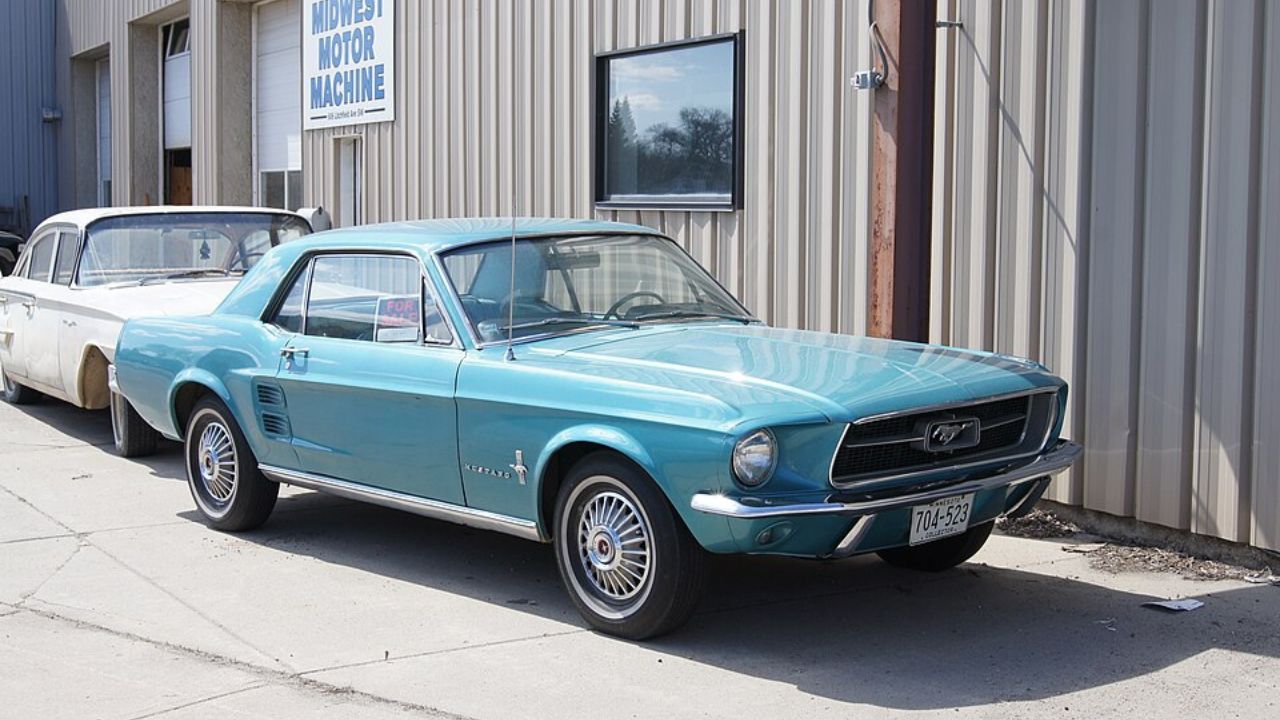
American muscle cars also emerged during this era, with models like the Ford Mustang and Chevrolet Camaro gaining popularity for their powerful engines and sporty looks. The focus was on performance, but with a streamlined aesthetic that appealed to a younger audience.
The Disco Era: Bold Colors and Angular Designs
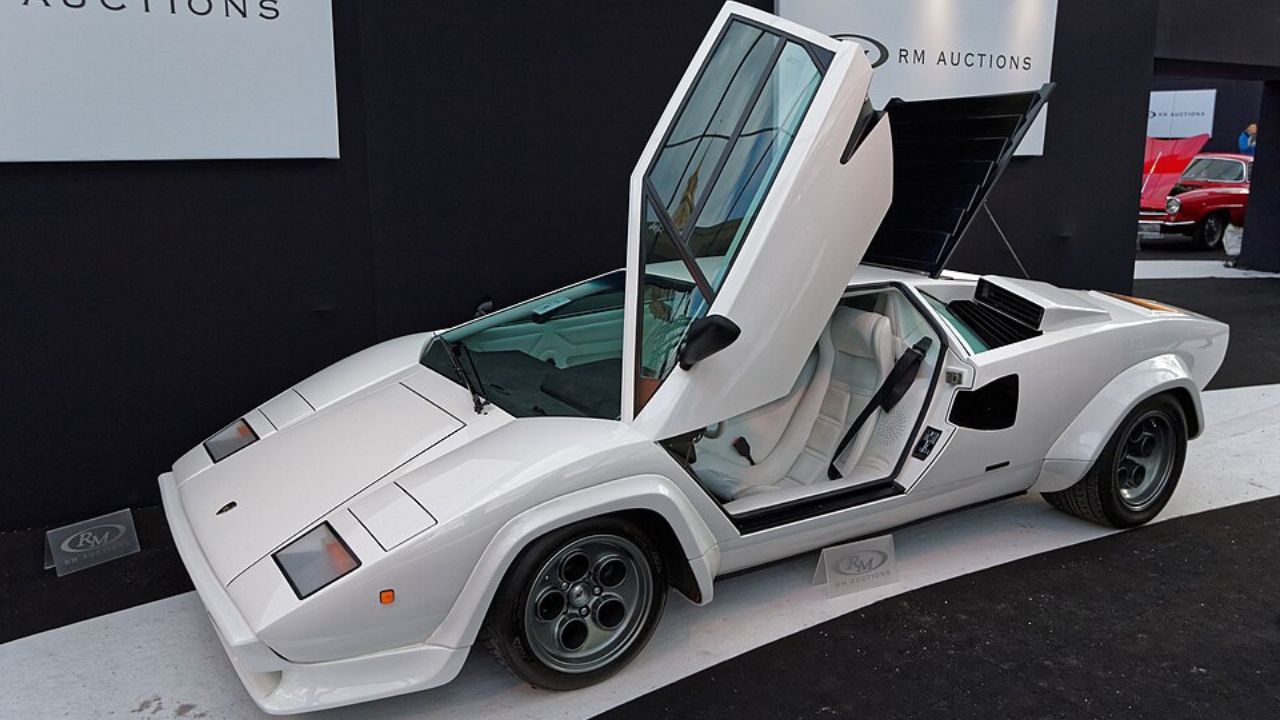
The 1970s and early 1980s were defined by bold colors and angular designs, mirroring the vibrant and eclectic disco culture. Vehicles like the Lamborghini Countach featured sharp lines and aggressive styling, capturing the era’s flamboyance.
This period also saw the introduction of wedge-shaped designs, increasing in popularity due to their futuristic appeal. Designers experimented with new materials and technologies, setting the stage for the digital revolution in automotive design.
The Fuel Crisis: Economy and Aerodynamics of the 1970s
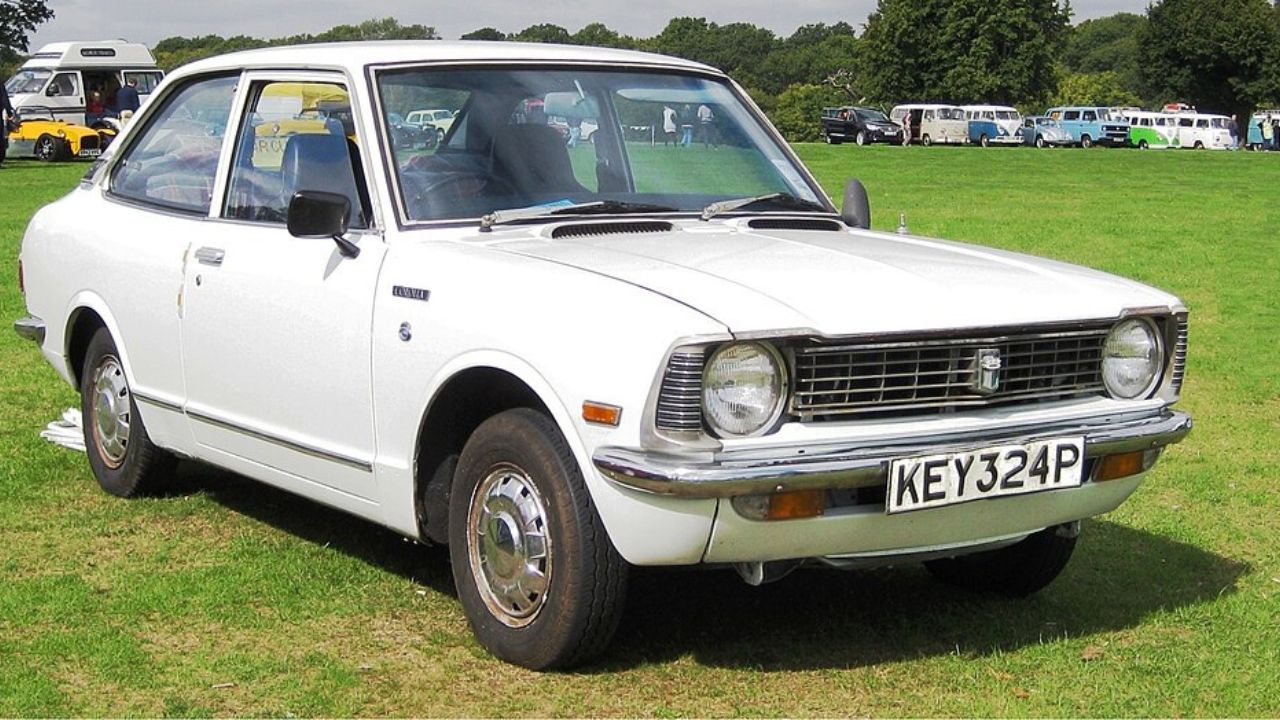
The oil crisis of the 1970s prompted a shift towards more fuel-efficient vehicles. Automakers focused on improving aerodynamics, leading to sleeker designs that reduced drag and improved fuel economy. The Volkswagen Golf emerged as a popular model, offering practicality and efficiency.
Compact and subcompact cars gained traction, with manufacturers like Toyota and Honda entering the U.S. market with economical models like the Corolla and Civic. The emphasis was on practicality without sacrificing style, paving the way for future innovations.
The Digital Revolution: Futuristic Forms and Sleek Lines of the 1980s
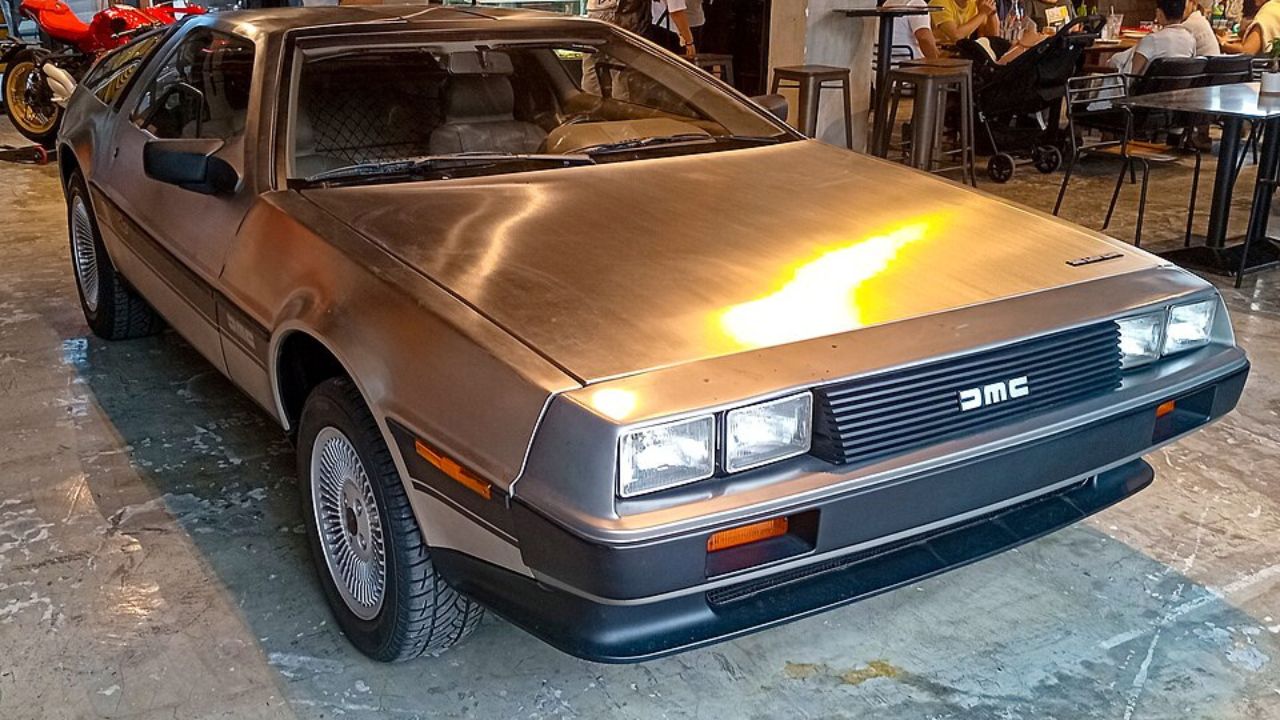
The 1980s saw the integration of digital technology in car design, with sleek lines and futuristic forms dominating the landscape. The DeLorean DMC-12, with its gull-wing doors and stainless-steel body, epitomized this trend and became a pop culture icon.
Digital dashboards, onboard computers, and electronic fuel injection systems were introduced, transforming the driving experience. The focus was on innovation, with brands like BMW and Mercedes-Benz leading the charge in combining technology with luxury.
The Globalization Age: Rounded Curves and Safety Innovations of the 1990s

The 1990s brought a shift towards rounded curves and an emphasis on safety. The Ford Taurus was a leader in this trend, showcasing a more organic shape that contrasted sharply with the angular designs of previous decades.
Safety became a priority, with the introduction of features like airbags and anti-lock braking systems. The globalization of the automotive industry led to the sharing of designs and technologies, resulting in cars that appealed to a broader audience.
The Turn of the Millennium: Retro Revival and New Classics
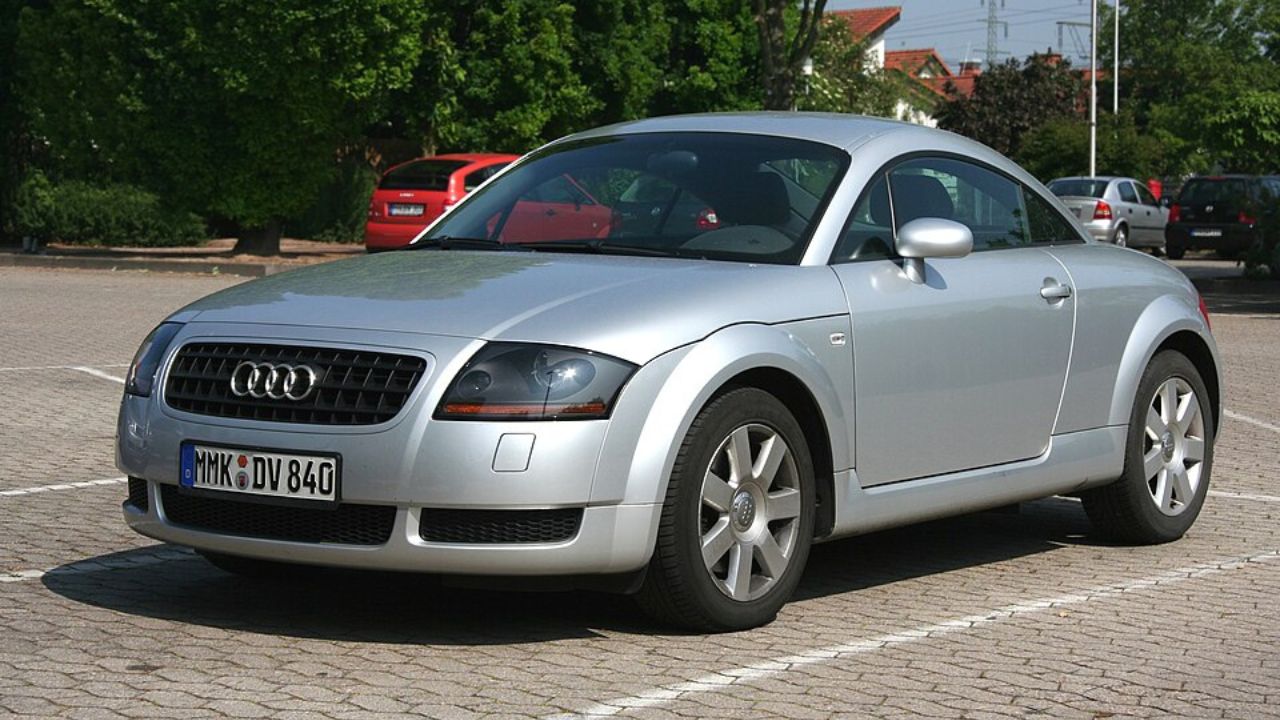
The early 2000s saw a resurgence of retro-inspired designs, with models like the Volkswagen New Beetle and the Mini Cooper paying homage to their classic predecessors. This retro revival was a nod to nostalgia while incorporating modern technology.
At the same time, new classics emerged, blending traditional aesthetics with contemporary innovations. The Audi TT, with its distinctive Bauhaus-inspired design, became a modern icon, highlighting a blend of past and present influences in automotive design.
The Eco-Conscious Era: Hybrid Designs and Sustainable Materials
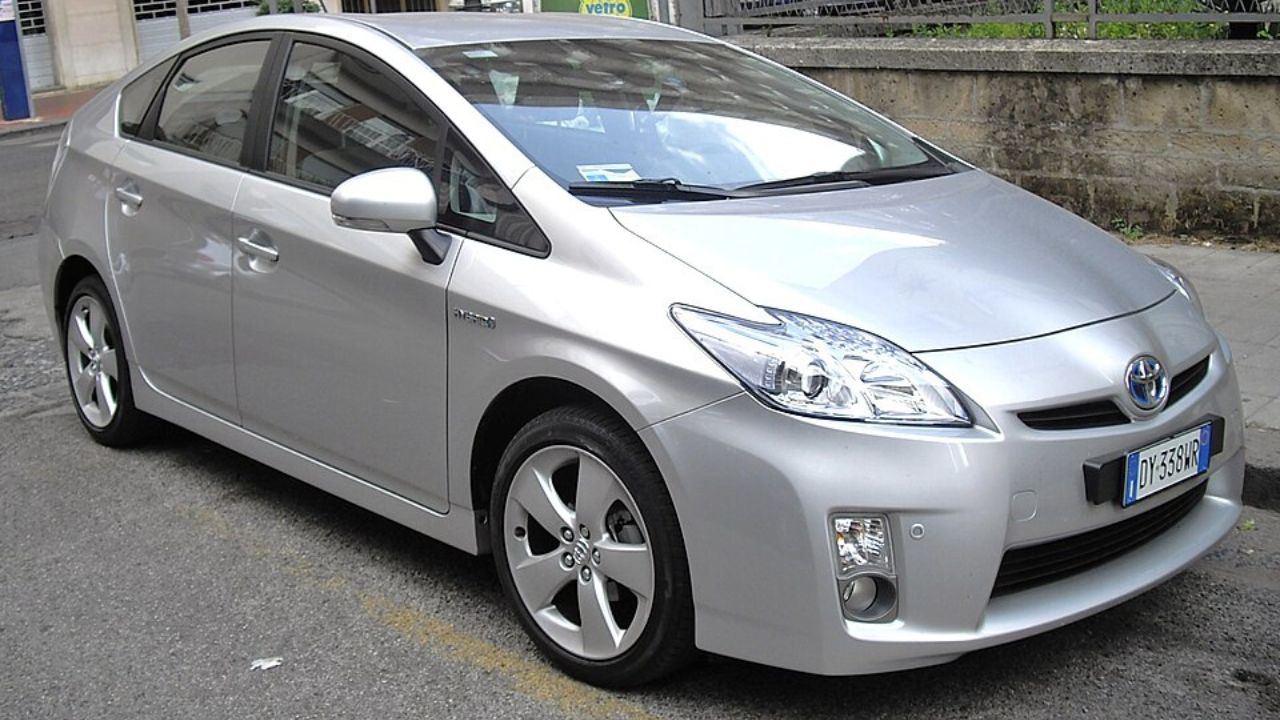
The 2010s marked a significant shift towards eco-conscious design, with hybrid and electric vehicles gaining popularity. The Toyota Prius led the charge, becoming synonymous with environmental responsibility and innovation.
Manufacturers began using sustainable materials, such as recycled plastics and natural fibers, in their vehicle interiors. This era emphasized reducing carbon footprints while maintaining style and performance, reflecting a growing societal awareness of environmental issues.
The Tech Integration Age: Connectivity and Autonomous Features
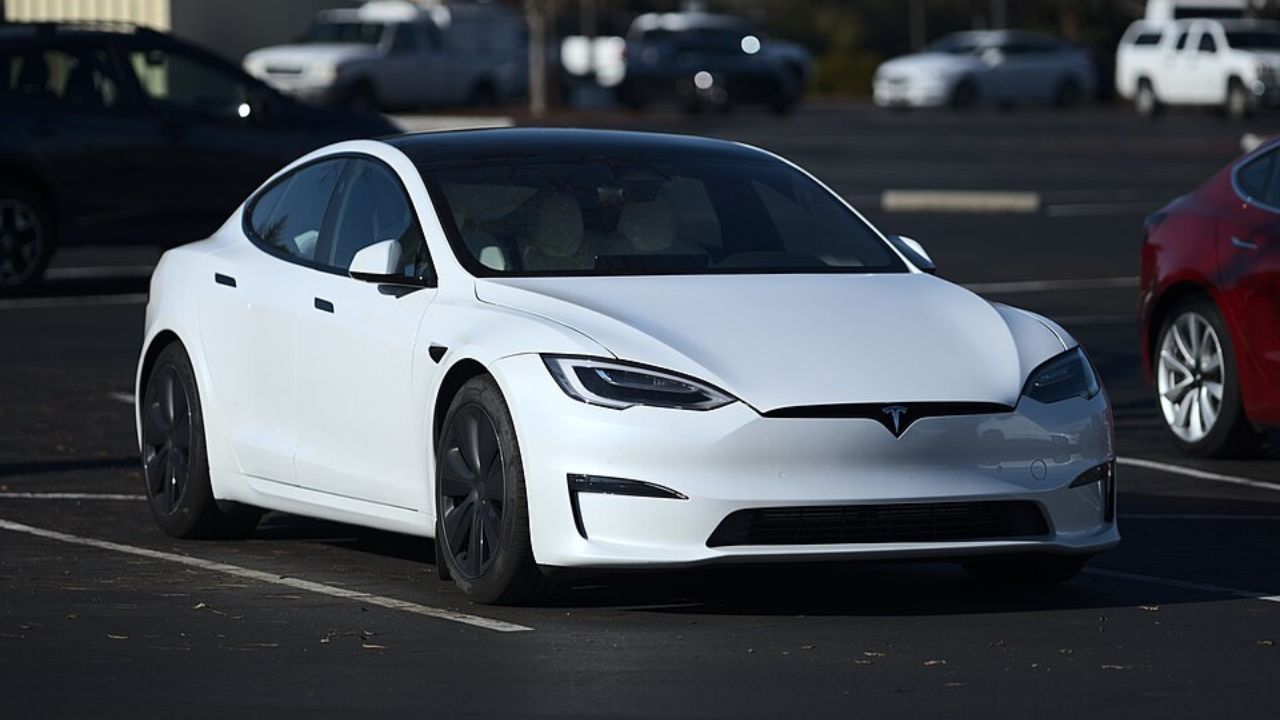
The 2020s have been defined by rapid advancements in technology integration, with connectivity and autonomous features becoming standard. Tesla’s Model S is at the forefront, with its advanced autopilot system and over-the-air software updates.
Infotainment systems now offer seamless connectivity with smartphones, enabling features like navigation, music streaming, and voice commands. The focus is on enhancing the driving experience through technology, paving the way for future innovations in autonomous vehicles.
The Future Forward: Electric Vehicles and Radical Concepts
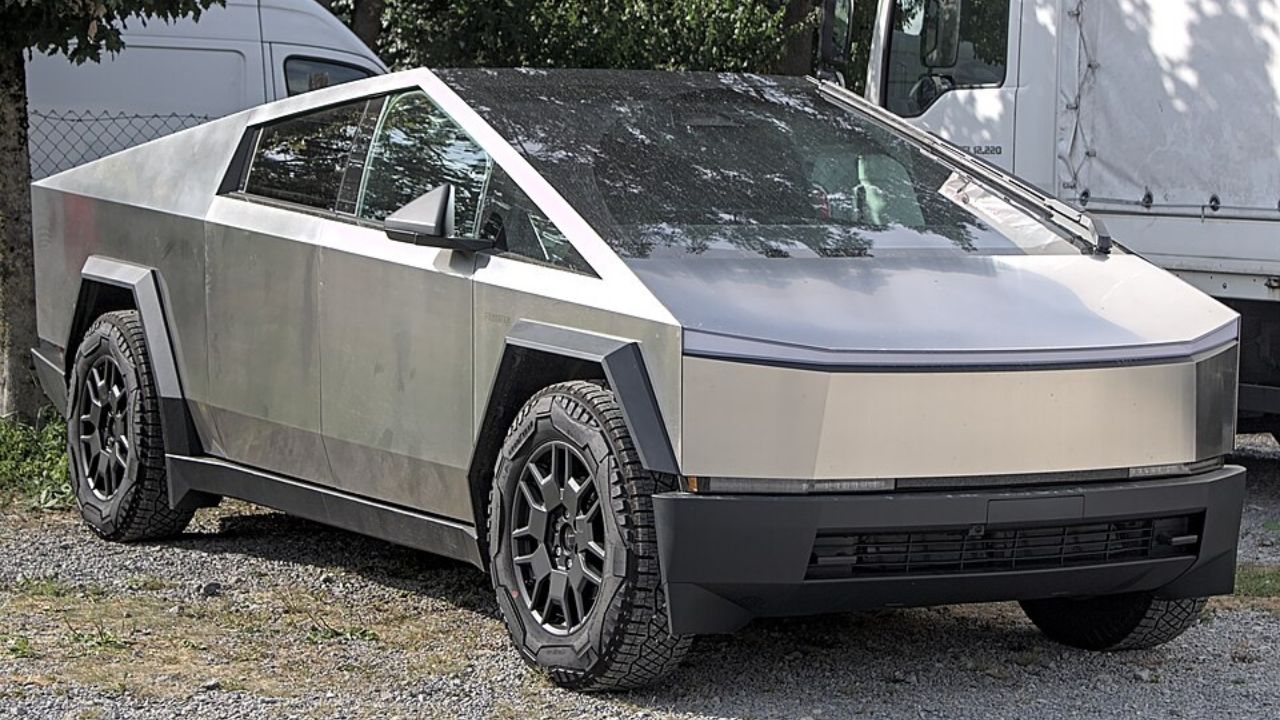
Looking ahead, the automotive industry is poised for a revolution with the rise of electric vehicles and radical new concepts. The Tesla Cybertruck, with its futuristic design and electric powertrain, exemplifies this shift towards sustainable and innovative transportation solutions.
Manufacturers are exploring new possibilities with concepts like flying cars and hyper-efficient urban vehicles. As technology continues to evolve, the future of car design promises to be as dynamic and transformative as the past, driving us towards a more sustainable and interconnected world.
Like Fast Lane Only’s content? Be sure to follow us.
Here’s more from us:
*Created with AI assistance and editor review.