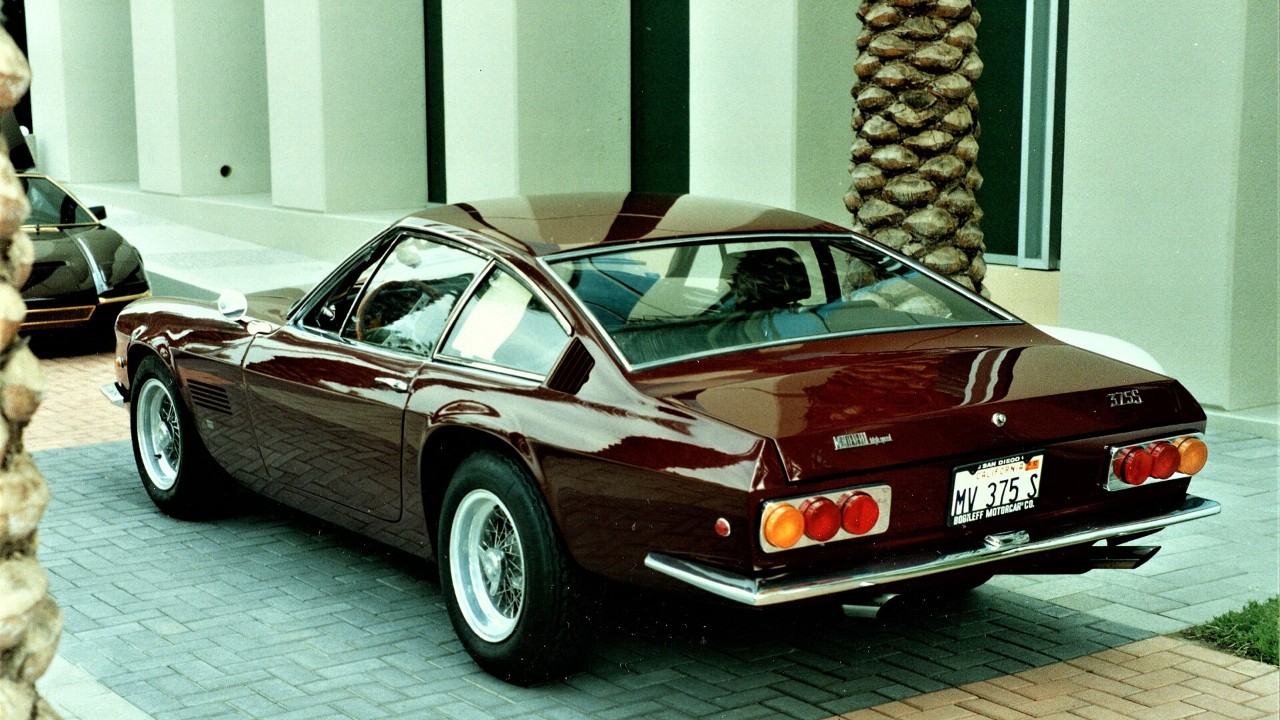
The Valiant began life as a sensible compact, sold as its own brand for 1960. Then Chrysler engineers, and later Chrysler Australia, kept bolting more power into it. By the 1970s, the Valiant Charger was running six-cylinder engines that would have shamed plenty of V8s. These are our picks for the Valiants that, in our view, looked almost too wild for a quarter-mile, from a hopped-up American slant six to Australian Hemi-powered coupes.
1. 1960 Valiant V-200

The V-200 was the dressy Valiant when the car arrived for 1960. It wore chrome spears on the front fenders, a stamped aluminum grille and a “V200” nameplate on the dash. Underneath, though, sat the new slant six, which made more power than rival economy sixes. That is the joke we love here. The fancy trim made it look like a commuter, yet the same engine family was about to clean up on the high banks at Daytona.
2. Valiant Hyper-Pak slant six

The Hyper-Pak was a dealer tuning kit, offered in limited numbers from December 1, 1959. It brought 10.5:1 compression and dual exhaust pipes. Chrysler engineer Dick Maxwell later said the factory race cars used 148-hp 170-cubic-inch sixes with a single four-barrel on a ram manifold. Then the cars proved it. At NASCAR’s first compact race at Daytona on January 31, 1960, Hyper-Pak Valiants took the first seven places, with Marvin Panch winning. The engine in our photo wears a reproduction Hyper-Pak setup by Clifford Performance, fitted to a 1962 Plymouth Valiant.
3. Chrysler Valiant VF Pacer

Chrysler Australia launched the Pacer in March 1969 as a budget sports sedan for young drivers. Its 3.7-liter slant six got a unique high-compression tune good for 175 bhp. In fact, the car was capable of sub-18-second standing quarters. The weak spot was a three-speed floor shift with a tall 2.95:1 first gear, which hurt launches. Still, Pacers took first and second in their class at the 1969 Datsun 3-Hour at Sandown.
4. Chrysler Valiant VG Pacer

The VG arrived in 1970 with a new Australian-built 245-cubic-inch Hemi six. Chrysler claimed it was “the most advanced engine of its kind in the world,” which is quite a boast for a family-car engine. The Pacer now came as a four-door sedan or a two-door hardtop on a longer 111-inch wheelbase. As a result, the VF Pacer’s racing career ended once the Hemi car landed in April 1970. A new engine that retires your old race car is a good sign.
5. Valiant Charger R/T E38

The VH Charger arrived in 1971 and won that year’s Wheels Car of the Year award. The R/T was the one to fear. Its E38 package used a 265-cubic-inch six rated at 280 bhp, paired with a three-speed manual. Moreover, the Charger won the first race it entered, the Toby Lee 100 at Oran Park. Six cylinders, 280 horses and a short coupe body sound like a drag-strip troublemaker to us.
6. Valiant Charger R/T E49

The E49 pushed the same 265 six to 302 bhp and finally added a four-speed manual. That’s wild output for a six in a production car of the era. At the 1972 Hardie-Ferodo 500 at Bathurst, Doug Chivas drove an E49 to third outright. He finished behind a Ford XY Falcon GTHO and a Holden Torana GTR XU-1. After that season, however, Chrysler withdrew from Australian touring car racing, leaving the E49 as the high point.
7. 1974 Chrysler Valiant VJ Charger 770 E55
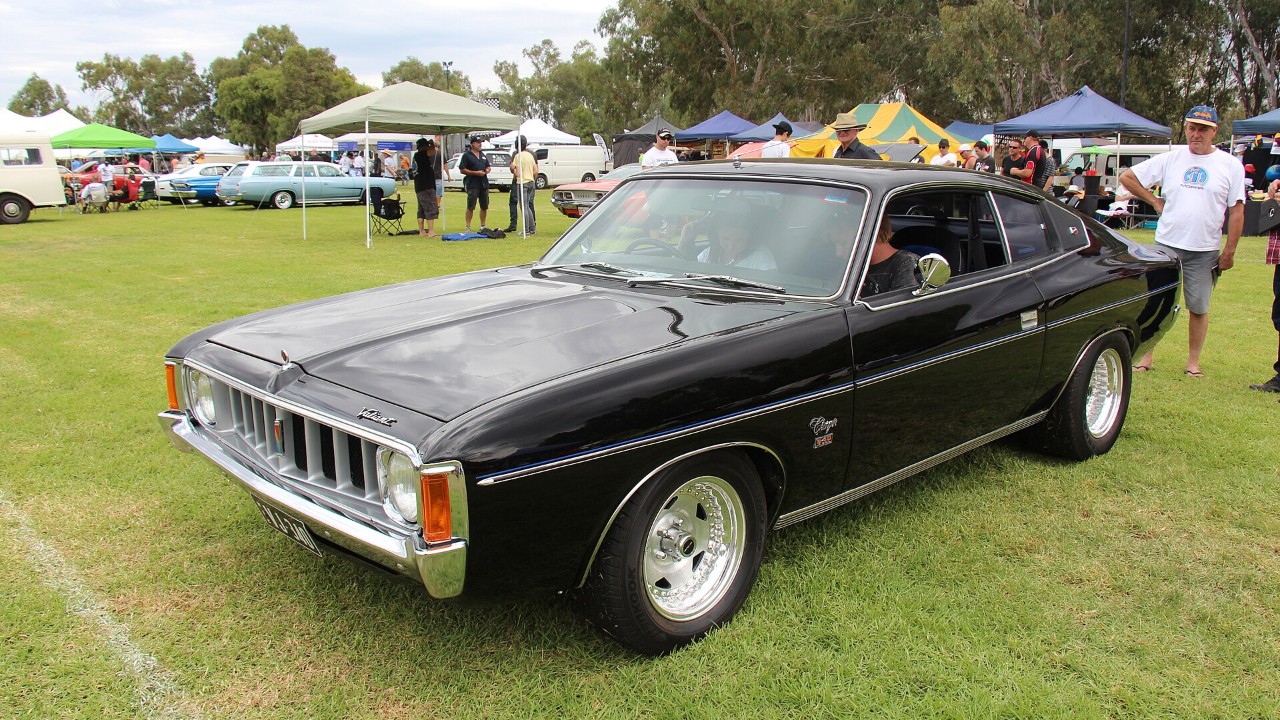
For the VJ series, Chrysler Australia swapped the hot six for a V8 in the plush Charger 770. The E55 package used a 340-cubic-inch four-barrel V8 rated at 275 bhp, with a three-speed automatic. Most E55 VJs came off the line in the second half of 1973, and production stopped when stocks ran out. Late in 1974, the E57 package with a 360-cubic-inch V8 took over. So the E55 had a short run, a big engine and a luxury badge.
More from Fast Lane Only