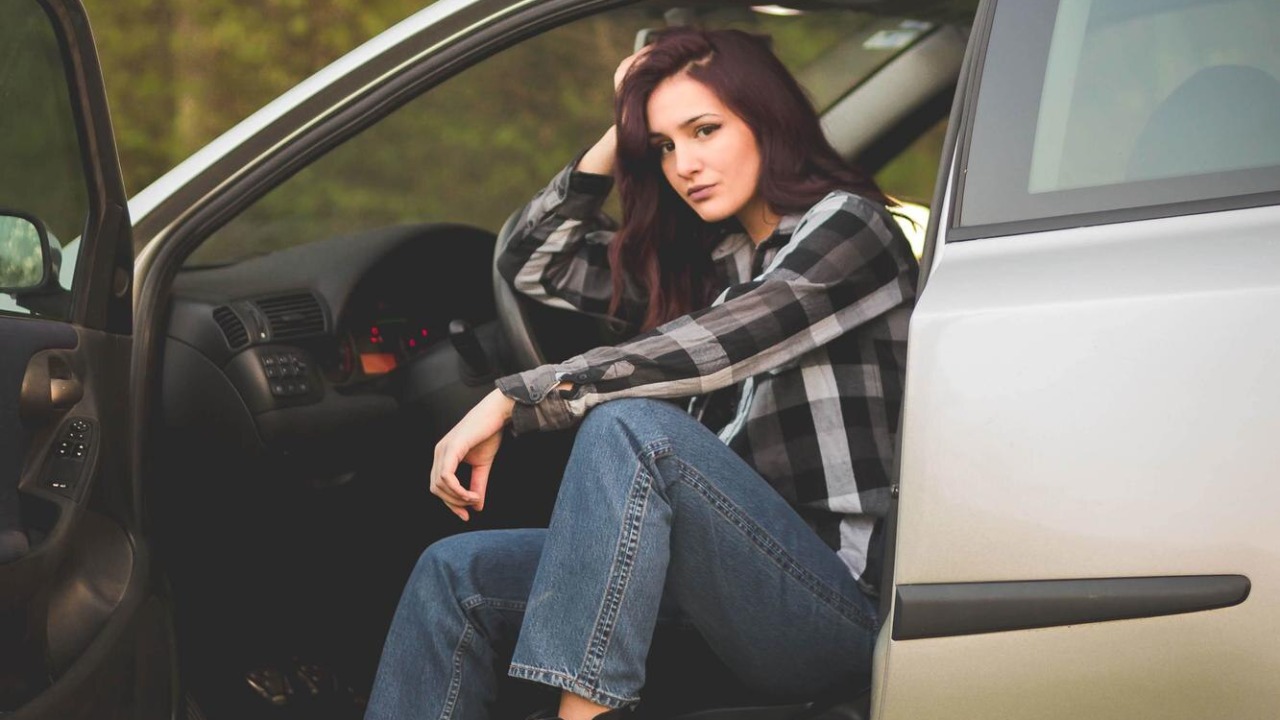
It started the way a lot of friendly neighborhood stories do: a casual chat, a quick favor, and a set of keys handed over with a “Sure, go ahead.” She’d been thinking about selling her car, and the neighbor had been curious for weeks. A short test drive felt harmless—practically the definition of normal.
But when the car rolled back into the driveway, it was obvious something was different. The mileage had jumped more than expected, the cabin smelled faintly like fast food and cologne, and there was a new, crumpled receipt on the passenger floor. Then came the biggest surprise: a small envelope wedged between the center console and the seat, not hers, and definitely not meant to be found.
A Simple Test Drive That Turned Into an Errand Run
She’d expected a quick loop around the block—maybe ten minutes, tops. Instead, the neighbor was gone long enough for her to check the time twice, water a plant, and start wondering if she should text. When the car finally returned, the neighbor acted breezy, like nothing unusual had happened.
According to what she later pieced together, that “test drive” included a pit stop at a convenience store, a run through a drive-thru, and at least one extra detour that didn’t exactly scream “checking the brakes.” Nothing about it looked like a joyride, but it also didn’t look like a careful evaluation of a vehicle. It looked like someone used her car as a temporary personal assistant.
The Envelope That Raised Eyebrows
The envelope wasn’t flashy—plain paper, no return address, and a hurried-looking note on the front. She spotted it while adjusting the seat back to her usual position, which is when it slid out just enough to catch her eye. Curiosity isn’t a crime, and honestly, if something appears in your car out of nowhere, your brain immediately starts writing stories.
Inside were a few folded documents and a handwritten reminder that sounded like it belonged to someone dealing with a stressful situation. No dramatic movie-style secrets, but enough personal details to make her stomach drop. It was the kind of thing you don’t want floating around in a neighborly mix-up.
Extra Miles, Extra Questions
After the initial “Wait, what?” moment, she did what most people do these days: she checked what she could verify. She looked at the odometer, compared it to the photo she’d taken earlier for a potential listing, and confirmed the jump. Then she checked her dash for any warning lights, because if someone drives your car like they’re late to their own wedding, you want to know.
Nothing seemed broken, but the timeline didn’t add up with a simple test drive. There were also a couple of small clues that suggested more than just a spin around the neighborhood: the receipt timestamp, the cup holder crumbs, and the way the radio was suddenly tuned to a station she’d never listen to on purpose. None of it proved anything huge, but it did paint a pretty clear picture: the car had been used for more than evaluating how it handles.
The Awkward Conversation at the Driveway
When she asked, casually at first, where the neighbor had gone, the answer came out a little too rehearsed. It was all “just checking how it drives on different roads” and “making sure it’s good at higher speeds.” Reasonable phrases, sure—except they didn’t explain the drive-thru bag smell or the convenience store receipt.
Then she mentioned the envelope. The neighbor’s face shifted—just a flicker, but enough. The response wasn’t angry, but it was quick and oddly defensive, like someone trying to grab a sentence out of the air before it landed wrong.
So What Was in the Car, Really?
Here’s where the story gets more “human” than sensational. The papers appeared to be related to a personal dispute and a payment schedule—nothing illegal on its face, but clearly private. The handwritten note sounded like someone juggling deadlines and pressure, the kind that makes people do sloppy things like leave important documents behind.
It’s also possible the envelope didn’t belong to the neighbor at all. If the car was parked with windows cracked, or if someone else rode along, or if the neighbor stopped somewhere and handled paperwork in the seat, it could’ve been accidentally dropped. The point wasn’t that she uncovered a grand conspiracy; it was that her car came back carrying someone else’s life admin.
Why This Happens More Than You’d Think
Test drives are one of those everyday things that feel low-risk—until they’re not. People hear “test drive” and assume it means a polite loop with both hands on the wheel and a respectful return. But to someone else, it can sound like permission to do errands, pick someone up “real quick,” or see how the car does on the highway twenty minutes away.
And because it’s a neighbor, the social rules get weird. You don’t want to be suspicious. You don’t want to be “that person.” So people hand over keys without thinking through what they’d do if the car didn’t come back on time—or came back with surprise paperwork and an extra 37 miles.
What She Did Next (And What Many Would Do, Too)
She didn’t call the police. She didn’t post about it on the neighborhood group chat, either, though you can bet she thought about it. Instead, she took a quieter route: she asked for the envelope back in a way that kept things calm, then made it clear she wouldn’t be doing another unsupervised test drive.
After that, she documented the mileage, cleaned out the car, and made a few practical changes. If she sells it, she’ll take the buyer along on the test drive, hold onto their license info, and set a clear time limit. Friendly doesn’t have to mean unprotected.
A Neighborly Favor With a Side of Life Lessons
The strangest part, she said later, wasn’t even the envelope—it was realizing how quickly a small favor can turn into a situation. One minute you’re being kind, the next you’re playing detective in your own passenger seat. The whole thing felt slightly absurd, like the plot of a low-stakes mystery where the villain is just… awkward decision-making.
In the end, the car was fine, the documents were returned, and the neighborhood didn’t erupt into drama. But the trust got a little scratch on it, the kind you can’t buff out with a car wash. And if anyone asks her now whether she’d let someone “just take it around the block,” she already knows the answer.
More from Fast Lane Only