Throughout automotive history, there have been remarkable vehicles that achieved iconic status without the need for excessive horsepower. These cars showcase that charm, design, and engineering can often outweigh raw power. From quirky compact cars to revered classics, each of these icons has left an indelible mark on the automotive landscape.
Volkswagen Beetle
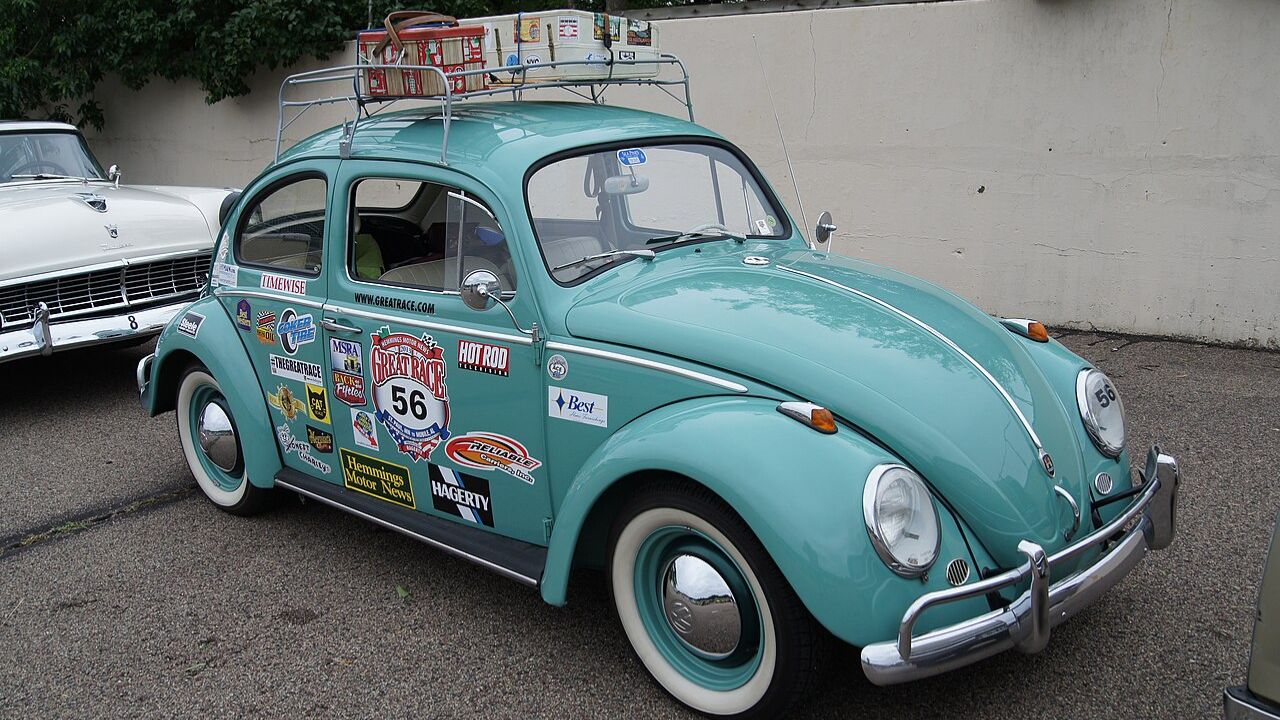
The Volkswagen Beetle, first produced in 1938, is a prime example of how a car can become a cultural icon without relying on high horsepower. With a modest 25 horsepower from its original air-cooled engine, the Beetle was designed for efficiency and practicality. Its unique shape and friendly personality made it an instant hit, particularly during the 1960s. The Beetle’s reliability and affordability helped it become one of the best-selling cars of all time, with over 21 million units produced. Even today, the classic Beetle is celebrated for its design and simplicity, proving that charm can triumph over sheer power. If you want to learn more about its impact, check out discussions on horsepower thresholds.
Mini Cooper
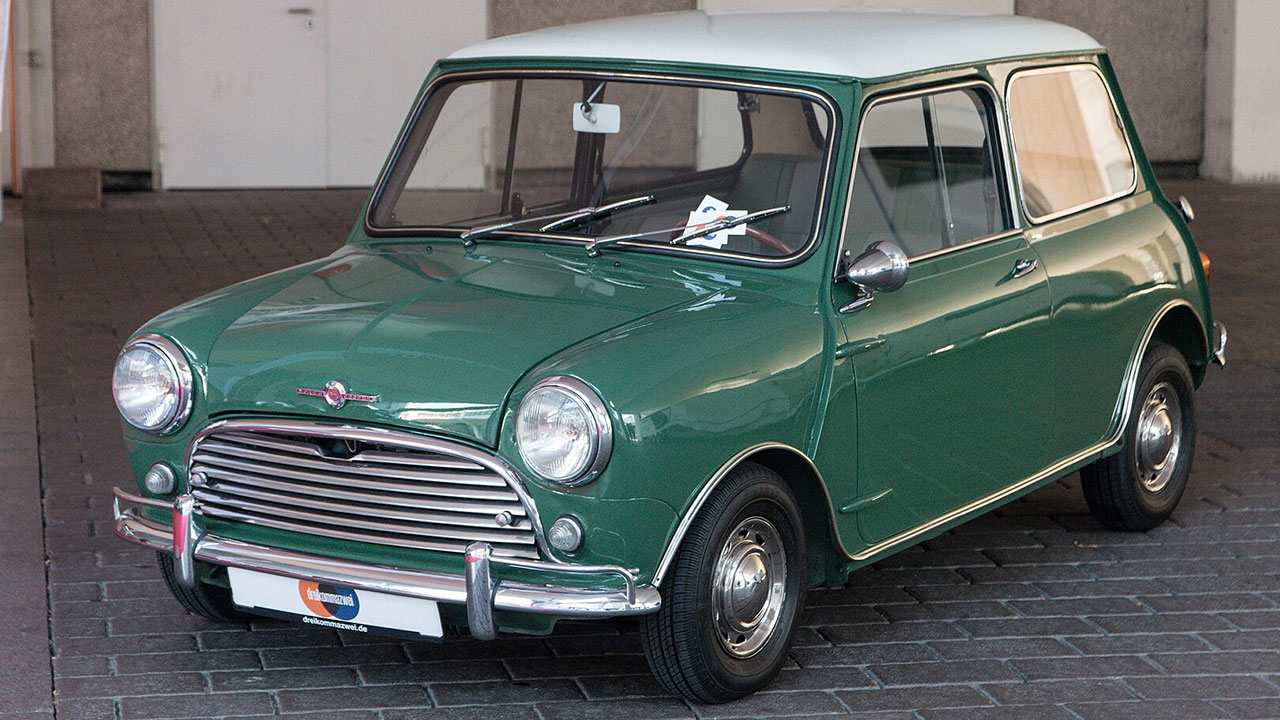
The Mini Cooper, launched in 1961, quickly became a symbol of British automotive ingenuity. Designed by Sir Alec Issigonis, the Mini was small in size but big on personality. Early models boasted just 34 horsepower, yet the car’s lightweight construction and nimble handling made it a favorite in motorsports, particularly in rally racing. The Mini’s compact dimensions allowed it to navigate tight city streets with ease, while its quirky design and vibrant colors captured the hearts of enthusiasts. The Mini’s legacy continues today, with modern iterations honoring its classic roots. For a deeper dive into its racing pedigree, visit this comprehensive list of sports cars.
Fiat 500
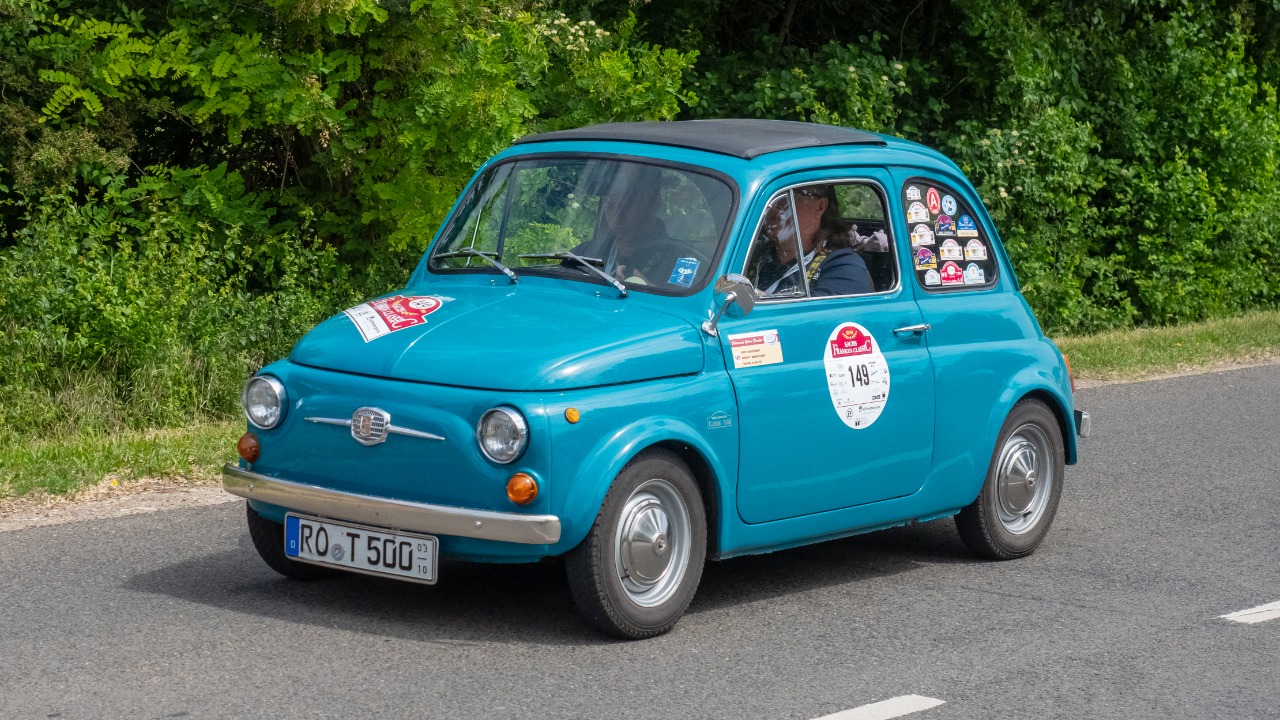
Introduced in 1957, the Fiat 500, or “Cinquecento,” is another small car that left a significant mark on automotive culture. With only 13 horsepower in its earliest form, the Fiat 500 was designed for urban mobility in post-war Italy. Its compact dimensions made it perfect for navigating narrow streets, and its classic design remains beloved to this day. The 500’s versatility, with numerous variants over the years, has kept it relevant in the automotive world. Recent models maintain the retro charm while integrating modern technology, ensuring that the Fiat 500 continues to be a favorite among city dwellers and collectors alike. For those interested in automotive design history, check out this detailed book on automotive icons.
Porsche 911 (Early Models)
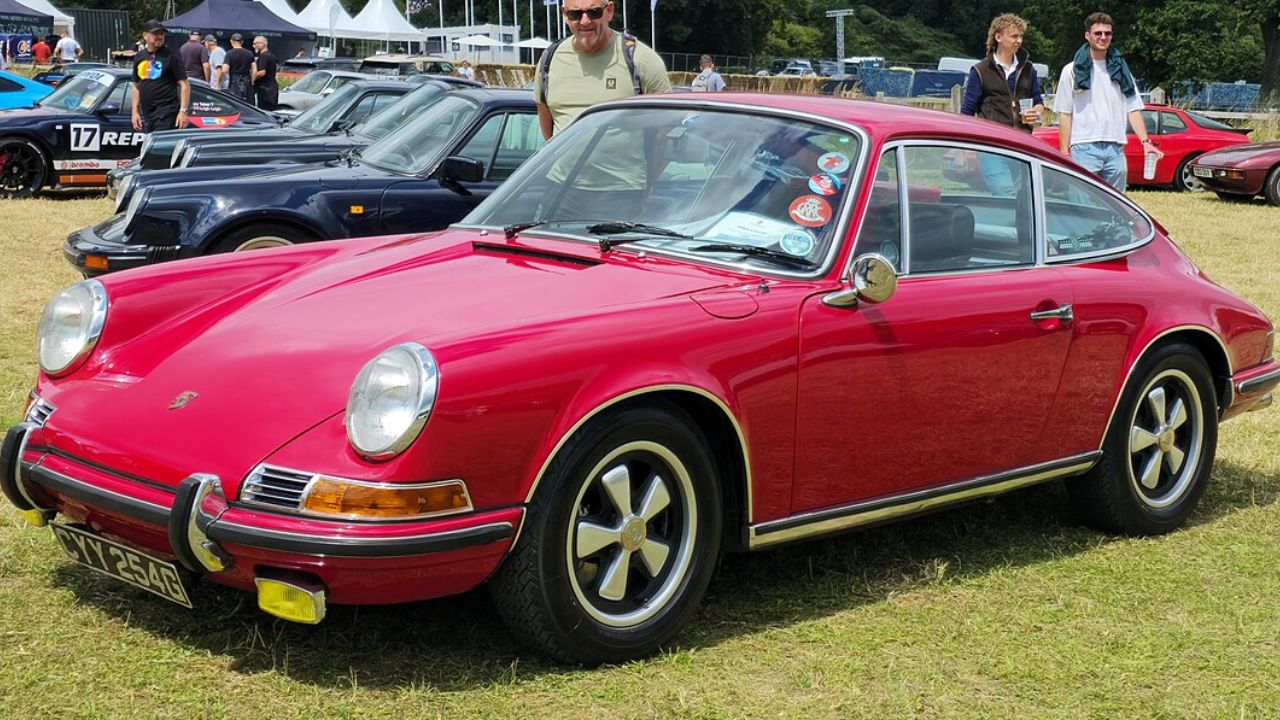
The early models of the Porsche 911, introduced in 1964, are celebrated not just for their design but also for their engineering brilliance. With a modest 130 horsepower from its flat-six engine, the 911 proved that performance isn’t solely about power figures. Its rear-engine layout and lightweight construction contributed to exceptional handling and driving dynamics. The 911 quickly became a staple in motorsport, dominating various racing categories. Over the years, the 911 has evolved, but its core philosophy remains intact. Today, it stands as a testament to how a well-executed design and engineering can create an enduring performance icon.
Citroën 2CV
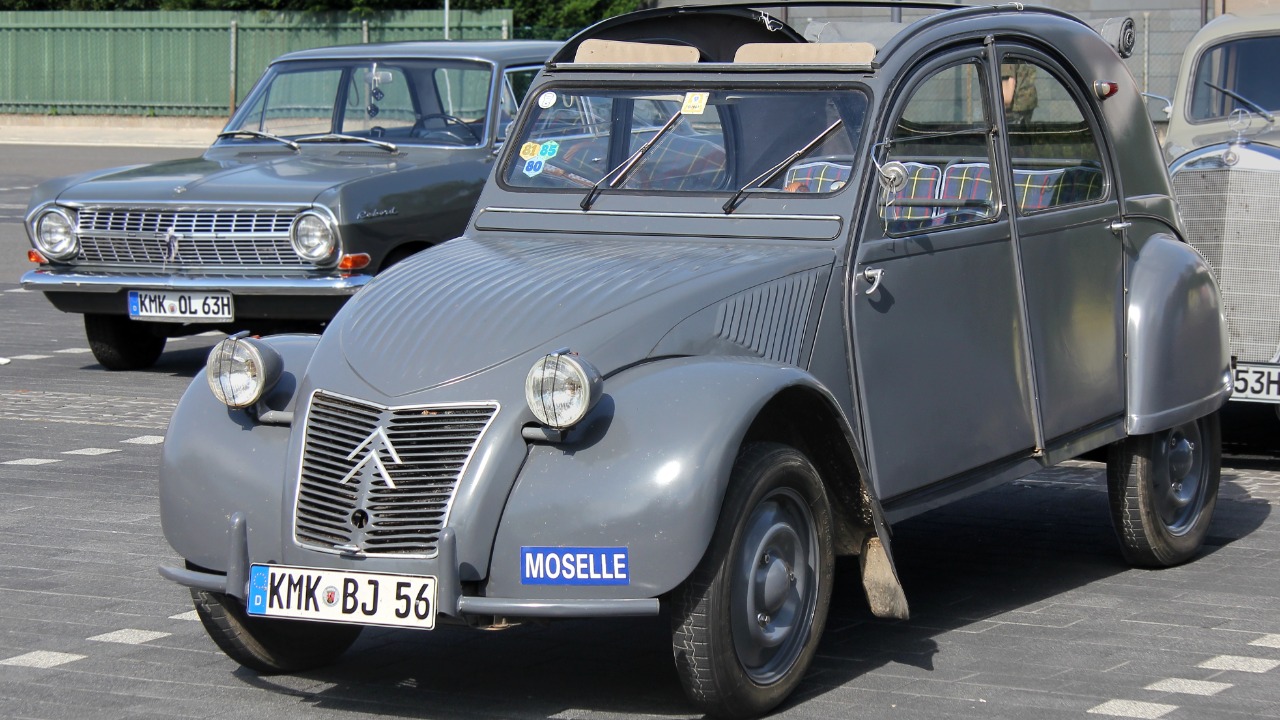
The Citroën 2CV, affectionately known as the “Deux Chevaux,” is one of the most beloved French cars ever produced. Launched in 1948, the 2CV was designed to be an affordable and practical vehicle for the masses. With just 29 horsepower, it was never about speed; rather, it focused on utility and simplicity. Its quirky design, featuring a corrugated body and minimalist interior, made it an instant classic. The 2CV’s ability to carry a basket of eggs across a plowed field without breaking any was a testament to its innovative engineering. The car’s charm has resulted in a strong fanbase, ensuring its place in automotive history.
Honda Civic (Classic Models)
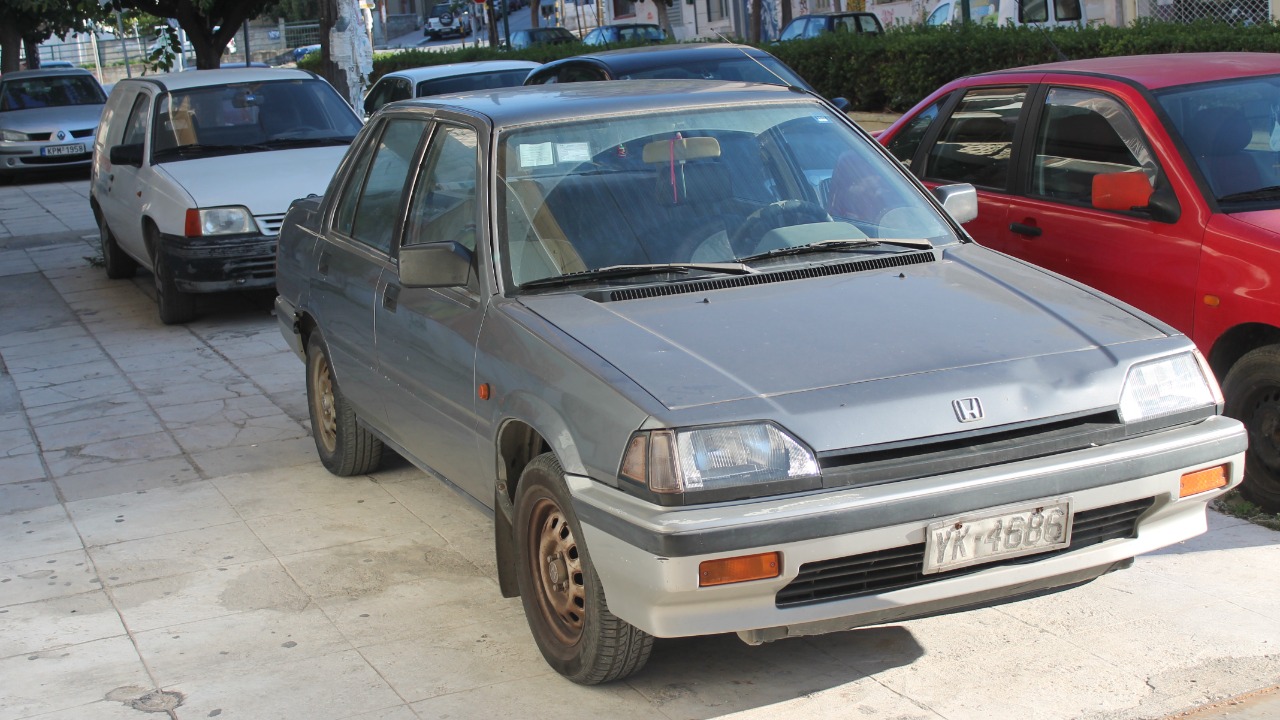
The classic Honda Civic, particularly models from the late 1970s and early 1980s, is a remarkable example of efficiency and reliability. Originally introduced in 1972, early Civics featured engines that produced around 50 horsepower. Despite their low power, these compact cars became synonymous with fuel efficiency and practicality. The Civic’s reputation for reliability made it a popular choice among drivers seeking an affordable and dependable vehicle. Over the years, the Civic has evolved into a performance-oriented model, but its roots in the classic era remind us that a car doesn’t need immense power to be successful. The Civic’s impact on the compact car segment is undeniable.
MG MGB
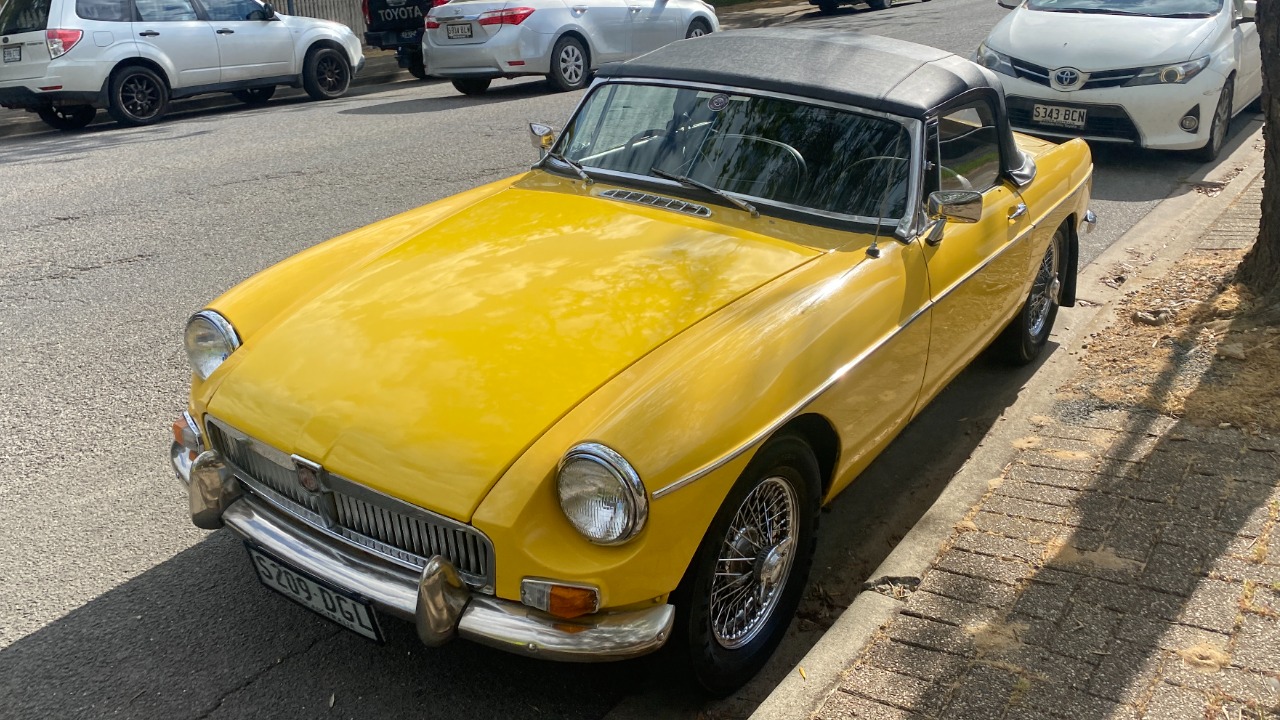
Launched in 1962, the MG MGB became a quintessential British sports car, offering a blend of performance and style. With a modest 95 horsepower from its 1.8-liter engine, the MGB was designed for spirited driving rather than outright speed. Its lightweight body and balanced chassis provided an engaging driving experience, making it a favorite among enthusiasts. The MGB’s classic design features, such as the chrome bumpers and dual headlights, have made it a timeless icon. While it may not have had the horsepower of some competitors, its charm and driving dynamics solidified its status as a beloved classic. The MGB remains a popular choice for classic car collectors.
Toyota Corolla
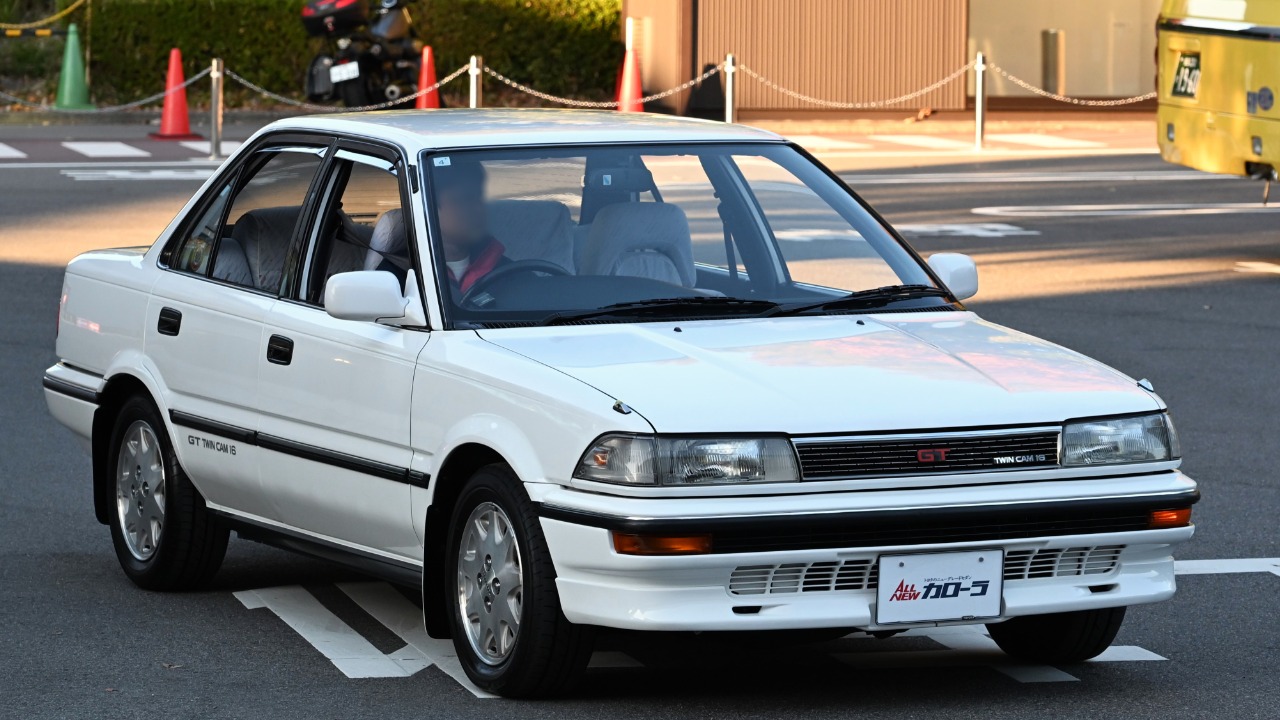
The Toyota Corolla has been a staple in the automotive world since its introduction in 1966. Initially equipped with only 60 horsepower, the Corolla was built with reliability and efficiency in mind. Over the years, it has evolved into one of the best-selling cars globally, a testament to Toyota’s commitment to quality. The Corolla’s straightforward design and practicality have made it a favorite among families and commuters alike. Even as it has gained more power in recent models, its legacy as a dependable compact car endures. The Corolla’s popularity highlights that a car doesn’t need to be the fastest to win the hearts of many.
Saab 900
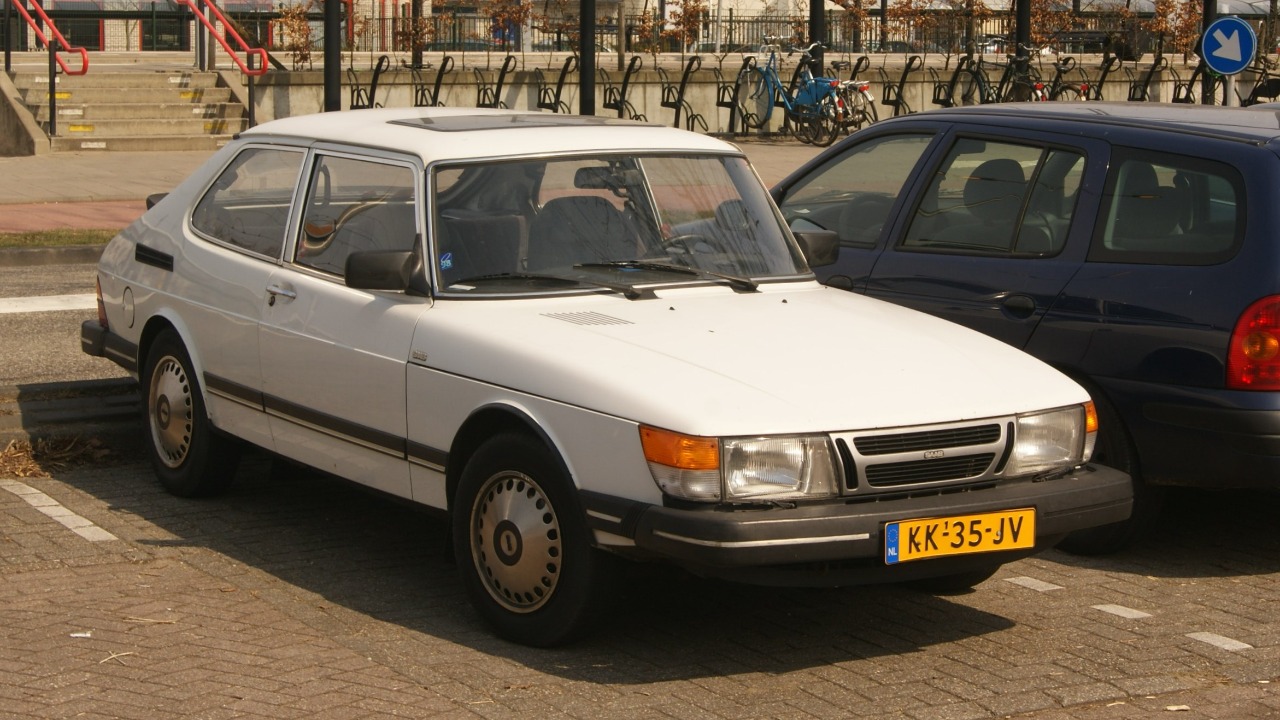
The Saab 900, introduced in 1978, is often remembered for its quirky design and unique engineering. With early models producing around 100 horsepower, the Saab 900 was not about raw speed but rather about providing a distinctive driving experience. Its turbocharged variants added a level of performance that appealed to enthusiasts, but the standard models focused on comfort and practicality. The 900’s distinctive hatchback design and spacious interior made it a versatile choice for families. Today, it has a dedicated fanbase, with many enthusiasts appreciating its unique character and charm, proving that a car can be memorable without huge horsepower figures.
BMW 2002
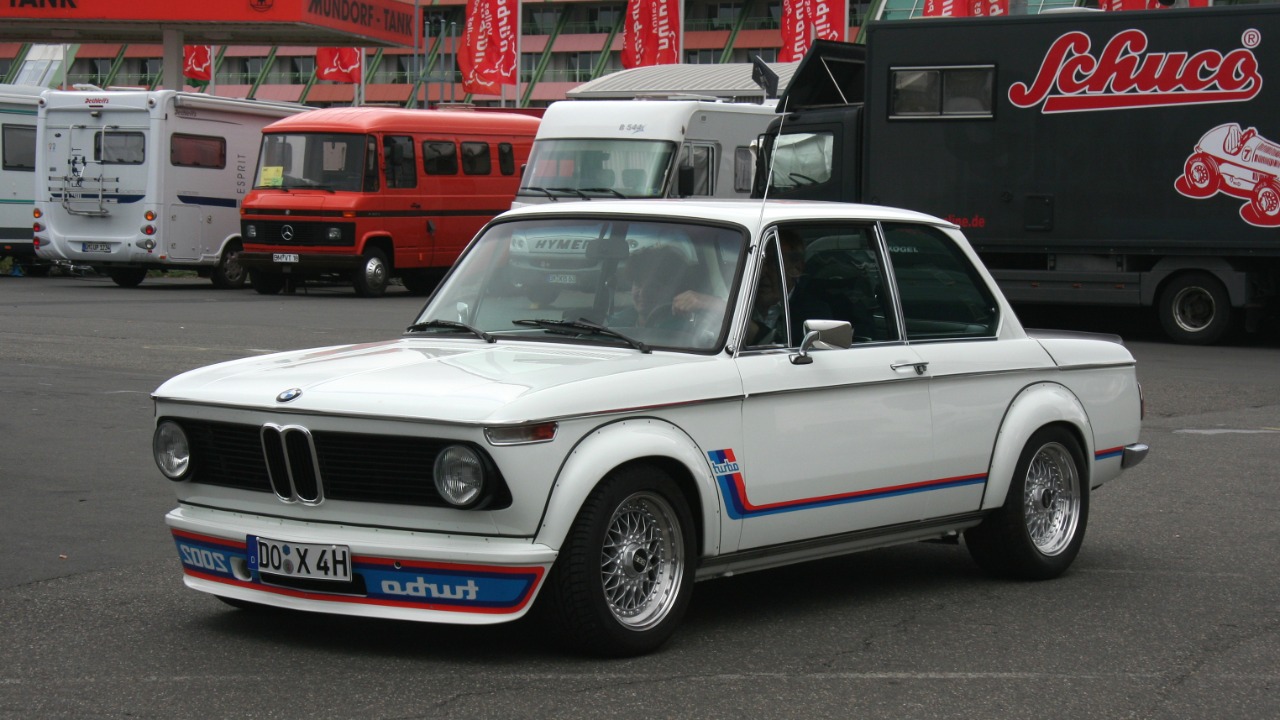
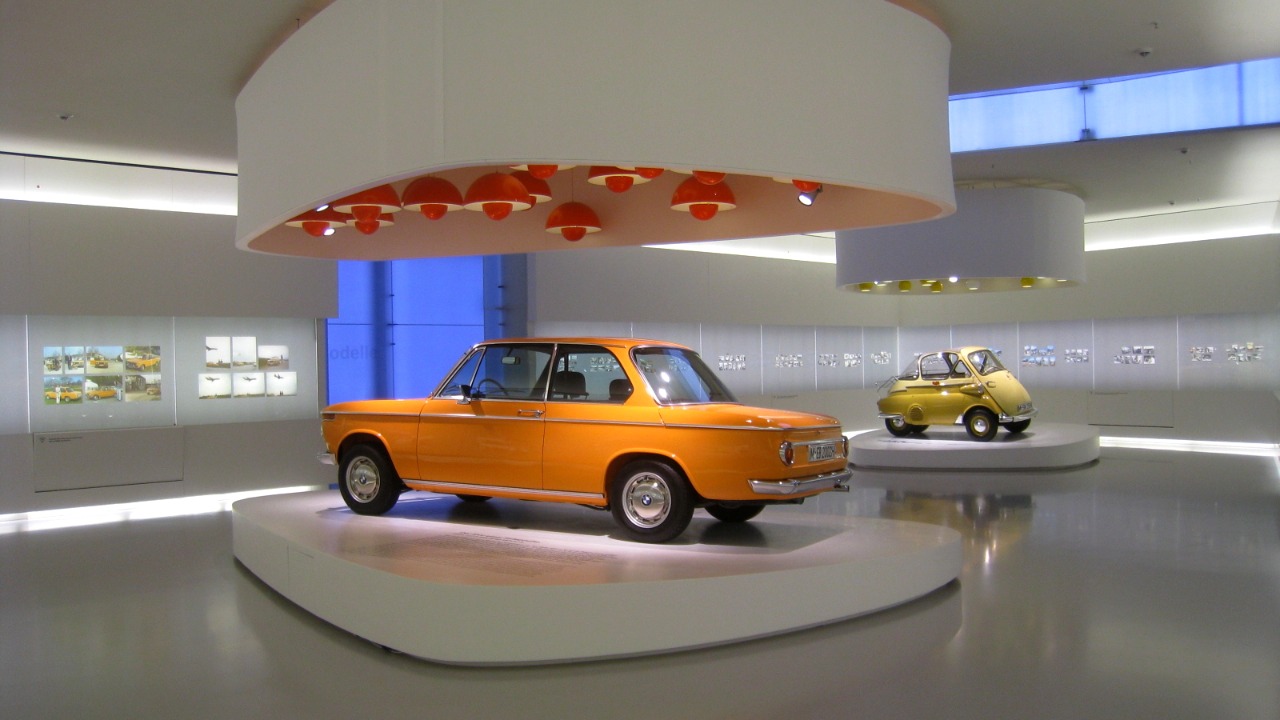
The BMW 2002, produced from 1968 to 1976, is often credited with igniting BMW’s success in the compact sports sedan segment. With just 100 horsepower from its 2.0-liter engine, the 2002 was not the most powerful car in its class, but it offered exceptional handling and driving pleasure. It played a significant role in establishing BMW’s reputation as a manufacturer of sport-oriented cars.
More from Fast Lane Only
- Unboxing the WWII Jeep in a Crate
- 15 rare Chevys collectors are quietly buying
- 10 underrated V8s still worth hunting down
- Police notice this before you even roll window down
*Research for this article included AI assistance, with all final content reviewed by human editors.