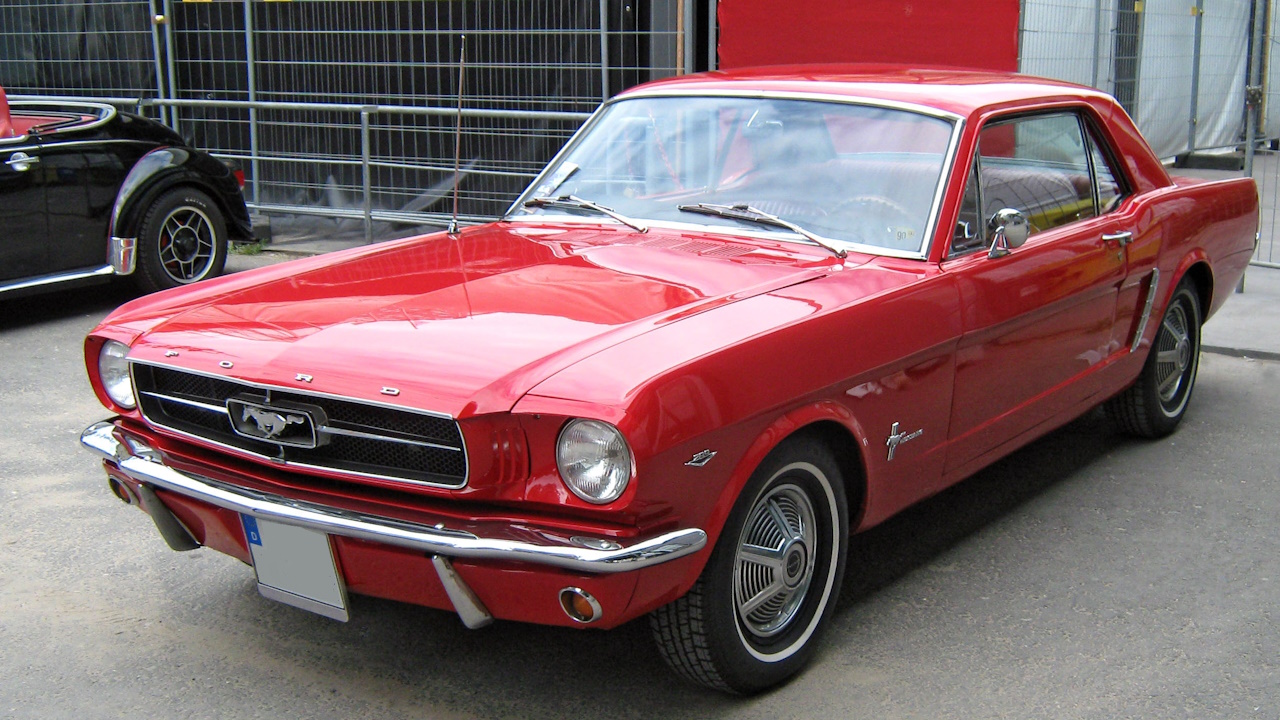
The 1965 Ford Mustang was introduced as an affordable sporty car aimed at younger buyers, but its success quickly surpassed even Ford’s most optimistic forecasts. Within months of its debut, demand overwhelmed production, dealerships struggled to keep cars in stock, and the Mustang became the foundation of an entirely new automotive segment. Its remarkable popularity changed not only Ford’s future but also the direction of the American auto industry.
Ford Expected Success, But Not a Sensation
When the Mustang debuted in April 1964 as an early 1965 model, Ford believed it had created a stylish, affordable car that would appeal to first-time buyers and families looking for something more exciting than a conventional compact. The company projected healthy sales, but its internal expectations were far lower than what actually happened.
Public enthusiasm was immediate. Crowds packed dealerships to see the new car, and many locations reported selling multiple Mustangs on the very first day. In some cases, eager customers even purchased showroom display models because they did not want to wait for additional inventory.
Ford quickly realized it had underestimated demand. Production facilities accelerated output, yet supply often struggled to keep pace with the extraordinary number of orders arriving from across the country.
The Mustang had become far more than just another new model.
Buyers Loved the Ability to Personalize It
One of the Mustang’s greatest strengths was the variety it offered. Buyers could choose between coupe, convertible, and fastback body styles while selecting from several engines, transmissions, interior trims, and optional equipment packages.
This flexibility allowed customers to create a Mustang that suited both their budget and personal tastes. Some preferred economical six-cylinder models for everyday transportation, while others selected powerful V8 engines and performance upgrades for a more spirited driving experience.
The extensive options list also encouraged buyers to view the Mustang as a personal statement rather than simply a means of transportation. Few affordable cars of the era offered so many ways to customize the ownership experience.
That broad appeal attracted customers from nearly every age group and lifestyle.
The Mustang Created an Entirely New Market
As sales continued climbing, it became clear that the Mustang had accomplished something larger than Ford originally intended. Rather than competing directly with existing compact cars, it effectively established the “pony car” segment—a new category combining sporty styling, practical dimensions, and affordable pricing.
Competing manufacturers quickly recognized the Mustang’s success. Within a few years, rivals introduced their own sporty coupes, including the Chevrolet Camaro, Pontiac Firebird, Dodge Challenger, and Plymouth Barracuda, all seeking to capture a share of the rapidly growing market.
The Mustang also strengthened Ford’s youthful image at a time when many buyers were looking for vehicles that reflected changing lifestyles and growing enthusiasm for performance.
Its influence spread throughout the entire automotive industry.
A Legacy That Continues Today
The Mustang’s extraordinary debut established one of the longest-running success stories in automotive history. More than six decades later, the model remains in continuous production, making it one of the few classic American performance cars to maintain its identity across multiple generations.
Collectors continue to prize early 1965 examples, particularly well-preserved cars equipped with desirable engines and factory options. Meanwhile, modern Mustangs still draw inspiration from the original’s combination of style, affordability, and broad appeal.
Perhaps most importantly, the Mustang demonstrated that an affordable automobile could inspire genuine excitement on a massive scale. It proved that performance, personalization, and everyday practicality could coexist in a single package without requiring an exotic price.
Looking back, the 1965 Ford Mustang exceeded expectations inside Ford because it became far more than a successful product launch. It transformed the company’s future, inspired an entirely new class of automobiles, and established a legacy that continues to shape performance cars around the world.
More from Fast Lane Only
- Unboxing the WWII Jeep in a Crate
- 15 rare Chevys collectors are quietly buying
- 10 underrated V8s still worth hunting down
- Police notice this before you even roll window down
*Research for this article included AI assistance, with all final content reviewed by human editors