Buick’s reputation has swung from conservative comfort to genuine performance and back again, often because of a single model that suddenly made people pay attention. Sometimes it was a styling breakthrough, sometimes an engineering flex, and sometimes a car that arrived at exactly the right cultural moment. Here are 10 Buicks that measurably shifted how the public (and enthusiasts) talked about the brand.
1938 Buick Y-Job concept

When Harley Earl’s Y-Job debuted as a Buick-backed concept, it helped cement GM’s idea of the “dream car” as a tool to preview design and technology. Widely regarded as one of the first true concept cars, it showcased features that would become mainstream later, like hidden headlamps and a clean, low silhouette. Even though it wasn’t a production model, it told buyers Buick could be forward-looking and stylish, not just sensible.
Just as importantly, it positioned Buick as a brand willing to put design leadership on display. That mattered in an era when many cars still looked like upright carryovers from the early 1930s. The Y-Job helped connect Buick with modernity at a time when image was becoming a competitive weapon.
1949 Buick Roadmaster
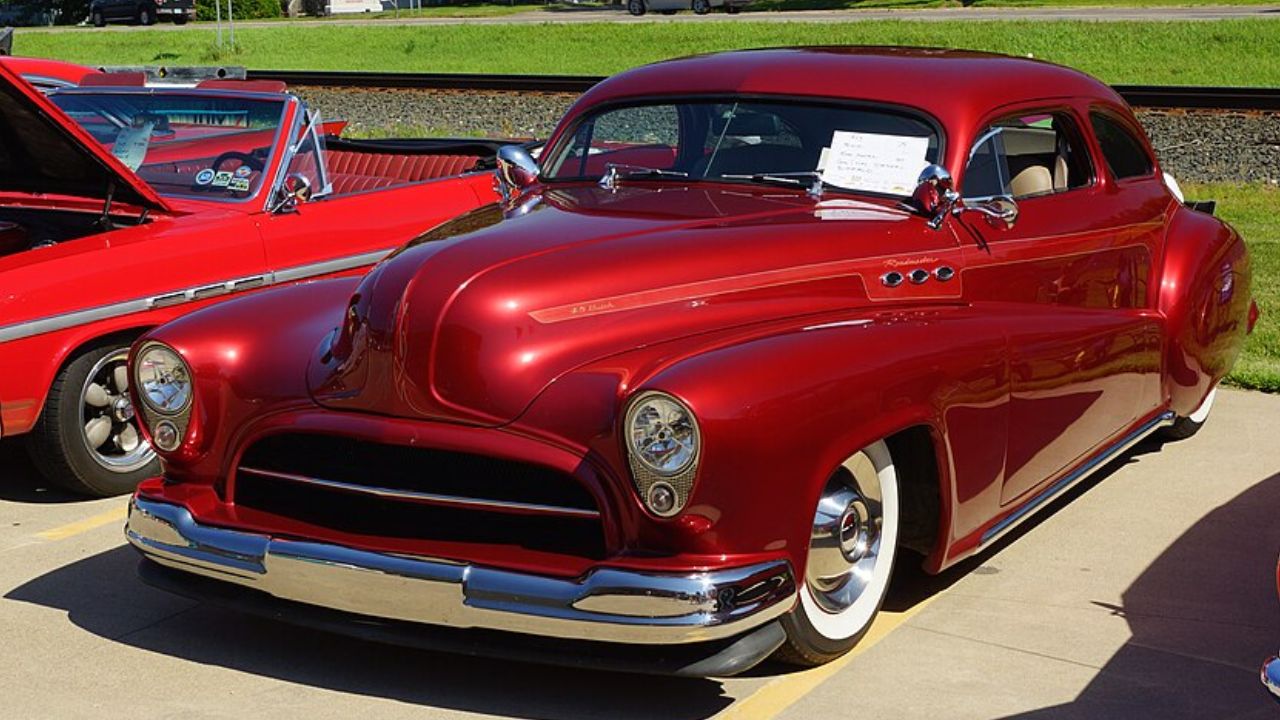
The postwar Roadmaster helped define Buick’s “premium but attainable” lane in the late 1940s, and its styling cues became instantly recognizable. The broad, substantial body and signature Buick look reinforced the idea that you could get near-luxury presence without jumping all the way to Cadillac pricing. For many families, a Roadmaster was the aspirational step up from everyday transportation.
It also arrived when America was ready to buy again, and big, confident cars set the tone. The Roadmaster’s prominence in pop culture and on the road helped make Buick feel like a status move, not just a practical one.
1953 Buick Skylark

Created to celebrate Buick’s 50th anniversary, the 1953 Skylark was a limited-production, high-style convertible that showed Buick could play in the glamorous, design-forward space. It wasn’t the brand’s volume seller, but it was a rolling statement—low, sleek, and more upscale in appearance than many expected from Buick. At a time when buyers were increasingly style-conscious, the Skylark helped “cool up” Buick’s image.
Because it was an anniversary halo car, it also functioned as a showroom magnet. The Skylark’s message was simple: Buick could be special, not merely comfortable.
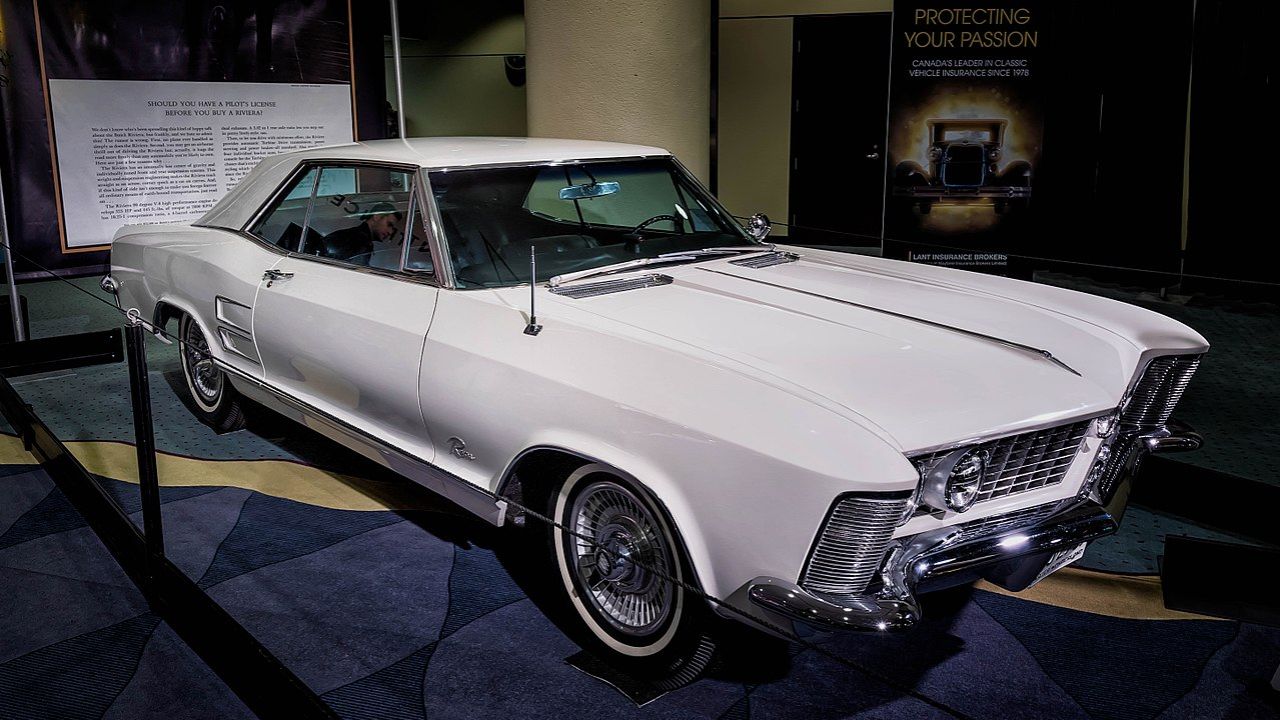
1963 Buick Riviera
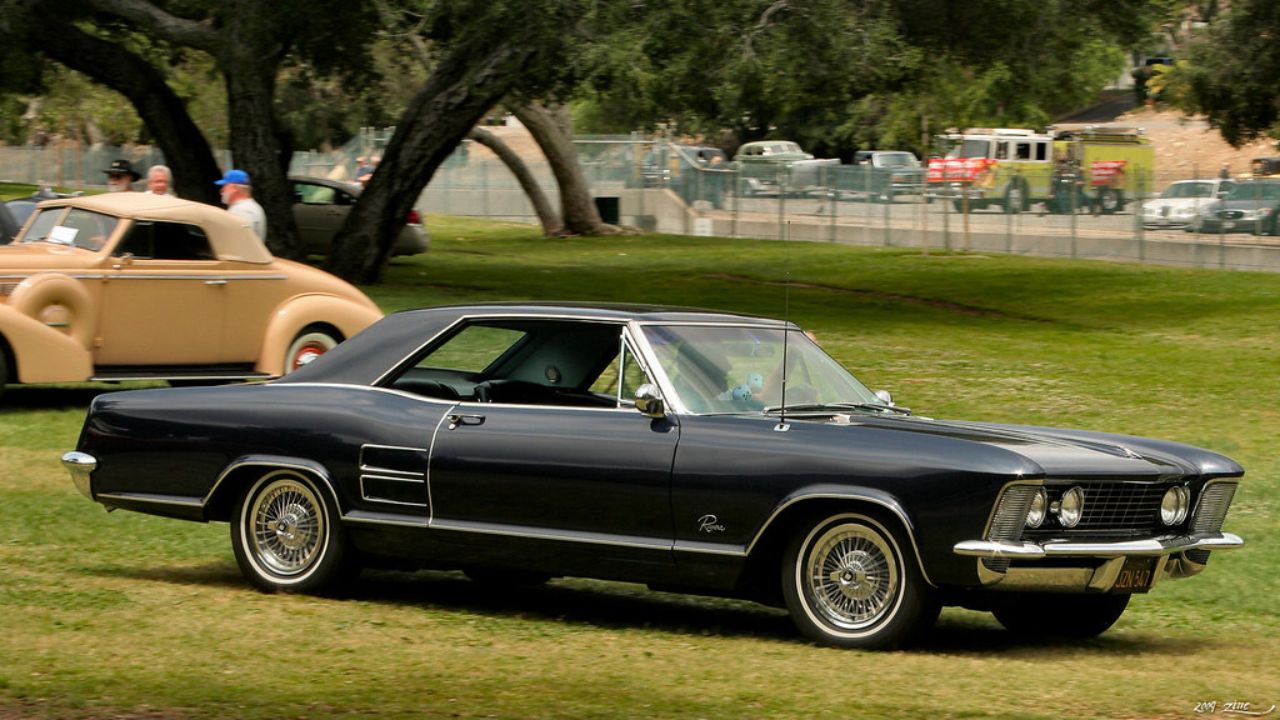
The original Riviera landed like a mic drop: clean, restrained, and European-influenced compared with some of the era’s excess. It gave Buick a genuine personal-luxury flagship that enthusiasts and designers alike respected. The Riviera’s long hood, crisp lines, and poised proportions helped reset expectations of what a Buick could look like.
It didn’t rely on flamboyance to stand out, and that tastefulness became a calling card. For many fans, the Riviera is the moment Buick proved it could build a true style icon.
1970 Buick GSX
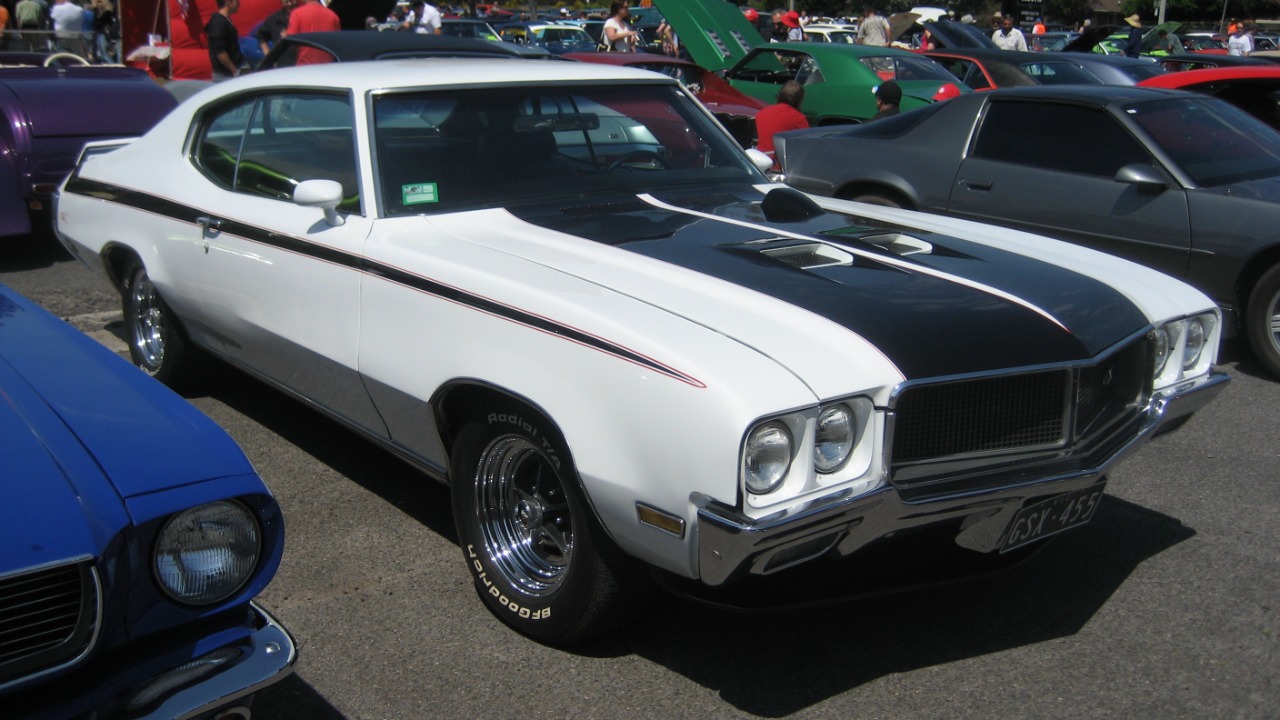
The GSX took Buick’s Gran Sport performance and made it loud—visually and culturally—during peak muscle-car years. With its bold striping and aggressive stance, it challenged the notion that Buick was only for quiet cruising. The GSX helped legitimize Buick in the street-performance conversation at a time dominated by names like GTO, Chevelle, and Mustang.
Even people who didn’t buy one noticed it. The GSX became a symbol that Buick could be unapologetically fast and youth-facing, not just refined.
1978 Buick Regal
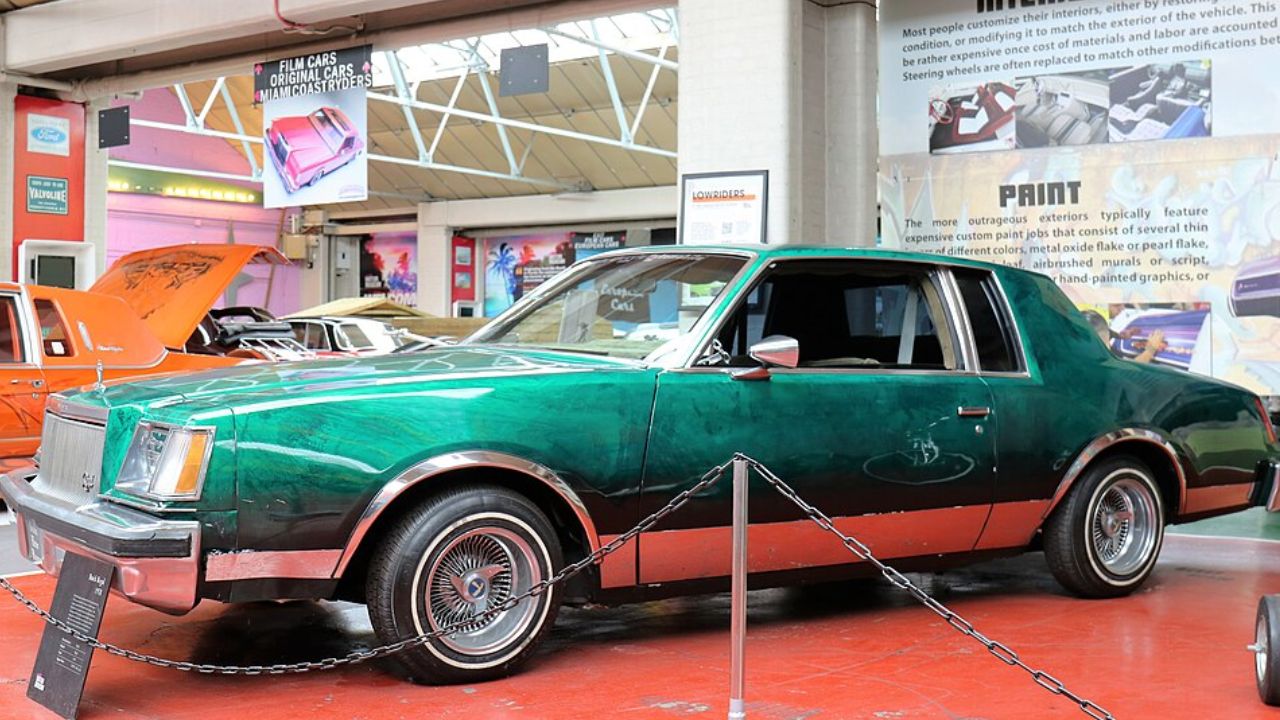
When the Regal arrived on GM’s downsized intermediate platform for 1978, it represented Buick’s pivot toward cleaner packaging and everyday livability without abandoning comfort. It also laid the groundwork for Buick’s most important performance surprise of the 1980s. The Regal name became a familiar, versatile badge—two-door, four-door, personal luxury, and later, something much more serious.
This generation helped Buick stay relevant during a period of shifting tastes, fuel concerns, and tightening regulations. The Regal’s adaptability made it a foundation for what came next.
1986 Buick Regal Grand National
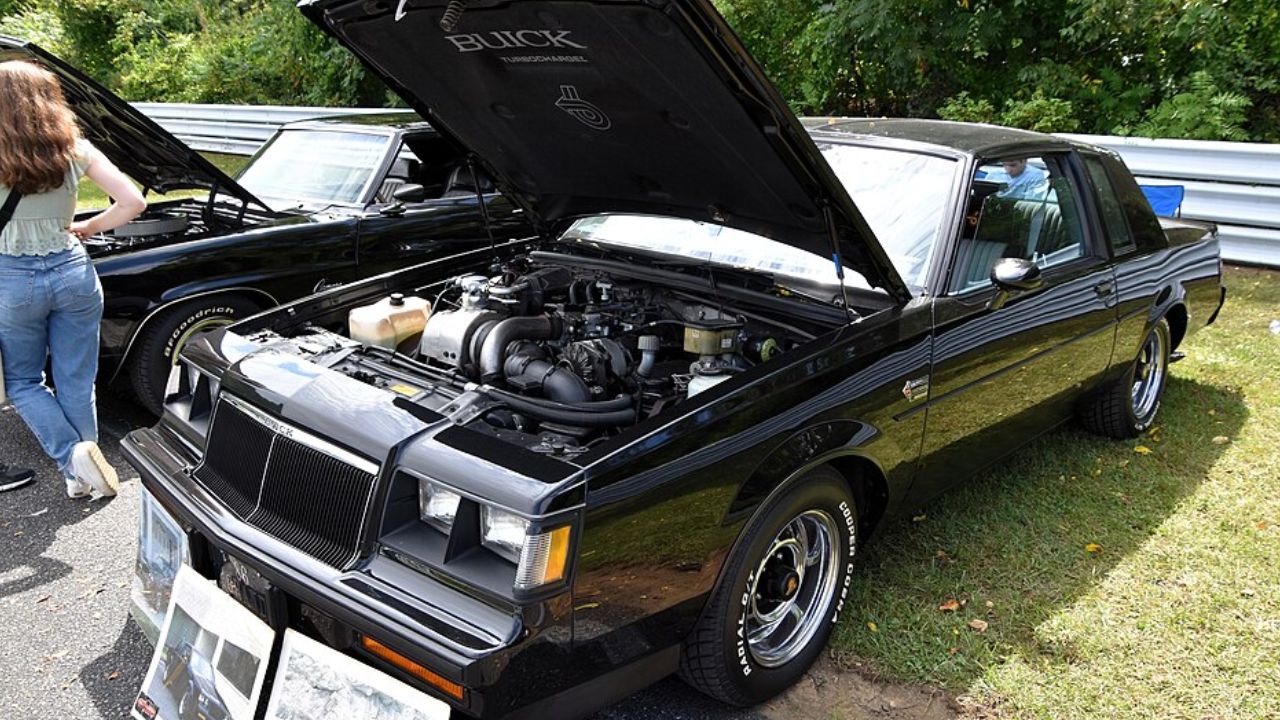
The Grand National changed Buick’s image almost overnight, turning a brand associated with quiet V6 sedans into a dark, turbocharged street legend. Its stealthy look and strong real-world performance made it the car people didn’t expect Buick to build—and that surprise was the point. The Grand National created new fans who’d never before walked into a Buick showroom.
It also helped reshape the broader performance conversation in the 1980s, when emissions rules and fuel economy pressures had cooled the muscle-car era. Buick proving speed could come from turbocharging and tuning, not just big cubes, was a genuine perception shift.
1987 Buick GNX
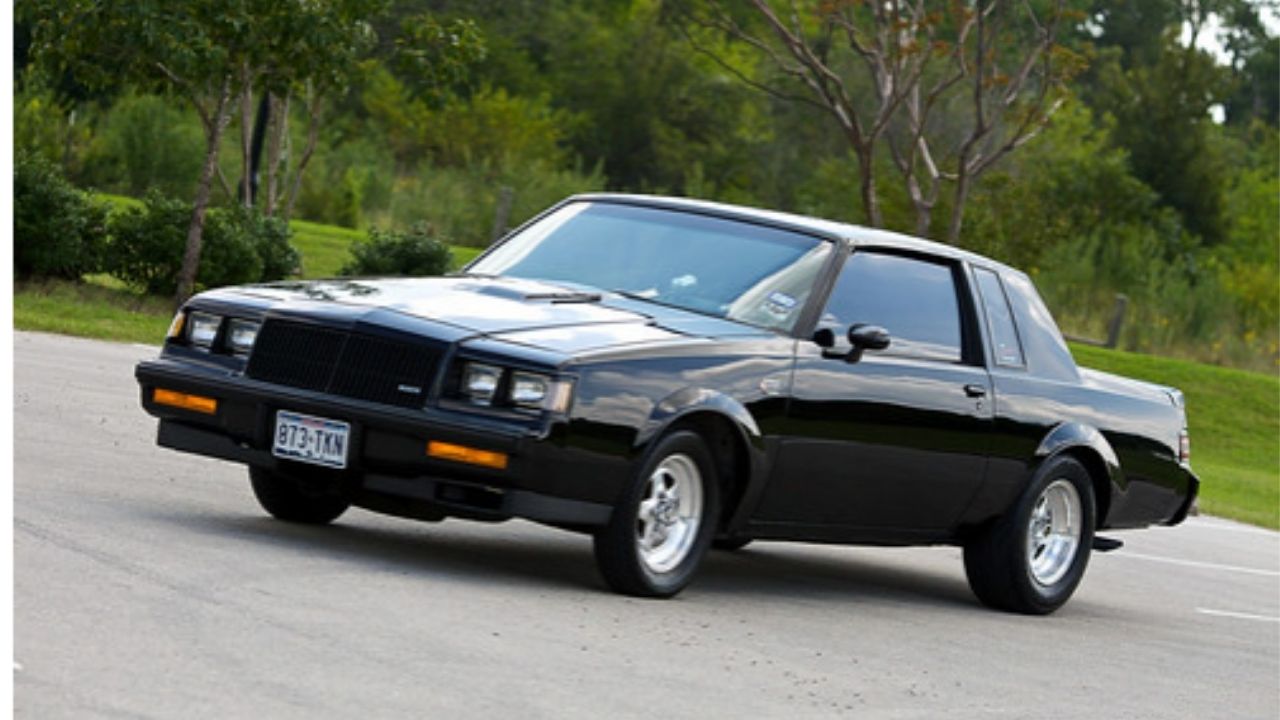
If the Grand National was the shock, the GNX was the exclamation mark. Built as an even more serious, limited run at the end of the rear-drive Regal performance era, it instantly became a collector target and a benchmark for Buick credibility. The GNX reinforced that Buick hadn’t stumbled into performance by accident—it knew exactly what it was doing.
Long after production ended, the GNX kept Buick in enthusiast conversations. It’s one of those rare cars that continues to define a brand’s “street reputation” decades later.
1991 Buick Park Avenue
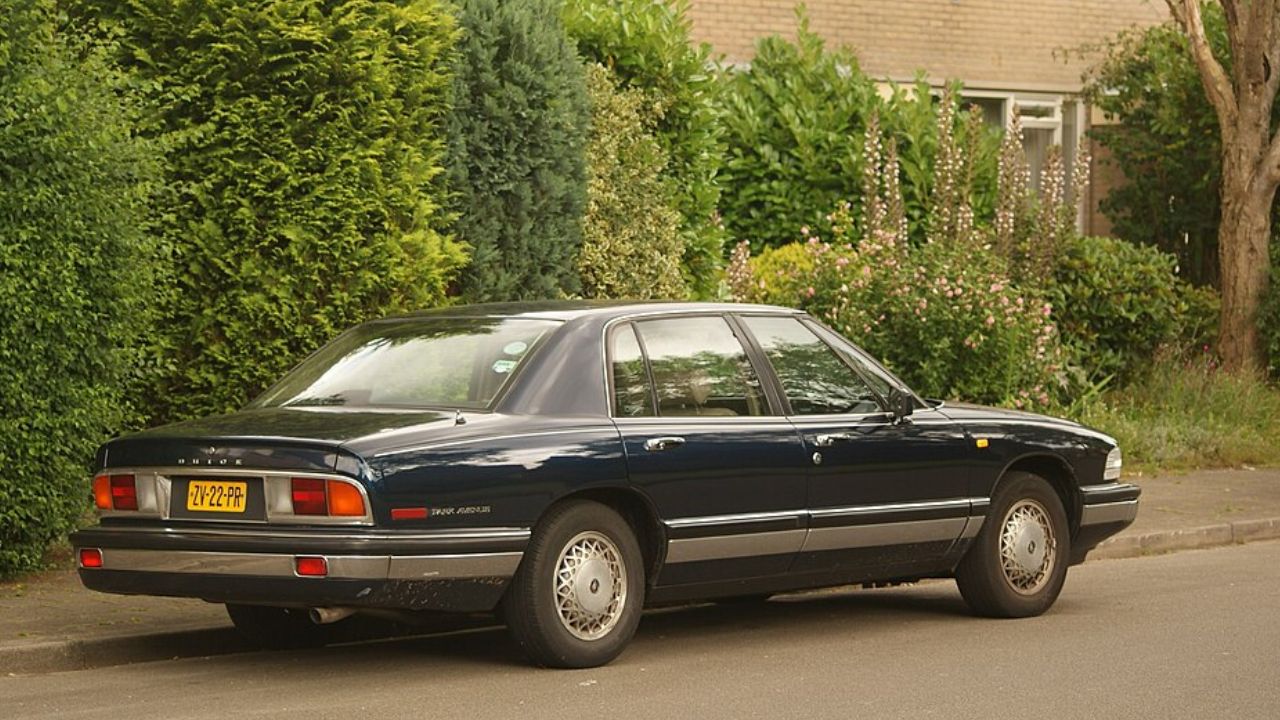
The Park Avenue carried Buick’s traditional strengths into the 1990s with a more modern, aerodynamic full-size shape and an overt focus on quiet comfort. For many buyers, it represented Buick at its most confident: a calm, well-appointed American sedan positioned just below Cadillac. It helped maintain Buick’s identity as a premium mainstream brand during a period when import luxury was gaining momentum.
It also became a familiar sight in upscale suburbs and professional fleets, reinforcing Buick’s image as understated, grown-up luxury. That steady presence mattered when the market was fragmenting.
2018 Buick Regal TourX
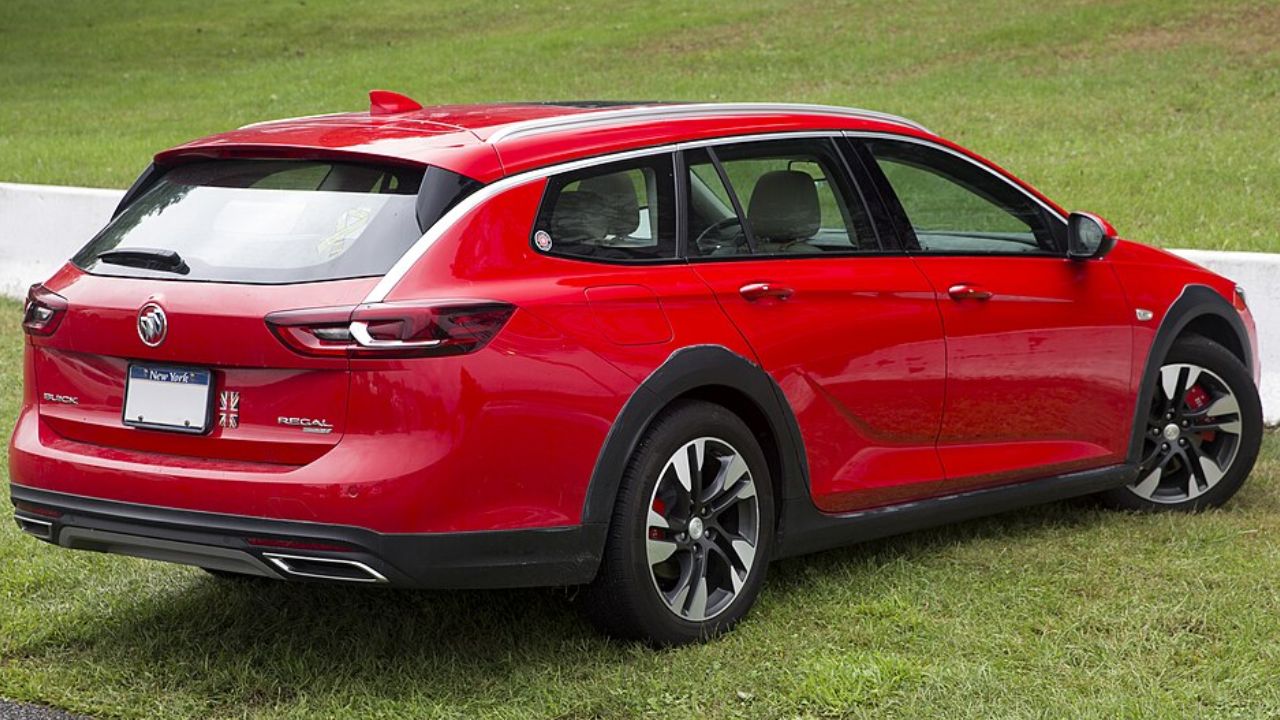
The Regal TourX arrived when wagons were rare in the U.S. mainstream, and Buick leaning into a long-roof, all-weather alternative made people reconsider the brand’s willingness to take a chance. It blended a practical cargo-friendly shape with a more European-flavored vibe than many expected from Buick showrooms. For enthusiasts who wanted something different from the usual crossover template, it signaled that Buick still had some contrarian spirit.
Just as important, it broadened Buick’s modern identity beyond “nice crossovers.” Even if it wasn’t a high-volume model, the TourX did what perception-shifting cars do best: it got people talking.
Buick’s story isn’t a straight line—it’s a series of pivots, surprises, and image resets driven by specific cars at specific moments. From design leadership and personal-luxury icons to turbocharged bruisers and modern oddball wagons, these models show how a brand’s reputation can evolve one memorable vehicle at a time.
More from Fast Lane Only
- Unboxing the WWII Jeep in a Crate
- 15 rare Chevys collectors are quietly buying
- 10 underrated V8s still worth hunting down
- Police notice this before you even roll window down
*Research for this article included AI assistance, with all final content reviewed by human editors.