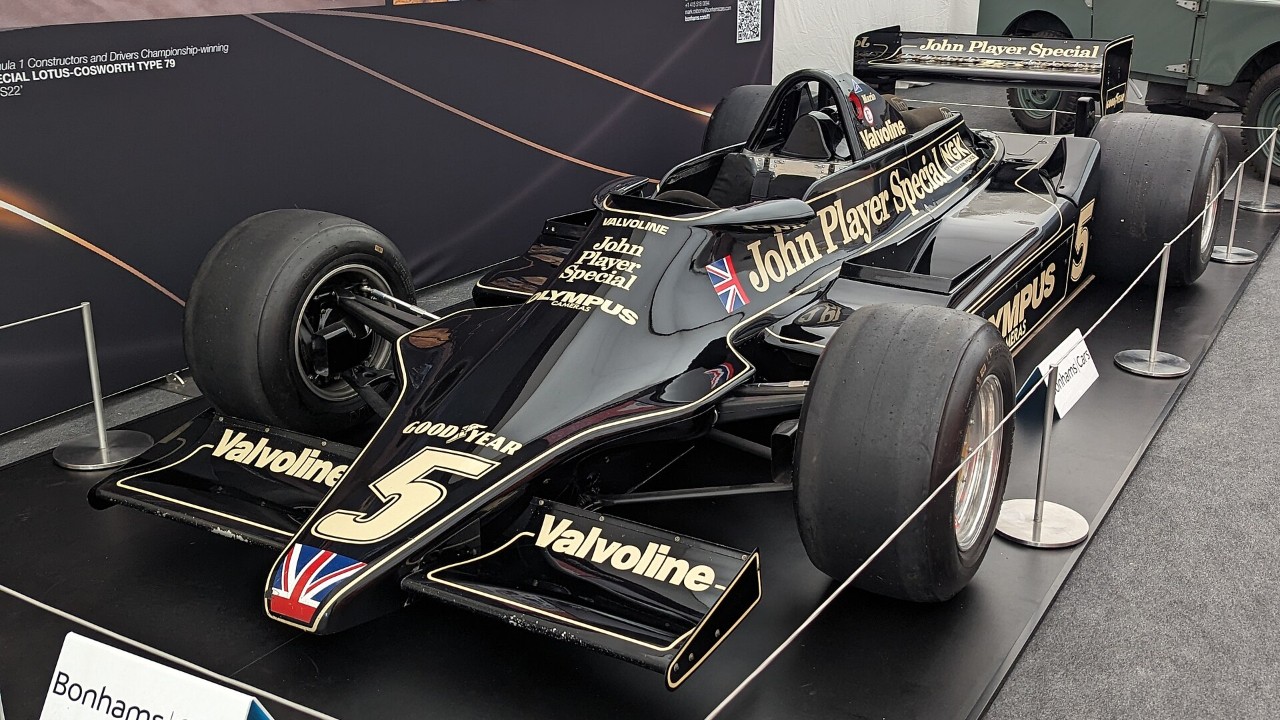
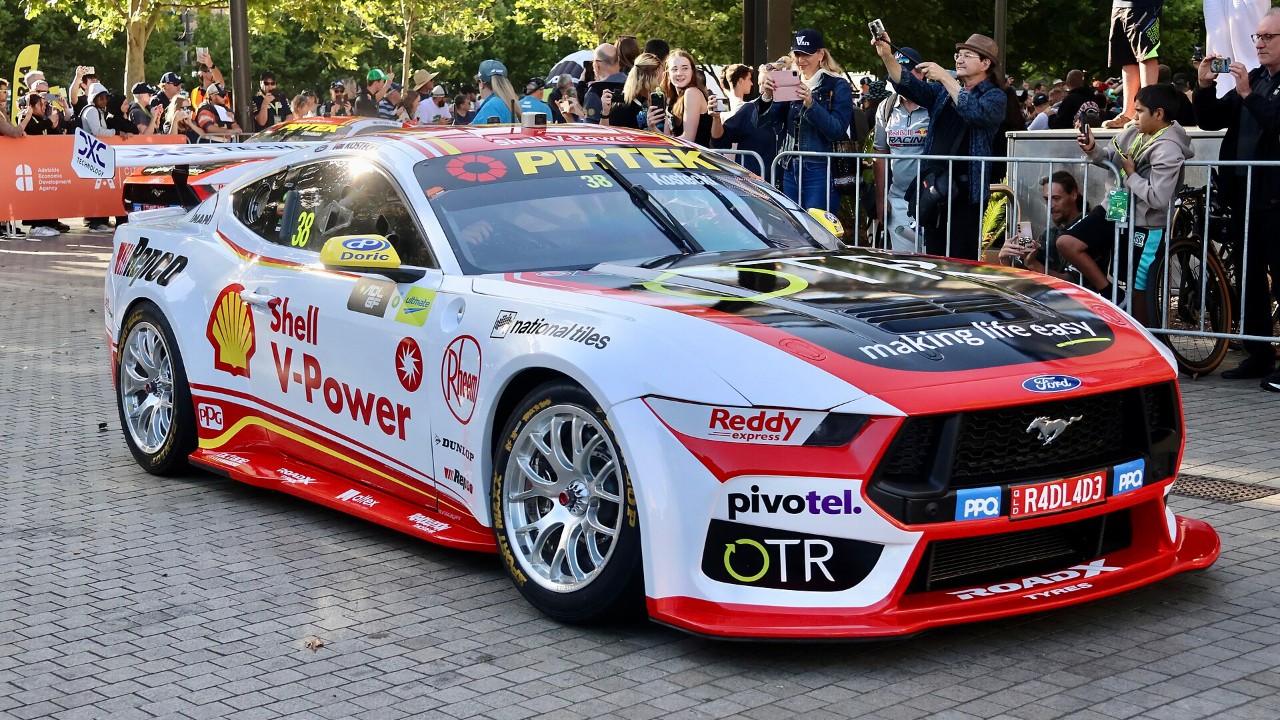
Automotive design has evolved dramatically over the years, with certain models standing out as pivotal moments in history. These cars not only redefined aesthetics but also influenced engineering and cultural perceptions of mobility. The following list highlights ten vehicles that have left an indelible mark on automotive design.
Ford Model T
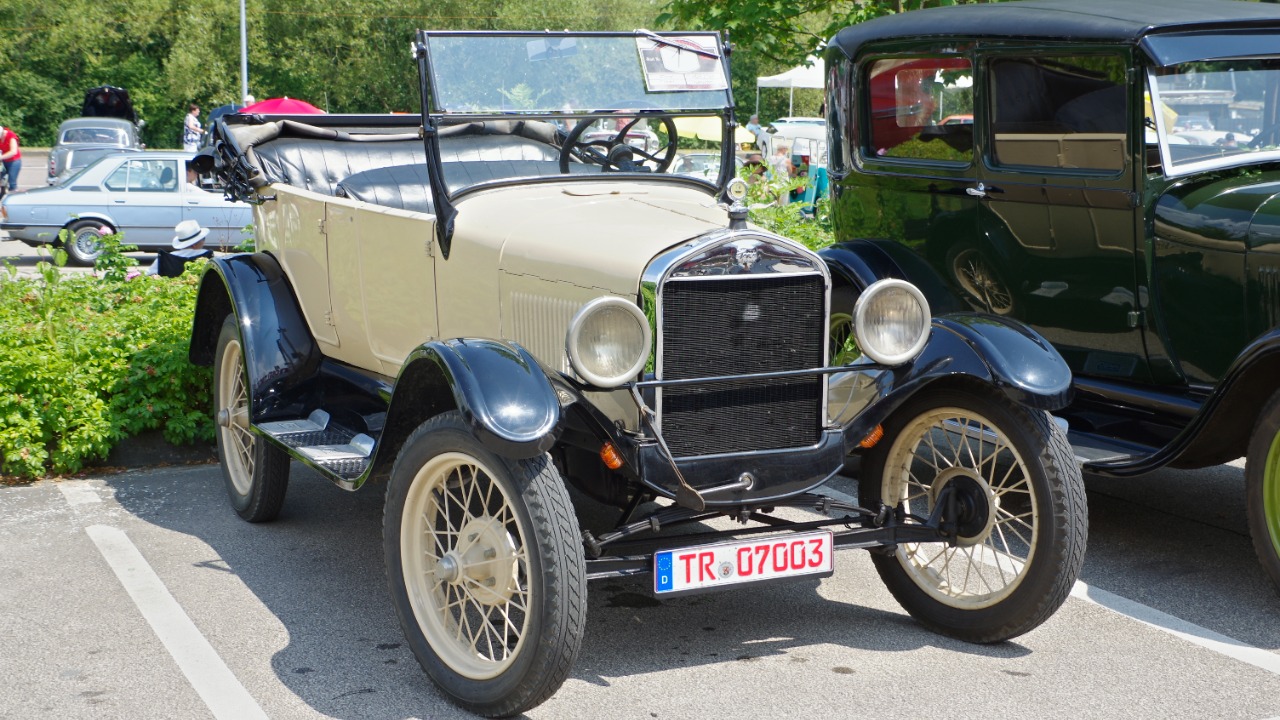
Launched in 1908, the Ford Model T revolutionized automobile manufacturing with its assembly line production. This method drastically reduced costs, making cars accessible to the average American. The Model T’s simple, utilitarian design was a stark contrast to the ornate vehicles of its time, promoting functionality over flair. Its mass production set the stage for modern automotive manufacturing, showing that vehicles could be built efficiently and affordably. By 1927, over 15 million units had been sold, forever changing the landscape of personal transportation and emphasizing the need for reliable, affordable cars.
Volkswagen Beetle
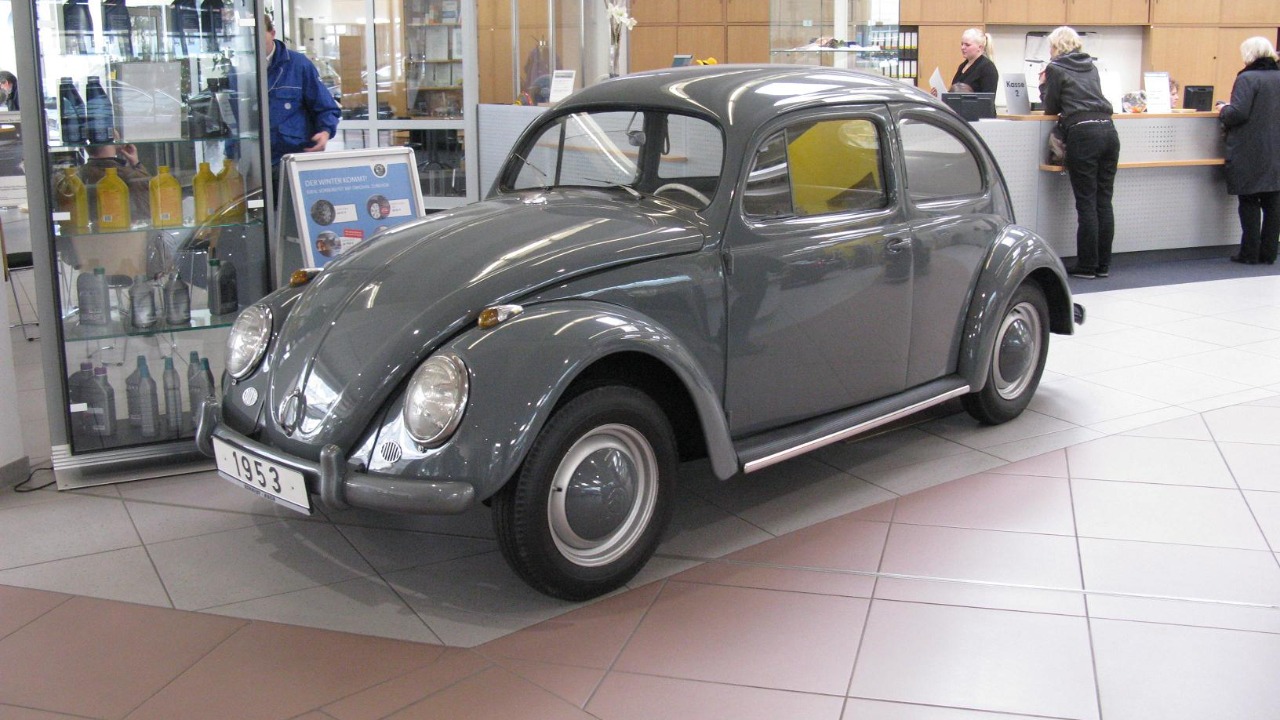
The Volkswagen Beetle, launched in 1938, is one of the most recognizable cars globally. Designed by Ferdinand Porsche, its iconic rounded shape was both practical and efficient, allowing for aerodynamics that enhanced fuel economy. The Beetle’s design emphasized simplicity and durability, appealing to a wide range of consumers. Its popularity surged post-World War II, symbolizing freedom and individuality, especially during the counterculture movements of the 1960s. The Beetle’s design principles can still be seen in modern cars, making it a timeless example of automotive innovation.
Chevrolet Corvette
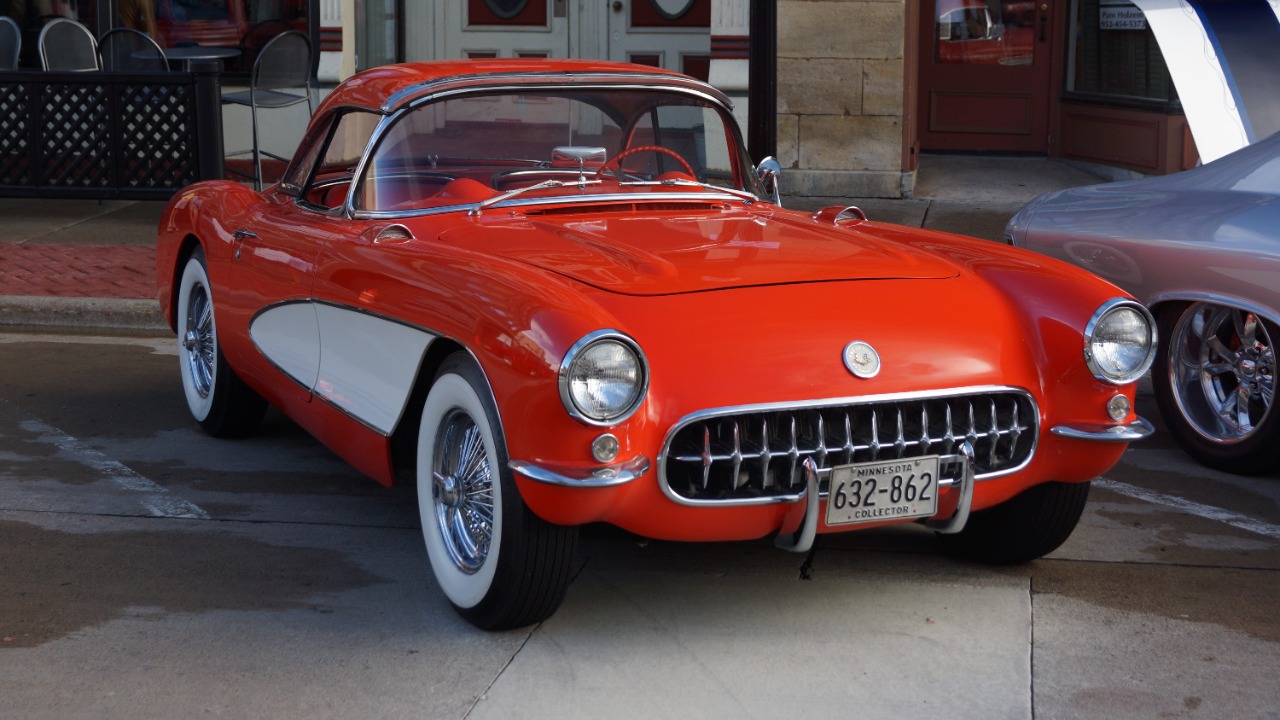
Introduced in 1953, the Chevrolet Corvette redefined the American sports car with its sleek design and powerful performance. The use of fiberglass for the body made it lightweight and agile, while its low profile and long hood showcased a new aesthetic in sports car design. Over the decades, the Corvette has undergone numerous transformations, but it has consistently maintained its status as a symbol of American automotive prowess. Its combination of style, speed, and accessibility has inspired countless imitators and solidified its place in automotive history.
Citroën Traction Avant
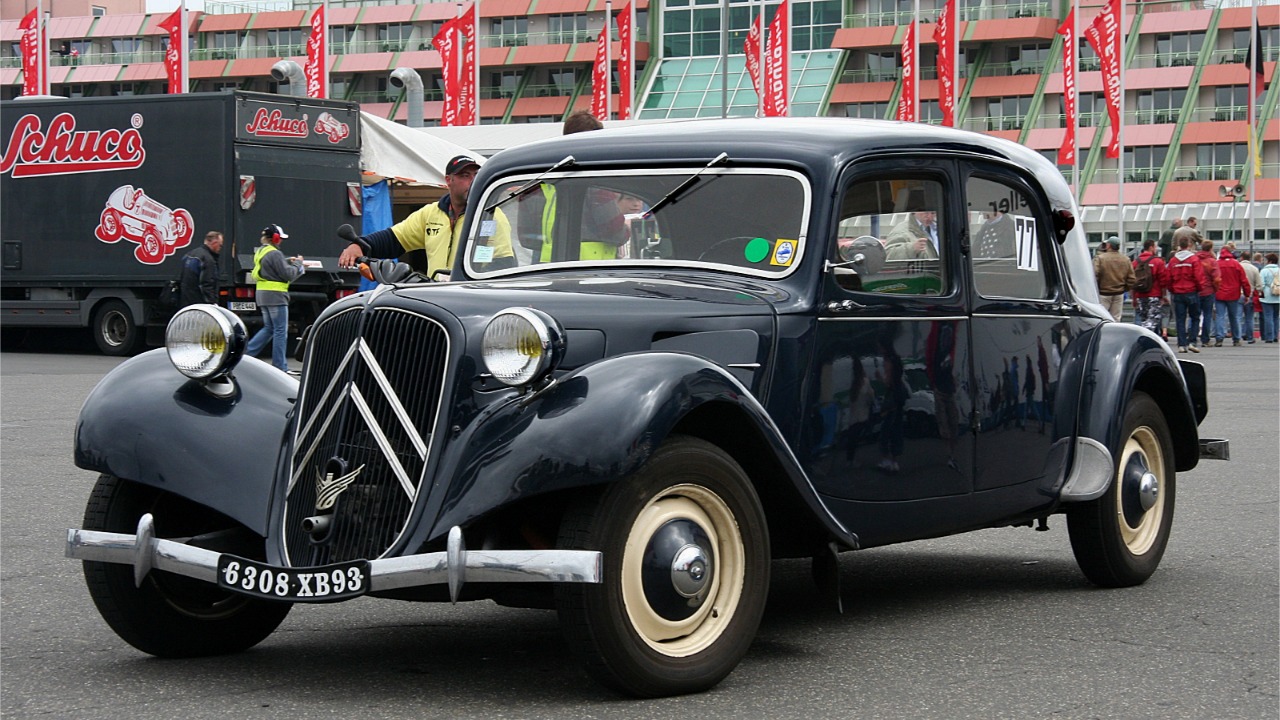
The Citroën Traction Avant, launched in 1934, was revolutionary in its use of front-wheel drive and all-steel body construction. Its innovative design allowed for a lower center of gravity, improving handling and stability. The Traction Avant’s streamlined shape was not only aesthetically pleasing but also functionally superior, contributing to better aerodynamics. This car set the stage for future designs, emphasizing the importance of engineering in aesthetics. It remains a pivotal model in the history of automotive design, representing a leap into modern vehicle dynamics.
Porsche 911
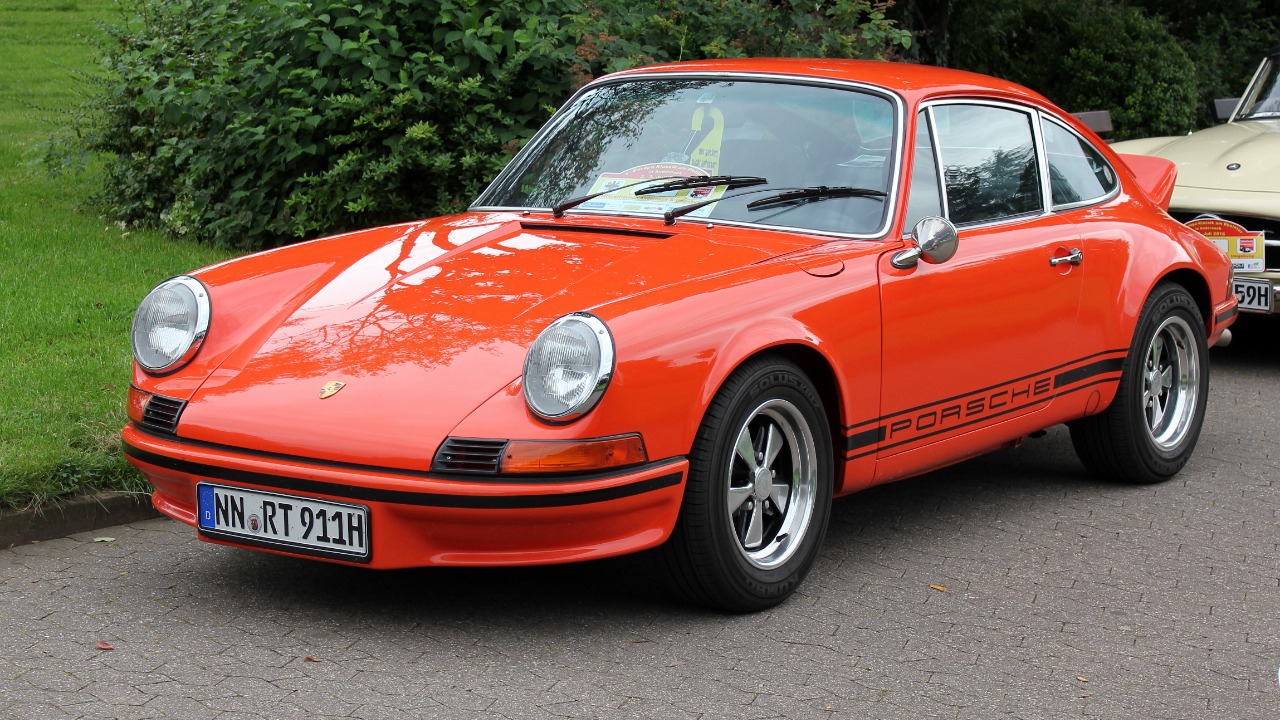
Since its debut in 1964, the Porsche 911 has become synonymous with sports car excellence. Its iconic silhouette features a distinctive sloping roofline and round headlights, making it instantly recognizable. The 911’s rear-engine layout and balanced weight distribution have contributed to its celebrated performance dynamics. Over the decades, Porsche has evolved the 911 while maintaining its core design elements, demonstrating how a car can adapt to modern demands without losing its identity. This blend of tradition and innovation has solidified the 911’s status as an automotive legend.
BMW 2002
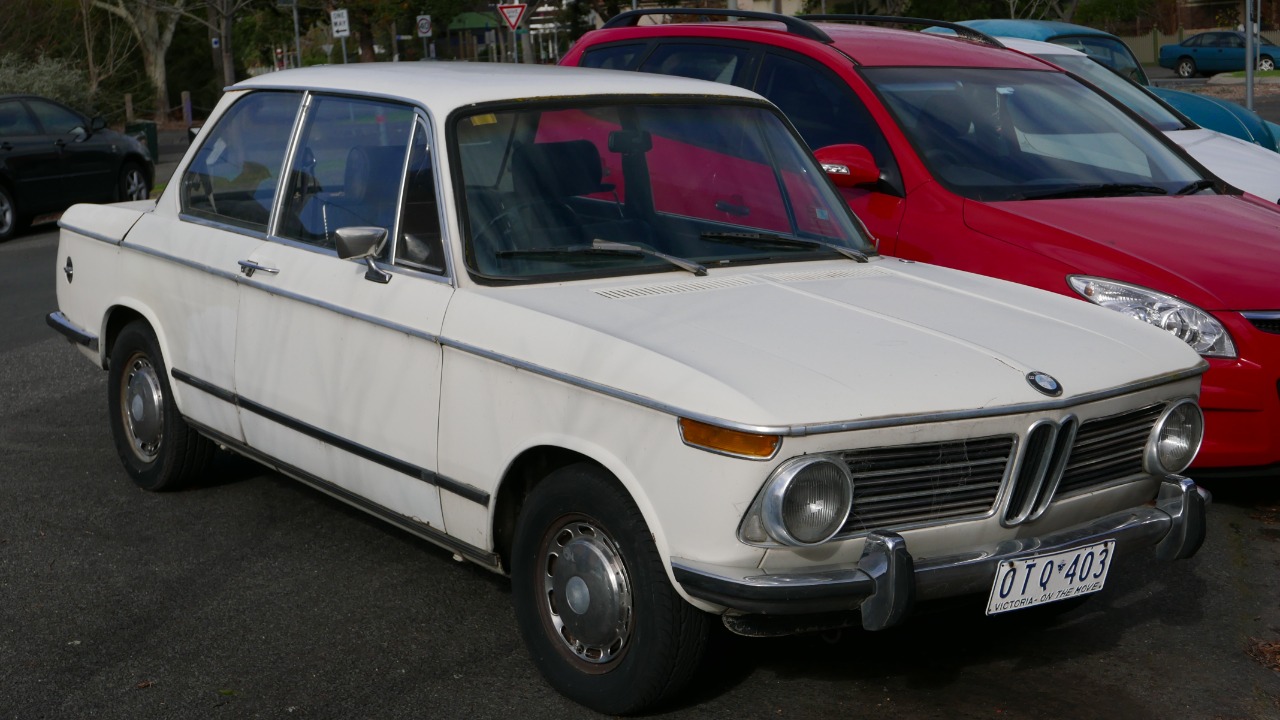
The introduction of the BMW 2002 in the 1960s marked the beginning of the compact sports sedan segment. With its clean lines and sporty demeanor, the 2002 combined practicality with performance, appealing to a growing demographic of car enthusiasts. This model laid the groundwork for BMW’s future designs, emphasizing the importance of driving pleasure. Its success helped establish BMW as a serious contender in the automotive market, influencing a generation of compact cars that followed. The 2002 remains a celebrated classic, embodying the brand’s philosophy of sportiness and elegance.
Mercedes-Benz 300SL
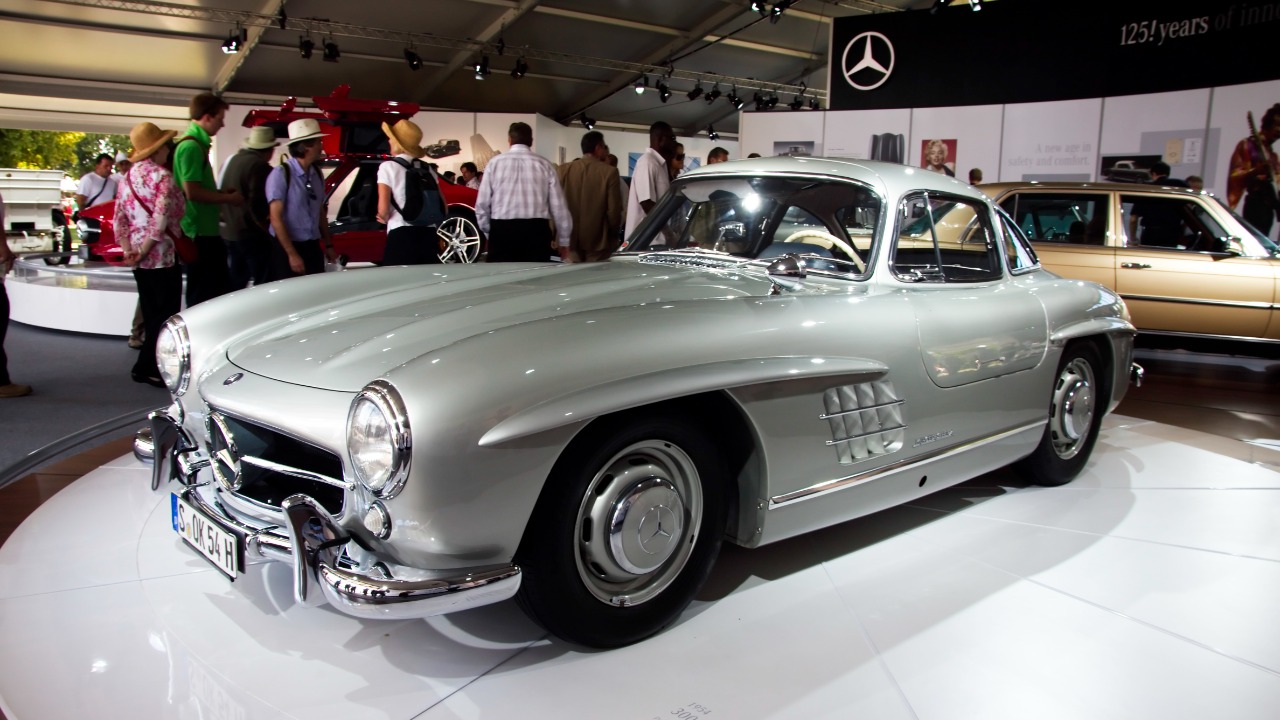
Unveiled in 1952, the Mercedes-Benz 300SL is renowned for its innovative gullwing doors and sleek, aerodynamic design. As one of the first production cars to feature fuel injection, it set new standards for performance and efficiency. The 300SL’s elegance and engineering excellence made it a symbol of luxury and sophistication, influencing countless luxury sports cars that followed. Its combination of cutting-edge technology and striking aesthetics has ensured its status as an automotive icon, representing the pinnacle of mid-20th-century engineering.
Honda Civic
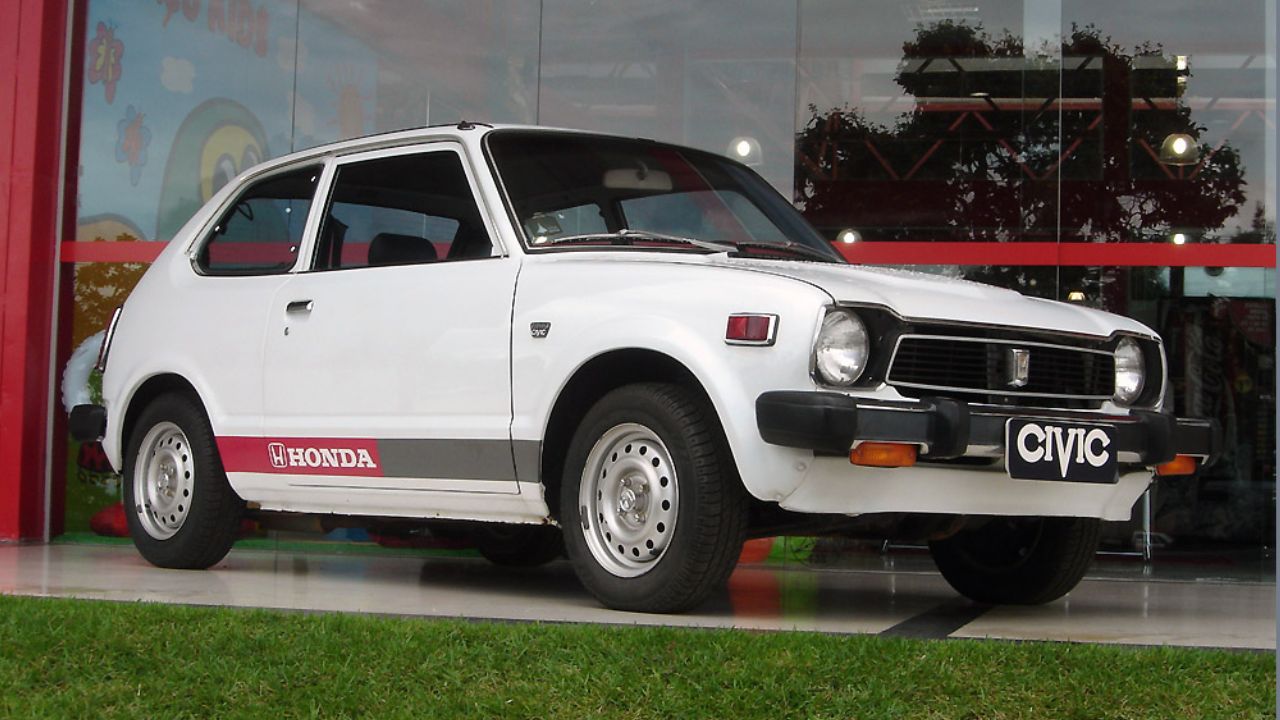
First launched in 1972, the Honda Civic has been pivotal in demonstrating how small cars can offer reliability, efficiency, and performance. Its compact design and versatile features have made it a favorite among consumers around the world. Over the years, the Civic has evolved through various iterations, continually adapting to consumer preferences while maintaining its reputation for quality and durability. The Civic has played a significant role in popularizing the compact car segment, influencing automotive design trends towards practicality and fuel efficiency.
Tesla Model S

Launched in 2012, the Tesla Model S has transformed the perception of electric vehicles. With its minimalist interior and advanced technology, including a large touchscreen interface, the Model S redefined luxury in electric cars. Its impressive range and performance capabilities challenged traditional notions of what electric vehicles could achieve. The design of the Model S, with its sleek lines and aerodynamic shape, emphasizes efficiency while remaining visually striking. This car has sparked a broader shift towards electric mobility, pushing other manufacturers to innovate in the electric vehicle space.
Land Rover Defender

The Land Rover Defender, originally launched in 1948, is celebrated for its rugged design and off-road capabilities. Its boxy shape and utilitarian features have made it a favorite among adventurers and those needing a reliable vehicle for challenging terrains. The Defender’s design philosophy prioritizes function over form, showcasing a commitment to durability and versatility. Over the years, it has remained true to its roots while incorporating modern technology, ensuring its place as an enduring icon in the automotive world. The Defender represents the spirit of exploration and adventure, appealing to a global audience.
More from Fast Lane Only
- Unboxing the WWII Jeep in a Crate
- 15 rare Chevys collectors are quietly buying
- 10 underrated V8s still worth hunting down
- Police notice this before you even roll window down
*Research for this article included AI assistance, with all final content reviewed by human editors.