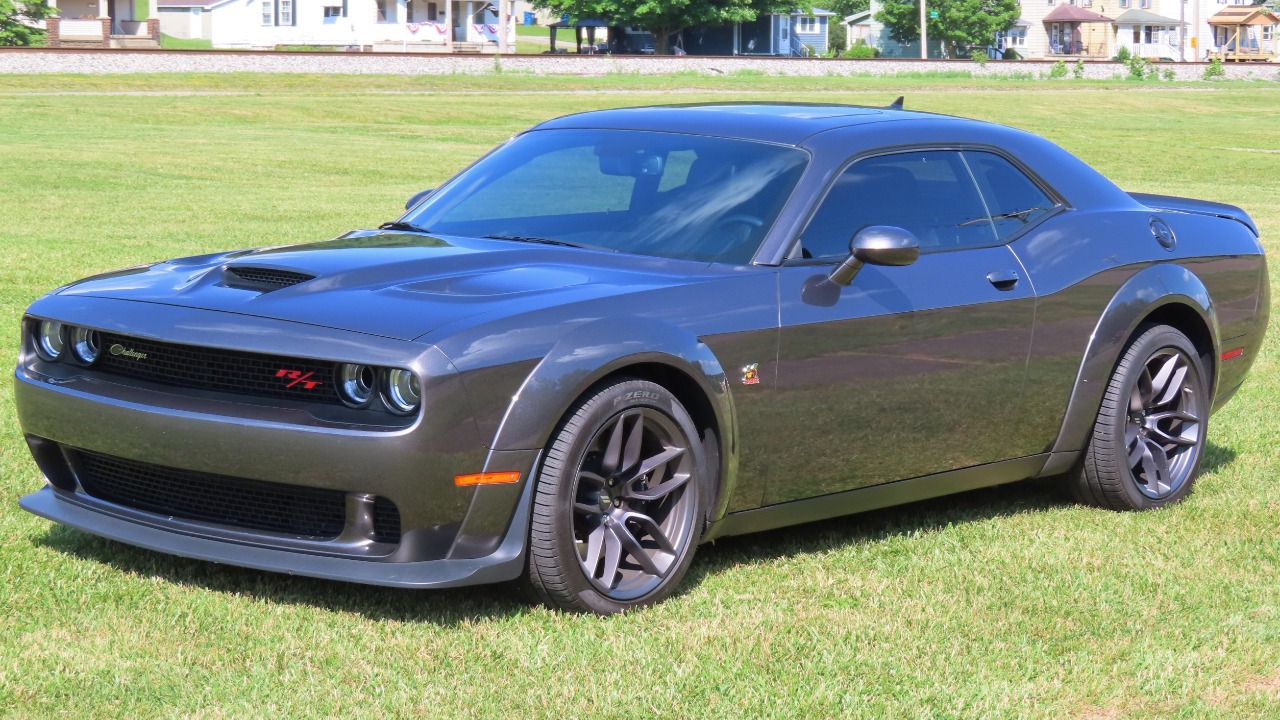
The Dodge Challenger has long been a symbol of American muscle and performance. Since its debut in 1970, the Challenger has evolved through various iterations, showcasing not only its rich heritage but also the potential for innovation within the automotive industry. Each model has contributed uniquely to its legacy, pushing the boundaries of power, design, and technology.
The Original Dodge Challenger (1970)
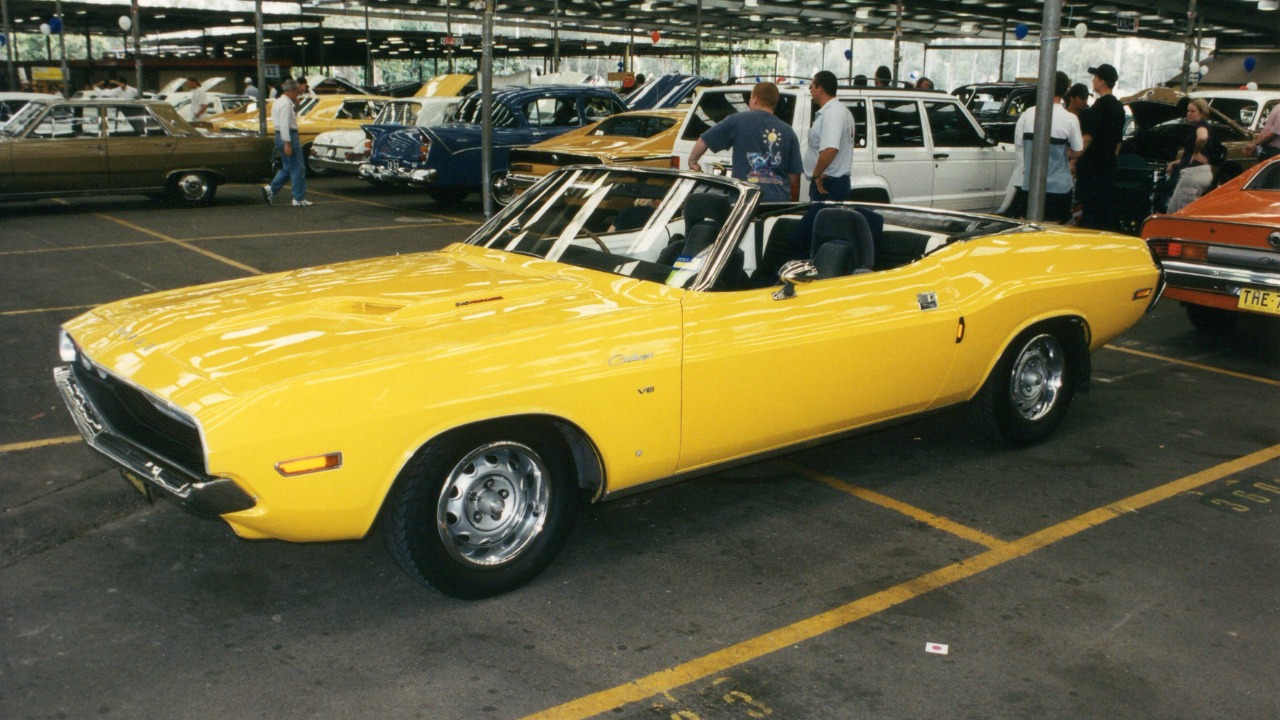
The original Dodge Challenger was unveiled in 1970, marking its entry into the muscle car arena. Built on Chrysler’s E-body platform, the Challenger was designed to compete with the likes of the Ford Mustang and Chevrolet Camaro. Its aggressive styling featured a long hood and short rear deck, giving it an unmistakable presence on the road. Available with a variety of powerful engines, including the iconic 426 Hemi, the original Challenger quickly gained a reputation for speed and performance.
With a range of trim levels and options, buyers could customize their Challengers to suit their tastes. The car’s popularity was bolstered by its appearances in film and television, particularly the classic movie “Vanishing Point.” Today, the original 1970 Challenger is celebrated as a classic, revered by collectors and enthusiasts alike. For those looking to relive the muscle car era, the original Challenger remains a sought-after model, proving that Dodge knew how to build a car that could turn heads and deliver thrills.
Dodge Challenger R/T (1970)
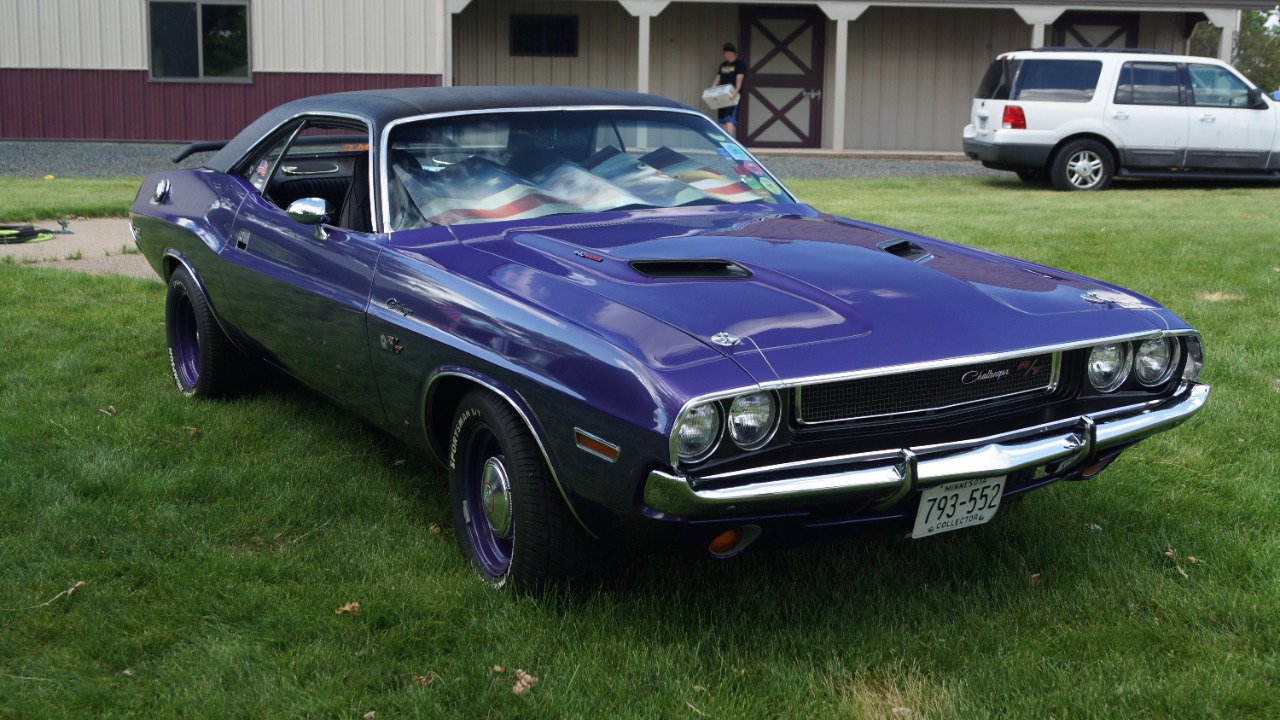
The Dodge Challenger R/T debuted alongside the original version in 1970, and it was designed for those who craved performance. The “R/T” stands for “Road/Track,” highlighting its racing pedigree. Equipped with a variety of high-performance engines, including the 440 cubic inch V8 and the legendary 426 Hemi, the R/T quickly became a favorite among enthusiasts. With its aggressive styling and powerful performance, it was more than just a pretty face.
The R/T variant also introduced features like performance suspension and enhanced braking systems, allowing drivers to experience a more engaging ride. It was not only a street racer but also a viable contender on the track. The Dodge Challenger R/T has left a lasting impact on the muscle car community and continues to be celebrated at events such as the annual Muscle Car and Corvette Nationals. Its legacy keeps the spirit of American muscle alive and well, making it a significant part of automotive history. To explore more about its performance, check out this feature.
Dodge Challenger T/A (1970)
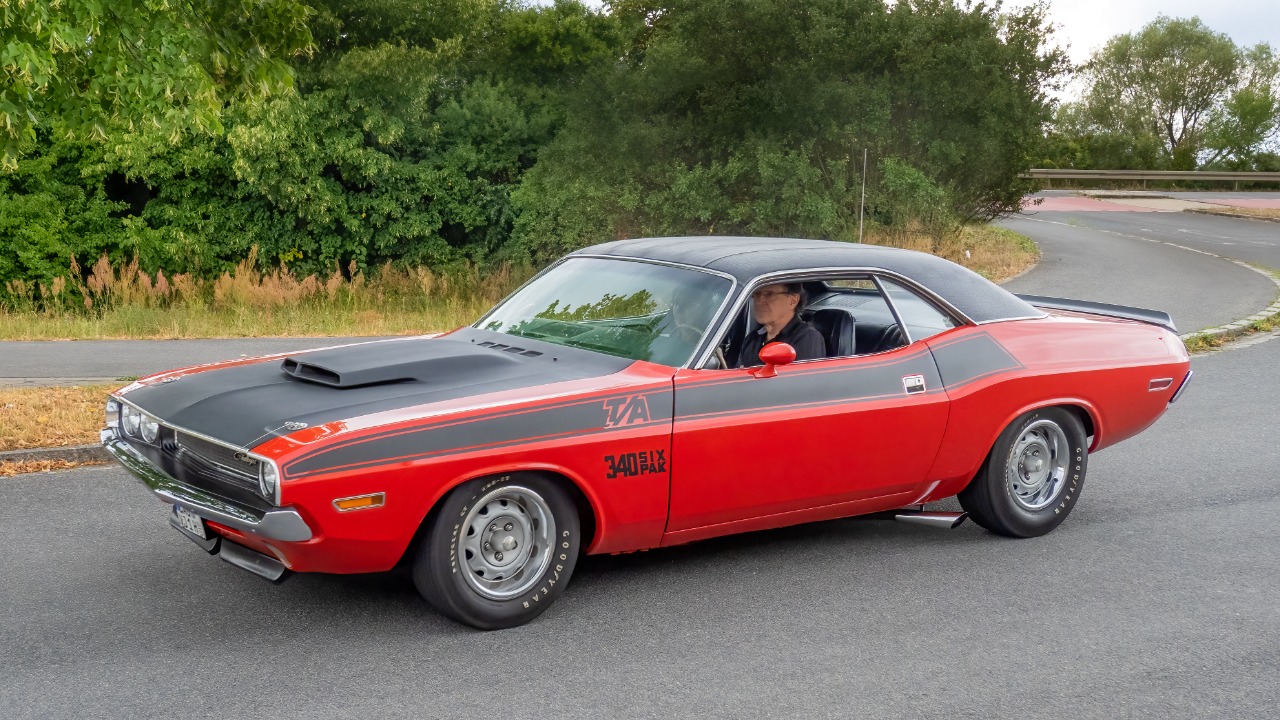
The Dodge Challenger T/A, short for “Trans Am,” was a limited edition model introduced in 1970 designed for racing. Built to meet the requirements of the SCCA Trans Am series, it featured a special 340 cubic inch V8 engine tuned for performance. The T/A was distinct with its bold graphics and functional hood scoop, making it stand out on both the street and the racetrack.
One of the most notable aspects of the Challenger T/A was its focus on lightweight performance. It came equipped with a heavy-duty suspension and unique rear axle ratios, allowing it to handle better on the track. While only a small number were produced, the T/A has become a collector’s item that embodies the spirit of the early American muscle car era. If you’re interested in the racing history of the T/A, check out this article for insights into its competitive legacy.
1971 Dodge Challenger 426 HEMI
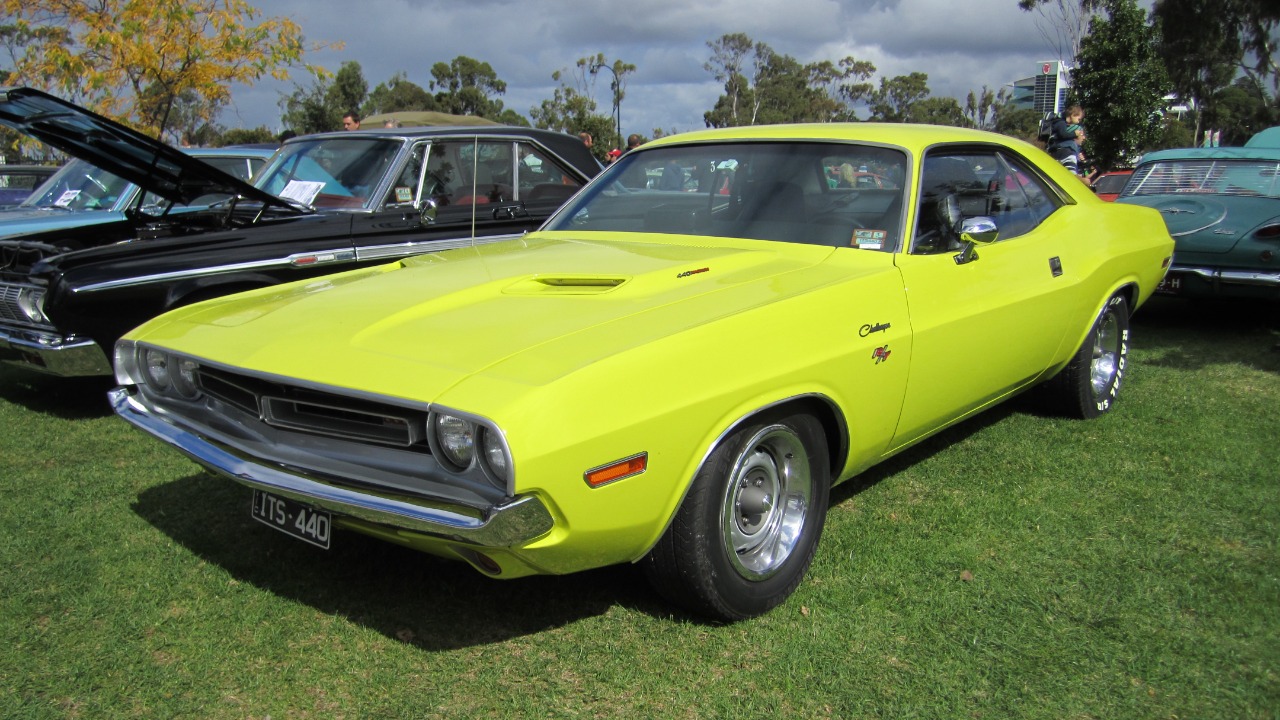
Building on the success of its predecessor, the 1971 Dodge Challenger 426 HEMI showcased the pinnacle of muscle car performance. This model featured the powerful 426 HEMI engine, which produced a staggering 425 horsepower. The 1971 version also offered improvements in styling with a new front grille and rear taillights, making it look even more aggressive.
Despite the introduction of stricter emissions regulations, Dodge managed to maintain the performance edge, which became increasingly rare in the early ’70s. The 1971 Challenger remains a beloved model among collectors, often fetching high prices at auctions due to its rarity and performance pedigree. Its place in muscle car history is cemented, as it represents a time when American manufacturers pushed the limits of power and performance.
Dodge Challenger SRT8 (2008)
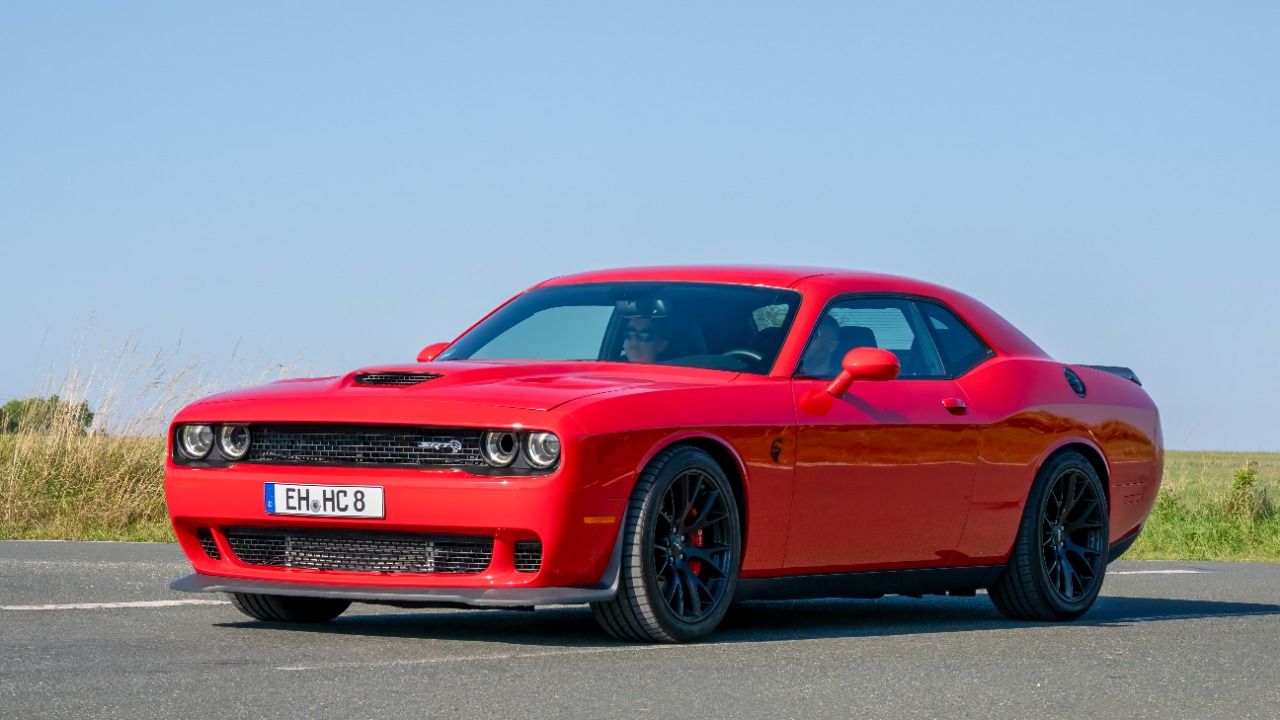
After a long hiatus, Dodge revived the Challenger in 2008, reintroducing a modern version that paid homage to its ancestors while incorporating contemporary performance and technology. The Dodge Challenger SRT8 was the flagship model, featuring a powerful 6.1-liter HEMI V8 engine that produced a staggering 425 horsepower. It was a bold statement, showcasing Dodge’s commitment to performance and muscle car heritage.
The 2008 Challenger SRT8 featured modern amenities such as a sophisticated infotainment system and advanced safety features, making it a comfortable ride for everyday use while still delivering on the performance front. The car’s retro-inspired design elements drew heavily from the original model, appealing to both new buyers and nostalgia-driven enthusiasts. With its impressive power and striking looks, the SRT8 played a significant role in reigniting interest in American muscle cars. For a deeper look at the 2008 model’s impact, you can view a detailed review on YouTube.
Dodge Challenger Hellcat (2015)

The introduction of the Dodge Challenger Hellcat in 2015 marked a revolutionary moment in the muscle car world. With a supercharged 6.2-liter HEMI V8 engine, the Hellcat produced an astonishing 707 horsepower, making it one of the most powerful production cars ever. This model redefined what performance could mean for a muscle car, offering blistering speed and acceleration that thrilled drivers.
The Hellcat also came equipped with advanced technology, including a customizable driving experience that allowed drivers to adjust performance settings to their liking. With its aggressive styling, including a distinctive front grille and bold body lines, the Hellcat was designed to dominate both the street and the track. It quickly became a cultural icon, celebrated in automotive circles and popular media. The Hellcat’s success demonstrated that Dodge was not just building cars but redefining a segment. It paved the way for subsequent models, proving that the brand could indeed build a performance powerhouse.
Dodge Challenger Demon (2018)
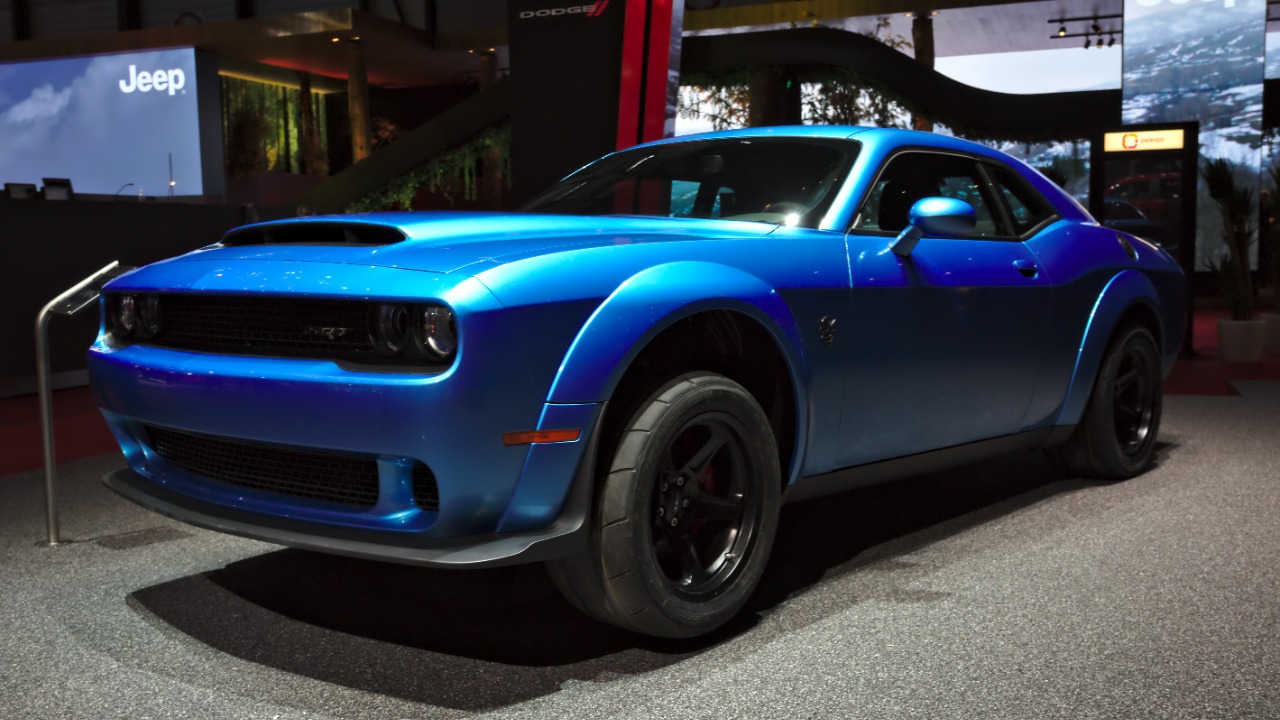
The Dodge Challenger Demon was unveiled in 2018 as an extreme performance variant of the Challenger. Designed with drag racing in mind, it was equipped with a supercharged 6.2-liter HEMI V8 engine that churned out a mind-boggling 840 horsepower. This model was built for speed, capable of completing a quarter-mile in just 9.65 seconds, making it the fastest production car of its time. The Demon also featured a unique “Demon Crate,” which included specialized tools and equipment for drag racing enthusiasts.
Beyond raw power, the Demon introduced innovations such as a transbrake system that allowed for better launch control, ensuring optimal performance off the line. It was a limited-production model, with only 3,300 units made, making it a highly sought-after collector’s item. The Challenger Demon demonstrated that Dodge was not afraid to push the boundaries of performance, solidifying its place in automotive history. For a closer look at this incredible vehicle’s features and specs, check out this article.
Dodge Challenger R/T Scat Pack (2015)
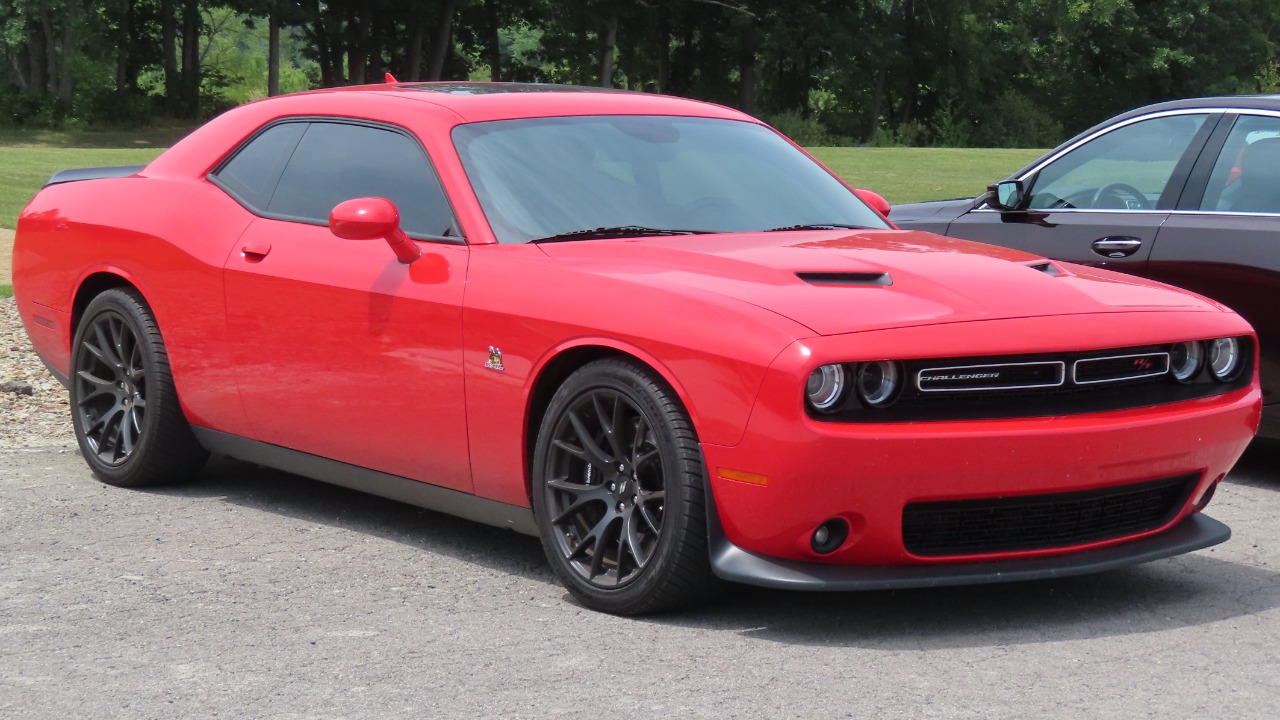
The Dodge Challenger R/T Scat Pack, introduced in 2015, provided a compelling balance of performance and value. Powered by a robust 6.4-liter HEMI V8 engine, it produced 485 horsepower, delivering exhilarating acceleration without the extreme price tag of the higher-end models. The Scat Pack was designed for enthusiasts who wanted a powerful muscle car experience without going full-on Hellcat.
With its performance-tuned suspension and aggressive styling, the R/T Scat Pack was capable on both the street and the track. It featured a range of performance upgrades, including larger brakes and a sportier exhaust system. The interior was equipped with modern technology and comfort features, making it a practical choice for everyday driving. The Scat Pack quickly gained a reputation for being a fun and capable muscle car, appealing to a wide audience of drivers looking for thrilling performance. The R/T Scat Pack solidified Dodge’s commitment to providing a range of performance options for muscle car enthusiasts.
Dodge Challenger Widebody (2019)
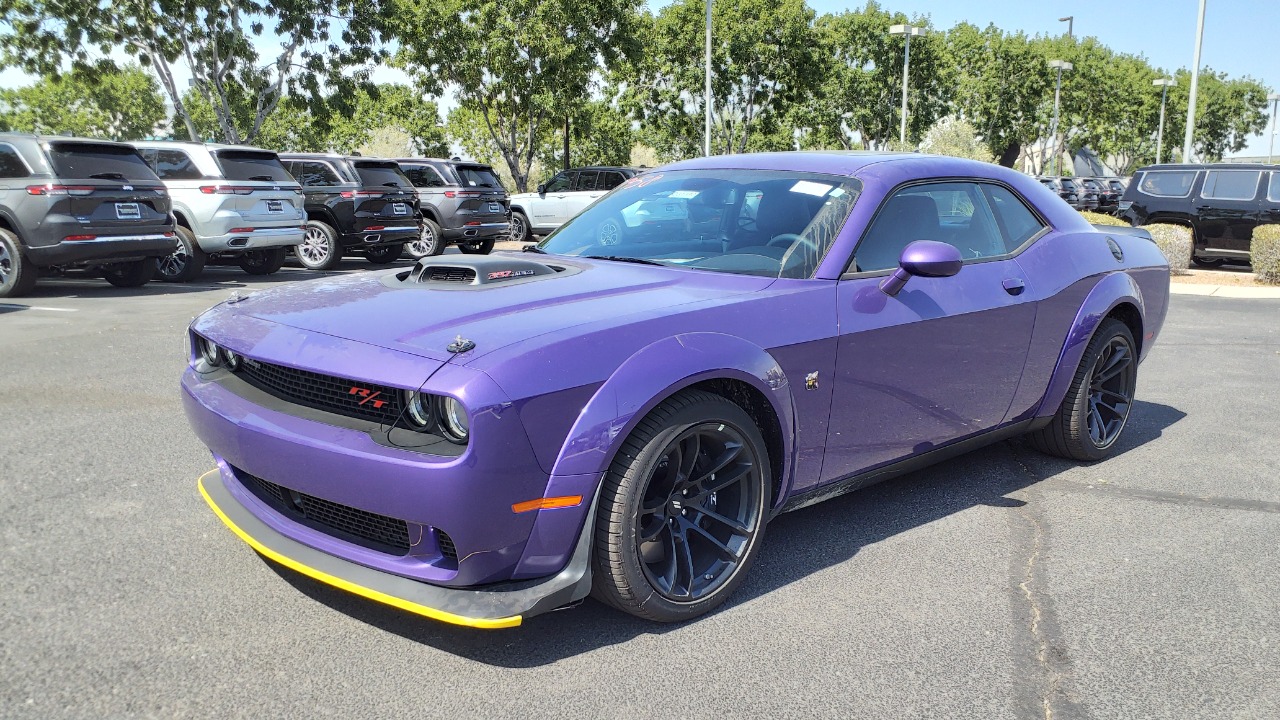
The Dodge Challenger Widebody debuted in 2019, significantly enhancing the model’s performance and aesthetics. This version featured wider fenders and a more aggressive stance, accommodating larger tires for improved grip and handling. The Widebody treatment was available on several trim levels, including the R/T Scat Pack and Hellcat, allowing drivers to experience enhanced performance across the board.
Equipped with a more advanced suspension system, the Widebody offered better cornering capabilities and a more engaging driving experience. The aesthetic appeal of the wider body also turned heads, with its muscular appearance showcasing Dodge’s commitment to style as well as performance. The added traction and stability made the Widebody a favorite among enthusiasts, particularly those keen on track days and spirited driving. The Dodge Challenger Widebody represents the brand’s evolution, combining classic muscle car elements with modern performance technology.
Dodge Challenger SRT Super Stock (2020)
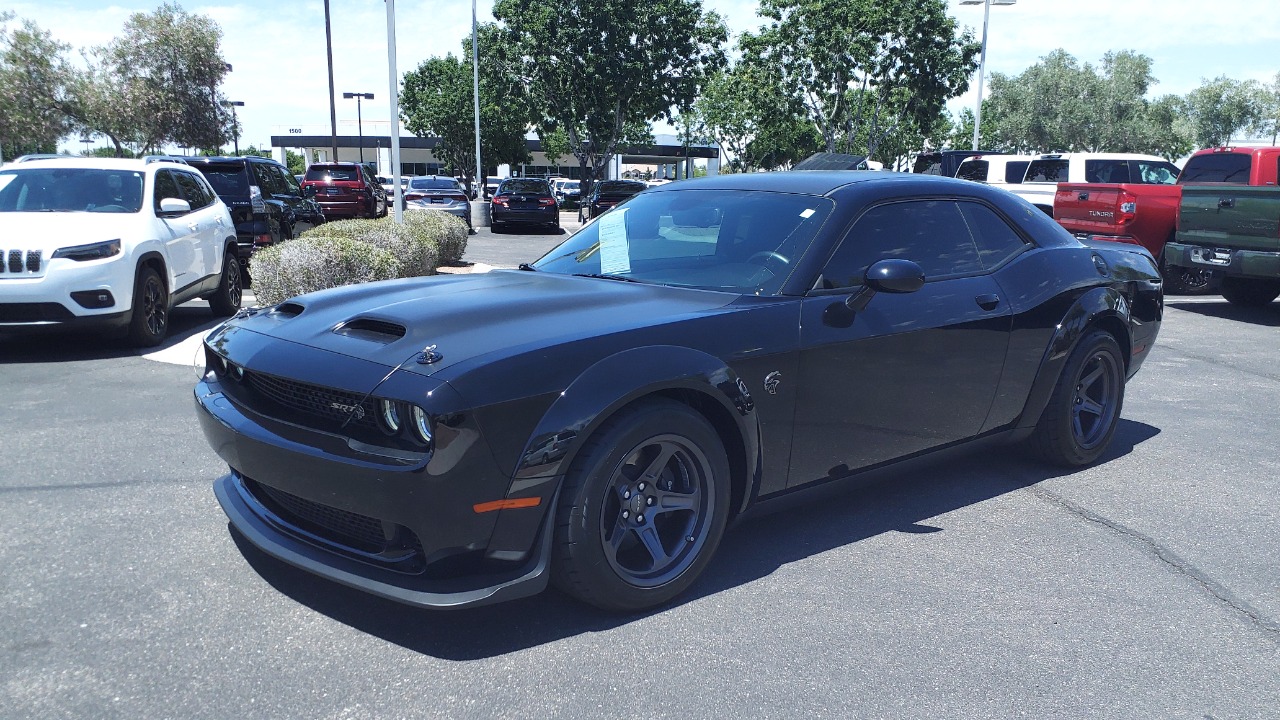
The Dodge Challenger SRT Super Stock, introduced in 2020, took performance to new heights. With a supercharged 6.2-liter HEMI V8 engine, it produced a staggering 807 horsepower, making it one of the most powerful versions of the Challenger ever created. The Super Stock was engineered for optimal performance on the drag strip, boasting a 0-60 mph time of just 3.25 seconds. It was designed with racing in mind, featuring performance-tuned components for superior handling and acceleration.
Additionally, the Super Stock came with a host of exclusive features, including drag radials and a unique suspension setup tailored for maximum grip. The car’s aggressive styling and advanced technology made it a standout in the muscle car segment. With a limited production run, the SRT Super Stock quickly became a collector’s item, appealing to those who valued performance and exclusivity. It solidified Dodge’s position as a leader in the muscle car arena, pushing the boundaries of what is possible in a production vehicle.
More from Fast Lane Only
- Unboxing the WWII Jeep in a Crate
- 15 rare Chevys collectors are quietly buying
- 10 underrated V8s still worth hunting down
- Police notice this before you even roll window down
*Research for this article included AI assistance, with all final content reviewed by human editors.