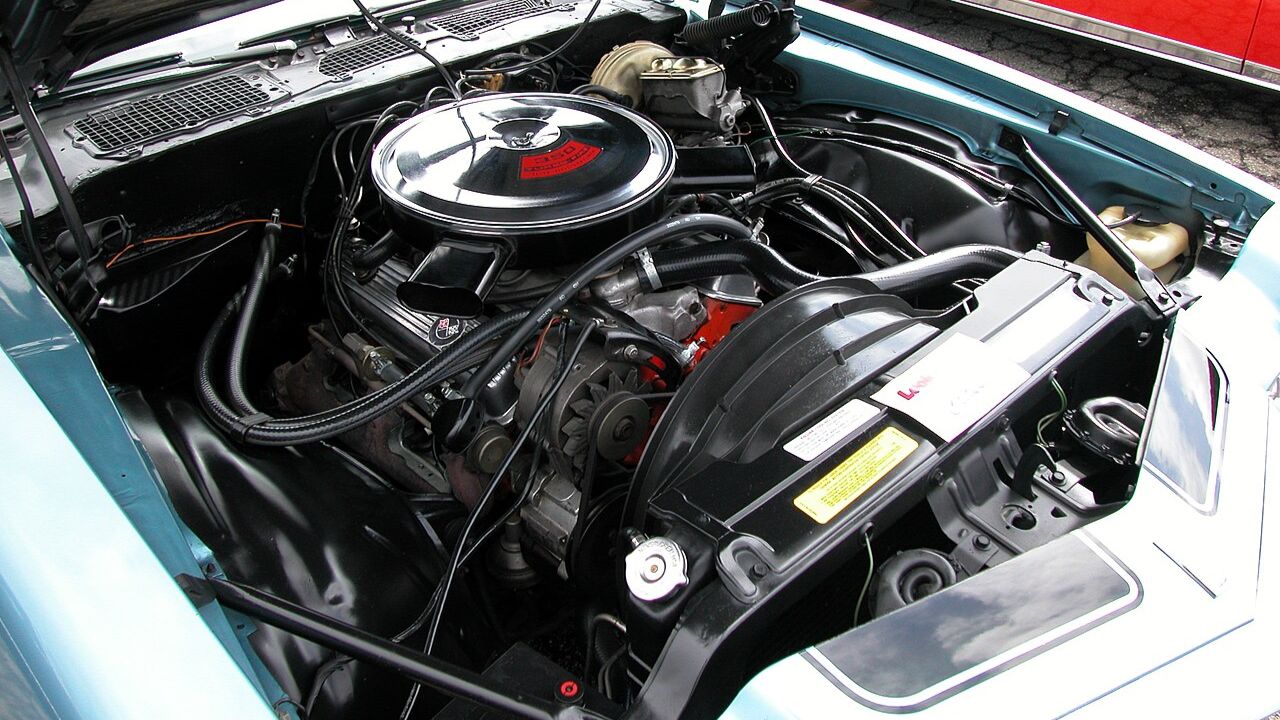
The Chevrolet LT-1 engine has become an iconic symbol of small-block performance, combining cutting-edge technology with a rich legacy. From its inception in the early 1970s to its lasting impact on the automotive landscape, the LT-1 embodies a commitment to innovation and performance that continues to resonate with car enthusiasts today.
The Birth of the LT-1
The LT-1 engine made its debut in 1970, representing a significant leap forward in Chevrolet’s small-block engine design. Spearheaded by a team of talented engineers and designers, including the likes of Ed Cole and Zora Arkus-Duntov, the LT-1 was born out of a desire to create a high-performance engine that could compete on both the street and the track. The goal was to produce an engine that delivered not only impressive horsepower but also improved efficiency and reliability, setting new standards for small-block engines.
Initial expectations for the LT-1 were high. Chevrolet aimed to create an engine that would power the legendary Corvette and other performance vehicles while still being practical for everyday use. The LT-1 was designed to deliver a robust 350 cubic inches of displacement, boasting an impressive 370 horsepower and 380 lb-ft of torque. This remarkable output positioned the LT-1 as a formidable contender against other muscle car engines of its time, such as the Pontiac 400 and Ford 351 Cleveland.
Technical Specifications and Innovations
One of the standout features of the LT-1 engine is its innovative design. The engine utilized an aluminum intake manifold, which not only reduced weight but also improved airflow, contributing to enhanced performance. Additionally, the LT-1 was equipped with adjustable rocker arms, allowing for better tuning of the valve train. This flexibility was a game-changer for performance enthusiasts who sought to maximize their engine’s capabilities.
When compared to its predecessors, the LT-1 addressed several limitations of earlier small-block designs. For example, while previous engines struggled with overheating and inadequate airflow, the LT-1’s design incorporated better cooling passages and a more efficient combustion chamber. This innovation not only improved performance but also paved the way for future advancements in small-block engine technology. The LT-1’s unique blend of power and efficiency made it a favorite among gearheads and casual drivers alike, solidifying its place in automotive history.
Performance Characteristics
The performance of the LT-1 engine is best highlighted through its application in various Chevrolet models, such as the 1970 Corvette and the Camaro Z28. In these vehicles, the LT-1 showcased its remarkable acceleration capabilities, achieving 0-60 mph in just over six seconds—a remarkable feat for a production car at that time. The engine’s responsiveness and power delivery made it particularly exhilarating for drivers, whether on the open road or the racetrack.
Feedback from real-world drivers and enthusiasts has consistently celebrated the LT-1’s performance. Many enthusiasts fondly recall the thrill of driving a vehicle powered by the LT-1, highlighting its ability to provide a thrilling driving experience. Testimonials frequently emphasize the engine’s robust torque curve, which allowed for quick acceleration and a satisfying driving experience, whether navigating city streets or cruising on the highway. The LT-1’s performance metrics not only made it a standout in the muscle car world but also contributed to its enduring popularity among collectors and automotive aficionados.
The LT-1 in Motorsports
The LT-1 engine quickly found its place in the world of motorsports, where it became a key player in various racing disciplines. Its combination of power and reliability helped propel teams to victory in events like the SCCA Trans-Am series during the early 1970s. The engine’s success on the racetrack not only validated its design but also influenced performance engineering across the industry.
Motorsport teams that utilized the LT-1, such as those competing in the IMSA GT series, often reported significant gains in performance compared to their competitors. The engine’s ability to withstand the rigors of racing while delivering consistent power made it a favorite among drivers and technicians alike. As racing regulations evolved, the LT-1 was adapted to meet new standards, showcasing its versatility and enduring appeal. The legacy of the LT-1 in motorsports continues to inspire engineers and racers, underscoring its role in shaping the future of performance vehicles.
Legacy and Evolution of the LT-1
As the automotive landscape evolved, so did the LT-1 engine. The transition from the original LT-1 to modern iterations reflects advancements in technology and shifts in consumer preferences. Over the decades, the LT-1 has undergone significant refinements, with modern versions incorporating fuel injection, advanced engine management systems, and improved materials. These updates have allowed the LT-1 to maintain its performance edge while adapting to contemporary emission standards and fuel efficiency requirements.
Key milestones in the LT-1’s evolution include its reintroduction in the 1990s as part of the Chevrolet Corvette lineup and the integration of the engine into newer performance models like the Camaro and the Chevrolet SS. The influence of the LT-1 on subsequent Chevrolet engines, particularly the LS family, is undeniable. The LS engines have inherited many of the LT-1’s design philosophies, contributing to their widespread acclaim and success in both street and racing applications. The LT-1’s legacy is etched into the DNA of modern performance engines, establishing a benchmark for future innovations.
Cultural Impact and Popularity
The LT-1 engine has transcended its mechanical roots to become a cultural icon within the automotive community. Its presence in popular car culture and media is evident, as it has been featured in numerous films, television shows, and automotive publications. The engine’s combination of power and heritage has made it a sought-after component for restoration projects, further solidifying its status among classic car enthusiasts.
Collector interest in the LT-1 has surged in recent years, with well-preserved models commanding premium prices in the classic car market. The engine’s unique characteristics and historical significance make it a coveted addition for many collectors. Additionally, the LT-1 community remains vibrant, with clubs and online forums dedicated to sharing knowledge, experiences, and restoration tips. This active engagement fosters a sense of camaraderie among enthusiasts, ensuring the LT-1’s legacy continues to thrive.
Challenges and Controversies
Despite its many successes, the LT-1 engine faced challenges during its production years. Early models experienced performance issues, particularly related to overheating and oil consumption. These issues sparked criticism from automotive journalists and industry experts, who questioned the LT-1’s reliability. However, Chevrolet addressed these concerns through engineering updates and enhancements, ultimately solidifying the LT-1’s reputation for performance and durability.
The impact of external factors, such as the fuel crises of the 1970s and increasing environmental regulations, also influenced the LT-1’s evolution. These challenges prompted Chevrolet to adapt the engine to meet new standards while striving to maintain its performance credentials. Despite these obstacles, the LT-1 emerged as a resilient symbol of American muscle, showcasing the ingenuity and adaptability of Chevrolet’s engineering team.
The Future of the LT-1 and Small-Block Engines
Looking ahead, the LT-1 continues to evolve as automotive technology progresses. Current innovations include adaptations of the LT-1 for use in modern vehicles, such as the Chevrolet Camaro and Corvette C8, where it maintains its relevance in a rapidly changing industry. Chevrolet is also exploring hybrid and electric applications, hinting at the potential for the LT-1 to play a role in the future of high-performance vehicles.
As the industry shifts toward electrification, the LT-1’s legacy as a small-block powerhouse will undoubtedly influence the development of hybrid and performance-oriented electric vehicles. The fundamental principles of power, efficiency, and performance that defined the LT-1 will continue to inform the design of future engines, ensuring that its spirit lives on in the next generation of automotive technology.
More from Fast Lane Only