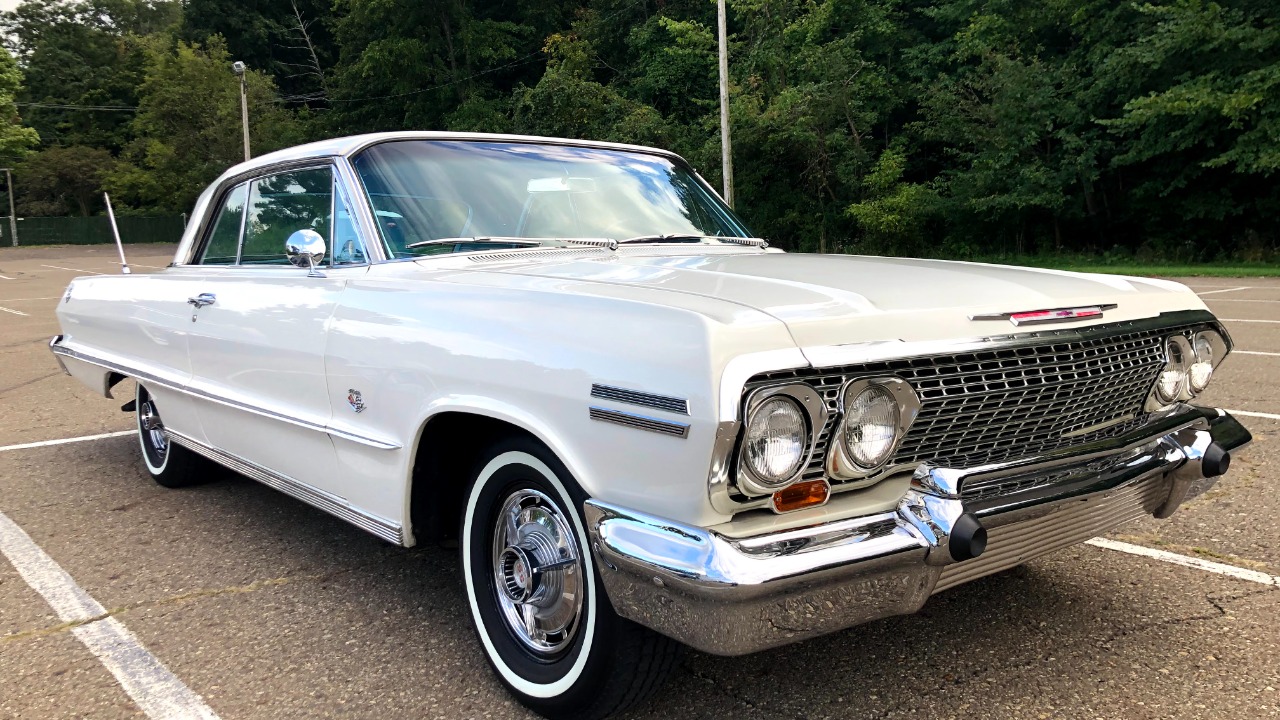
Most classic cars are remembered for representing their era. A select few stood apart by introducing ideas that wouldn’t become mainstream until years later. Whether through innovative engineering, unconventional layouts, or entirely new vehicle concepts, these cars hinted at where the automotive world was headed. Looking back, it’s easy to see that many of their most unusual features weren’t strange at all—they were simply ahead of their time.
1948 Tucker 48
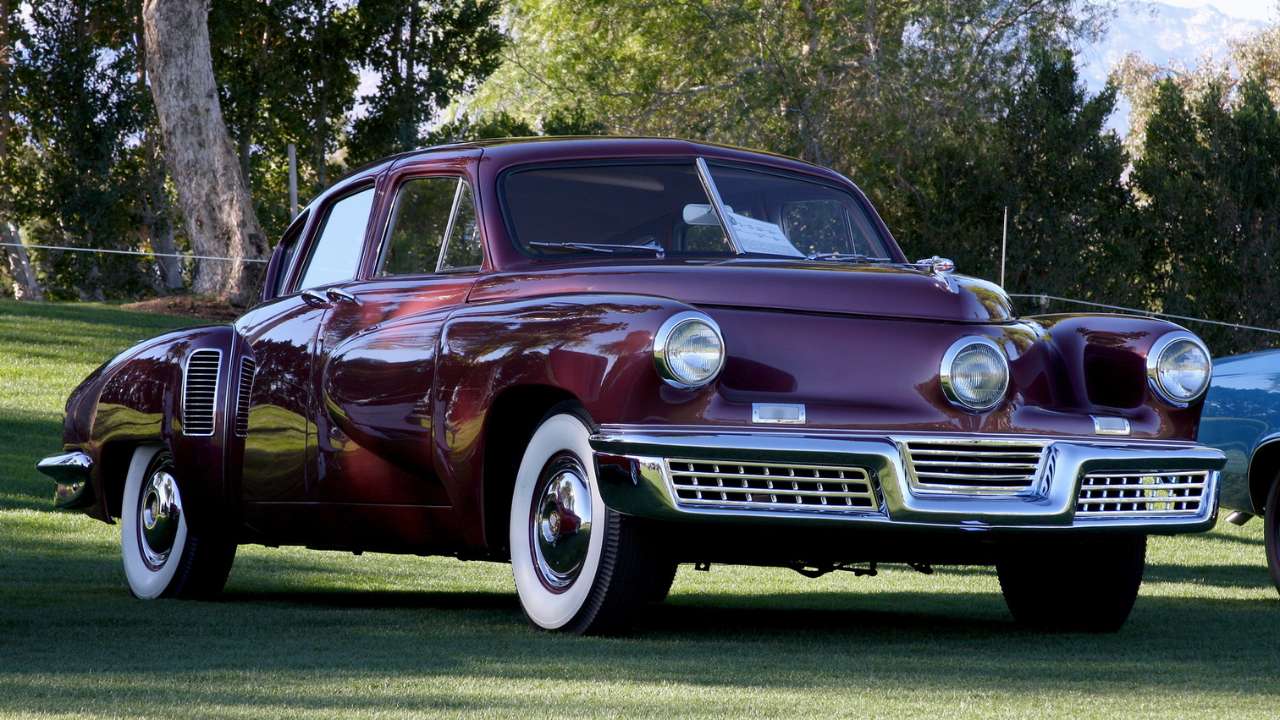
The Tucker 48 is one of the most famous examples of a car arriving before the market was ready for it. Safety was central to its design, with features that were rare or nonexistent elsewhere in the industry. At a time when styling and horsepower dominated advertising, Tucker focused on protecting occupants. Many of its ideas anticipated the growing importance of automotive safety, helping cement its reputation as one of the most forward-thinking American cars ever built.
1955 Citroën DS
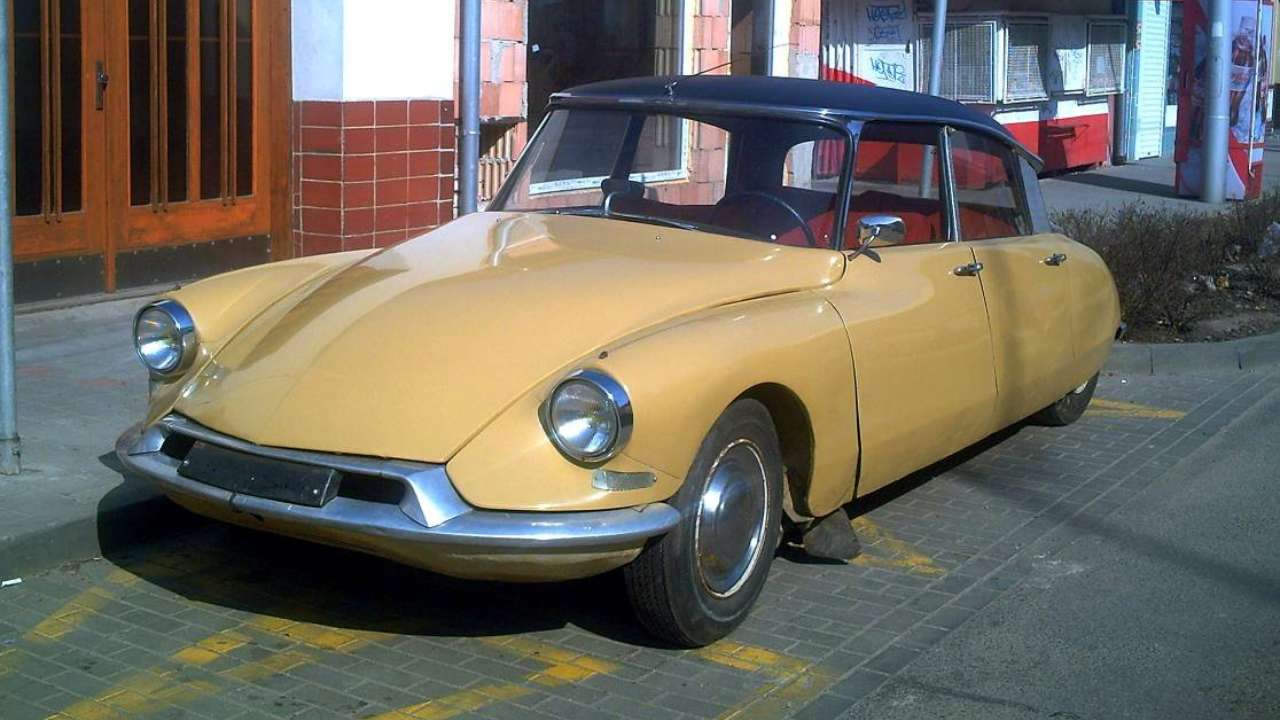
The Citroën DS looked futuristic when it debuted and still feels advanced today. Its aerodynamic body, innovative suspension, and sophisticated engineering made competitors seem outdated overnight. While many buyers were initially drawn to its appearance, the real story was underneath the sheet metal. The DS introduced concepts that influenced vehicle design for decades, proving that a family car could be both practical and technologically ambitious.
1966 Oldsmobile Toronado

The Oldsmobile Toronado helped bring front-wheel drive into the American mainstream. At a time when large cars almost exclusively used rear-wheel drive, the Toronado demonstrated the packaging and space advantages of a different layout. Its success showed manufacturers that buyers would accept new engineering solutions if the benefits were clear. The widespread adoption of front-wheel drive in later decades makes the Toronado look remarkably visionary today.
1970 Lancia Stratos Zero
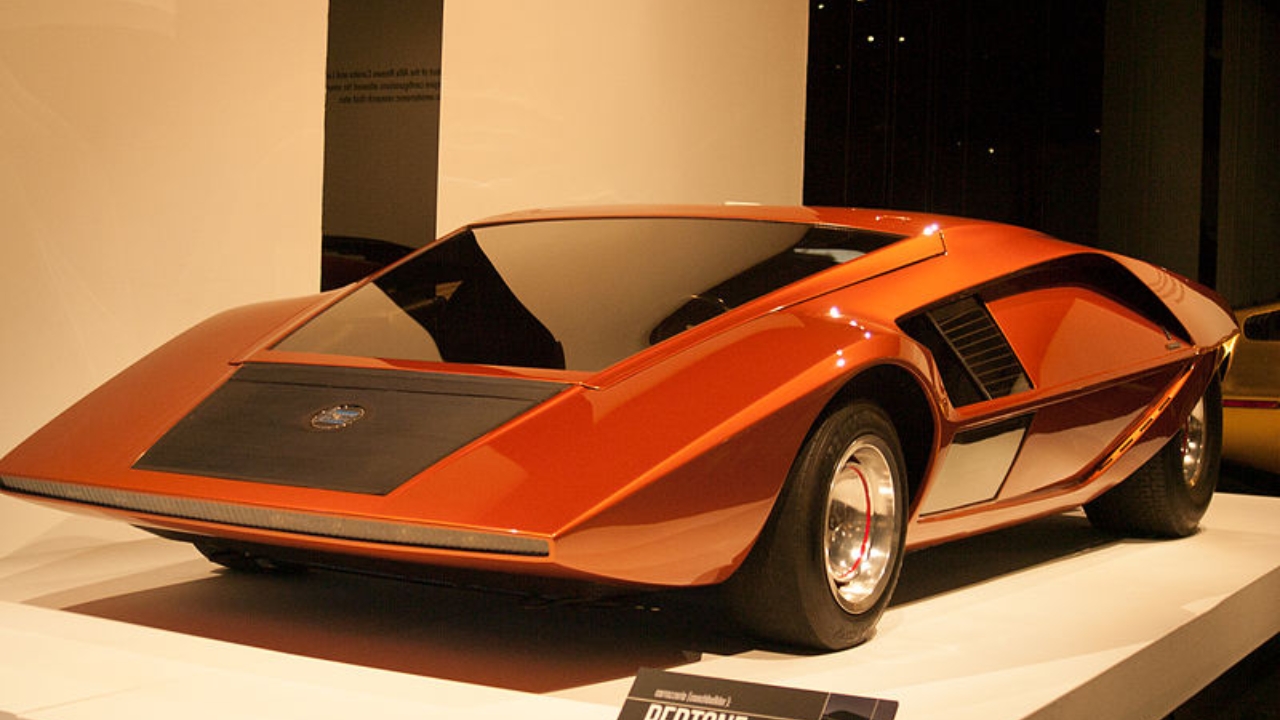
Although it was a concept car, the Lancia Stratos Zero previewed styling themes that would influence sports cars for years. Its dramatic wedge shape looked like science fiction at the time, but similar design cues soon appeared across the industry. The car demonstrated how aerodynamics and bold styling could shape the future of performance vehicles. Few concepts have had such an obvious impact on the cars that followed.
1980 AMC Eagle
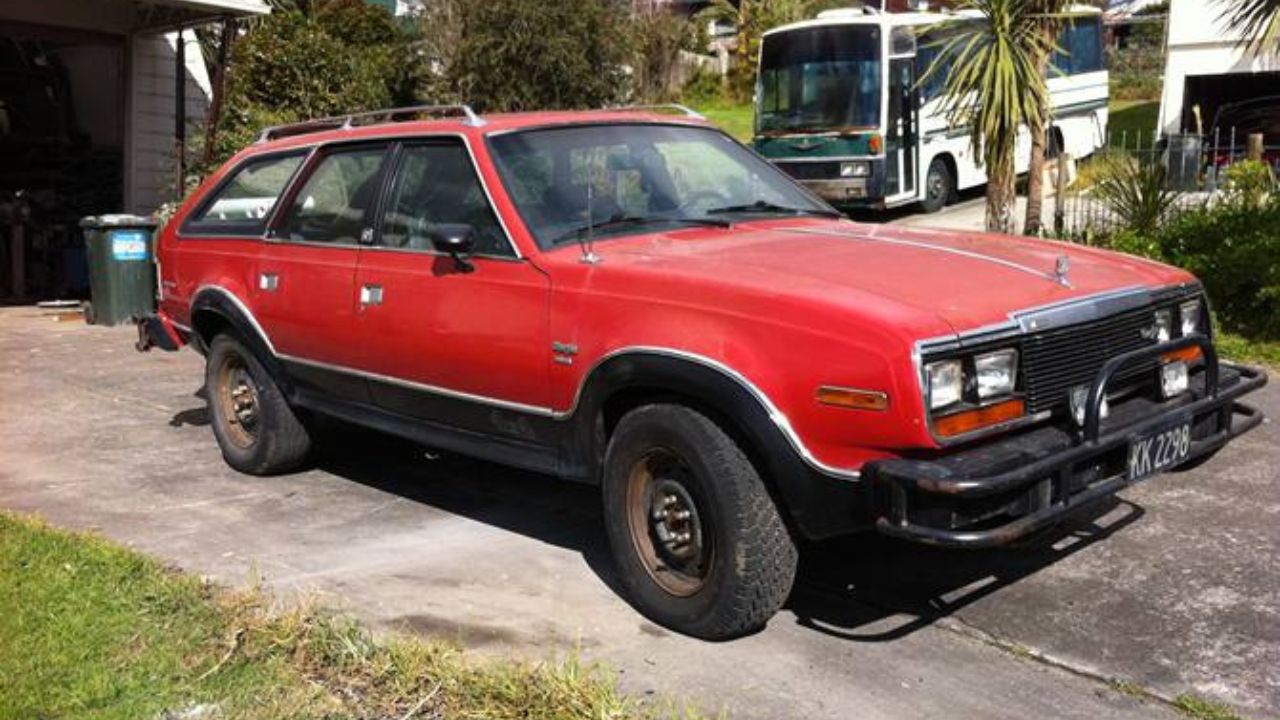
The AMC Eagle combined passenger-car comfort with all-wheel-drive capability long before crossovers became dominant. Buyers weren’t entirely sure where it fit in the market, but its formula would eventually become one of the industry’s most successful. By blending everyday usability with enhanced traction and versatility, the Eagle anticipated the preferences of millions of future buyers and helped predict the crossover revolution.
1980 Audi Quattro

The Audi Quattro transformed perceptions of all-wheel drive. Rather than treating it as a tool for rough weather or off-road conditions, Audi demonstrated its performance potential. The Quattro’s success influenced sports cars, luxury vehicles, and everyday transportation alike. Today, all-wheel drive is common across countless vehicle categories, making the Quattro one of the most influential performance cars of its generation.
1984 Renault Espace
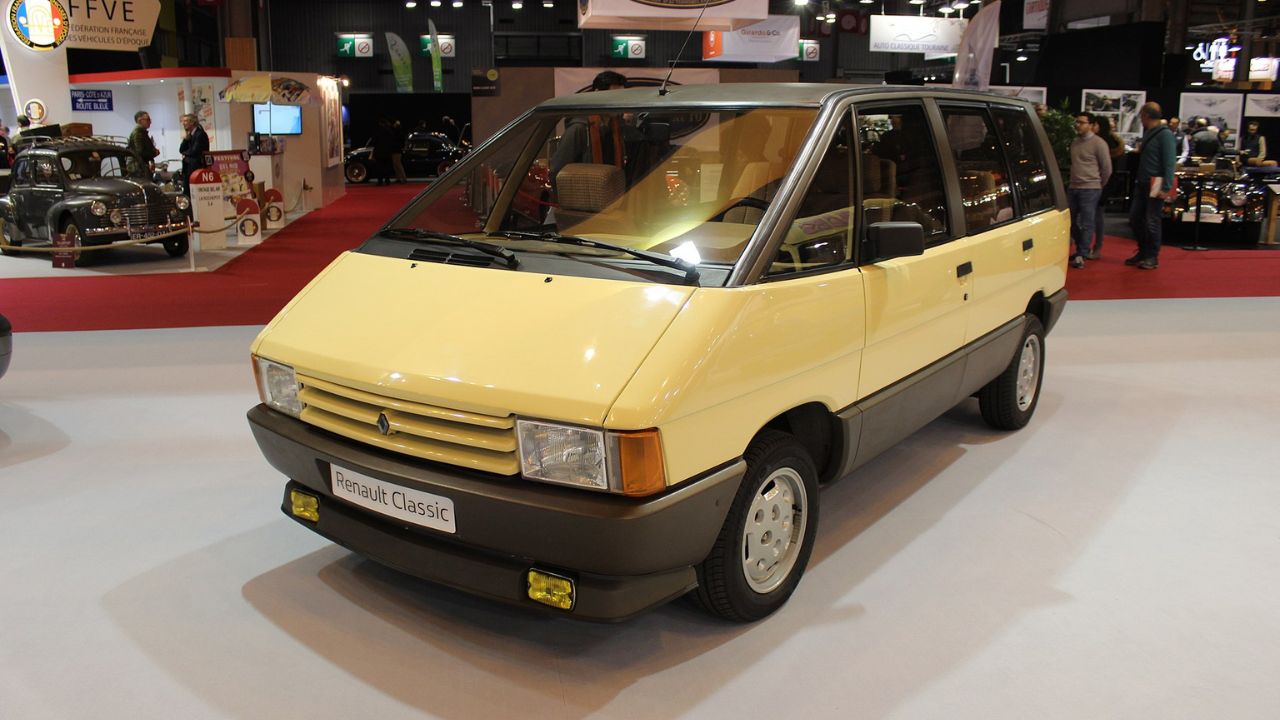
The Renault Espace reimagined family transportation by prioritizing interior space and flexibility. Instead of simply building a larger wagon, Renault created a vehicle designed around passengers and cargo. Features that seemed unconventional at the time eventually became standard expectations for family vehicles. The Espace helped establish ideas that would influence minivans, people movers, and even modern crossovers.
1996 GM EV1
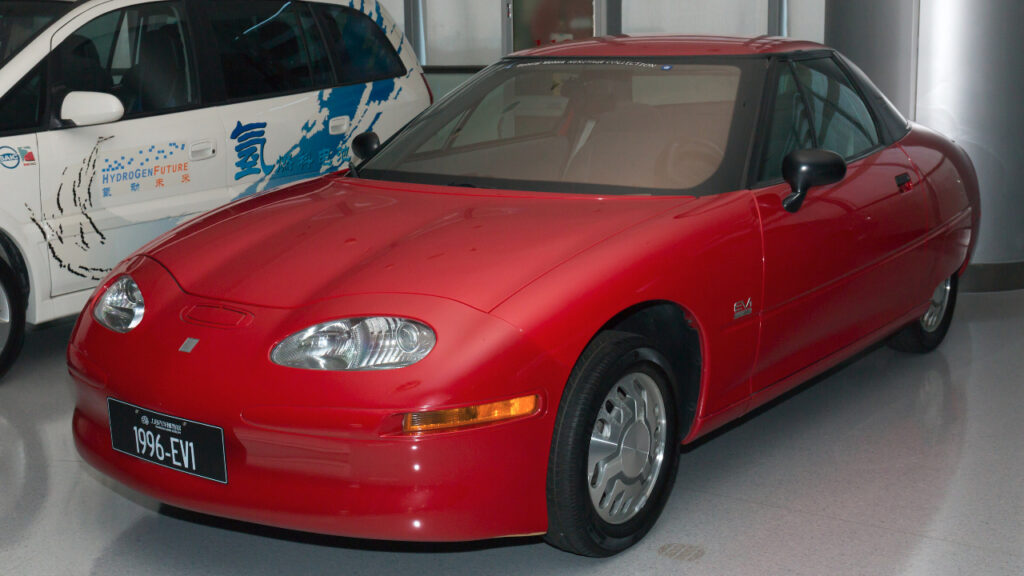
The GM EV1 arrived decades before electric vehicles entered the mainstream. Limited by the battery technology of its era, it still demonstrated that electric transportation could be practical and enjoyable. Many discussions surrounding charging, range, and electrification can be traced back to lessons learned from the EV1. While its production run was short, its influence on the future of automotive development was significant.
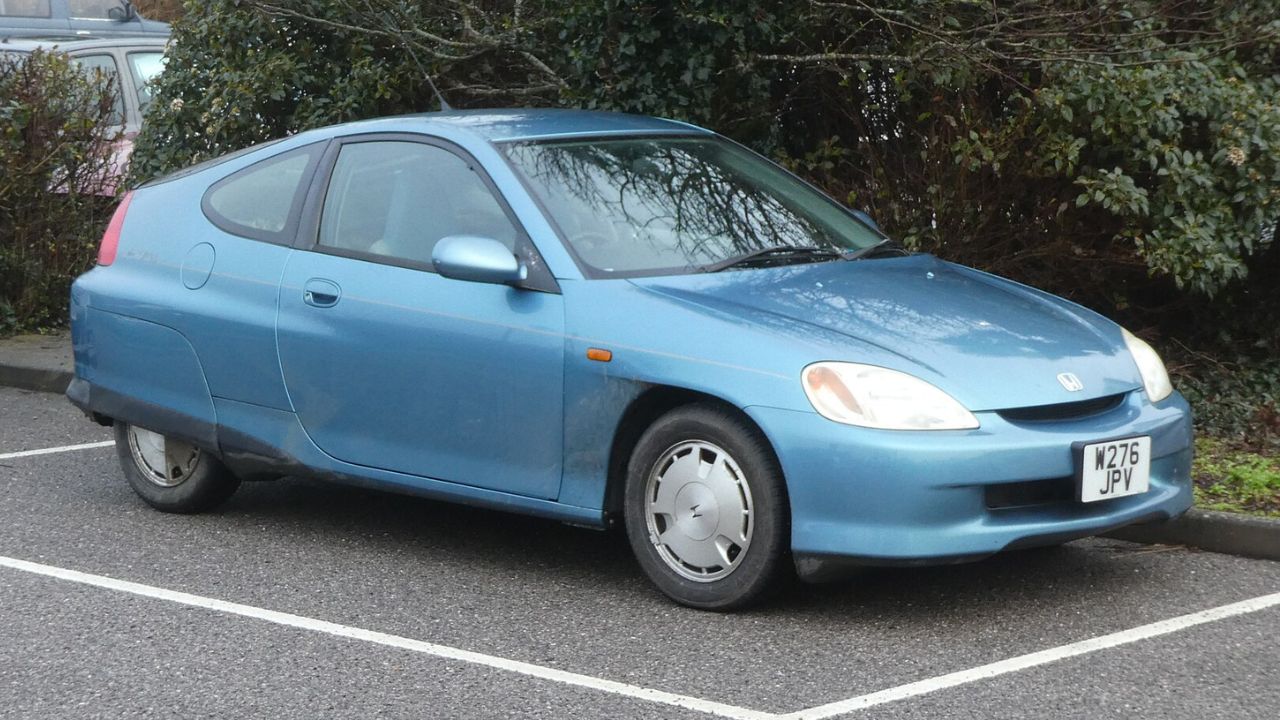
2000 Honda Insight

The original Honda Insight showed that fuel efficiency could become a defining feature rather than a secondary benefit. Its lightweight construction, aerodynamic design, and hybrid technology were all focused on maximizing economy. At the time, relatively few buyers prioritized efficiency to such a degree. Today, however, those same concerns influence nearly every automaker, making the Insight appear remarkably ahead of the curve.
2014 BMW i3
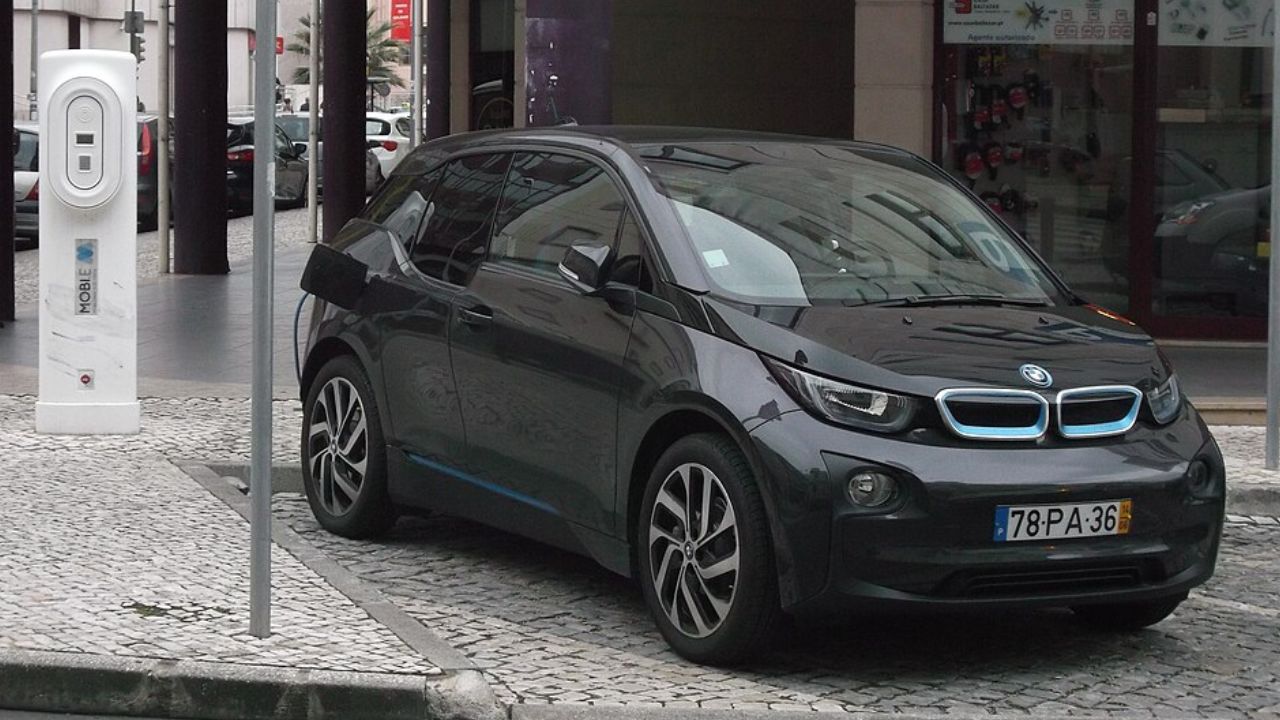
The BMW i3 predicted several trends that continue to shape the automotive industry. Its electric powertrain, lightweight materials, sustainable manufacturing methods, and minimalist interior all reflected ideas that were still emerging. Although it never became a high-volume bestseller, the i3 served as a glimpse into how future vehicles might be designed. Many of its most unconventional features now seem increasingly relevant in a rapidly changing market.
More from Fast Lane Only