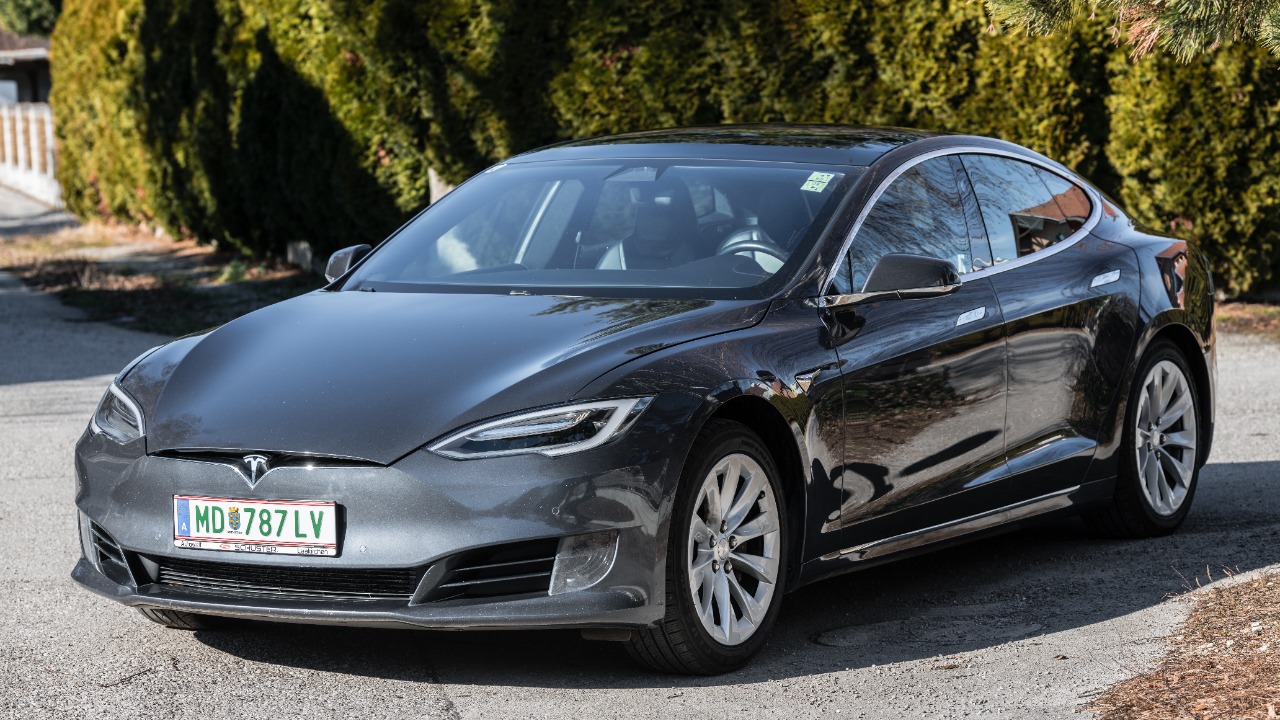
Every so often, a vehicle arrives that doesn’t just compete with its rivals—it changes the rules entirely. These models introduced new ideas, raised standards, or delivered capabilities that quickly became expected across the industry. In some cases, competitors scrambled to catch up. In others, buyers simply refused to settle for less afterward. Whether through technology, practicality, performance, or comfort, these vehicles permanently altered what drivers expected from their cars and trucks.
Chrysler Minivan
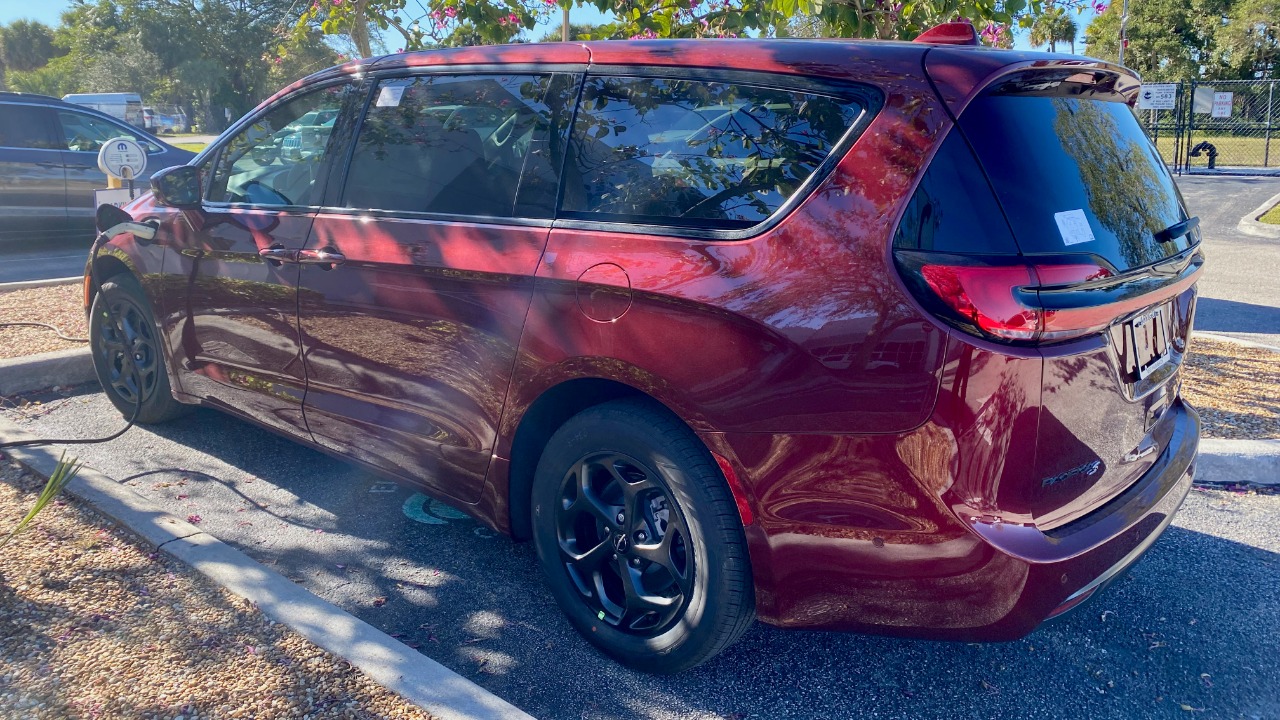
Before Chrysler introduced its front-wheel-drive minivans, families largely had to choose between bulky vans and traditional station wagons. The minivan offered something better: a vehicle that was spacious, practical, easy to drive, and surprisingly efficient. Buyers immediately embraced the concept, and competitors rushed to create their own versions. The success of the minivan fundamentally changed family transportation and proved that practicality could be a vehicle’s greatest selling point.
Lexus LS
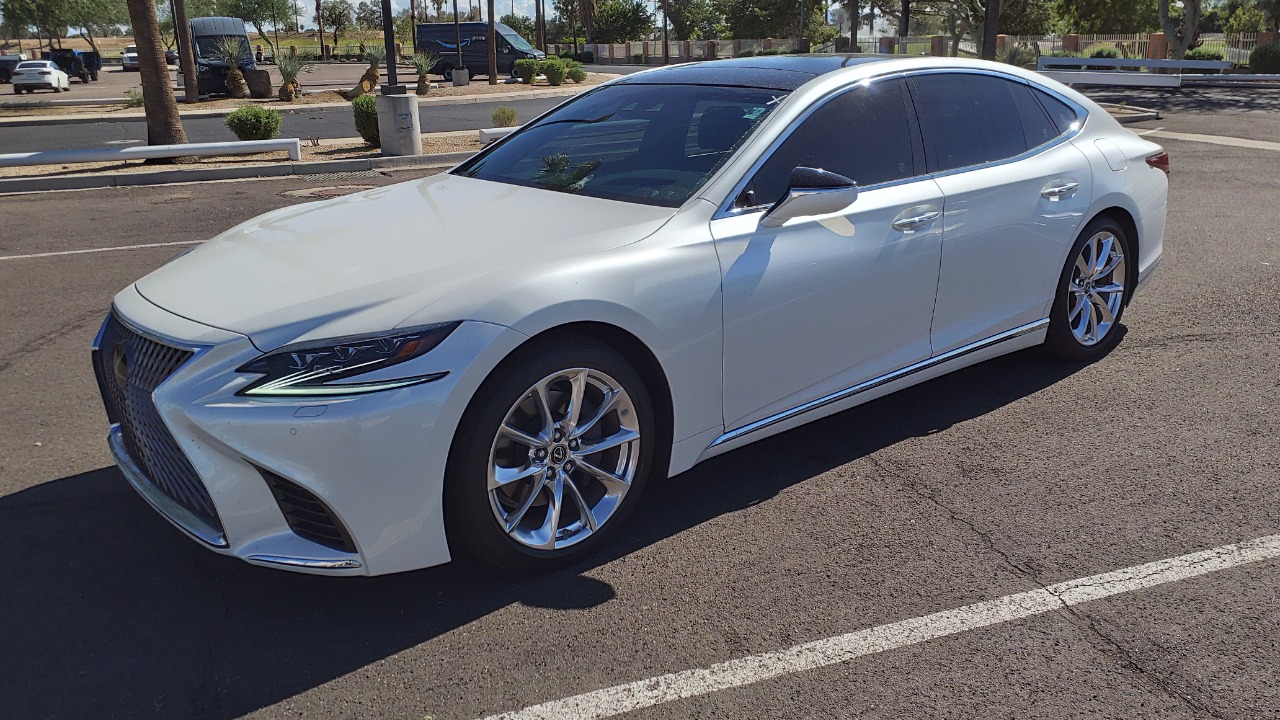
When the Lexus LS arrived, luxury buyers expected premium badges, comfortable interiors, and a few advanced features. What they didn’t expect was exceptional quality combined with near-flawless refinement and competitive pricing. The LS demonstrated that luxury could include remarkable reliability and customer service. Its impact forced established luxury brands to improve their products, raising expectations throughout the premium sedan segment.
Jeep Grand Cherokee
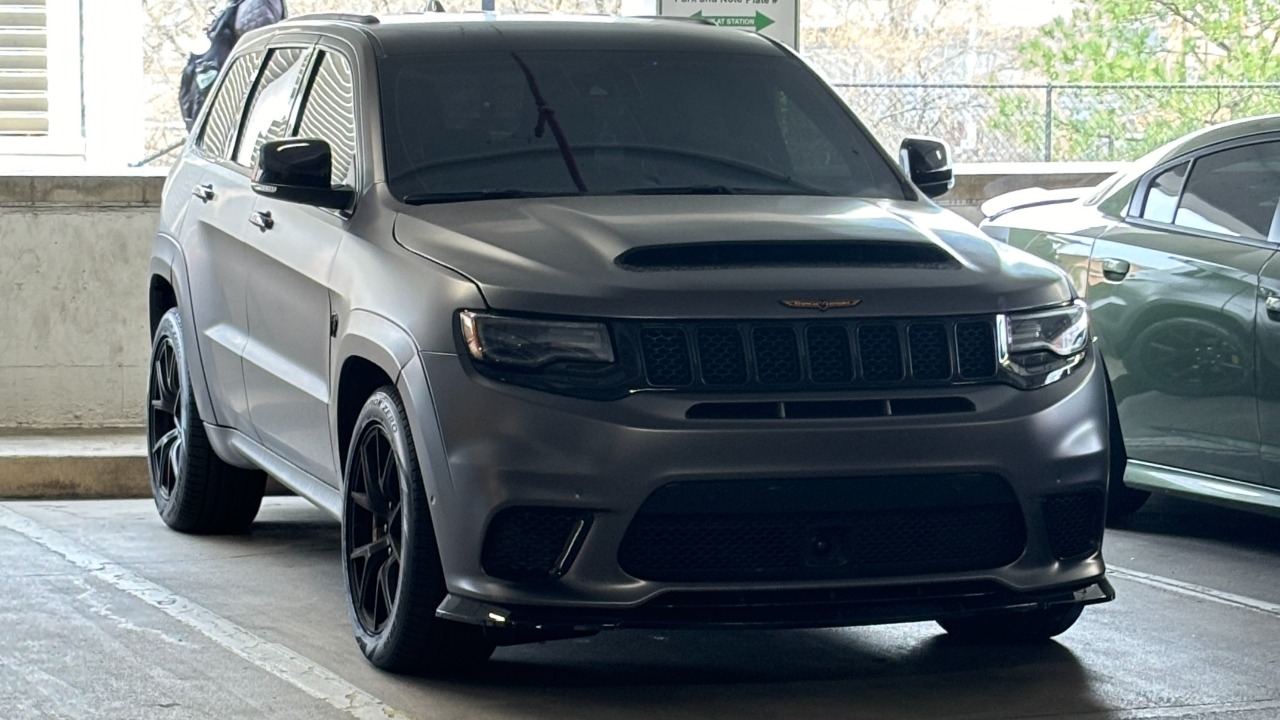
The Jeep Grand Cherokee helped redefine what an SUV could be. Earlier sport utility vehicles often prioritized rugged capability at the expense of comfort. The Grand Cherokee showed buyers they could have genuine off-road ability alongside a refined interior and everyday usability. Its success encouraged automakers to develop more comfortable SUVs, helping pave the way for the vehicles that dominate today’s market.
Toyota Prius
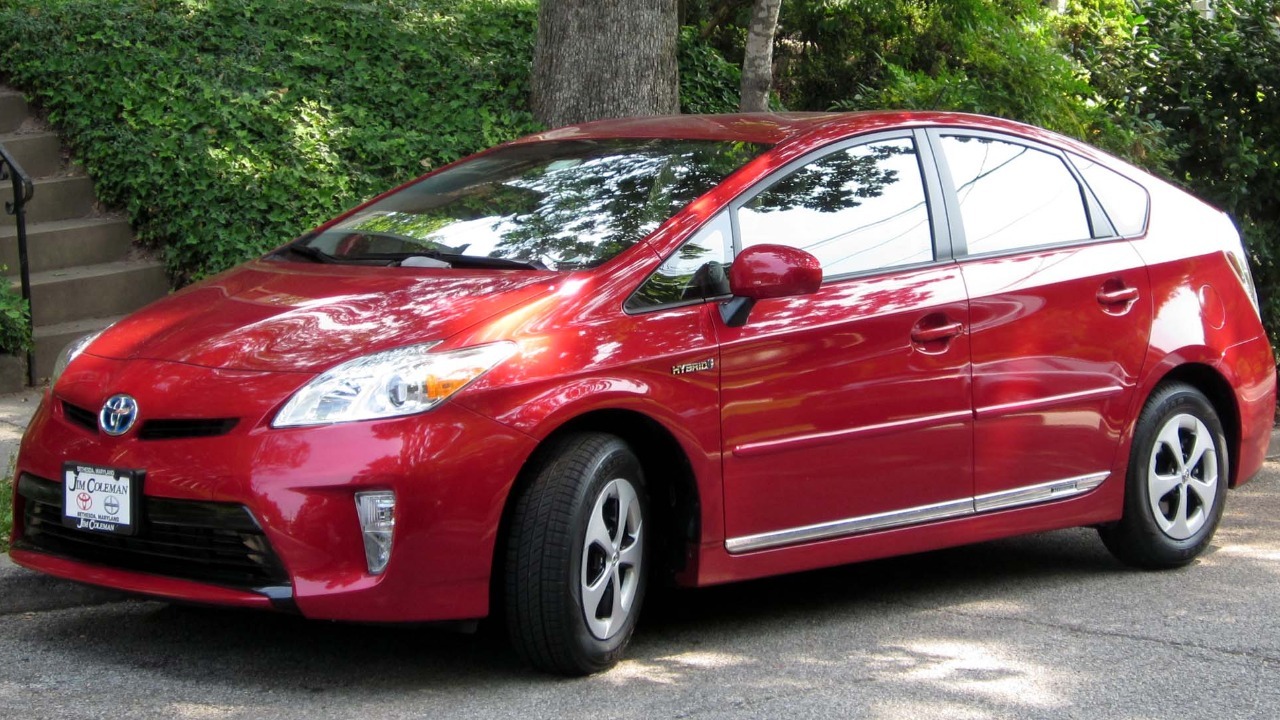
The Prius transformed how many consumers viewed fuel efficiency. Rather than being a compromise, efficiency became something buyers actively sought out and celebrated. The Prius made hybrid technology mainstream and demonstrated that alternative powertrains could succeed in the mass market. Its influence extended far beyond Toyota, helping push the entire industry toward electrification and more environmentally conscious vehicle development.
Ford Taurus

The Ford Taurus shocked buyers with its aerodynamic styling and modern approach to family transportation. At a time when many sedans remained boxy and conservative, the Taurus looked like it came from the future. It also emphasized comfort, efficiency, and usability in ways that resonated with mainstream consumers. Its success encouraged competitors to rethink both vehicle design and buyer expectations.
Tesla Model S

The Tesla Model S changed perceptions about electric vehicles almost overnight. Before its arrival, many drivers associated EVs with limited range and compromised performance. The Model S proved that an electric car could be fast, desirable, technologically advanced, and practical for everyday use. It forced both consumers and automakers to rethink what electric vehicles could achieve, accelerating changes throughout the industry.
Subaru Outback

The Subaru Outback arrived at a moment when buyers wanted more versatility without committing to a traditional SUV. Combining wagon practicality with rugged styling and all-wheel-drive capability, it created a formula that resonated with families and outdoor enthusiasts alike. The Outback helped establish the blueprint for countless crossover-inspired vehicles that followed, permanently influencing what many drivers expected from an everyday family vehicle.
Dodge Caravan
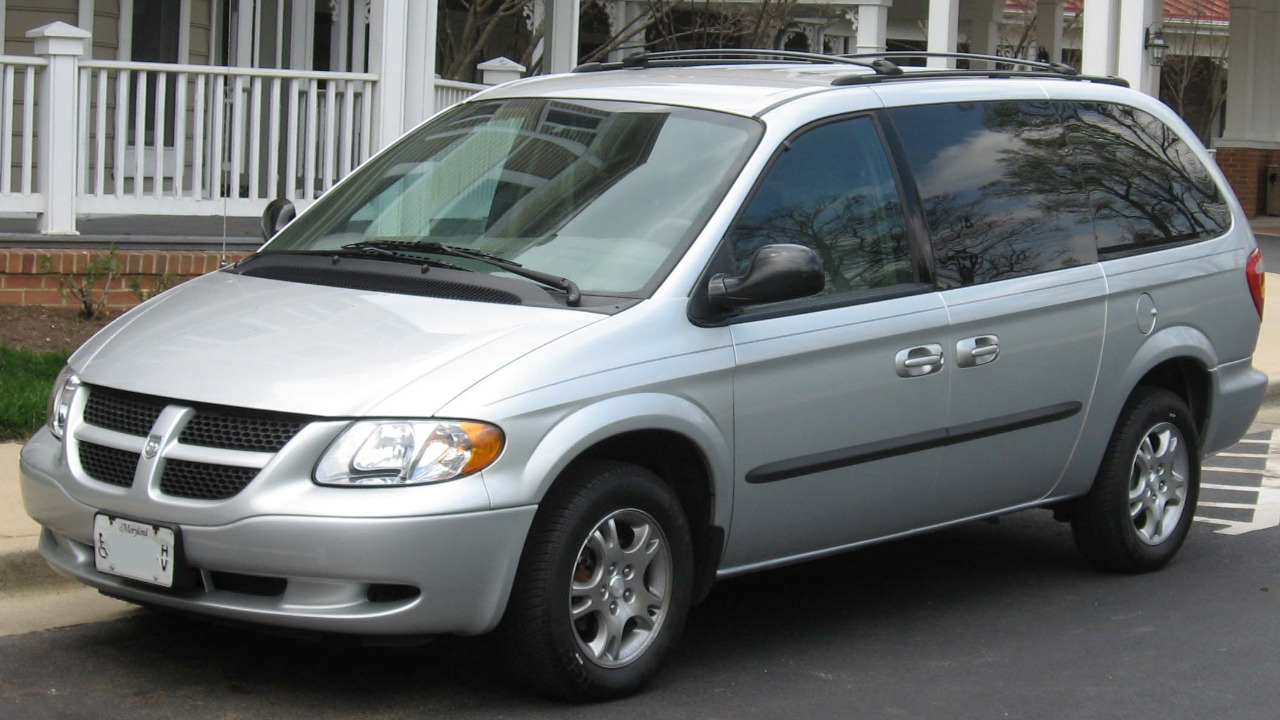
The Dodge Caravan changed expectations about interior flexibility and family convenience. Features like configurable seating, generous cargo space, and easy access transformed how families used their vehicles. It demonstrated that practical innovations could matter just as much as performance or styling. The Caravan’s success reshaped the family vehicle market and influenced generations of minivans and crossovers that followed.
Mercedes-Benz S-Class
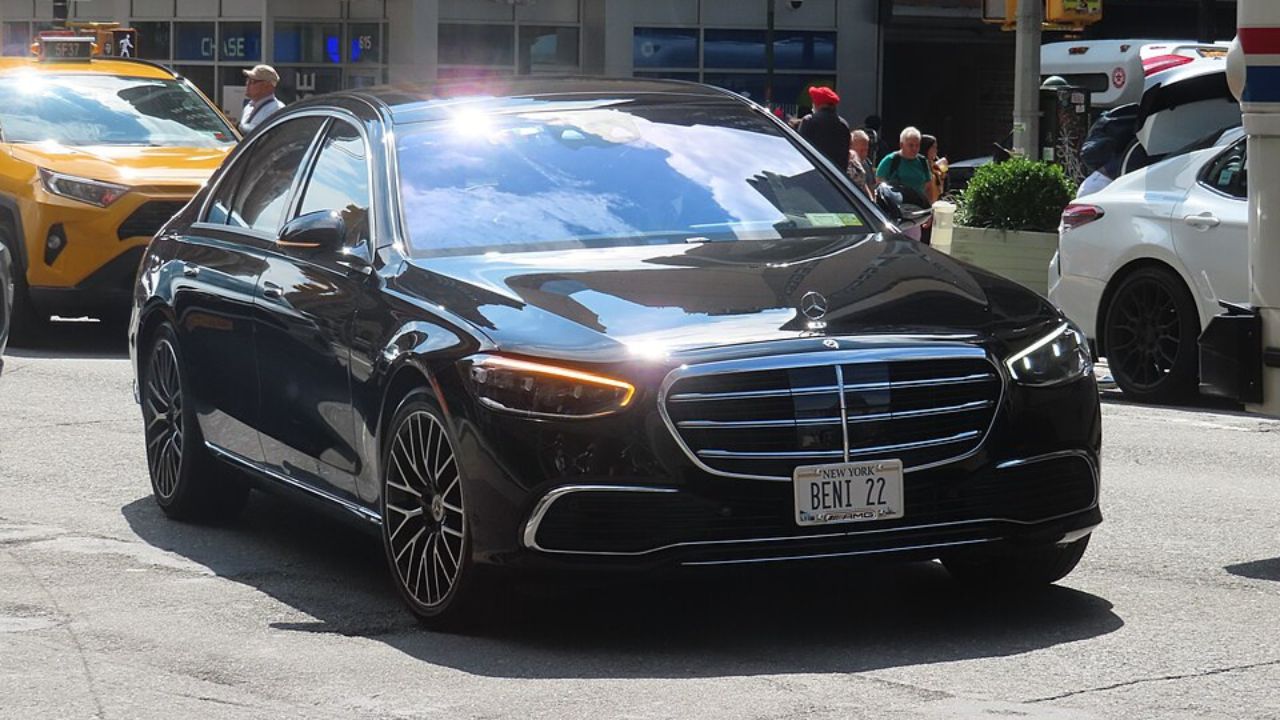
The Mercedes-Benz S-Class has long served as a showcase for innovations that eventually become industry standards. Advanced safety systems, comfort technologies, and luxury features often appeared in the S-Class before spreading to mainstream vehicles. Buyers came to expect more from premium automobiles because the S-Class consistently pushed boundaries. Its influence helped redefine what drivers believed was possible in a modern luxury car.
More from Fast Lane Only