Automotive history is filled with vehicles that proved conventional wisdom wrong. Some challenged expectations about performance, while others redefined ideas about luxury, practicality, or engineering. Many were misunderstood when new because they didn’t fit established categories or follow accepted formulas. Over time, however, these classics demonstrated that innovation and individuality could succeed where tradition suggested otherwise, earning respect that continues decades later.
Citroën DS
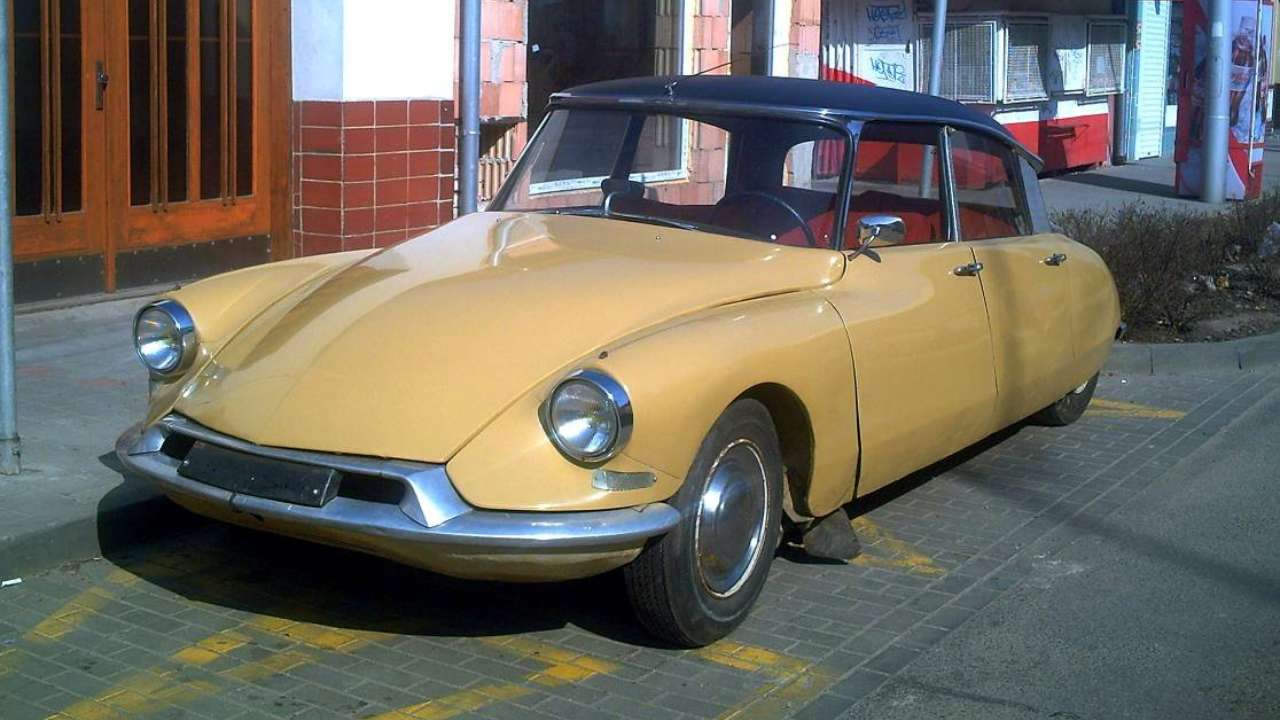
The Citroën DS shocked the automotive world with futuristic styling and advanced engineering that seemed years ahead of its time. Many buyers were accustomed to conventional suspension systems and conservative designs, making the DS appear almost alien. Its hydropneumatic suspension delivered remarkable ride quality, while its aerodynamic shape influenced future generations of automobiles. The DS challenged assumptions about what a family car could be and remains one of the most innovative classics ever produced.
Tucker 48
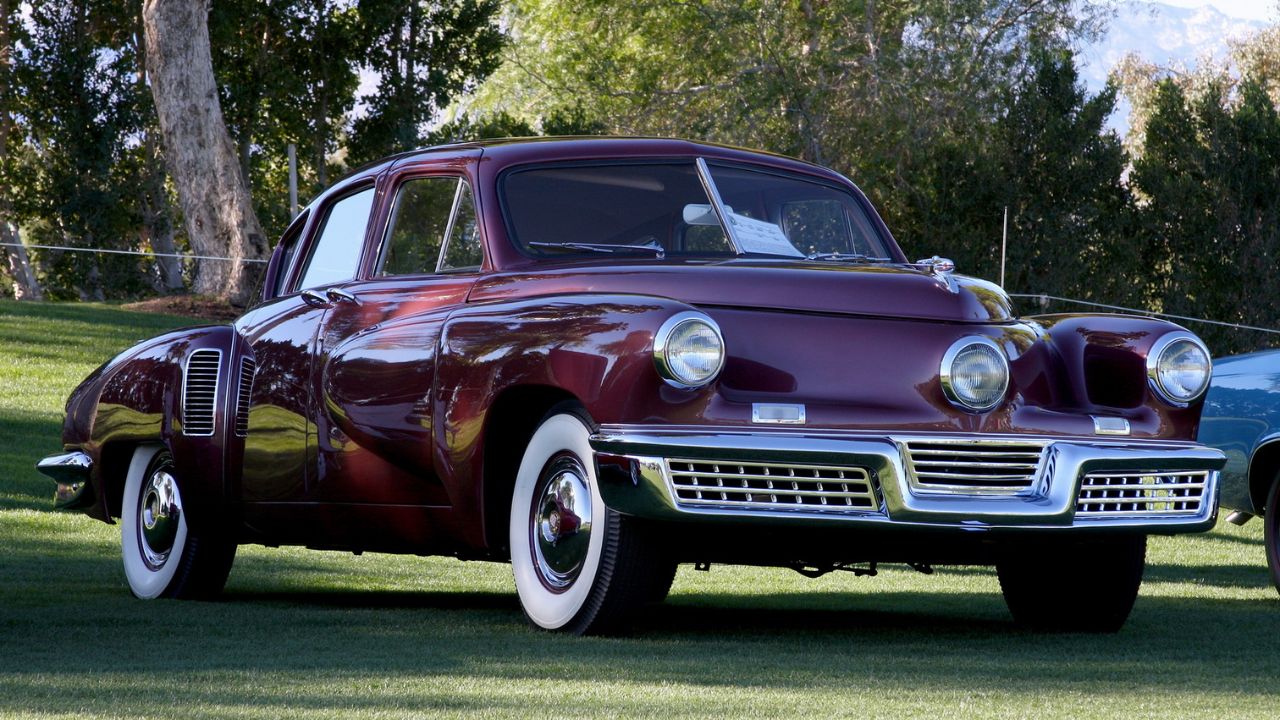
The Tucker 48 arrived with safety features and engineering ideas that were far ahead of industry standards. At a time when many manufacturers focused on traditional designs, Preston Tucker envisioned a radically different automobile. Features such as a padded dashboard and a center-mounted directional headlight challenged accepted practices. Although production was limited, the Tucker demonstrated that innovation could come from unexpected places and forced people to reconsider what modern cars might eventually become.
Oldsmobile Toronado

The Oldsmobile Toronado challenged assumptions by bringing front-wheel drive to the American luxury market in a dramatic way. Many believed large, powerful cars needed rear-wheel drive, but the Toronado proved otherwise. Its bold styling and innovative engineering helped it stand apart from competitors. Over time, enthusiasts came to appreciate how daring the project truly was. The Toronado demonstrated that unconventional solutions could succeed even in segments dominated by tradition.
BMW 2002
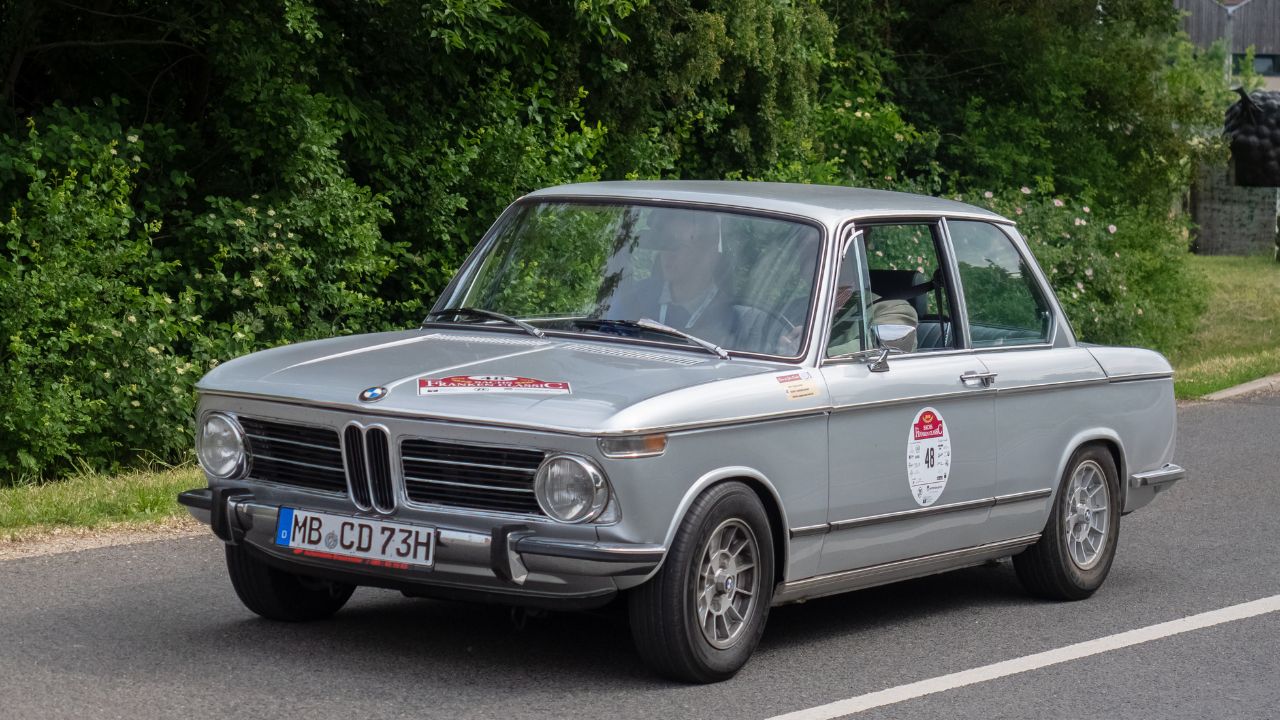
The BMW 2002 arrived at a time when many people viewed small cars primarily as economical transportation. Instead, it showed that compact dimensions and driving enjoyment could coexist. Its responsive handling and engaging performance helped establish a new formula for sport sedans. Enthusiasts quickly realized that excitement did not require a large engine or massive vehicle. The 2002 challenged assumptions about what drivers should expect from an affordable everyday car.
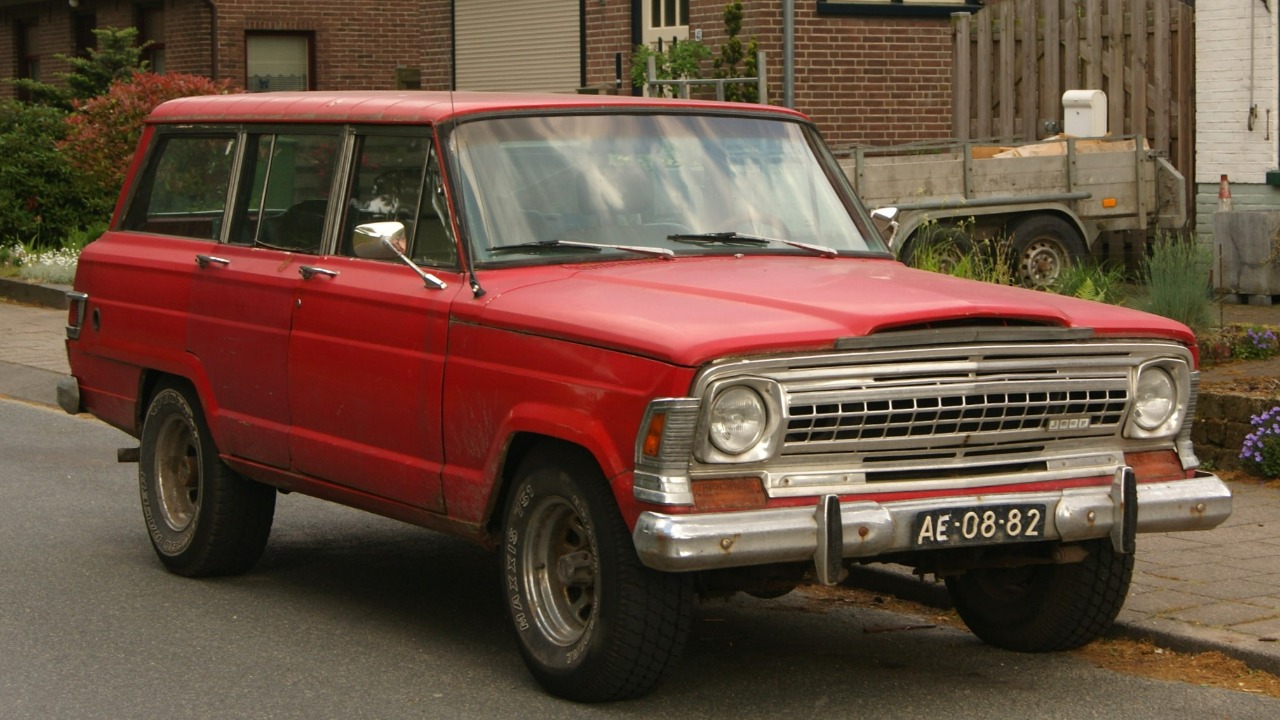
Jeep Wagoneer
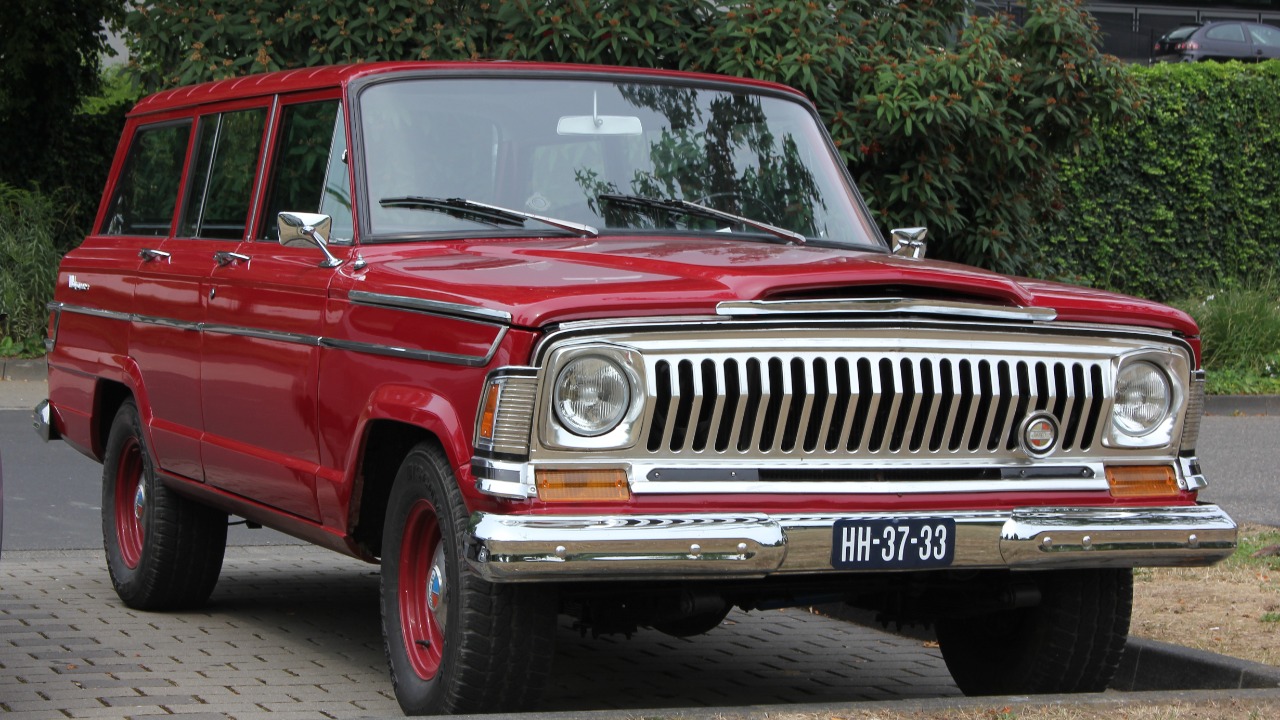
The Jeep Wagoneer helped redefine expectations for utility vehicles. Before its arrival, many people associated four-wheel-drive vehicles with rugged work duties and limited comfort. The Wagoneer demonstrated that capability and refinement could exist together. Its spacious interior and available luxury features broadened the appeal of sport utility vehicles. Long before SUVs dominated the market, the Wagoneer challenged assumptions about who would buy such vehicles and how they could be used.
Porsche 928
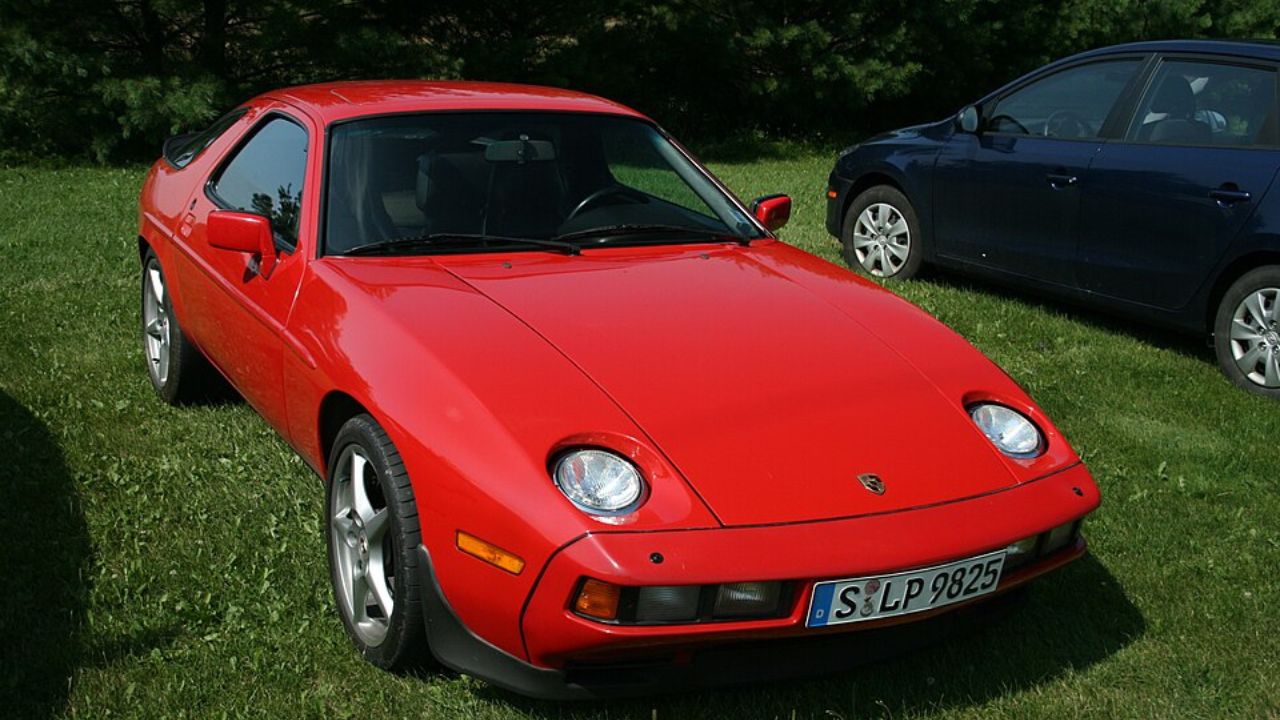
The Porsche 928 challenged expectations both inside and outside the company. Designed as a grand touring car rather than a traditional rear-engine sports car, it represented a dramatic departure from established Porsche thinking. Many enthusiasts were skeptical at first, yet the 928 delivered impressive performance, comfort, and engineering sophistication. It forced people to reconsider what a Porsche could be, proving that innovation sometimes requires stepping beyond familiar formulas.
Volkswagen Thing
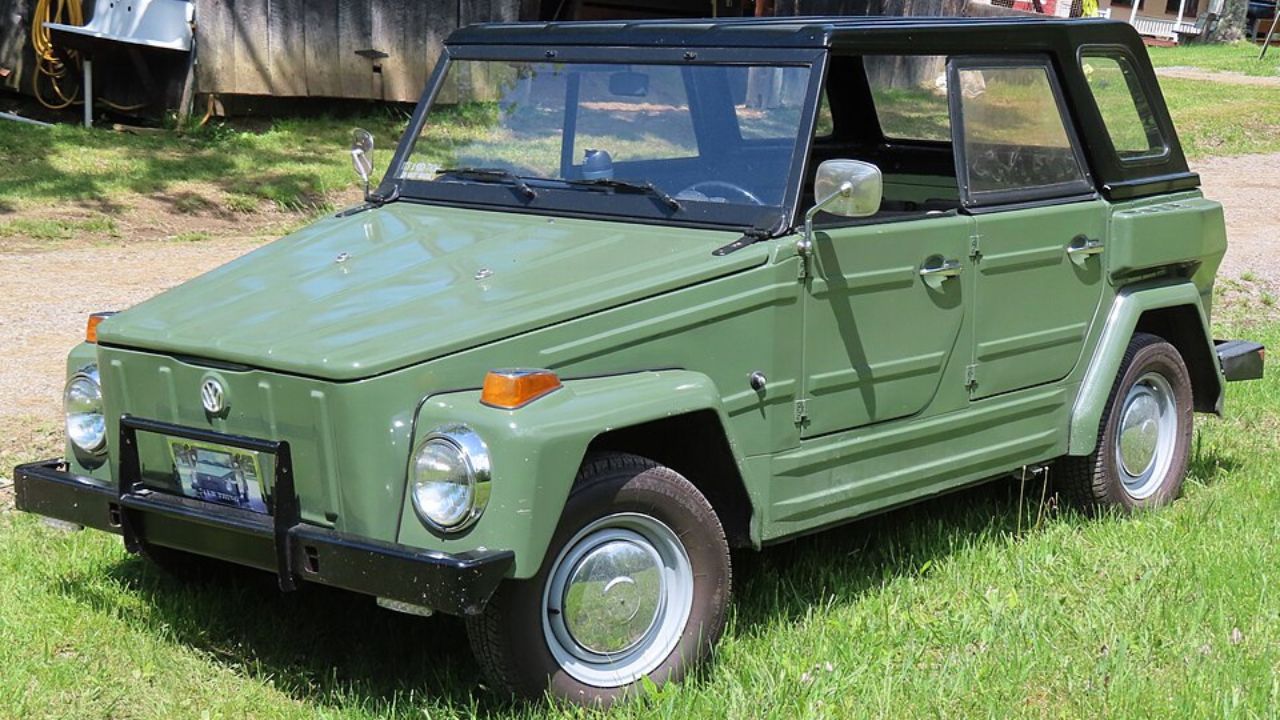
The Volkswagen Thing challenged assumptions by embracing simplicity at a time when many vehicles were becoming increasingly complex. Its utilitarian design prioritized function and durability over style trends and luxury features. Buyers discovered that a vehicle did not need refinement to be enjoyable. The open-air driving experience and distinctive character created lasting appeal. The Thing demonstrated that personality and practicality could matter just as much as conventional measures of automotive success.
AMC Eagle
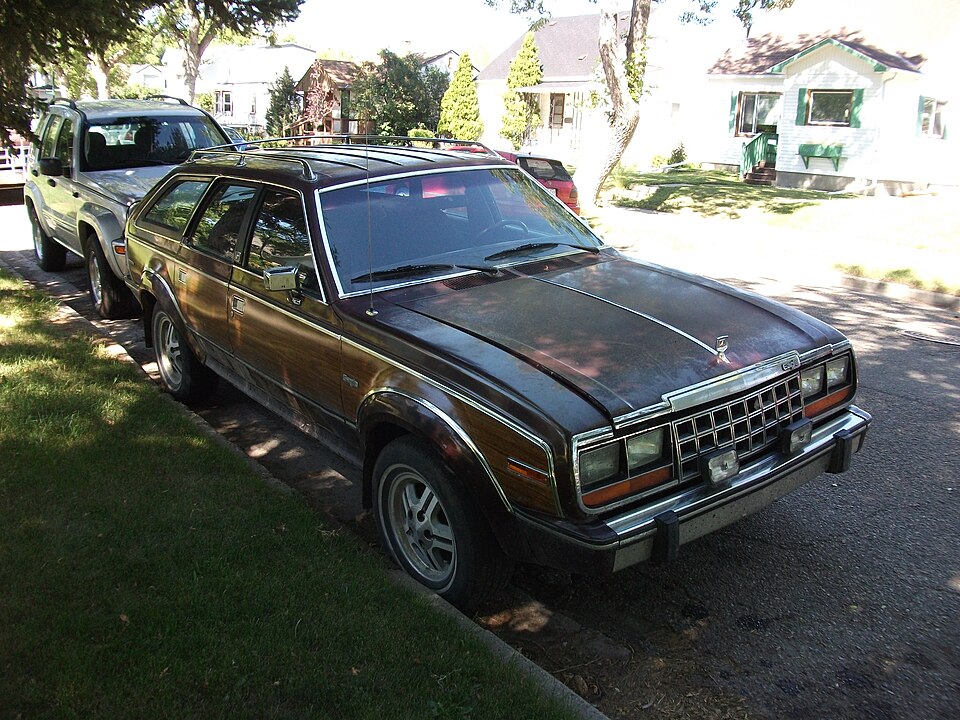
The AMC Eagle confused many buyers because it combined passenger-car comfort with four-wheel-drive capability. At the time, most consumers viewed those characteristics as belonging to separate categories. The Eagle proved they could work together effectively, creating a vehicle concept that anticipated the modern crossover. Although it was often overlooked when new, its historical significance became increasingly apparent. The Eagle challenged assumptions that would eventually shape the future of the automotive industry.
Chevrolet Corvair
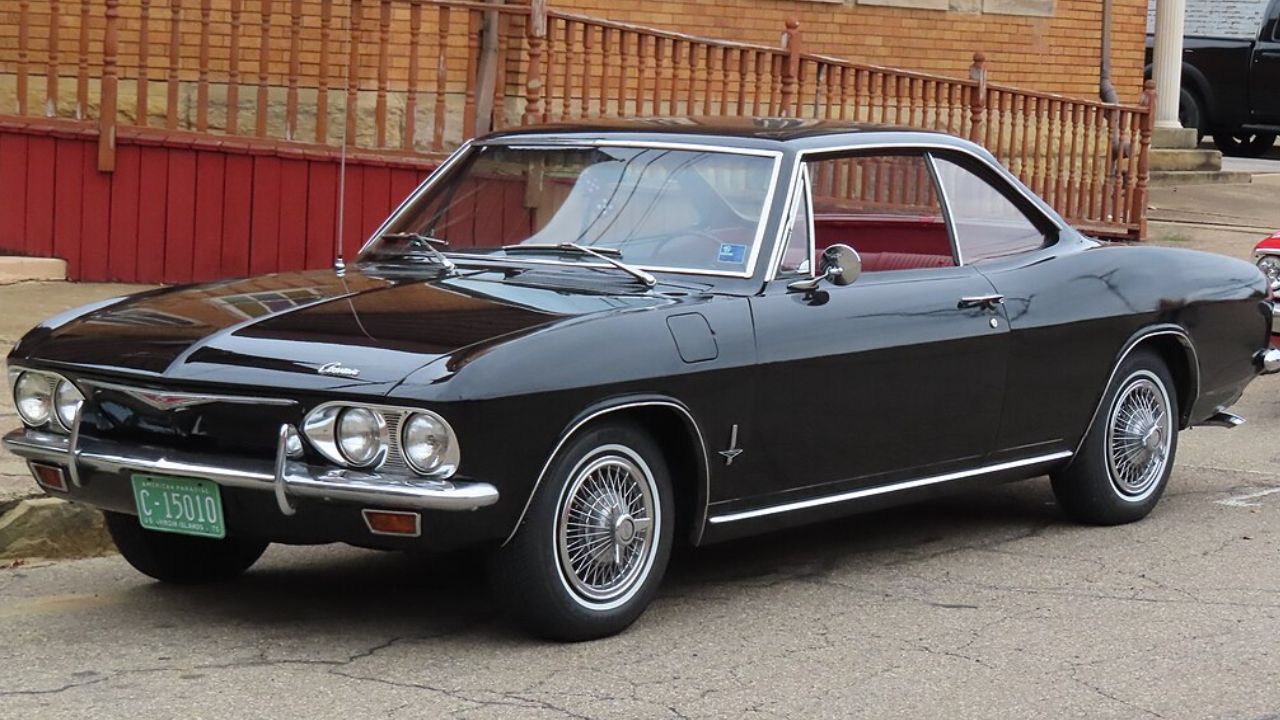
The Chevrolet Corvair broke from American automotive conventions with its rear-mounted air-cooled engine and compact dimensions. Many buyers expected domestic cars to follow established formulas, making the Corvair stand out immediately. While controversial at times, it demonstrated that American manufacturers could experiment with radically different engineering approaches. Its existence challenged assumptions about how a domestic car should be designed and remains an important chapter in automotive history.
Volvo P1800
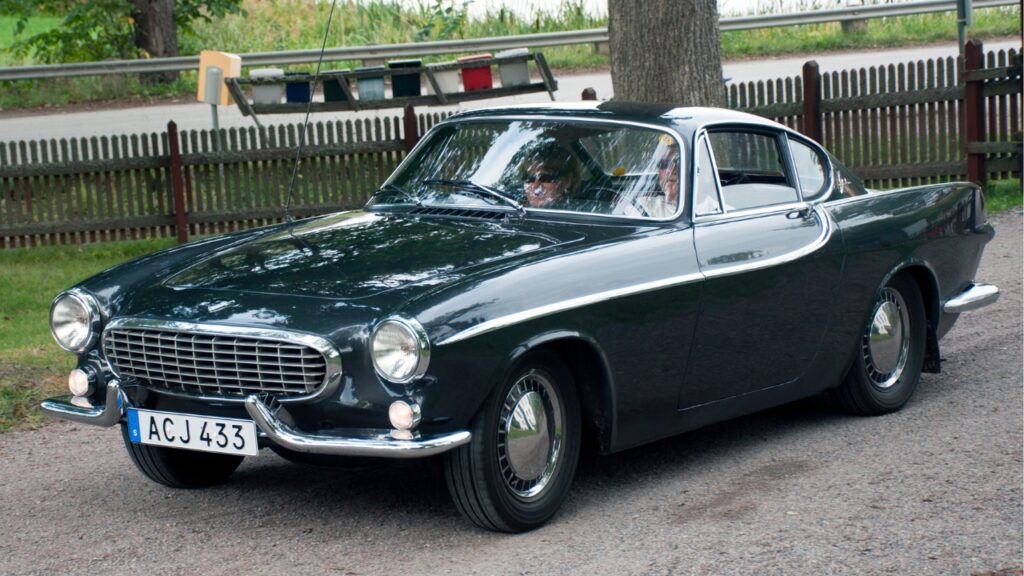
The Volvo P1800 challenged assumptions about what the Volvo brand represented. Known primarily for practicality and durability, Volvo surprised many people by producing a stylish grand touring coupe. The P1800 combined attractive design with the reliability for which the company was already respected. Buyers discovered that a car could be both elegant and dependable. Its success broadened perceptions of the brand and proved that style and longevity were not mutually exclusive.
More from Fast Lane Only
- Unboxing the WWII Jeep in a Crate
- 15 rare Chevys collectors are quietly buying
- 10 underrated V8s still worth hunting down
- Police notice this before you even roll window down
*Research for this article included AI assistance, with all final content reviewed by human editors