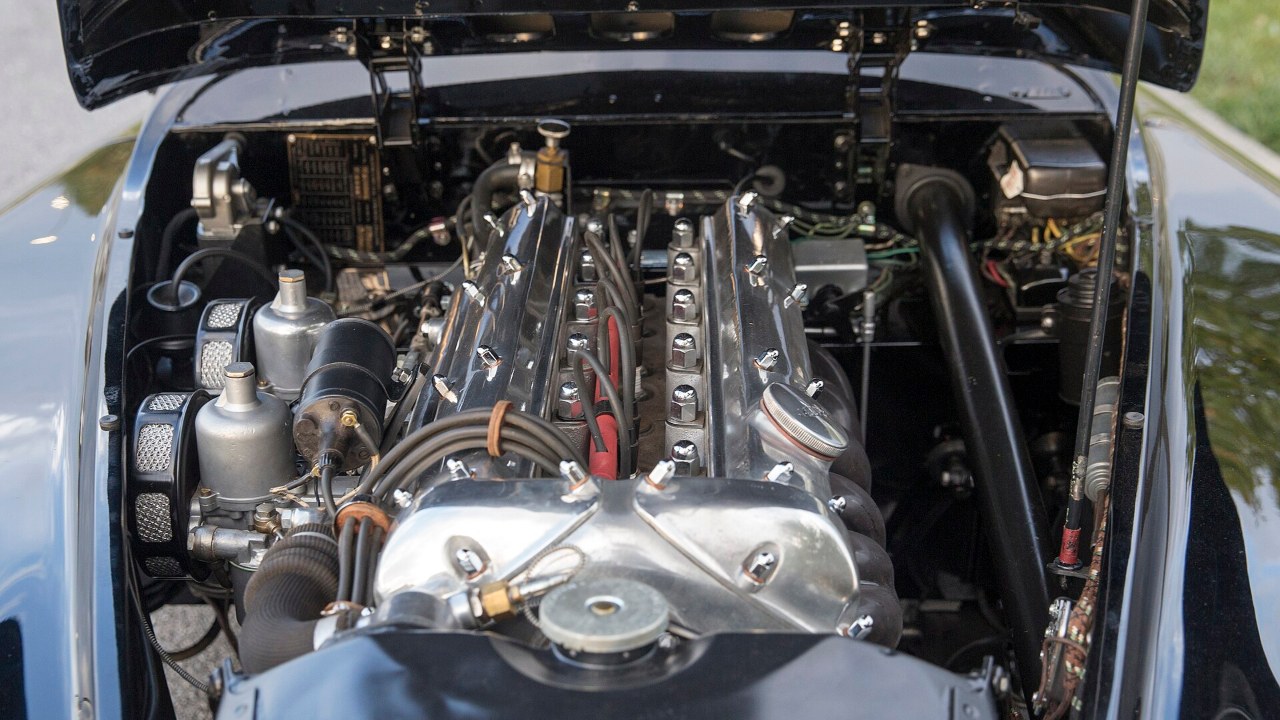
Nash built some of the most unusual American cars of the postwar era, yet many have almost disappeared from public view. Some were produced in limited numbers, while others were simply overshadowed by larger Detroit brands. These 7 Nashes are now rare enough that even longtime classic-car enthusiasts may never have encountered one outside photographs or museums.
Nash-Healey

The Nash-Healey was an unlikely collaboration between an American automaker and British sports-car specialists. Its elegant bodywork, two-seat layout, and powerful American engine made it unlike most other Nash products. Production remained limited, and surviving cars are now prized by collectors. Finding one outside a major concours or specialist collection is an increasingly unusual experience.
Nash Metropolitan
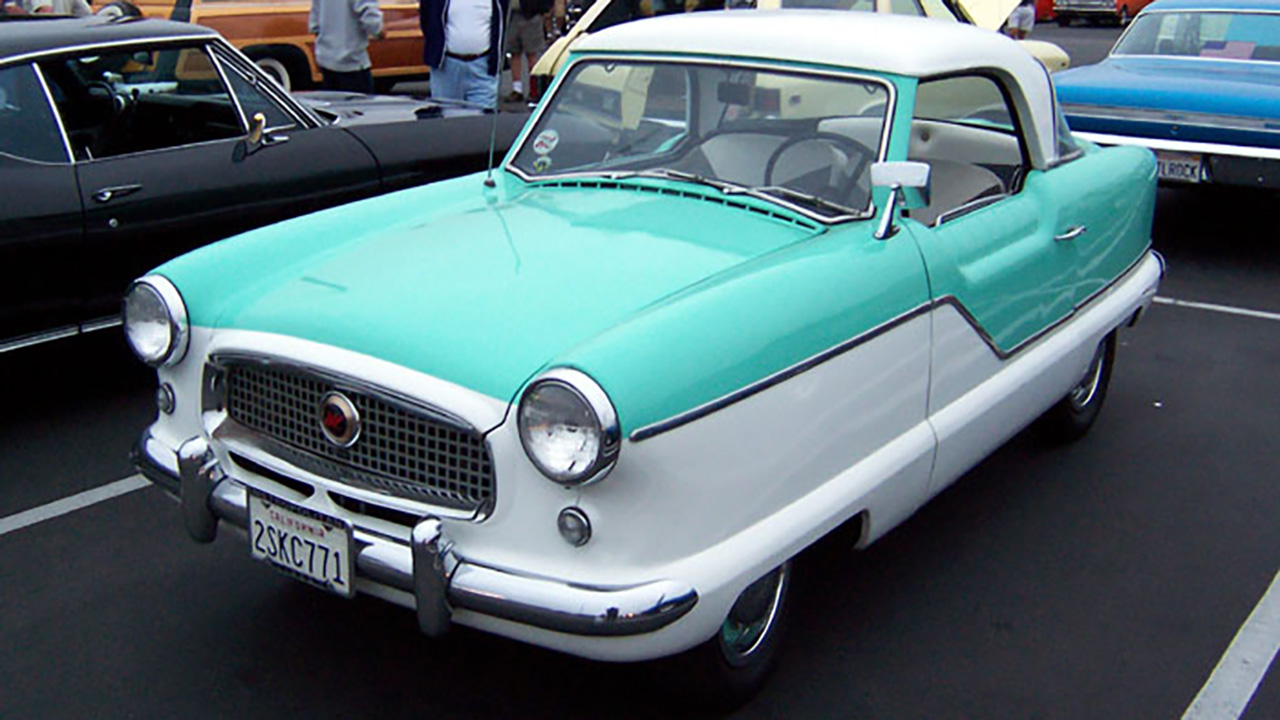
The Nash Metropolitan was tiny by American standards and looked radically different from the huge cars dominating American roads. Its compact dimensions and economical character helped establish it as an early small-car alternative. Many were used as inexpensive transportation rather than carefully preserved collectibles. Clean surviving examples are now far less common than the model’s once-familiar name might suggest.
Nash Ambassador
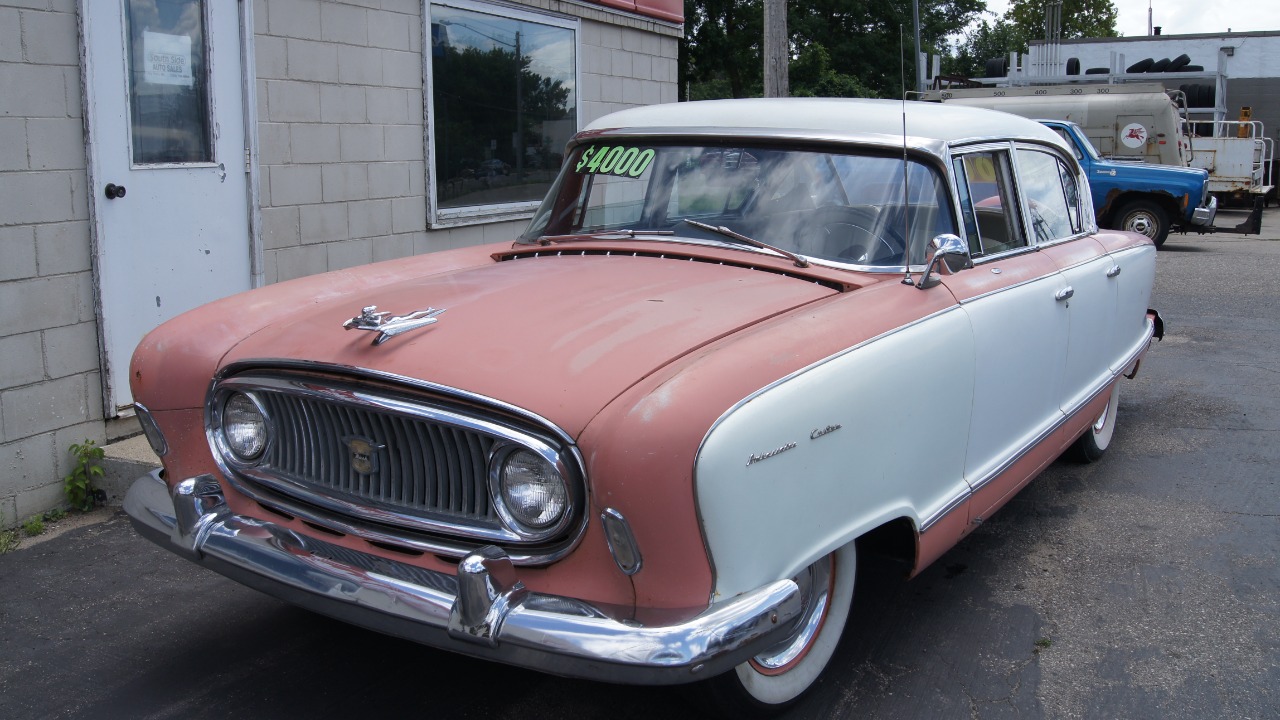
The Nash Ambassador was one of the company’s most impressive full-size offerings, combining substantial power with distinctive styling. Its advanced-for-the-era engineering and spacious cabin helped separate it from more conventional American sedans. Because relatively few survived decades of ordinary use, seeing an intact Ambassador today can be a rare experience, particularly one retaining its original interior and trim.
Nash Statesman
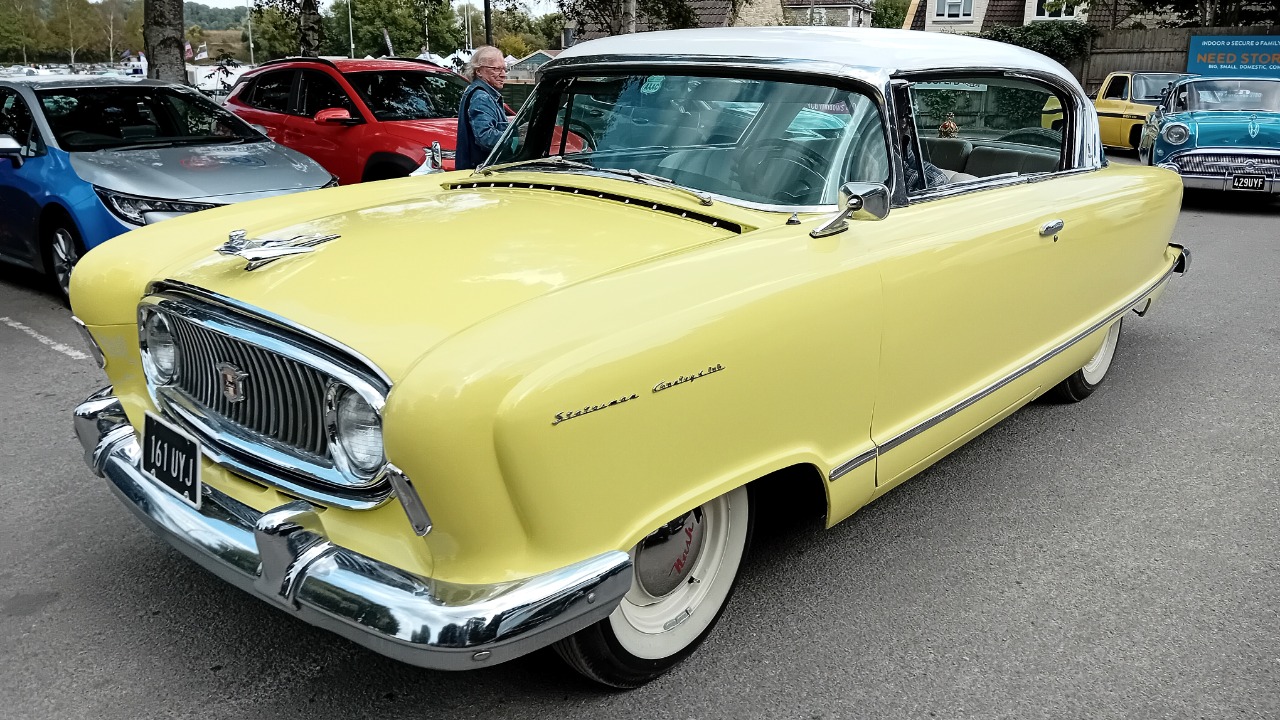
The Nash Statesman offered a more affordable path into the company’s unusual styling and engineering. Its compact proportions and distinctive body design made it stand apart from conventional Detroit cars. Many examples were simply used up and discarded, leaving relatively few survivors. A well-preserved Statesman can therefore attract attention precisely because it represents a forgotten part of American automotive history.
Nash Rambler
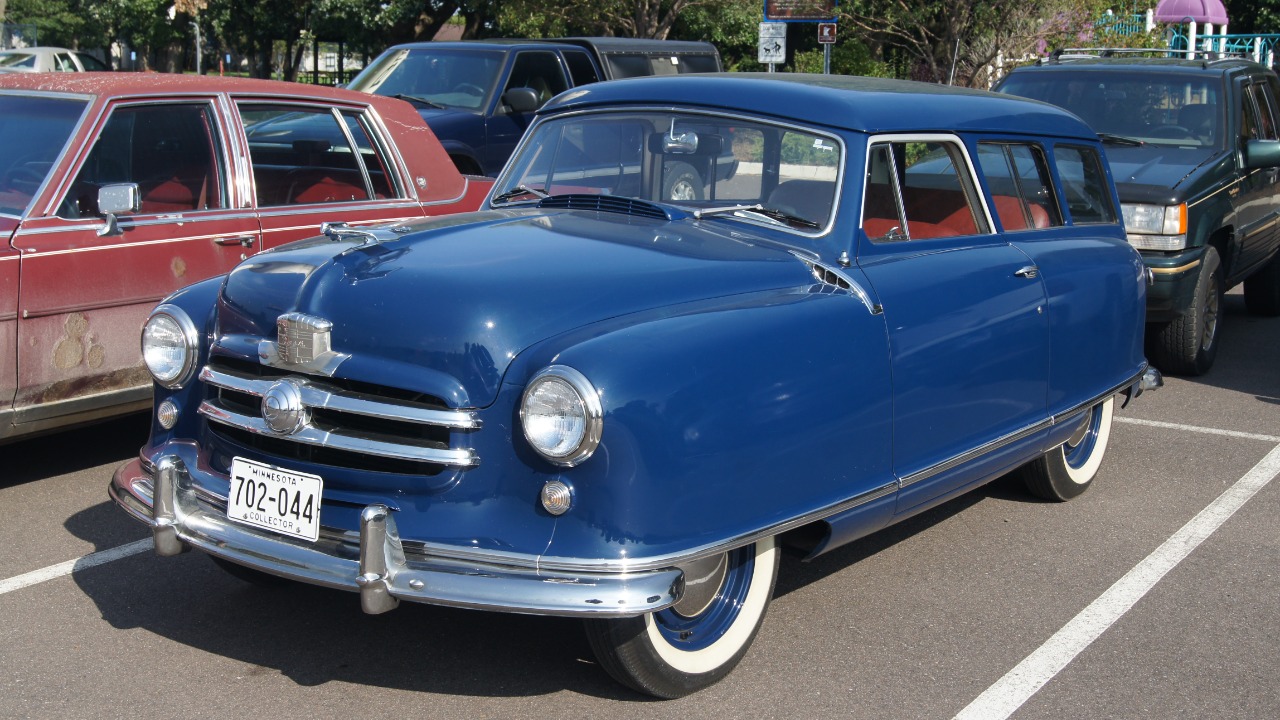
The Nash Rambler helped popularize the idea that an American car did not need to be enormous. Its compact dimensions, economical operation, and unconventional styling made it an important part of Nash’s identity. Although the Rambler name eventually became much more familiar, early examples are considerably harder to encounter today. A genuine survivor offers a fascinating look at America’s early move toward smaller cars.
Nash Statesman Custom
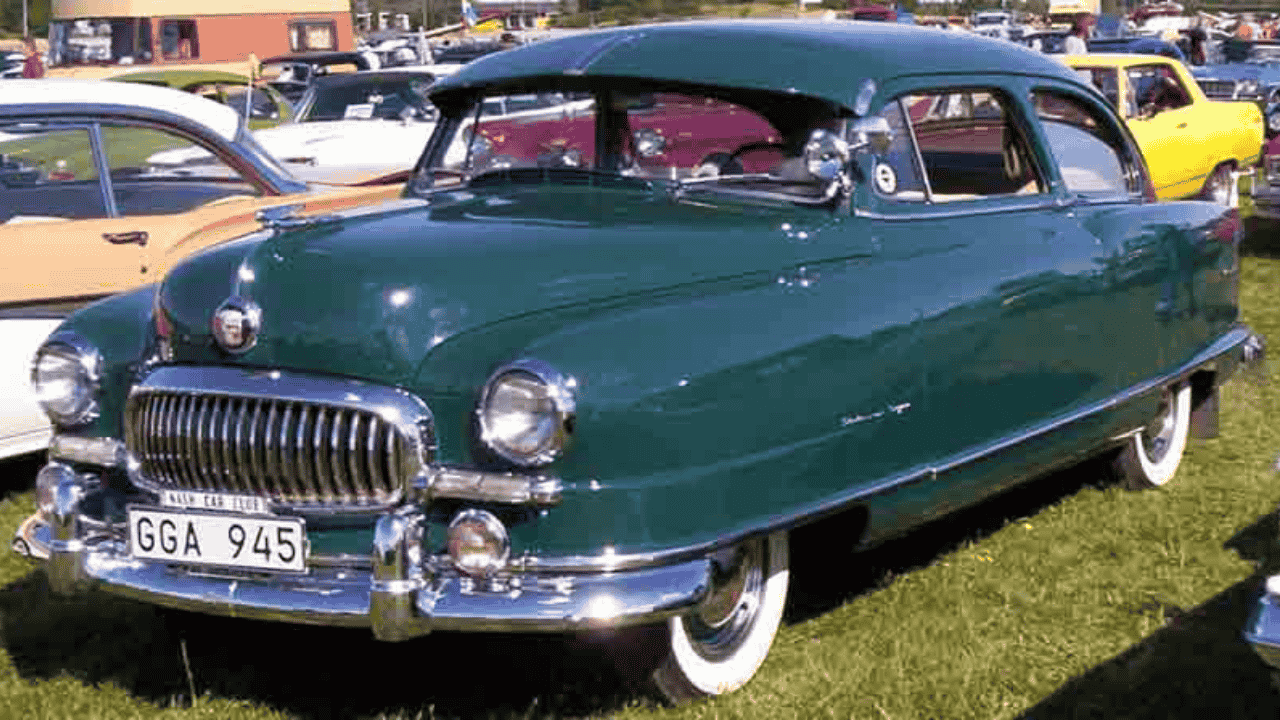
The Nash Statesman Custom combined the company’s compact approach with additional equipment and trim intended to give buyers a more upscale experience. Its unusual proportions and distinctive interior details made it unlike the more familiar American cars of the period. Few were preserved as collectibles when they were inexpensive used cars, leaving today’s enthusiasts with relatively few opportunities to see one.
Nash-Healey Roadster
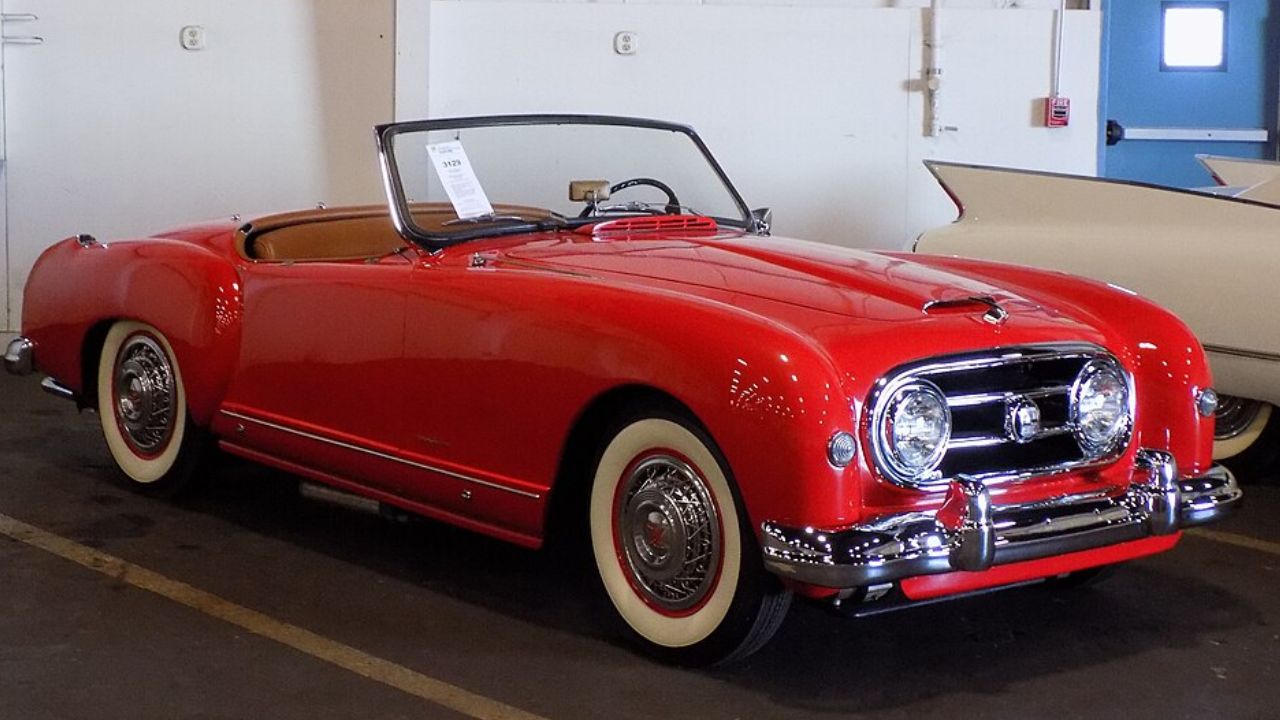
The Nash-Healey Roadster deserves particular attention because of its rarity and unusual international character. It blended American power with British sports-car construction and elegant European-inspired styling. Very limited production ensured that it would never become a common sight, even when new. Today, encountering an authentic example in person is a privilege reserved mostly for major collections and specialist events.
More from Fast Lane Only
- Unboxing the WWII Jeep in a Crate
- 15 rare Chevys collectors are quietly buying
- 10 underrated V8s still worth hunting down
- Police notice this before you even roll window down
*Research for this article included AI assistance, with all final content reviewed by human editors