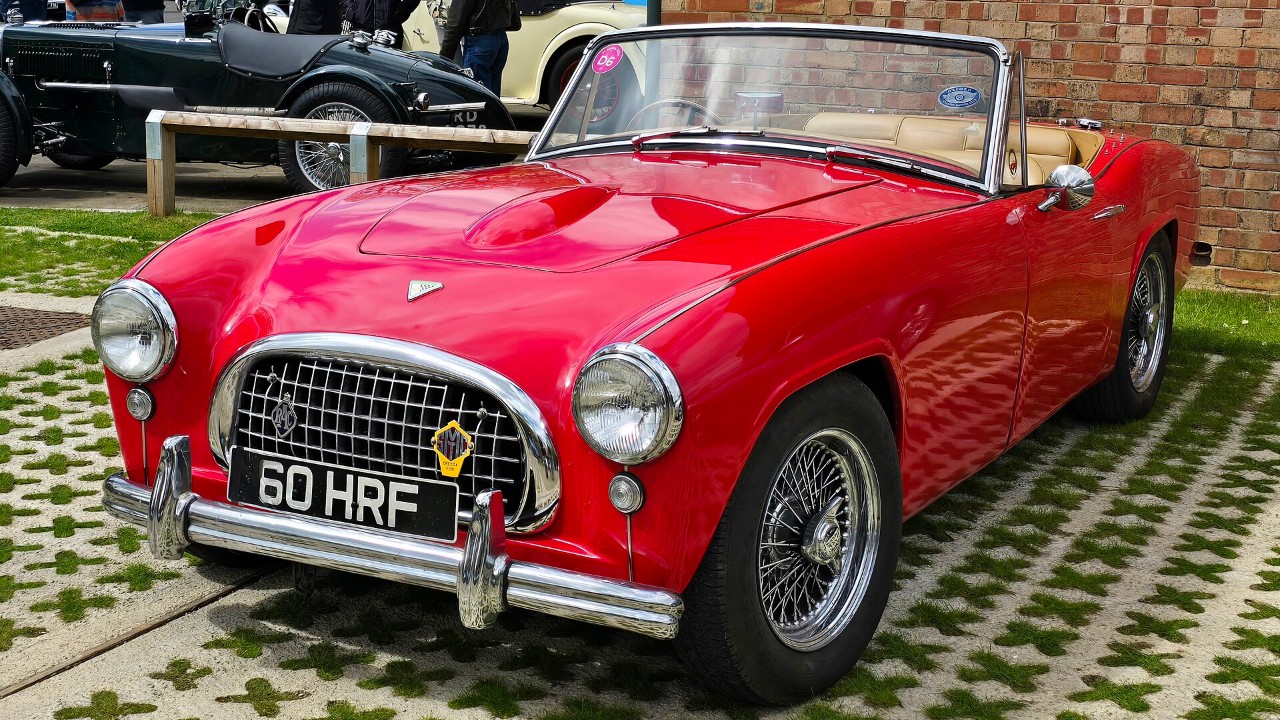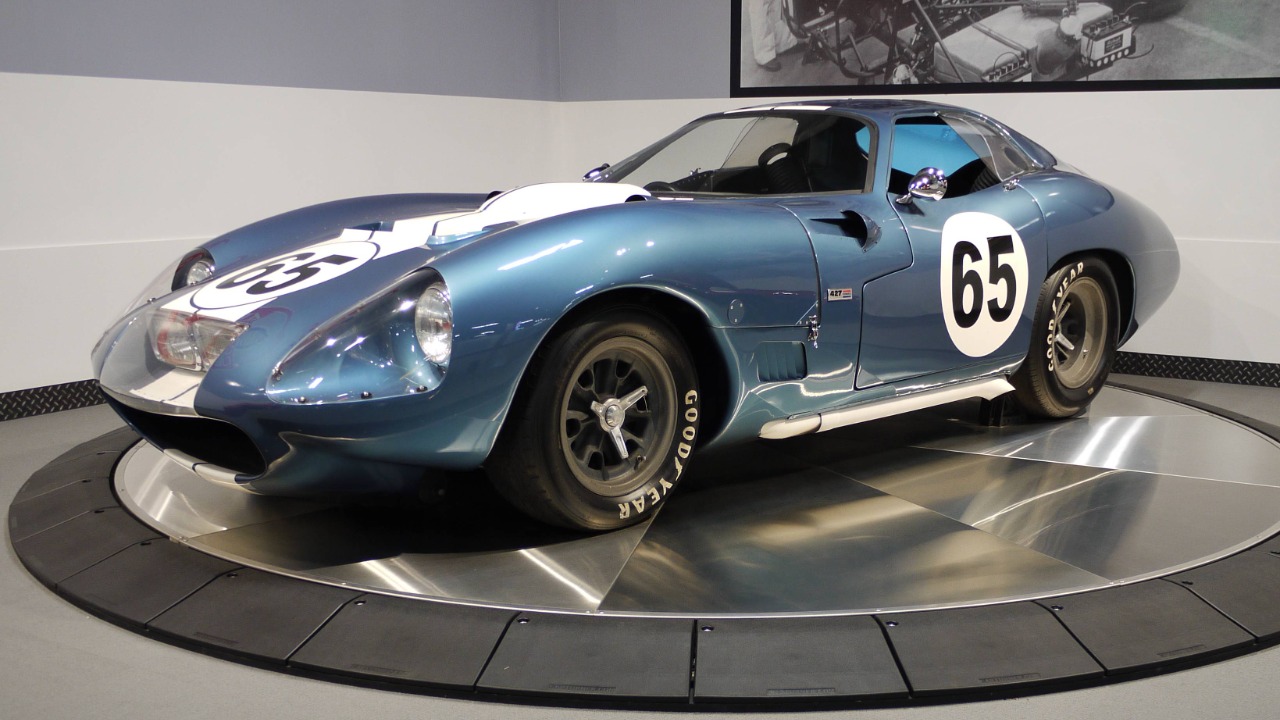
Classic cars hold a special place in automotive history, representing not just modes of transport but also cultural icons that reflect the spirit of their respective eras. From the roaring muscle cars of the 1960s to the sleek European sports cars, these vehicles embody the technological advancements and design philosophies of their time. Here are ten classic cars that continue to evoke nostalgia and admiration, showcasing the innovation and style that defined their generations.
Ford Mustang (1964)
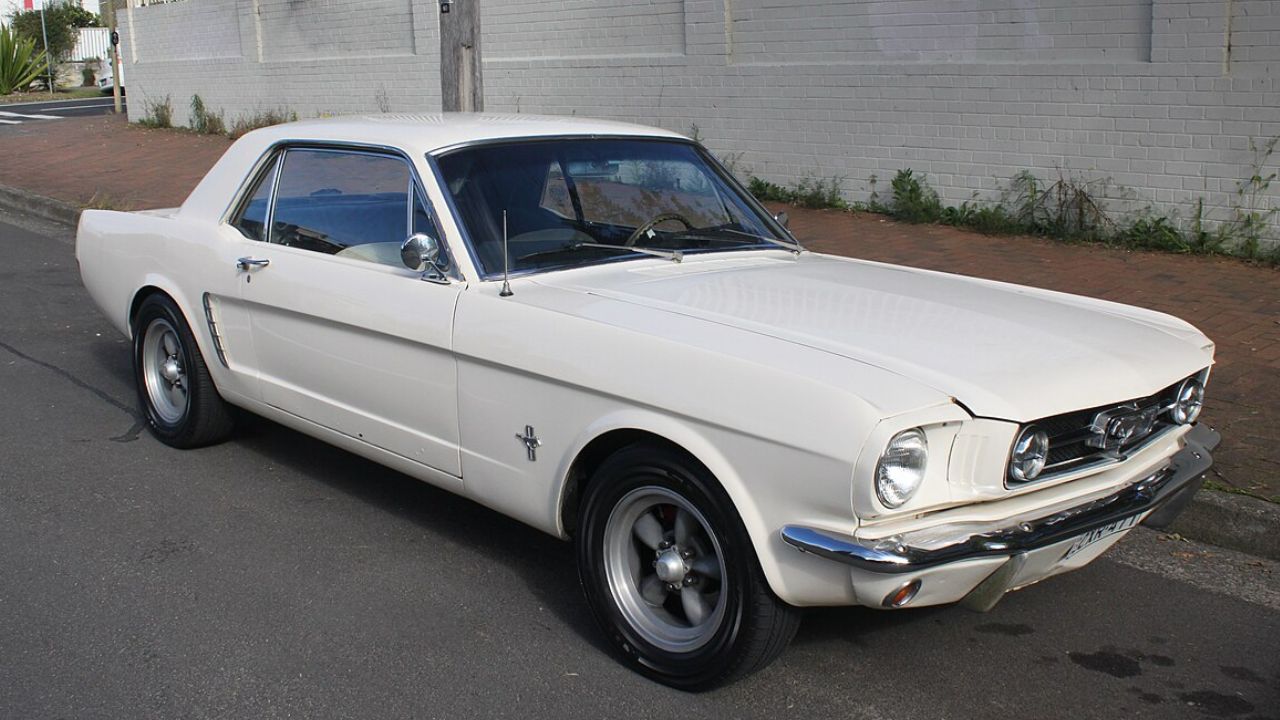
The Ford Mustang debuted in 1964 and quickly became a symbol of the American muscle car movement. With its long hood and short rear deck, the Mustang’s design was revolutionary, appealing to a youthful demographic looking for performance and style. The 1965 model featured a powerful 289-cubic-inch V8 engine, capable of delivering exhilarating speed. It resonated with the spirit of freedom and rebellion that characterized the 1960s, making it an instant classic. Over the years, the Mustang has evolved, but its original charm remains, as seen in the current models that still pay homage to the iconic design. The Mustang is more than just a car; it represents a lifestyle.
In addition to its impressive engineering, the Mustang has appeared in numerous films and television shows, further embedding it in pop culture. From the famous chase scene in “Bullitt” to its presence in the “Fast and Furious” franchise, the Mustang has become synonymous with high-octane thrills. Enthusiasts and collectors alike continue to cherish the Mustang, whether they own a vintage model or a contemporary version. Its rich history can be explored in detail through various resources, including automotive literature that delves into its legacy.
Chevrolet Corvette (1963)
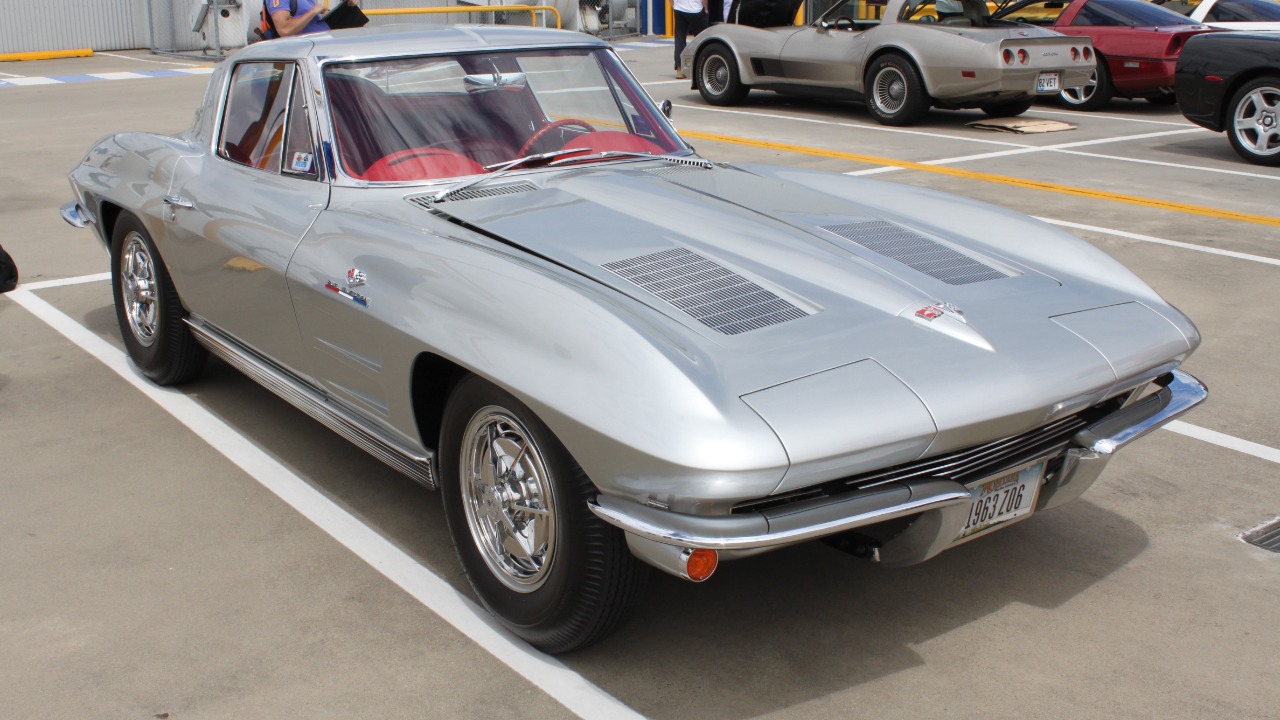
The 1963 Chevrolet Corvette, often referred to as the “Sting Ray,” is a hallmark of American sports car design. With its sleek lines and unique split rear window, it epitomizes the confidence and innovation of the early 1960s. Under the hood, the Corvette boasted a range of powerful V8 engines, with the top-tier models capable of impressive performance on the racetrack. Its lightweight fiberglass body contributed to its speed, making it a favorite among car enthusiasts. The Corvette has enjoyed a rich history, continuously evolving while maintaining its status as a symbol of American automotive excellence.
Not only has the Corvette achieved notable success in motorsports, but it has also captured the attention of collectors and car lovers worldwide. Its distinctive design and performance capabilities have secured its place in automotive history. The 1963 model remains highly sought after, with prices reflecting its status as a classic. For those interested in the Corvette’s impact on automotive culture, there are numerous resources available, including books and articles that highlight its significance, such as detailed analyses of its evolution over the years.
Volkswagen Beetle (1960)
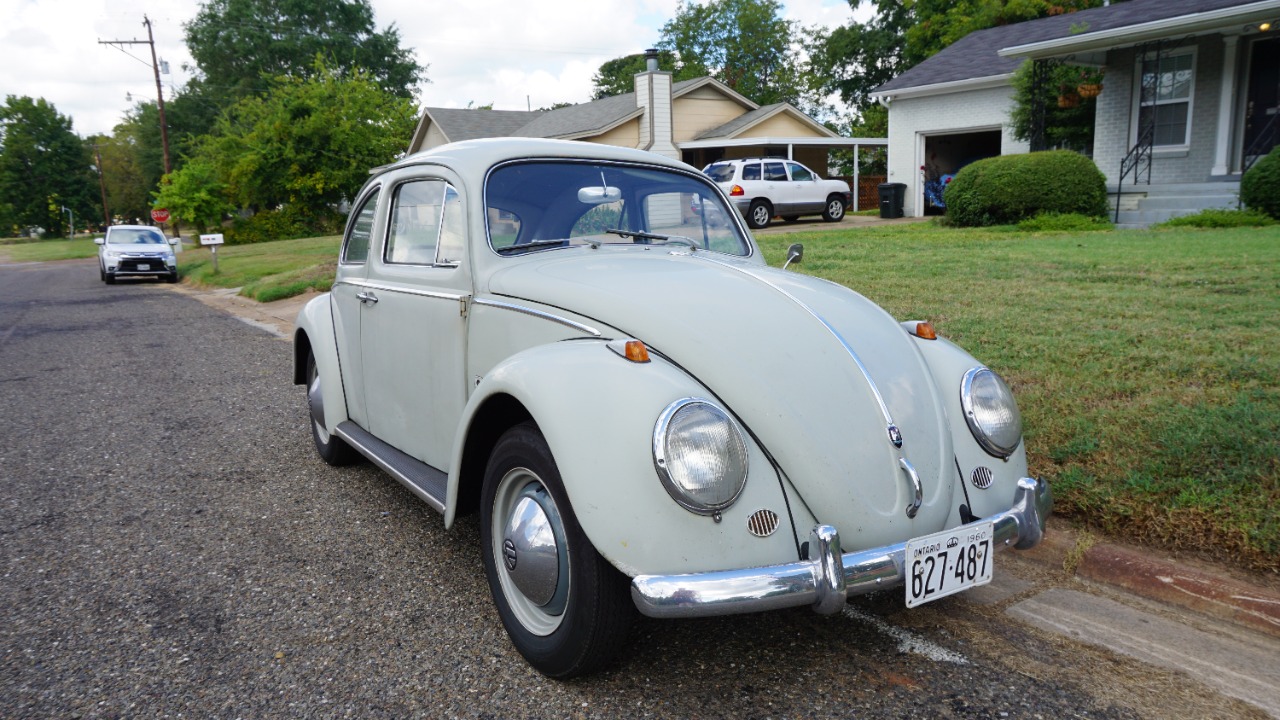
The Volkswagen Beetle, particularly the models produced in the 1960s, is a design icon that transcends generations. Originally designed in the 1930s, the Beetle gained immense popularity in the ’60s due to its affordability, distinctive shape, and reliability. It became a symbol of the counterculture movement, embraced by young people seeking freedom and individuality during a time of social change. Its air-cooled engine and simple mechanics made it easy to maintain, contributing to its long-lasting appeal.
Over the decades, the Beetle has been celebrated in films, music, and art, solidifying its status as a cultural phenomenon. The quirky design and cheerful personality of the Beetle resonate with people of all ages, making it a beloved classic car. Even today, the Beetle is revered by enthusiasts and collectors alike, with many vintage models still on the road. If you’re interested in learning more about its cultural significance, various articles and publications discuss its impact, such as those found on automotive websites that delve into classic car history.
Porsche 911 (1964)
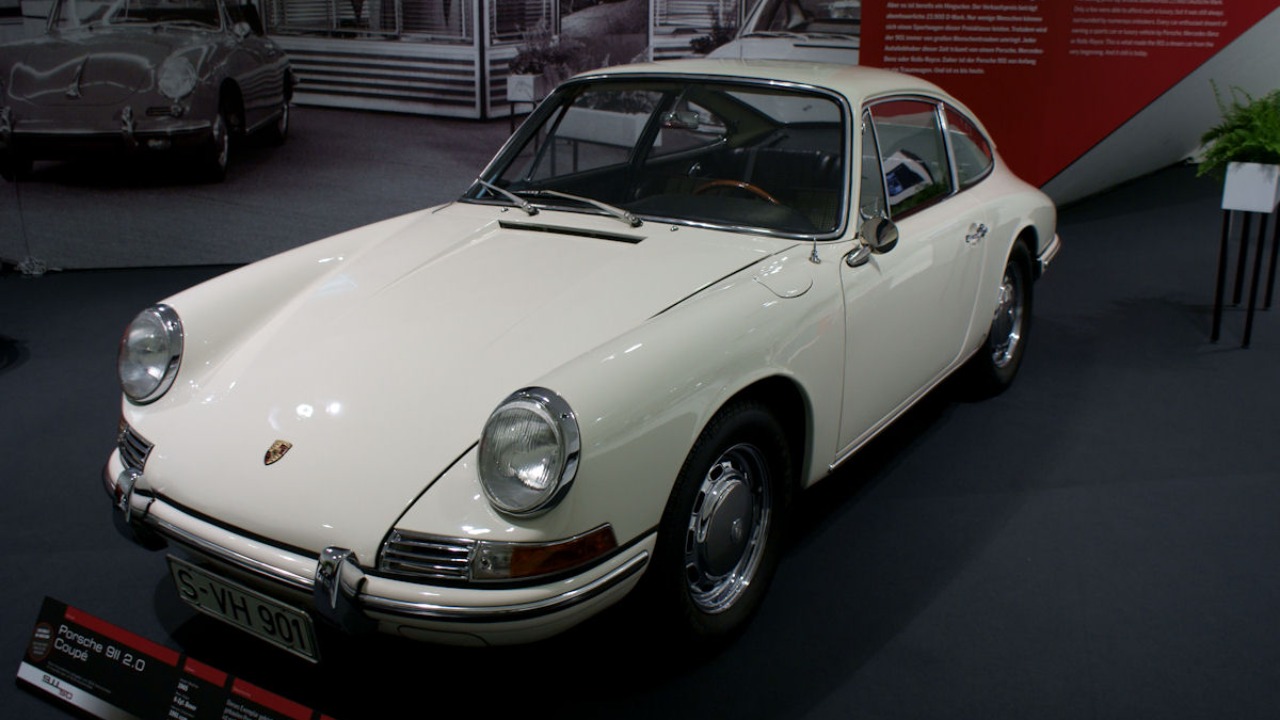
Since its introduction in 1964, the Porsche 911 has consistently represented the pinnacle of sports car engineering. With its distinctive silhouette and rear-engine layout, the 911 has undergone numerous iterations, each one enhancing its performance while retaining the classic aesthetic. Known for its agility and precision, the 911 quickly earned a reputation on both the racetrack and the streets. The early models, particularly the 1965-1969 versions, are revered for their raw driving experience and timeless design.
The 911’s engineering excellence is underscored by its racing heritage, having dominated events like the 24 Hours of Le Mans. Its blend of luxury and performance appeals to driving enthusiasts and collectors alike. Even as Porsche continues to innovate, the essence of the 911 remains intact, making it a sought-after classic. For those who wish to explore the fascinating history of this iconic vehicle, in-depth studies can be found in publications dedicated to automotive excellence, including insights into its design and performance evolution, such as specialized automotive books.
Jaguar E-Type (1961)

The Jaguar E-Type, launched in 1961, is often celebrated as one of the most beautiful cars ever made. Its elegant design, characterized by long lines and a low profile, captured the essence of 1960s style and sophistication. The E-Type was not just a pretty face; it was also a performance powerhouse, featuring a 3.8-liter inline-six engine that provided exhilarating speed and handling. The combination of beauty and performance made the E-Type a favorite among car enthusiasts and celebrities alike, including the likes of Enzo Ferrari, who famously called it “the most beautiful car ever made.”
Throughout the years, the E-Type has become an enduring symbol of British automotive engineering. Its design has influenced countless sports cars and continues to inspire modern iterations. Many collectors seek out vintage E-Types, appreciating both their aesthetic and historical significance. The legacy of the Jaguar E-Type is well-documented, with numerous resources available for those interested in its impact on the automotive world. From reviews to in-depth analyses, car enthusiasts can explore the E-Type’s storied past through various articles and publications.
Dodge Charger (1968)
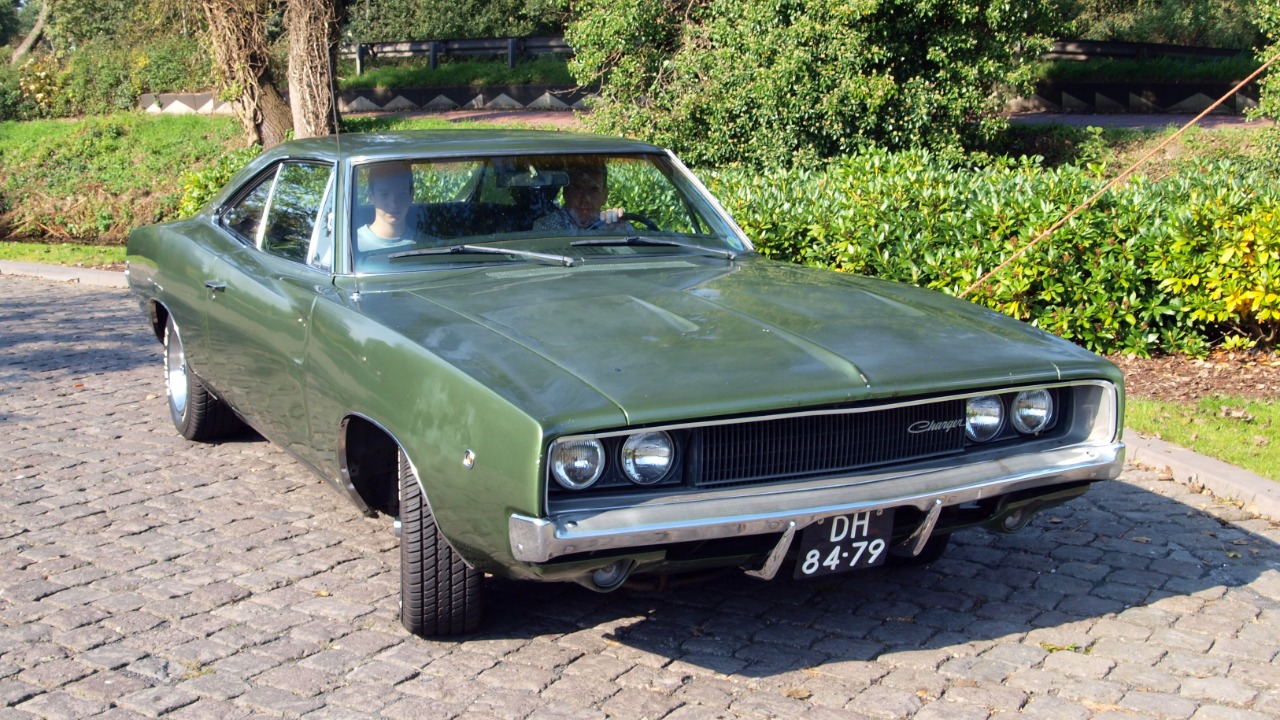
The 1968 Dodge Charger emerged as a quintessential muscle car, showcasing aggressive styling and powerful performance. With its fastback design and bold grille, the Charger epitomized American automotive culture during a time when speed and power were paramount. Equipped with a range of potent engines, including the iconic HEMI V8, the Charger was built for those who craved thrills on the open road. It quickly became a favorite among racing enthusiasts and was immortalized in popular culture through its appearances in films and television.
The Charger’s legacy extends beyond its performance; it represents a rebellious spirit and the excitement of the late 1960s. Its role in the “Dukes of Hazzard” series further cemented its status as an American icon. Today, classic Chargers are highly sought after by collectors, and their value continues to appreciate. Whether you’re a fan of muscle cars or simply appreciate automotive history, the Dodge Charger remains a powerful symbol of an era defined by performance and style. Enthusiasts can find plenty of information about the Charger’s impact on American culture in various books and online resources.
Mini Cooper (1961)

The Mini Cooper, introduced in 1961, revolutionized the compact car segment with its quirky charm and agile performance. Its design was a response to the fuel crisis of the 1960s, focusing on efficiency without compromising fun. The Mini’s small size and nimble handling made it a favorite in urban environments, and it quickly gained a reputation for its spirited driving experience. The Cooper variant, with its racing pedigree, showcased the Mini’s potential on the track, further enhancing its popularity.
As the years went by, the Mini Cooper became a cultural icon, often associated with British pop culture and the swinging sixties. Its unique styling and compact dimensions have made it a symbol of individuality and creativity. Today, the modern Mini pays homage to its roots while incorporating contemporary technology and performance. Collectors and enthusiasts alike cherish vintage models, and many book publications highlight the Mini’s significant impact on automotive history and design, proving that this small car has left a big mark.
Mercedes-Benz 300SL (1954)

The Mercedes-Benz 300SL, introduced in 1954, is often hailed as one of the most iconic sports cars of all time. Its striking gullwing doors and sleek lines made it an instant classic, while its engineering excellence set new standards in the automotive world. Powered by a 3.0-liter inline-six engine, the 300SL boasted impressive performance for its time, with a top speed of over 160 mph. This combination of style and substance made it a favorite among car enthusiasts and collectors, as well as a symbol of luxury and sophistication.
Throughout its production run, the 300SL achieved significant success in motorsports, further solidifying its reputation. The car’s design and engineering innovations have influenced countless vehicles since its debut. Today, the Mercedes-Benz 300SL remains a highly sought-after classic, with prices reflecting its status as a coveted collector’s item. Its legacy continues to be celebrated in automotive literature, where enthusiasts can explore its history and impact on the luxury sports car segment, demonstrating that some classics never go out of style.
Shelby Cobra (1962)
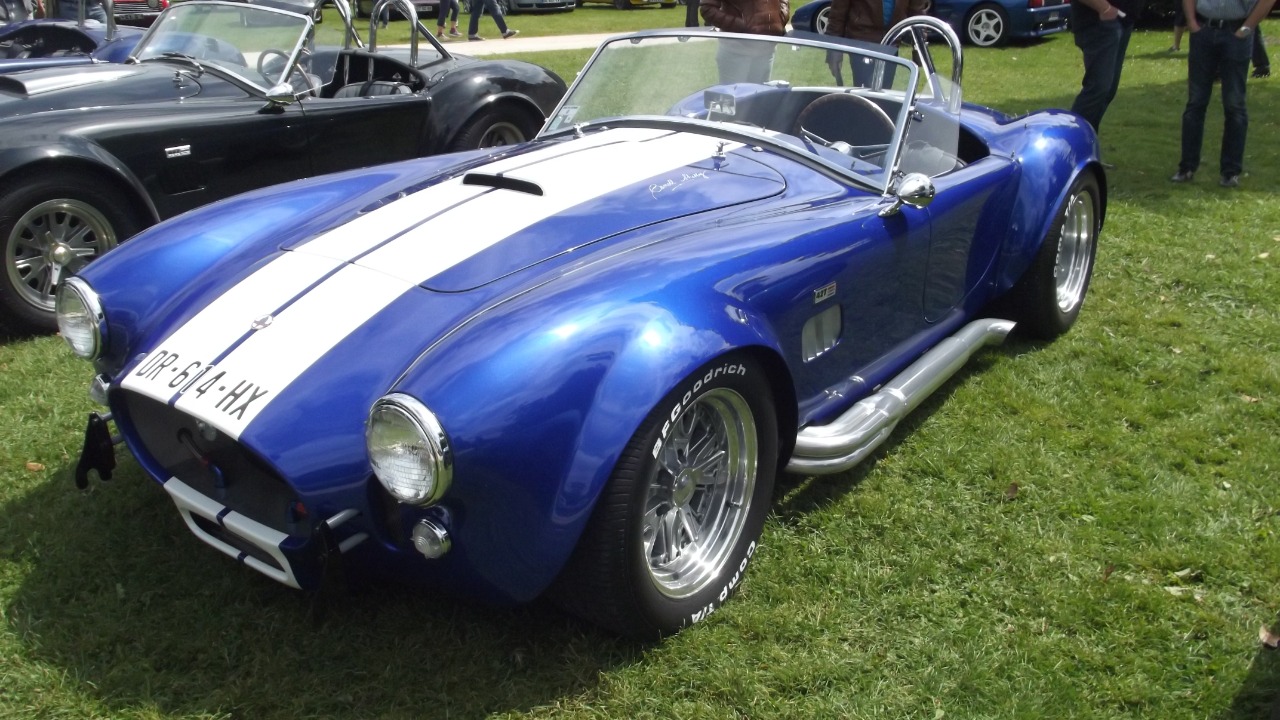
The Shelby Cobra, introduced in 1962, is a legendary American sports car that embodies the spirit of 1960s performance. Developed by Carroll Shelby, the Cobra combined a lightweight chassis with a powerful Ford V8 engine, resulting in an exhilarating driving experience. Its distinctive design, characterized by a wide stance and aggressive front grille, captured the attention of car enthusiasts and racers alike. The Cobra quickly became a dominant force in motorsports, competing successfully in events like the SCCA races.
The Cobra’s allure lies not only in its performance but also in its exclusivity, as only a limited number were produced. This rarity has made it a highly sought-after collector’s item, with enthusiasts willing to pay a premium for authentic models. The legacy of the Shelby Cobra continues to resonate in automotive culture, inspiring modern iterations and maintaining a dedicated fan base. For those interested in its impact on the racing world, various books and articles provide in-depth insights into the Cobra’s history and significance, showcasing why it remains an enduring classic.
MGB (1962)
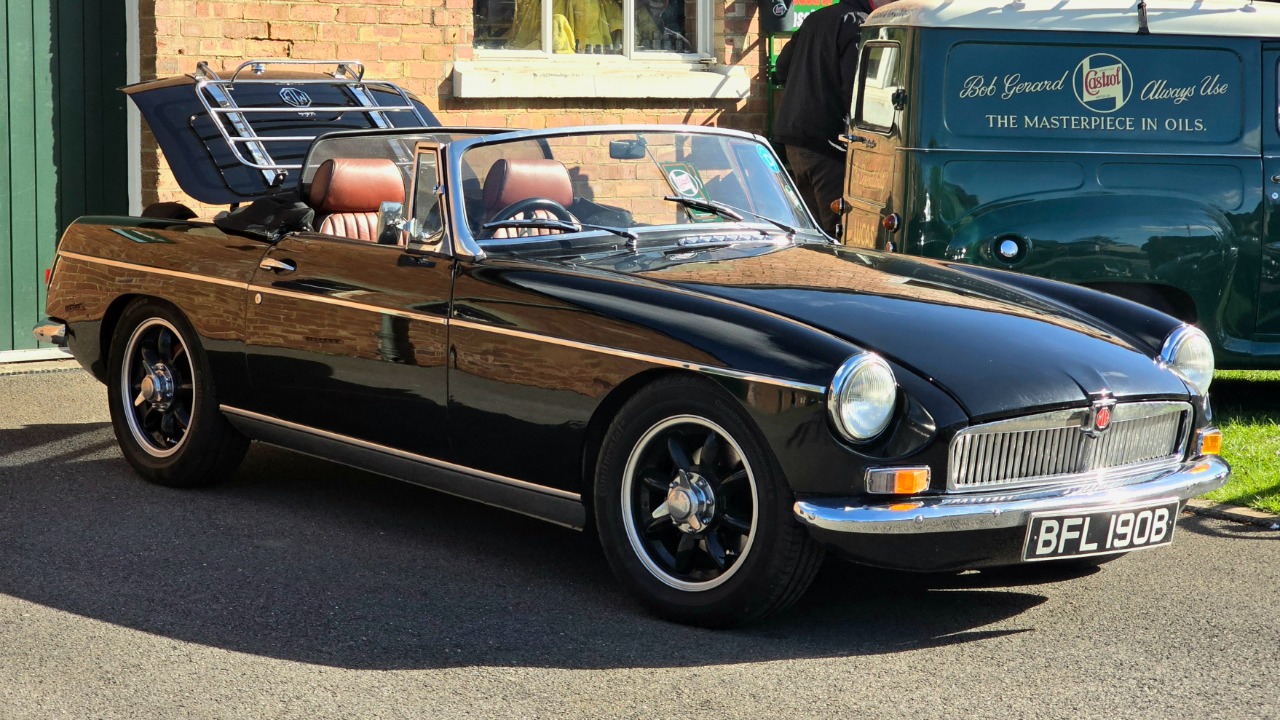
The MGB, launched in 1962, is one of the most beloved British sports cars, known for its charm and accessible performance. With its classic roadster design, the MGB offered a blend of style and enjoyment, appealing to driving enthusiasts. It was powered by a 1.8-liter four-cylinder engine, delivering a spirited driving experience that made it popular among casual drivers and racers alike. The MGB’s affordability and ease of maintenance contributed to its widespread popularity, making it a staple on roads and racetracks.
Throughout its production run, the MGB became a symbol of the British motoring scene, with a loyal following that continues to this day. Its timeless design and engaging driving dynamics have left a lasting legacy, with many vintage models still cherished by collectors. The MGB’s impact on the sports car market is well-documented, and various resources highlight its significance in automotive history, from its engineering innovations to its cultural influence, ensuring that this classic remains celebrated by enthusiasts around the world.
More from Fast Lane Only
- Unboxing the WWII Jeep in a Crate
- 15 rare Chevys collectors are quietly buying
- 10 underrated V8s still worth hunting down
- Police notice this before you even roll window down
*Research for this article included AI assistance, with all final content reviewed by human editors.