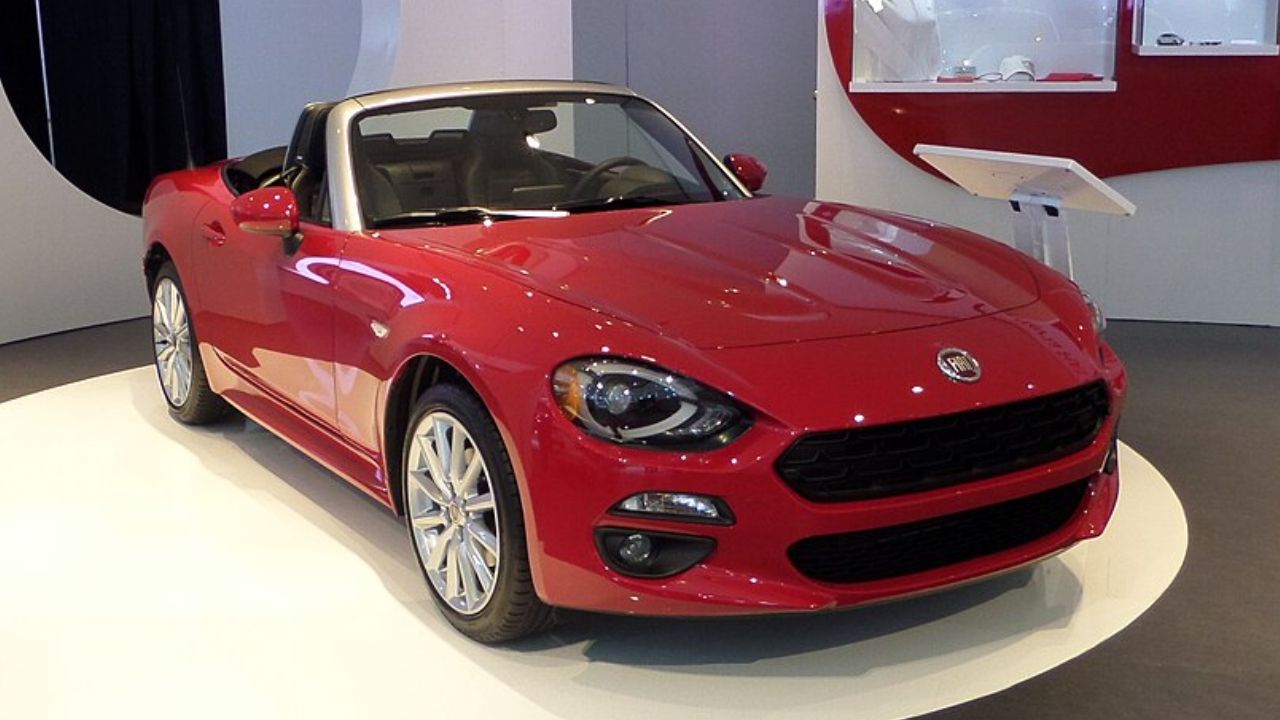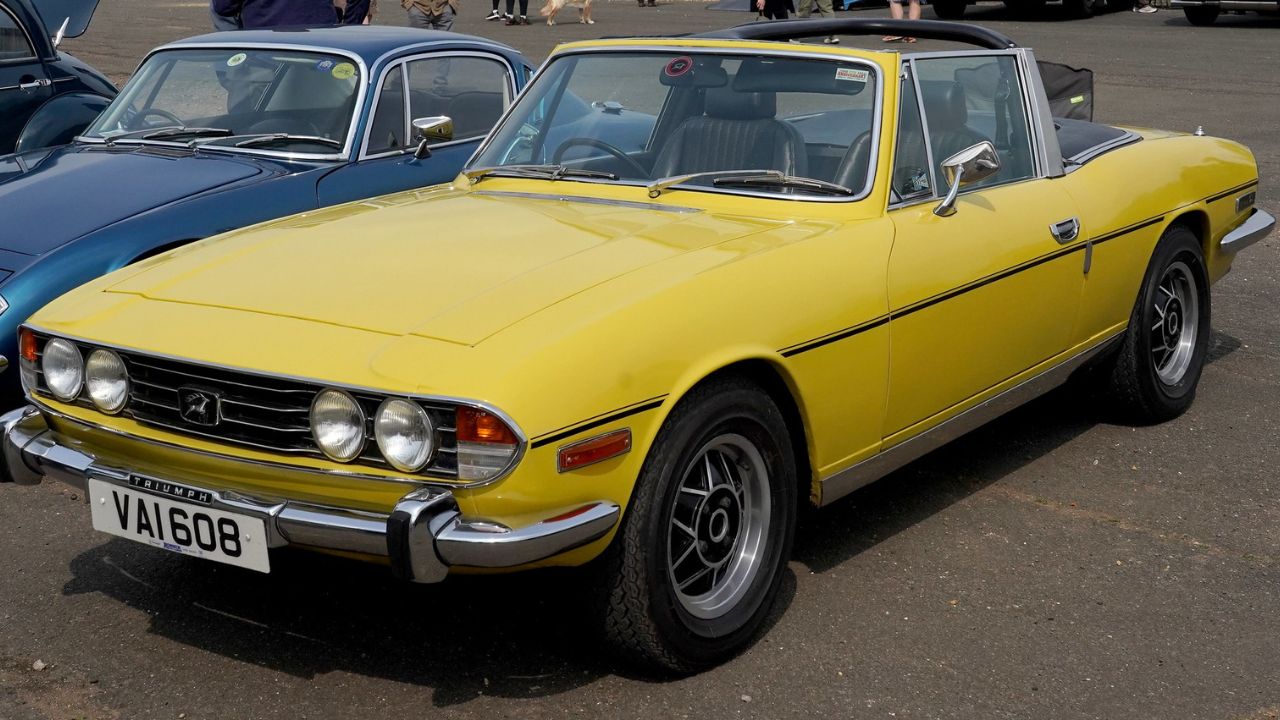
A low purchase price can make a collector car look like a bargain, but the real cost often appears after the first inspection. Rust, complicated mechanical systems, missing trim, and scarce parts can turn an appealing classic into a long and expensive restoration. These ten cars can be rewarding, but buyers should understand the potential costs before taking on a project.
Jaguar XJ-S
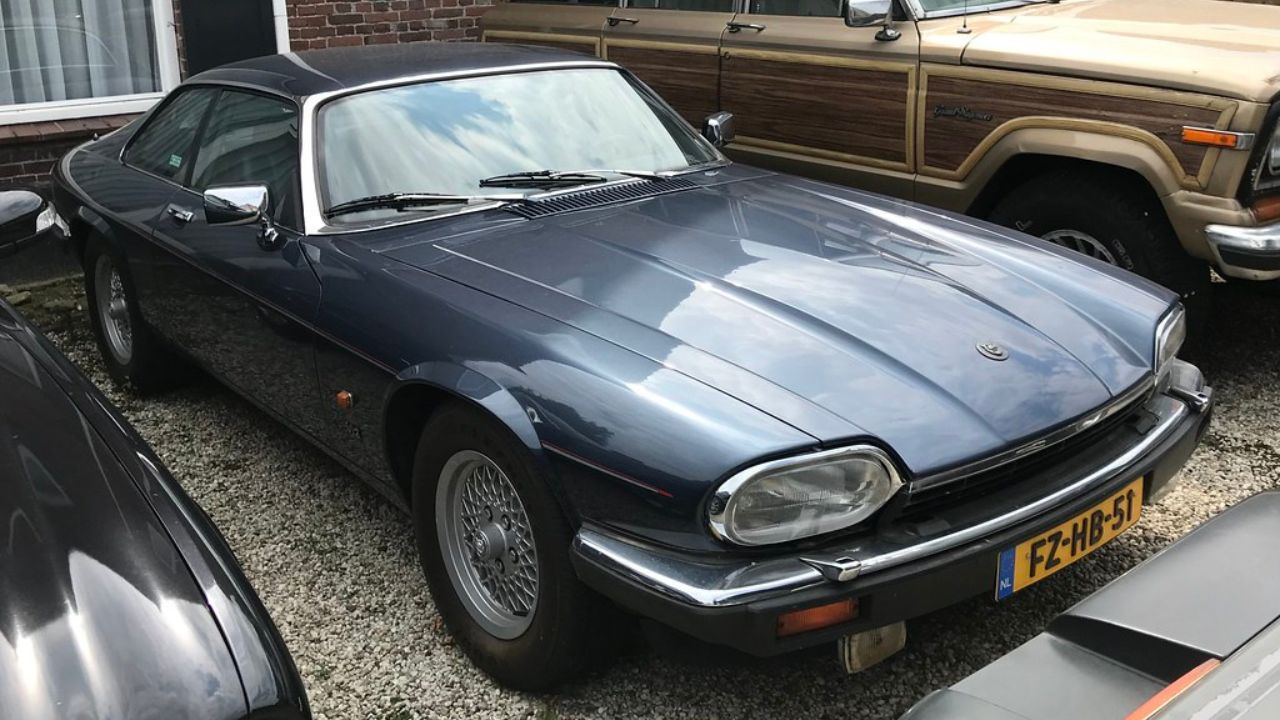
The Jaguar XJ-S offers dramatic styling and a smooth V12, but that combination can become expensive when maintenance has been neglected. Cooling systems, fuel delivery, electrical components, suspension parts, and engine-related repairs can all add up quickly. The interior also contains plenty of specialized equipment. A complete, well-maintained example is usually far more attractive than a cheap project with years of deferred maintenance.
Porsche 928
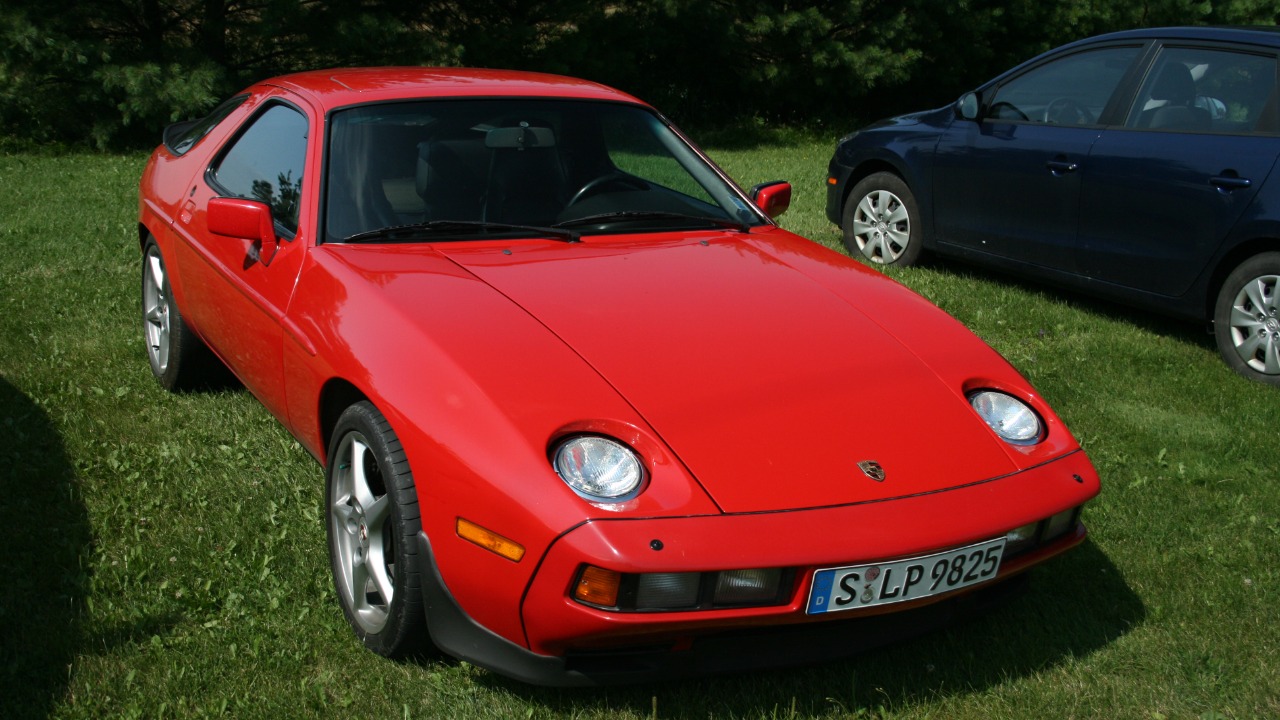
The Porsche 928 can look surprisingly affordable compared with other classic Porsches, but restoration costs can quickly erase that advantage. Its V8, timing-belt system, electronics, cooling system, and drivetrain all require careful attention. Parts are rarely bargain-priced either. A neglected 928 can become an expensive undertaking, while a documented example with proper maintenance is considerably easier to justify.
Citroën DS
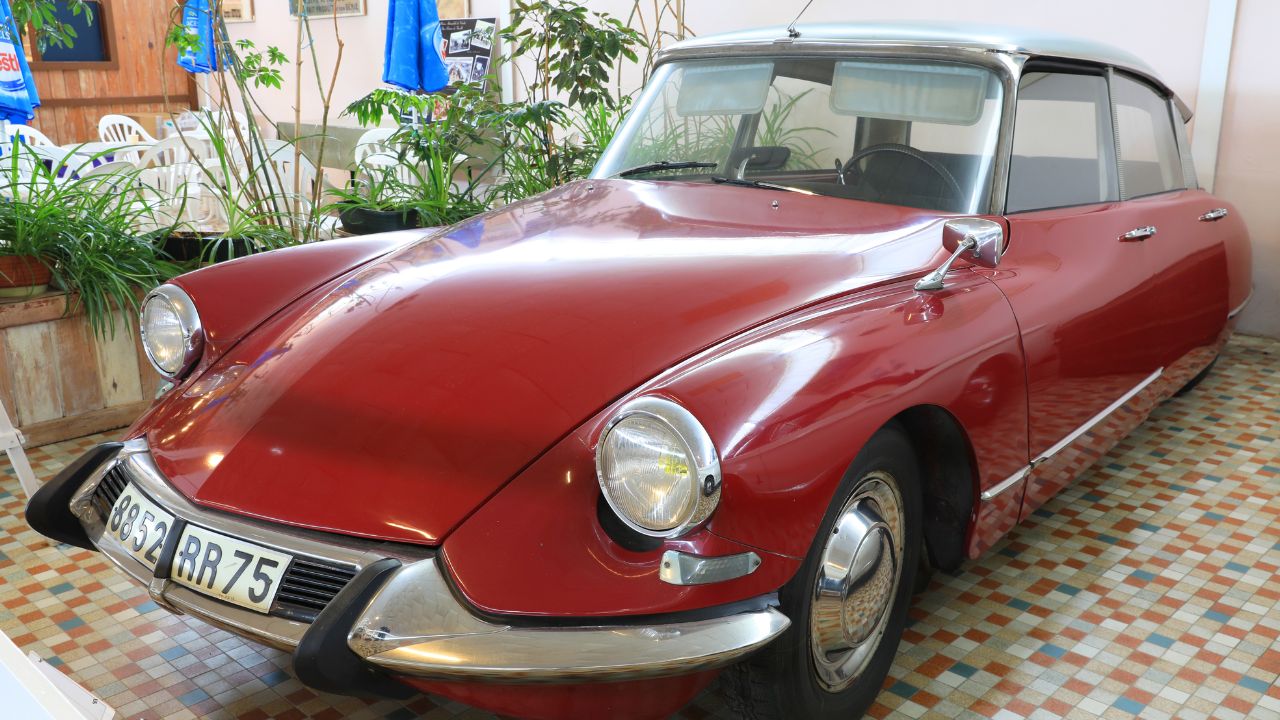
The Citroën DS was technologically remarkable, but its sophistication can make restoration intimidating. The hydraulic suspension, braking system, steering, and other components require specialized knowledge. Rust can also hide beneath the elegant bodywork. Finding a complete car is especially important because sourcing unusual components can be difficult. An inexpensive DS may therefore be only the beginning of a much larger financial commitment.
Mercedes-Benz 450SL
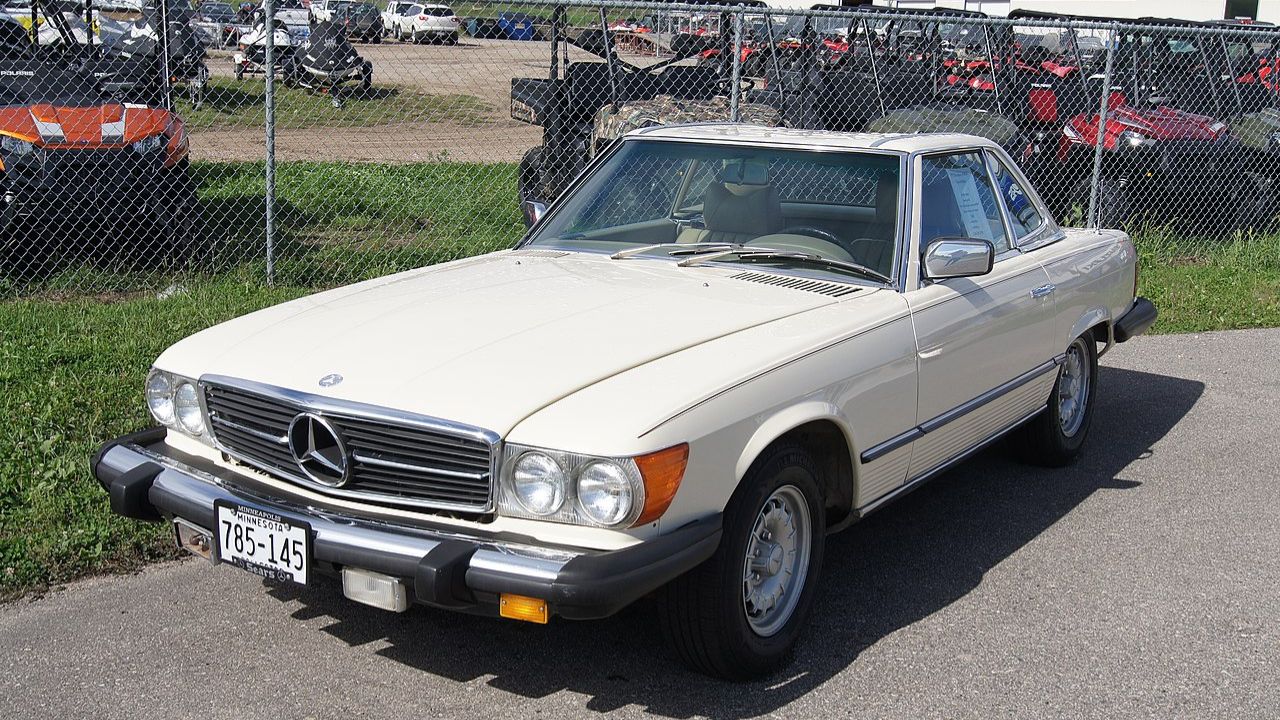
The Mercedes-Benz 450SL combines classic styling with extensive luxury equipment, and that equipment can become troublesome after decades. Fuel-injection components, climate control, electrical systems, suspension parts, and convertible-top mechanisms may all need attention. Rust is another concern. A seemingly affordable project can quickly require substantial investment before it reaches reliable road-going condition.
Buick Riviera
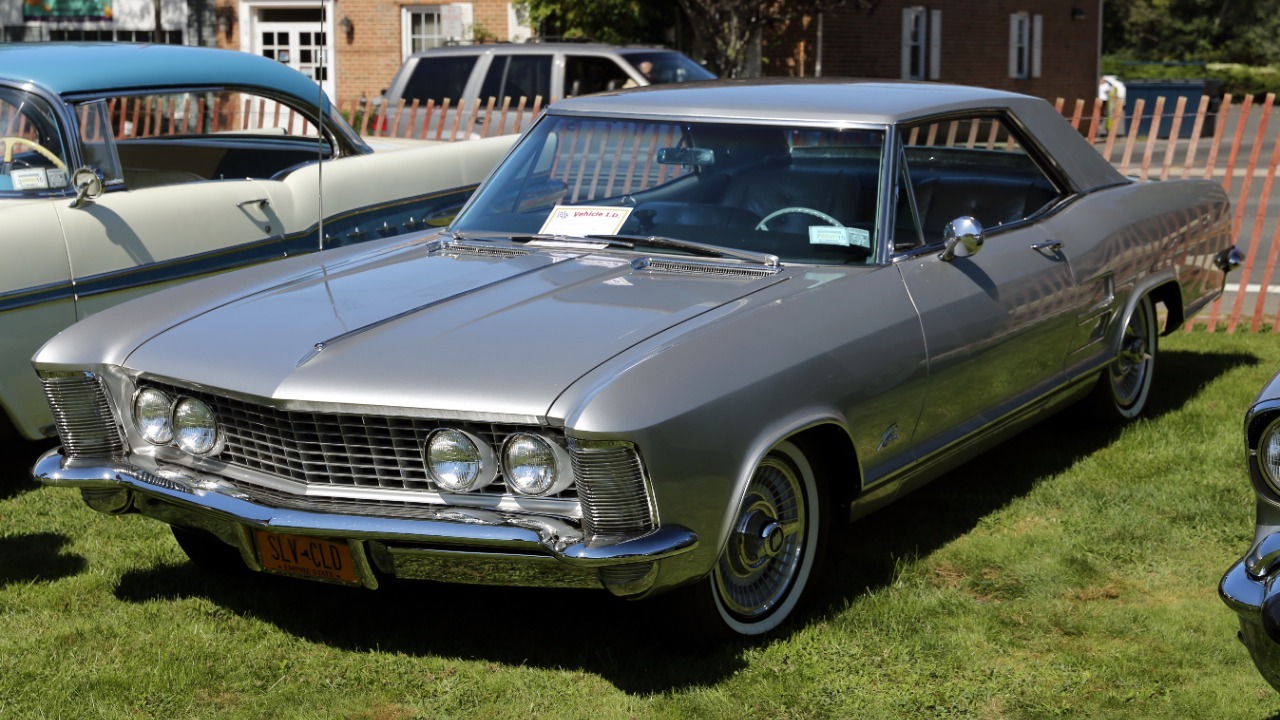
The Buick Riviera looks like a straightforward American coupe, but its luxury equipment can make restoration surprisingly involved. Power windows, seats, climate controls, specialized trim, and extensive chrome all add potential expenses. Bodywork can also become costly when rust is involved. A complete Riviera with solid bodywork is often a much better investment than a cheaper example missing important original pieces.
Cadillac Eldorado
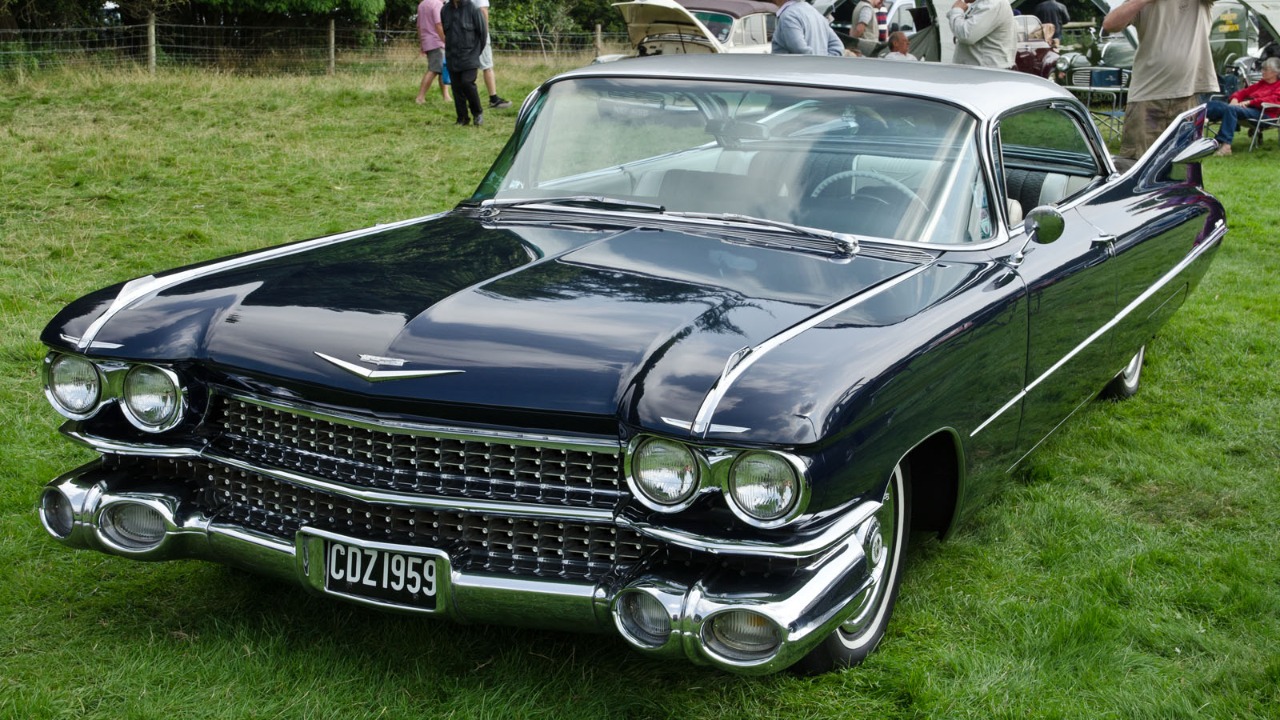
The Cadillac Eldorado combines enormous bodywork with extensive luxury equipment, creating a restoration challenge that can be underestimated. Chrome, interior trim, power accessories, air conditioning, and other systems can all require attention. Its large body also means more surface area for corrosion. Even when the engine is healthy, returning the entire car to proper condition can become a major project.
Triumph Stag
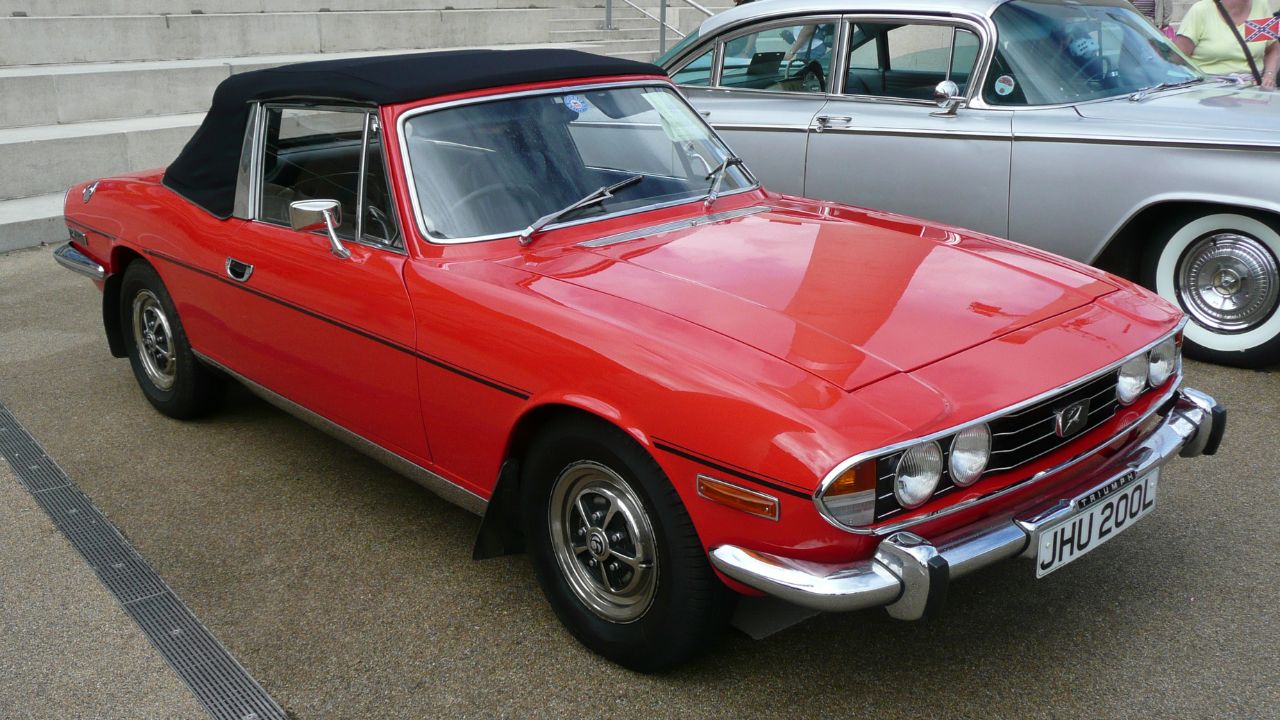
The Triumph Stag’s elegant styling and V8 engine make it tempting as a restoration candidate, but neglected examples can require extensive mechanical work. Cooling problems, electrical faults, rust, and engine concerns have long been important considerations. Correcting previous repairs can add another layer of difficulty. A well-documented Stag is therefore considerably more appealing than an incomplete bargain.
Volkswagen Karmann Ghia
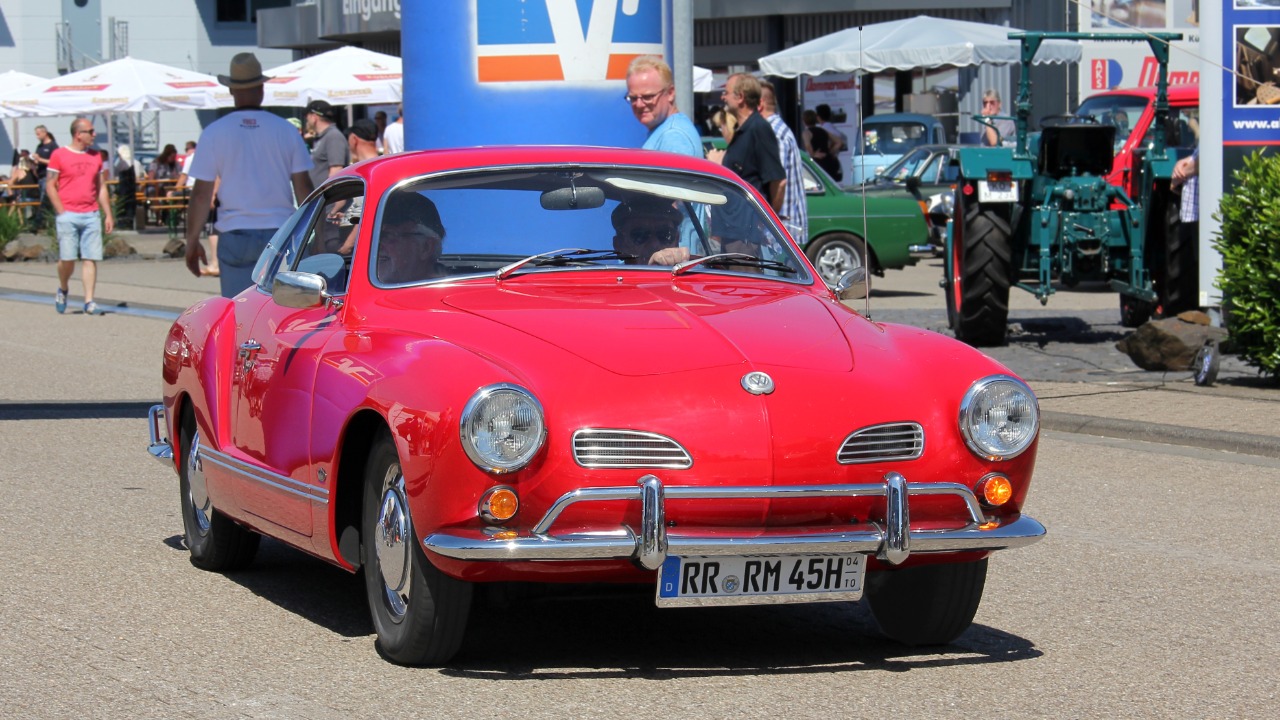
The Karmann Ghia benefits from relatively simple Volkswagen mechanicals, but its bodywork is another story. Rust around the floorpan, rocker panels, and structural areas can require significant metal fabrication. Its hand-shaped body panels also make quality repairs more demanding. A car that looks presentable from several feet away can therefore conceal a restoration bill far beyond its purchase price.
Studebaker Avanti
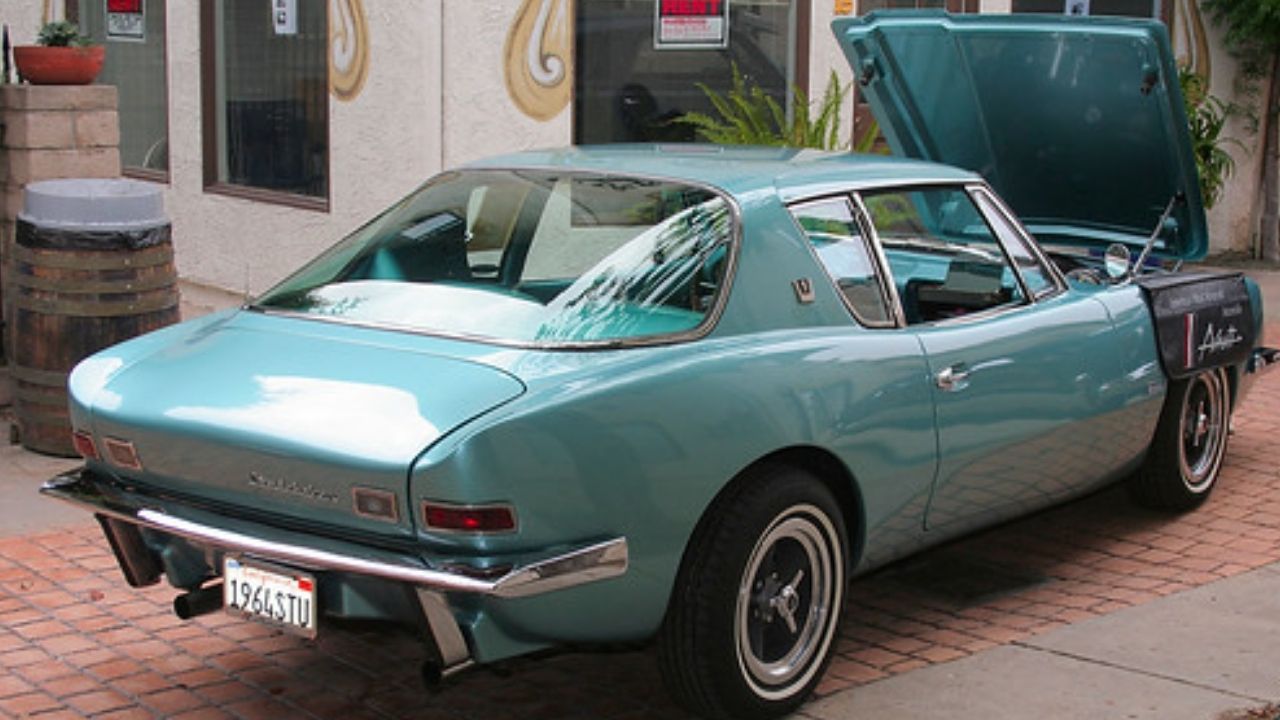
The Studebaker Avanti has a fiberglass body and unusual construction that can make restoration different from working on a conventional steel-bodied classic. Correctly repairing damaged fiberglass requires specialized skills, while original trim and interior pieces can be difficult to locate. Mechanical components are generally more manageable, but completing a neglected Avanti properly can still require considerable time and money.
Oldsmobile Toronado

The Oldsmobile Toronado’s innovative front-wheel-drive layout makes it historically fascinating, but it can also complicate restoration. The drivetrain, electrical systems, hydraulic components, and extensive interior and exterior trim all deserve careful inspection. Parts availability can be another concern. A complete Toronado with a solid body is much more appealing than an inexpensive project missing hard-to-find components.
More from Fast Lane Only
- Unboxing the WWII Jeep in a Crate
- 15 rare Chevys collectors are quietly buying
- 10 underrated V8s still worth hunting down
- Police notice this before you even roll window down
*Research for this article included AI assistance, with all final content reviewed by human editors