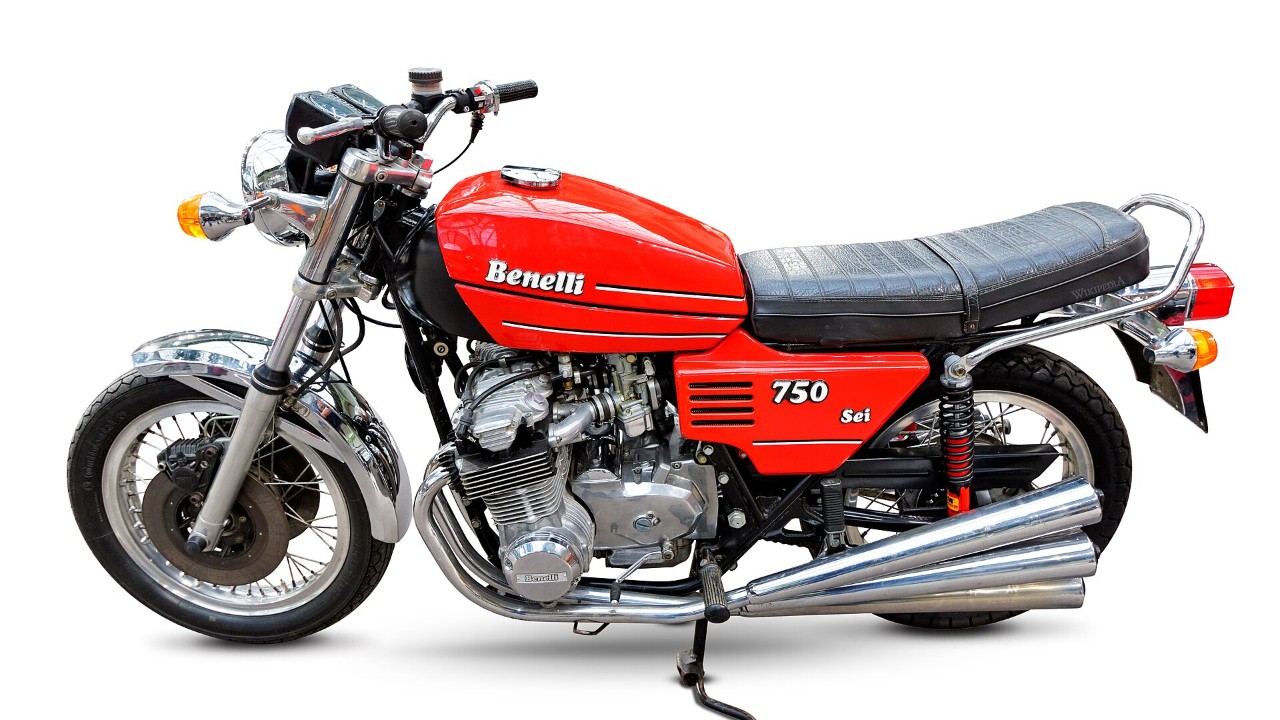
The 1970s brought plenty of complicated changes to the automotive world, but many cars from the decade still relied on straightforward engineering. Simple controls, durable engines, basic interiors, and easy-to-understand mechanical systems made these vehicles approachable for owners and mechanics alike. These twelve classics show why uncomplicated cars can remain so appealing decades after they left the showroom.
Ford F-100
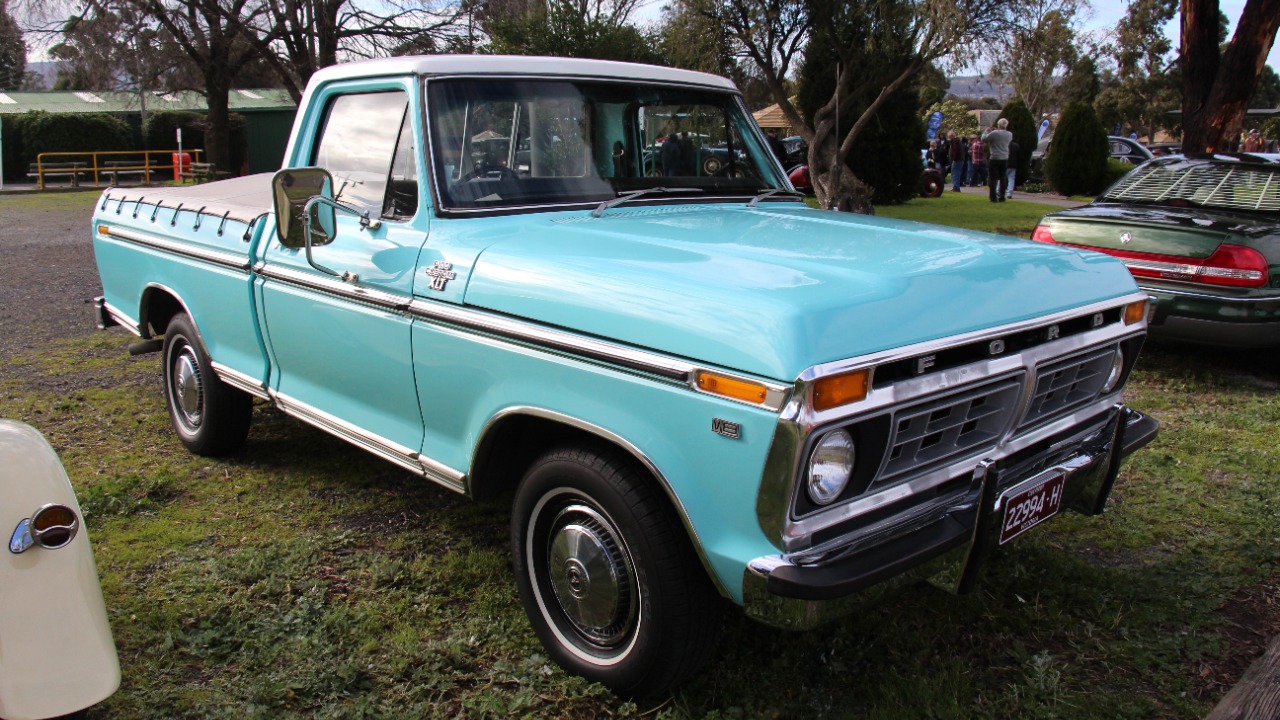
The Ford F-100 embodied the straightforward philosophy of the traditional American pickup. Its rugged construction, simple controls, and broad selection of engines made it useful for everything from farm work to everyday transportation. There was little unnecessary complexity, and most mechanical components were relatively accessible. That practical formula helped these trucks remain useful long after newer pickups became increasingly sophisticated.
Chevrolet Nova
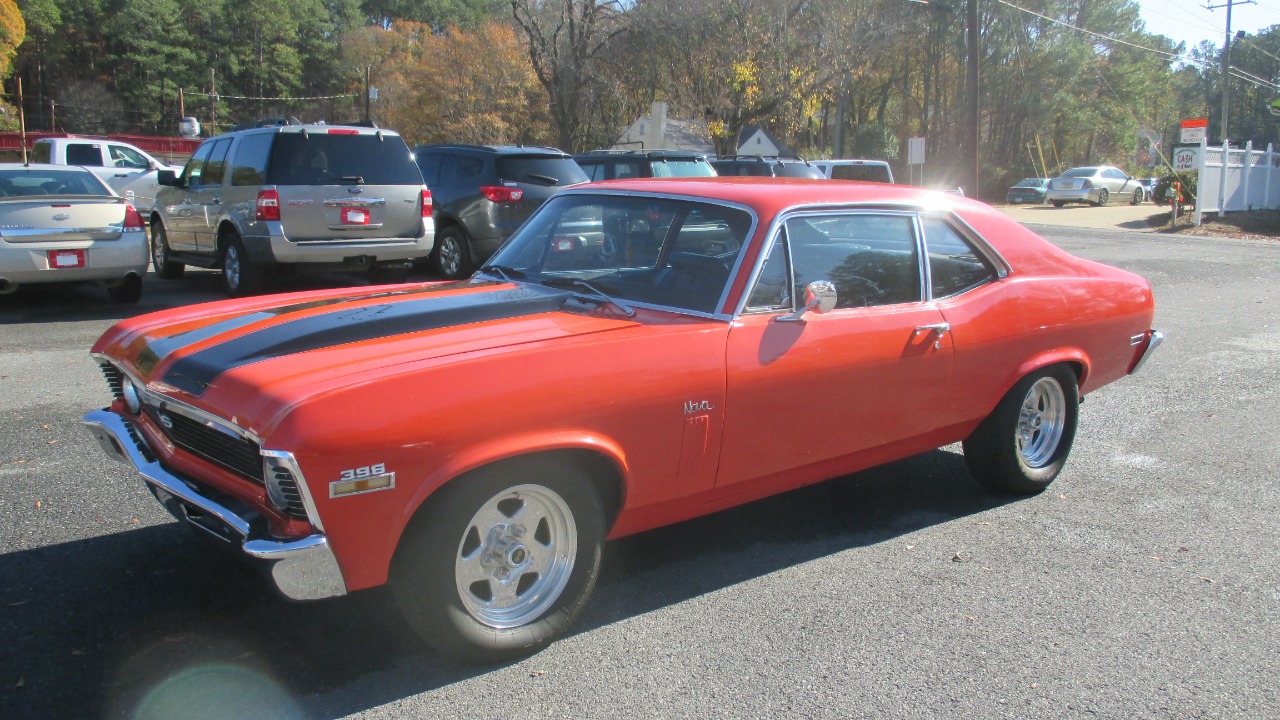
The Chevrolet Nova offered compact dimensions, simple construction, and a wide range of straightforward powertrains. Its relatively uncomplicated layout made it easy to maintain, while available V8s gave it plenty of performance potential. Many were used as everyday transportation rather than carefully preserved. That working-class background is part of the reason enthusiasts still appreciate the Nova today.
Toyota Corolla
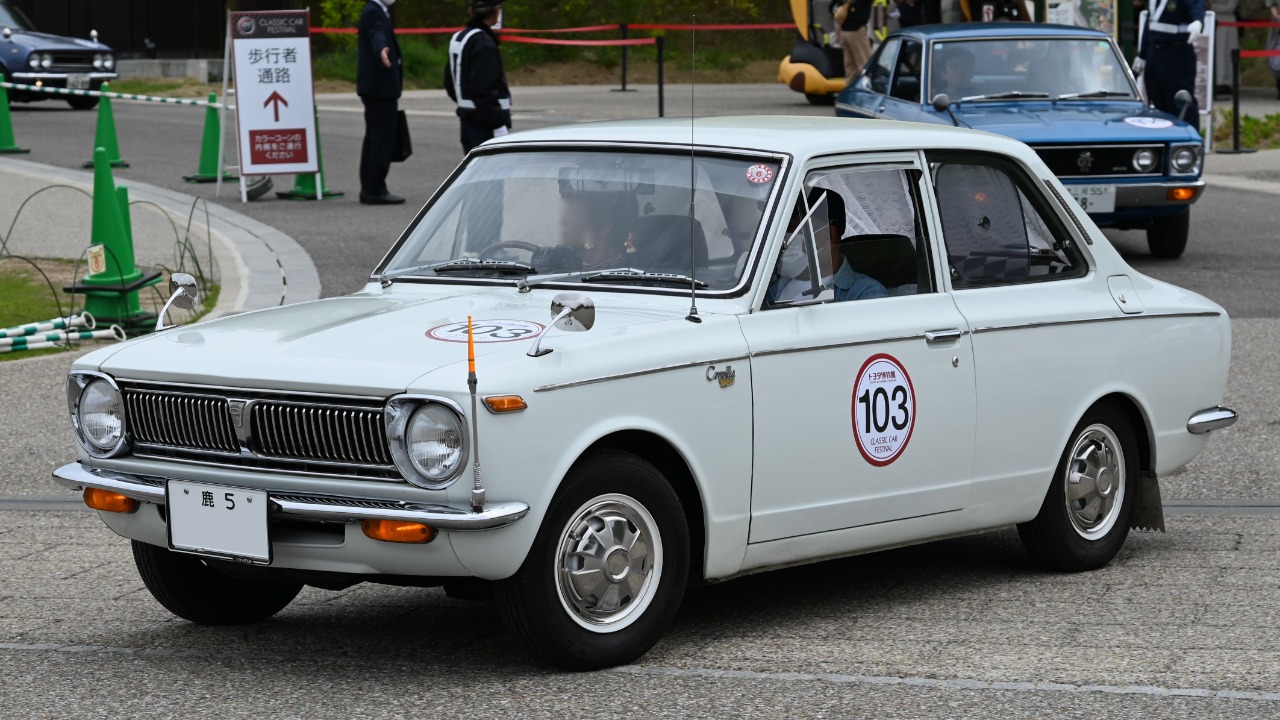
The Toyota Corolla demonstrated that simplicity could be a major selling point. Compact dimensions, modest engines, straightforward controls, and dependable mechanical components made it an easy car to own. The Corolla was designed around practicality rather than unnecessary features. Its reputation for reliability helped establish Toyota as a serious competitor in the American market during a decade when fuel economy became increasingly important.
Volkswagen Beetle
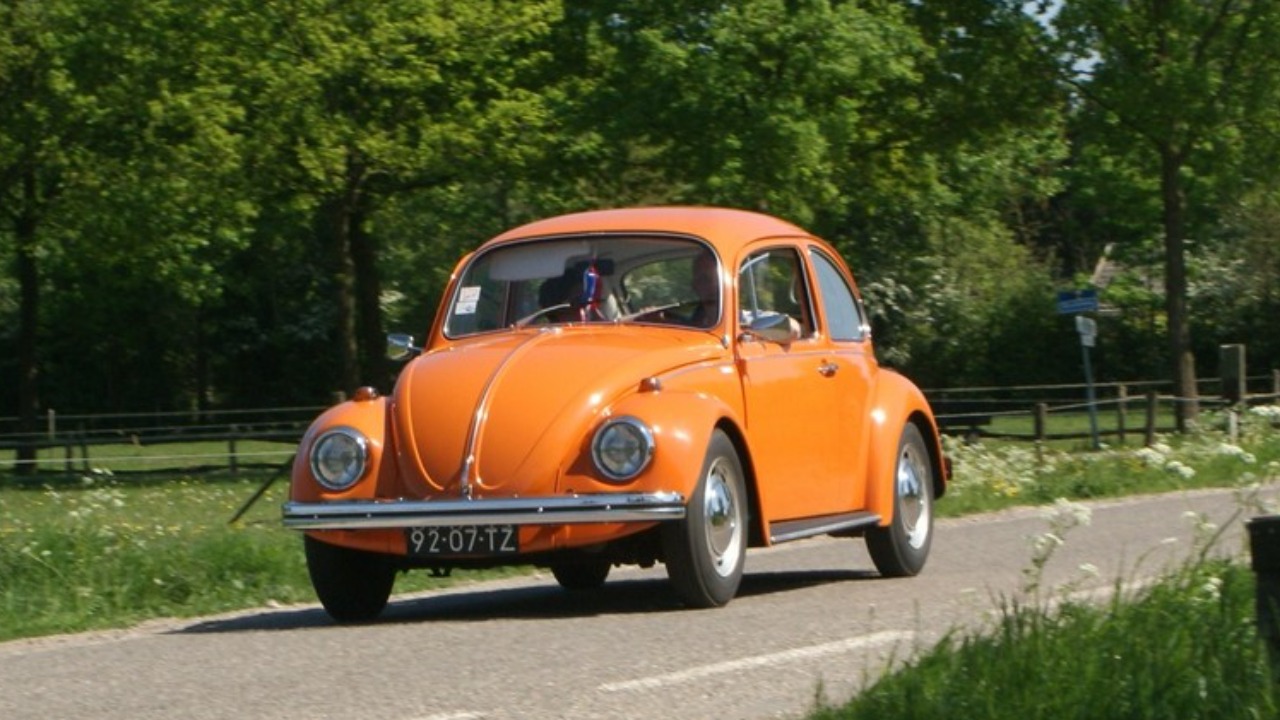
The Volkswagen Beetle remained remarkably simple even as the automotive industry became more complicated. Its air-cooled engine, basic interior, compact dimensions, and rear-engine layout gave it a unique personality. Repairs could often be approached without sophisticated equipment. The Beetle’s longevity also meant that many owners kept them for years, reinforcing its reputation as an uncomplicated classic.
Datsun 510
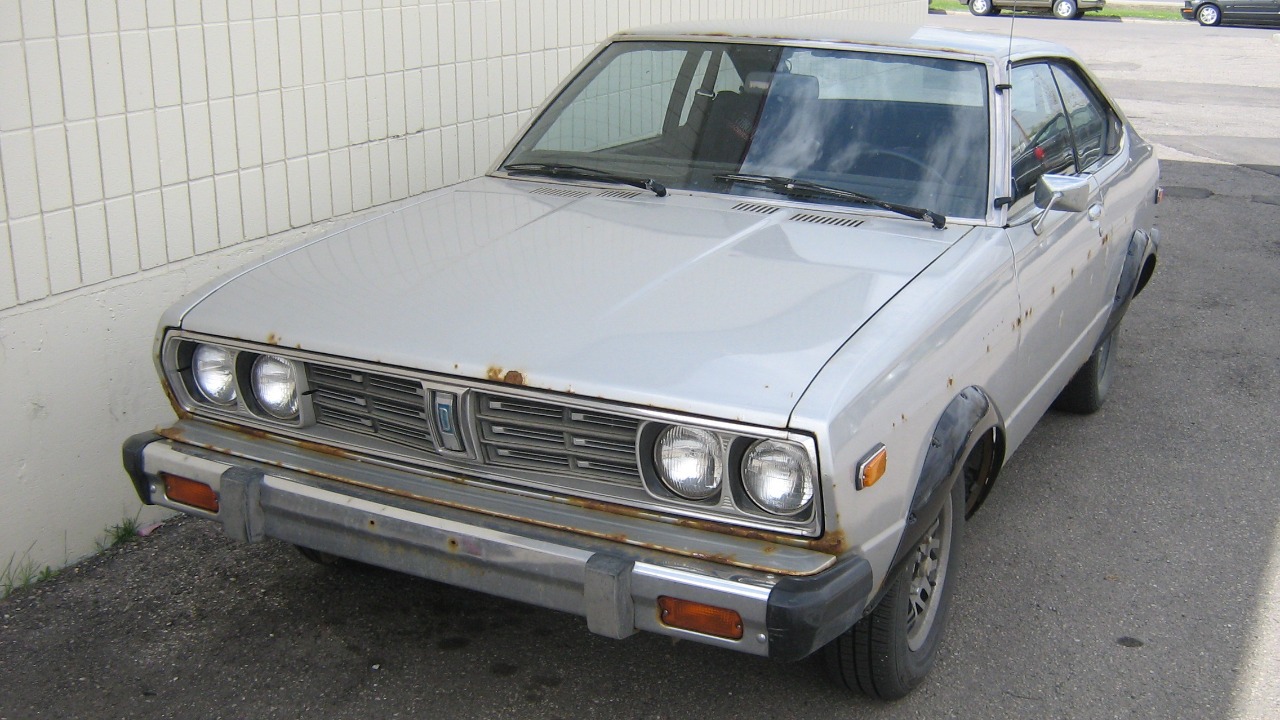
The Datsun 510 combined simple mechanicals with surprisingly sophisticated driving characteristics. Its lightweight body, four-wheel independent suspension, and responsive four-cylinder engine made it enjoyable without requiring excessive power. The straightforward design also made it popular with enthusiasts and racers. Today, the 510 remains a strong example of how relatively simple engineering can produce an engaging driving experience.
Jeep CJ-5
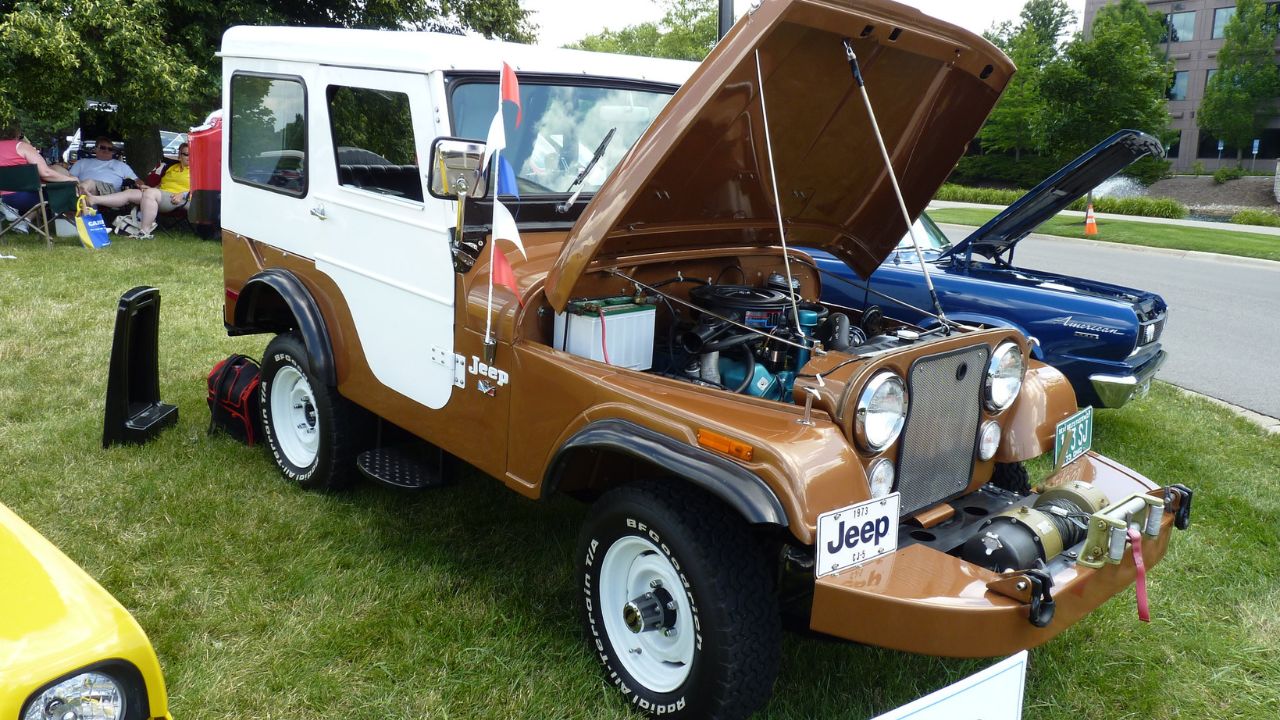
The Jeep CJ-5 was built around a simple idea: provide a compact vehicle capable of going places ordinary cars could not. Its rugged frame, four-wheel-drive system, basic controls, and removable components kept the focus on utility. Comfort was never its primary mission. That simplicity helped make the CJ-5 durable, easy to modify, and highly useful for decades.
Mercedes-Benz W123
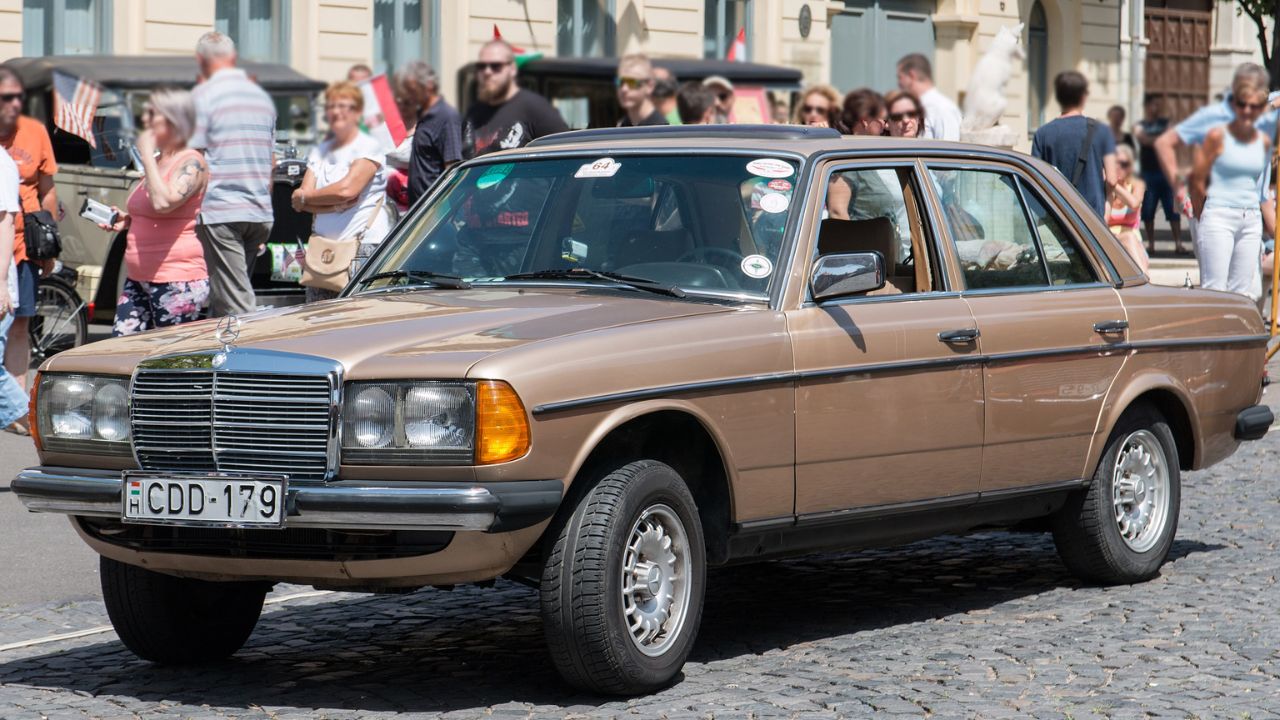
The Mercedes-Benz W123 combined straightforward controls with extremely durable mechanical components. Its diesel versions became particularly famous for accumulating enormous mileage. The cabin was designed around function rather than digital entertainment, while the chassis emphasized long-term durability. Even today, a well-maintained W123 demonstrates how thoughtful engineering and robust construction can compensate for a lack of modern technology.
Chevrolet C10
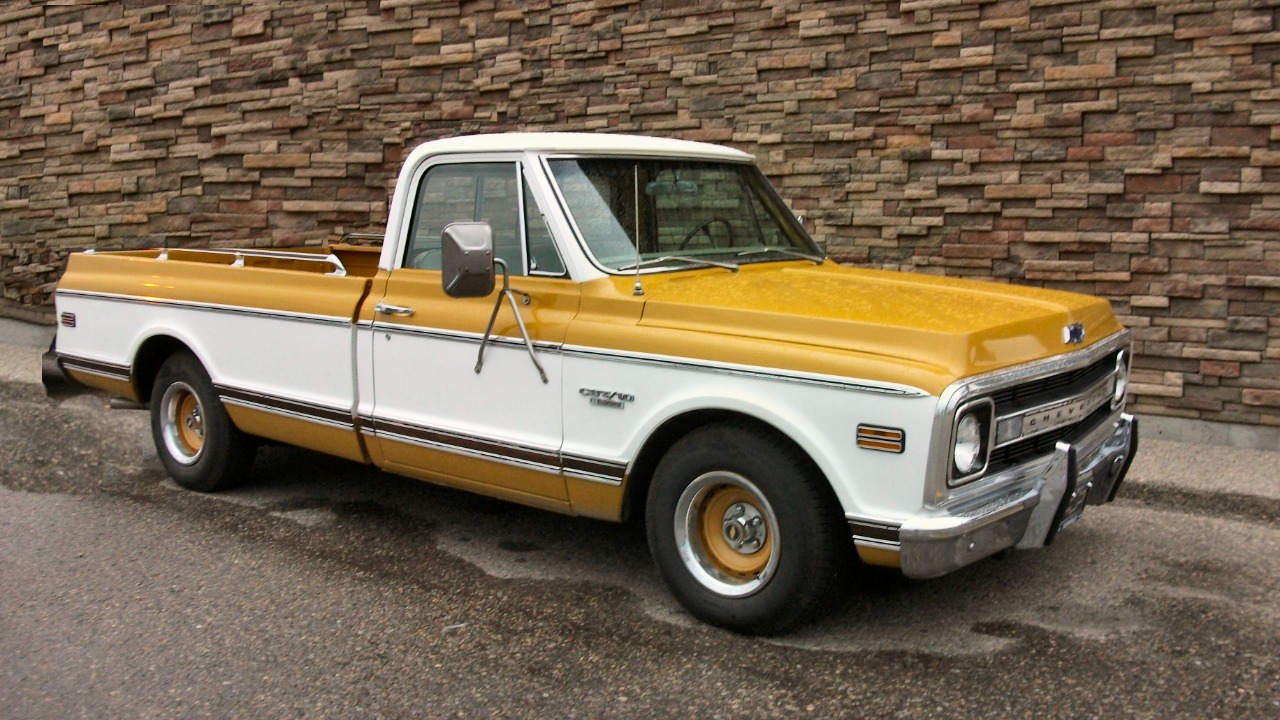
The Chevrolet C10 was another classic pickup built around practicality rather than unnecessary complexity. Its traditional body-on-frame construction, simple suspension, and widely available engines made maintenance relatively approachable. Owners could use these trucks for work during the week and recreation on weekends. That versatility helped the C10 become one of the most enduring classic American pickups.
Honda Civic
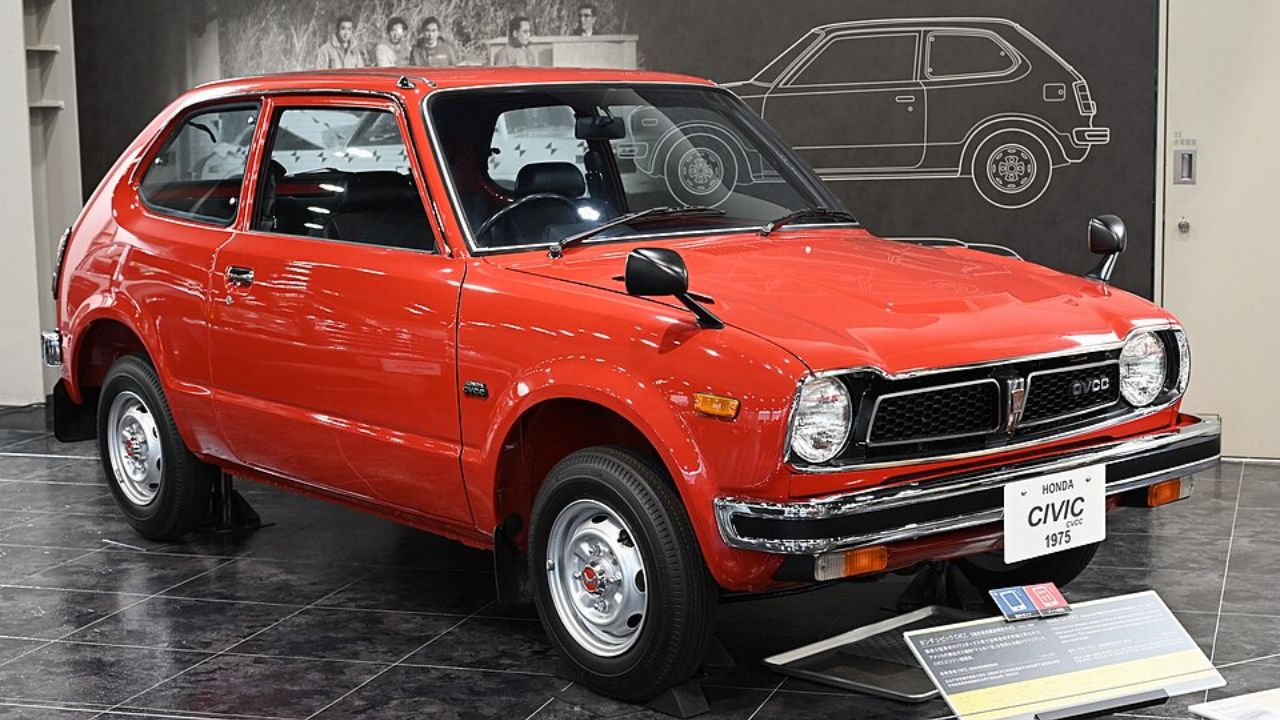
The early Honda Civic offered compact dimensions, efficient engines, and a simple driving experience that appealed to buyers facing a changing automotive market. Its lightweight construction helped deliver useful performance from small engines. The Civic also demonstrated that an affordable economy car could be dependable and enjoyable. Its success helped establish Honda as a major force in the American market.
Ford Bronco
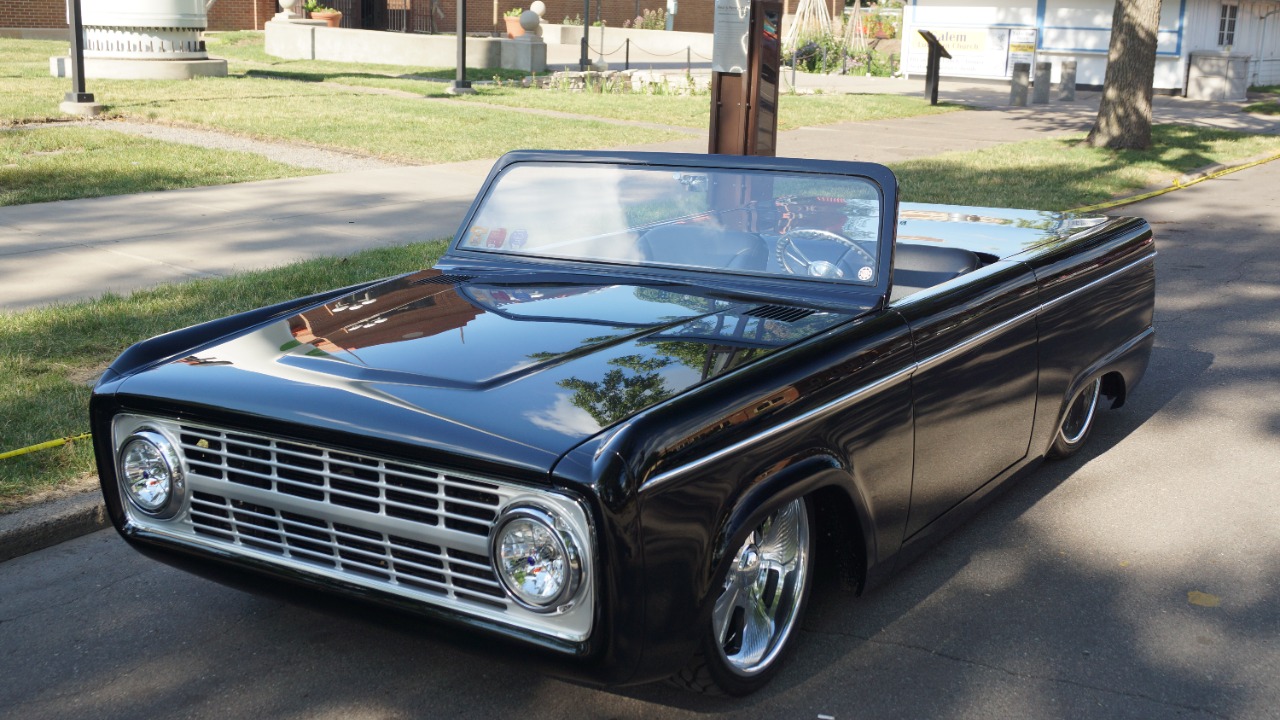
The original Ford Bronco kept its formula remarkably straightforward. Its compact body, body-on-frame construction, simple controls, and four-wheel-drive capability made it practical for off-road use without the layers of electronic equipment found in modern SUVs. That mechanical simplicity also made it popular with enthusiasts who wanted something they could understand, modify, and repair themselves.
Pontiac Firebird

The Pontiac Firebird offered performance without relying on the electronic complexity found in modern sports cars. Rear-wheel drive, V8 power, straightforward suspension components, and a relatively simple cabin created an engaging driving experience. Its long hood and distinctive styling added plenty of personality. The Firebird remains appealing because its performance formula is easy to understand even decades later.
Volvo 240
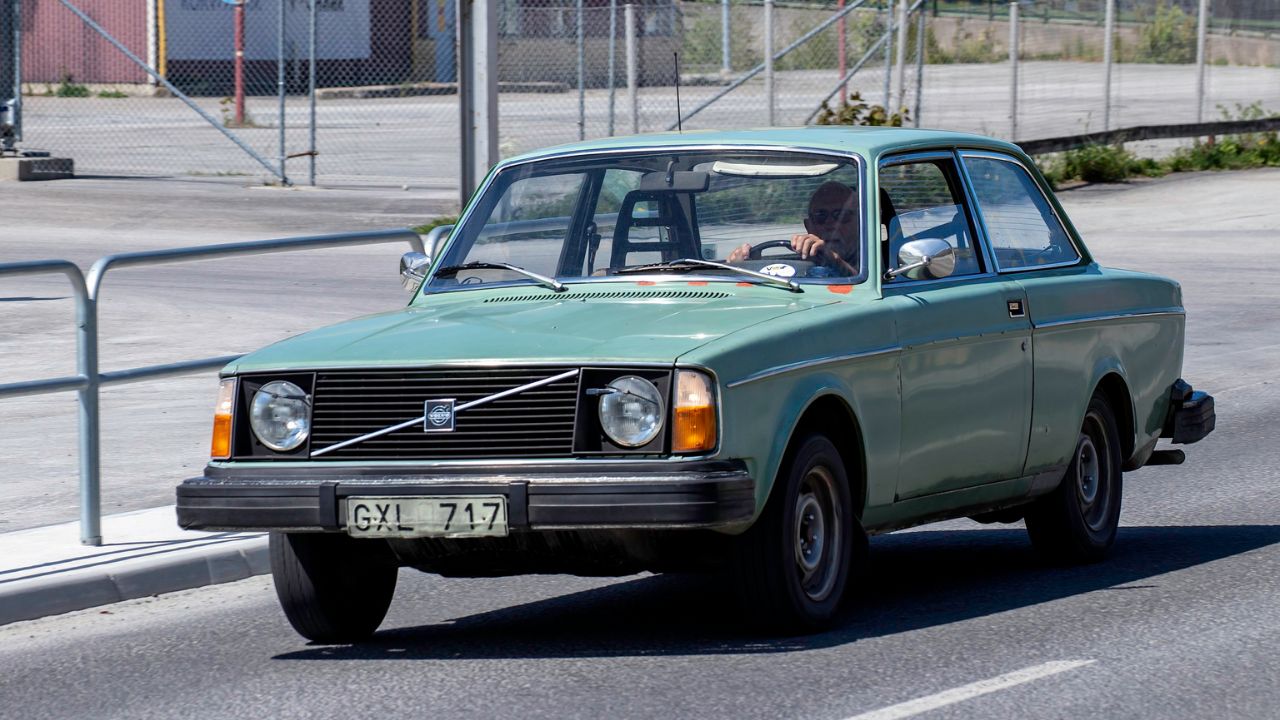
The Volvo 240 was built with practicality and durability at the center of its design. Its boxy body, simple dashboard, spacious cabin, and sturdy mechanical components helped it become a long-lasting family favorite. Many accumulated extraordinary mileage. The 240 demonstrates that a car does not need cutting-edge technology to remain useful, dependable, and enjoyable for generations.
More from Fast Lane Only
- Unboxing the WWII Jeep in a Crate
- 15 rare Chevys collectors are quietly buying
- 10 underrated V8s still worth hunting down
- Police notice this before you even roll window down
*Research for this article included AI assistance, with all final content reviewed by human editors