Endurance racing demands far more than raw speed. Cars must survive relentless stress, mechanical fatigue, changing weather, and nonstop punishment for hours—or even entire days—while remaining competitive. The greatest endurance machines earned legendary reputations not only for winning races, but for continuing to perform under conditions that destroyed weaker competitors. These racers became icons because durability mattered just as much as outright performance.
Jaguar XJR-9

The Jaguar XJR-9 became one of endurance racing’s most respected machines thanks to its powerful V12 engine and remarkable reliability during long-distance competition. Designed to withstand brutal high-speed punishment for hours at circuits like Le Mans, the XJR-9 balanced speed with mechanical durability exceptionally well. Its aerodynamic body and stable chassis allowed drivers to maintain relentless pace without overstressing the car. The XJR-9’s endurance success helped restore Jaguar’s global performance reputation during the late 1980s.
Peugeot 905

The Peugeot 905 proved remarkably durable despite using advanced technology and a high-revving naturally aspirated V10 engine. Built for endurance racing’s most demanding events, the 905 combined lightweight construction with sophisticated aerodynamics designed for sustained high-speed stability. Engineers focused heavily on reliability because endurance victories required surviving mechanical stress over entire race distances. The car’s ability to remain competitive deep into long races helped establish Peugeot as a serious force in prototype motorsport competition.
Toyota TS010
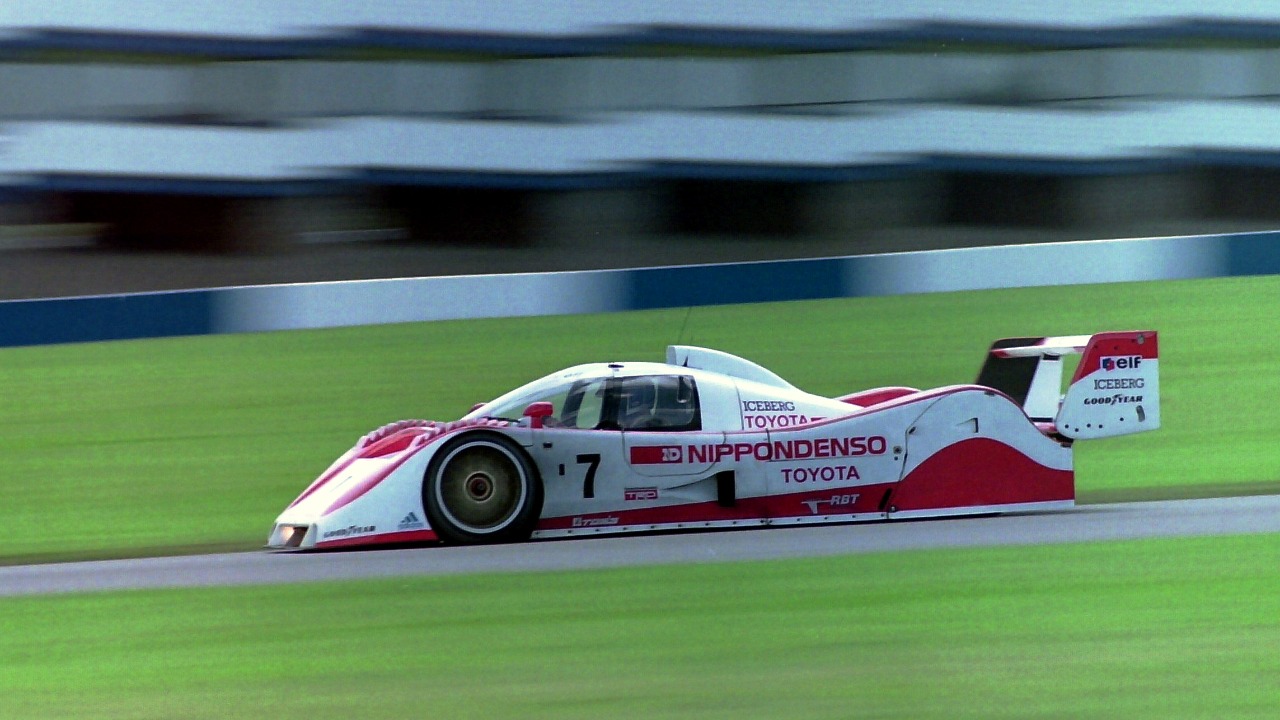
The Toyota TS010 demonstrated Toyota’s growing engineering capability in endurance racing by combining extreme speed with durability under punishing conditions. Powered by a screaming naturally aspirated V10 engine, the TS010 endured massive thermal and mechanical stress during long-distance races. Its advanced chassis and aerodynamic design helped maintain stability during extended flat-out running at circuits like Le Mans. The car became respected for surviving conditions that pushed both drivers and machinery to their absolute limits.
Sauber-Mercedes C9
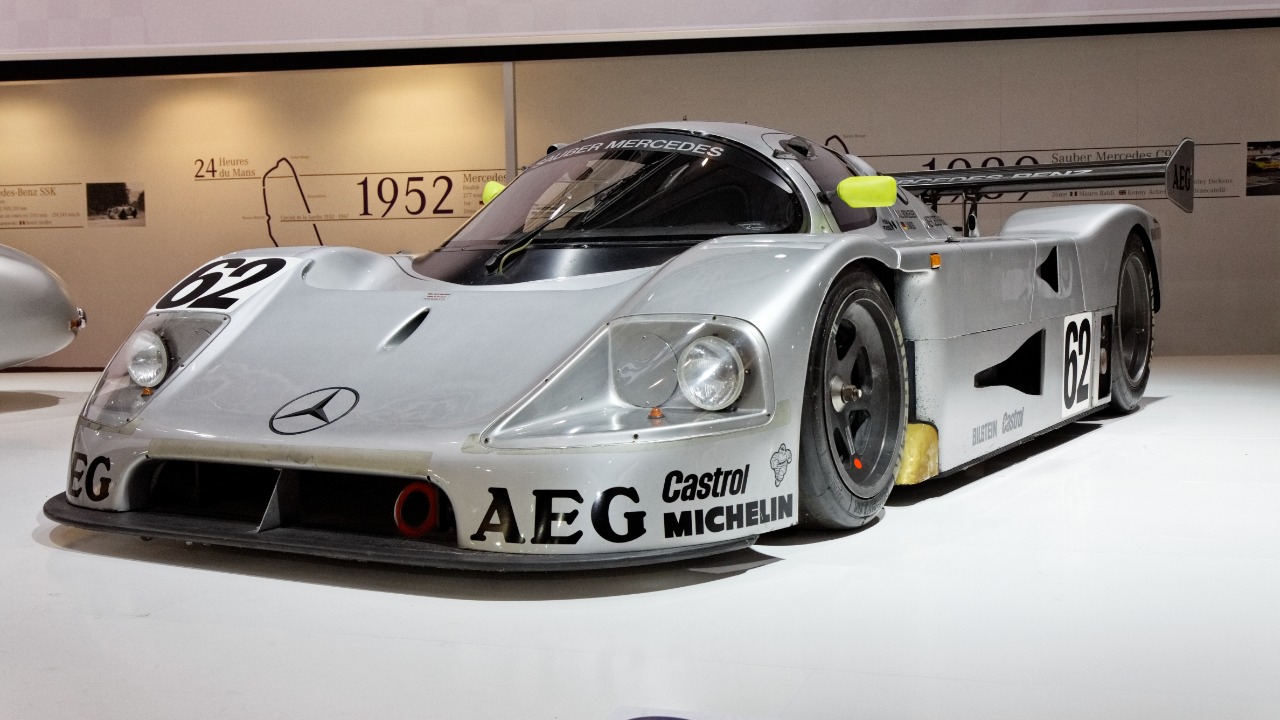
The Sauber-Mercedes C9 earned legendary status because it combined brutal turbocharged power with the durability necessary for endurance dominance. Capable of extraordinary straight-line speed, the C9 still needed to survive 24-hour races without catastrophic mechanical failures. Mercedes engineers focused heavily on cooling, aerodynamics, and structural strength to handle sustained punishment at extreme speeds. Its dominance at Le Mans helped establish the C9 as one of the most feared endurance racing machines ever produced.
Ferrari 333 SP
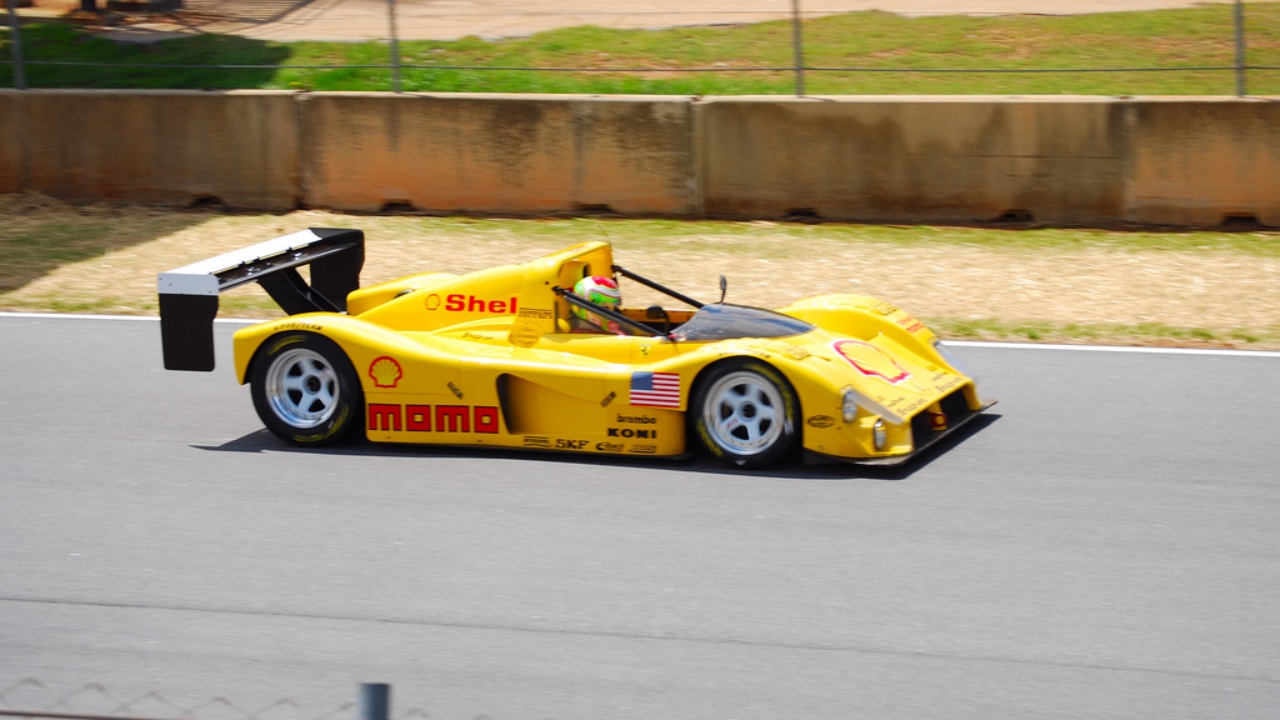
The Ferrari 333 SP became respected for delivering Ferrari performance and emotional V12 sound while maintaining the durability required for long-distance competition. Endurance racing placed enormous stress on its high-revving engine and lightweight components, yet the 333 SP consistently demonstrated impressive reliability across major international events. Drivers praised its balance and predictable handling during extended stints. The car helped Ferrari successfully return to prototype endurance racing after years away from the category.
Mazda 787B
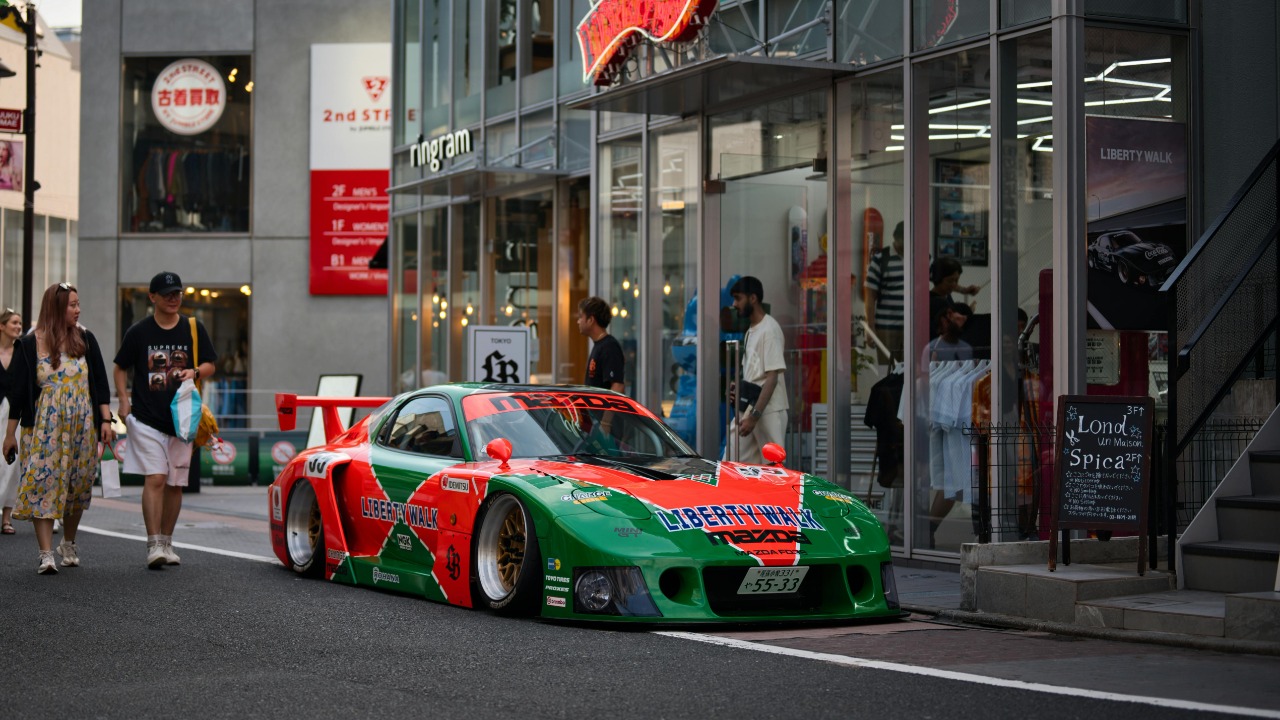
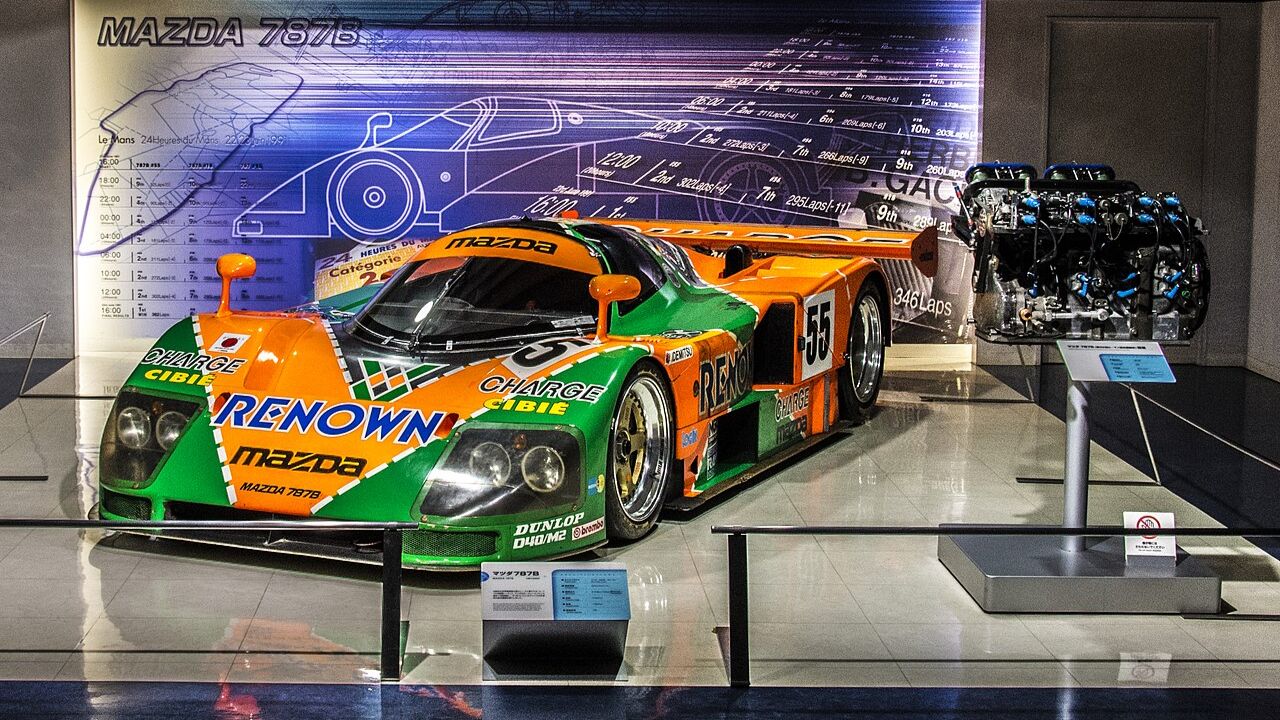
The Mazda 787B shocked the motorsport world by proving a rotary-powered machine could survive and win one of endurance racing’s toughest challenges. Its unique four-rotor engine operated at extreme RPM for extended periods while maintaining reliability under brutal conditions. The 787B’s lightweight design and mechanical resilience allowed it to withstand the relentless punishment of Le Mans competition. Its historic victory cemented the car as one of the most iconic endurance racers ever created.
Bentley Speed 8

The Bentley Speed 8 demonstrated exceptional endurance durability by combining strong turbocharged performance with stable long-distance reliability. Developed partly from Audi engineering foundations, the Speed 8 excelled during extended high-speed racing where cooling efficiency and component longevity became critical. Its rigid construction and aerodynamic efficiency helped drivers maintain competitive pace for entire race durations. The car’s Le Mans success marked Bentley’s dramatic return to top-level endurance racing after decades away from the sport.
Porsche 936
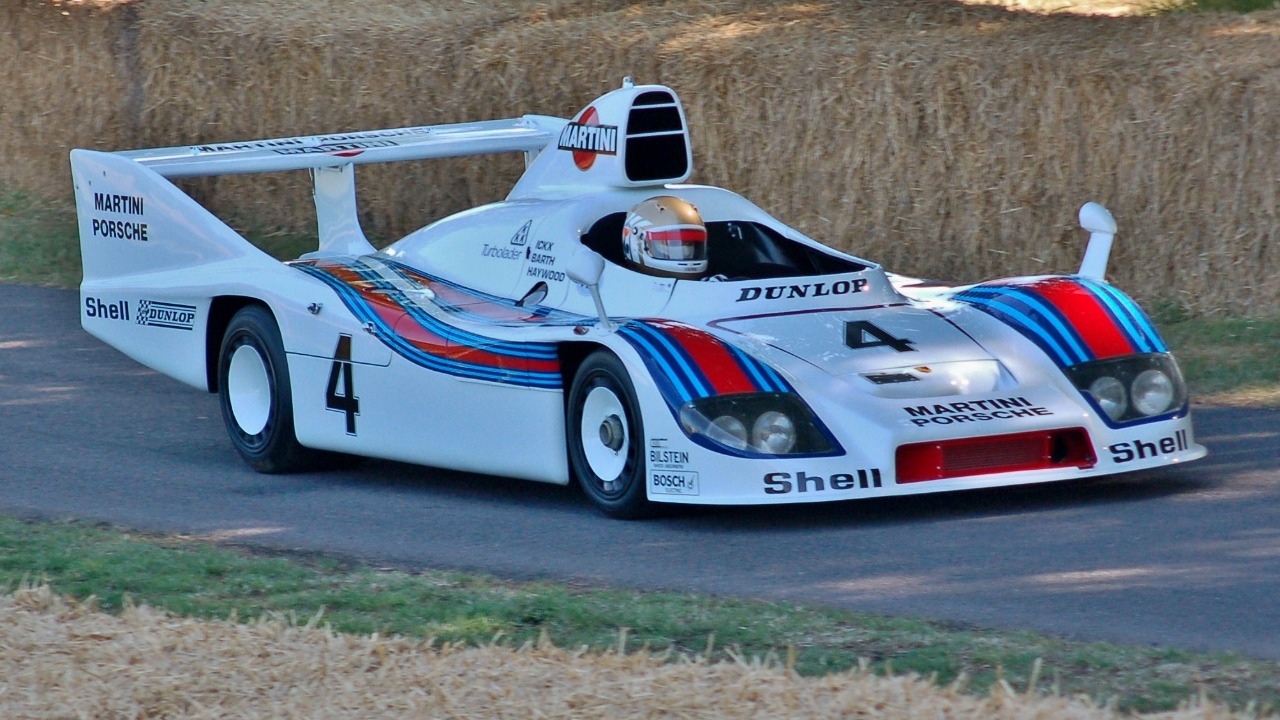
The Porsche 936 became one of Porsche’s greatest endurance machines because it repeatedly survived the brutal demands of long-distance competition while remaining highly competitive. Its turbocharged flat-six engine delivered immense power yet maintained the durability needed for endurance success. Engineers constantly refined cooling systems and chassis balance to help the car survive sustained racing abuse. The Porsche 936 earned enormous respect for repeatedly conquering some of motorsport’s harshest endurance challenges.
Nissan R390 GT1
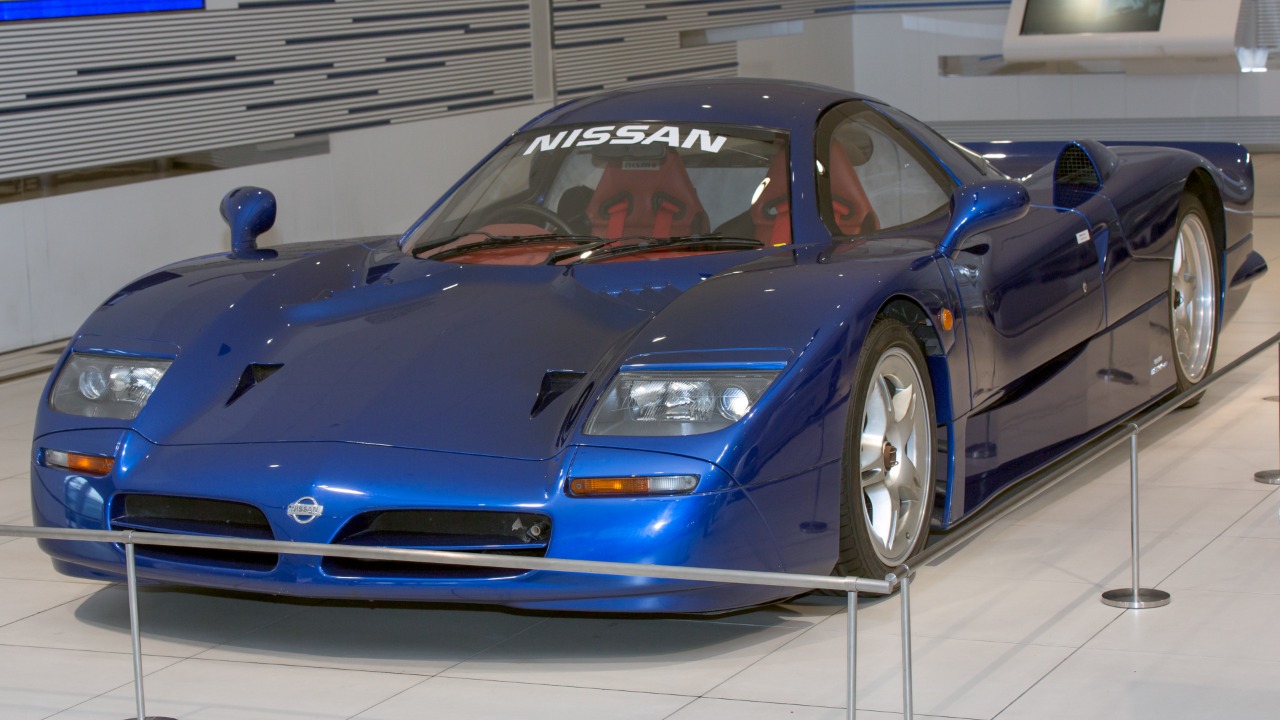
The Nissan R390 GT1 represented Nissan’s determination to build a machine capable of surviving the extreme punishment of elite endurance racing. Its twin-turbo V8 generated enormous heat and stress during long flat-out sessions, forcing engineers to prioritize reliability alongside outright performance. The R390 GT1’s aerodynamic efficiency and stable handling helped reduce driver fatigue during extended stints. Though facing fierce competition, it became admired for its engineering sophistication and endurance durability.
Audi R18 TDI
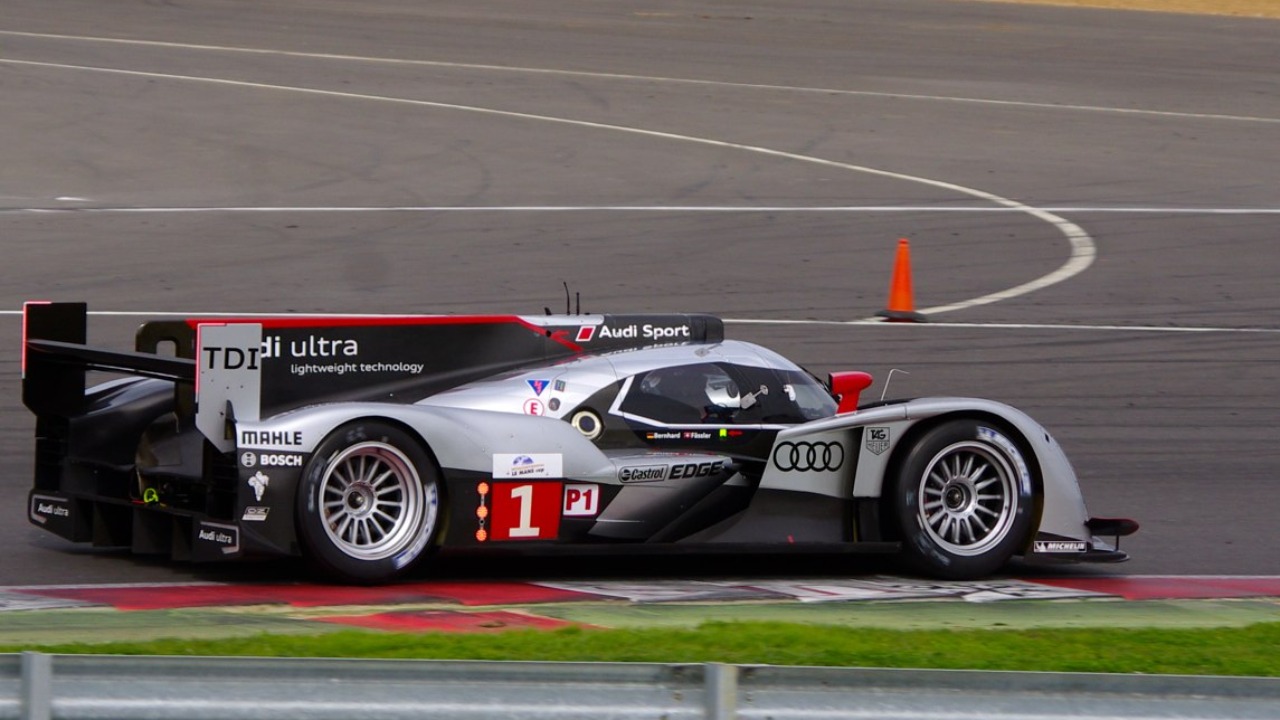
The Audi R18 TDI changed endurance racing expectations by combining diesel efficiency with remarkable reliability and sustained speed. Built to endure nonstop mechanical punishment, the R18 used advanced hybrid systems and aerodynamic technology while still maintaining exceptional durability across 24-hour races. Audi’s relentless engineering focus allowed the car to perform consistently under intense stress and changing conditions. The R18 became one of the defining endurance racers of the modern hybrid era.
More from Fast Lane Only