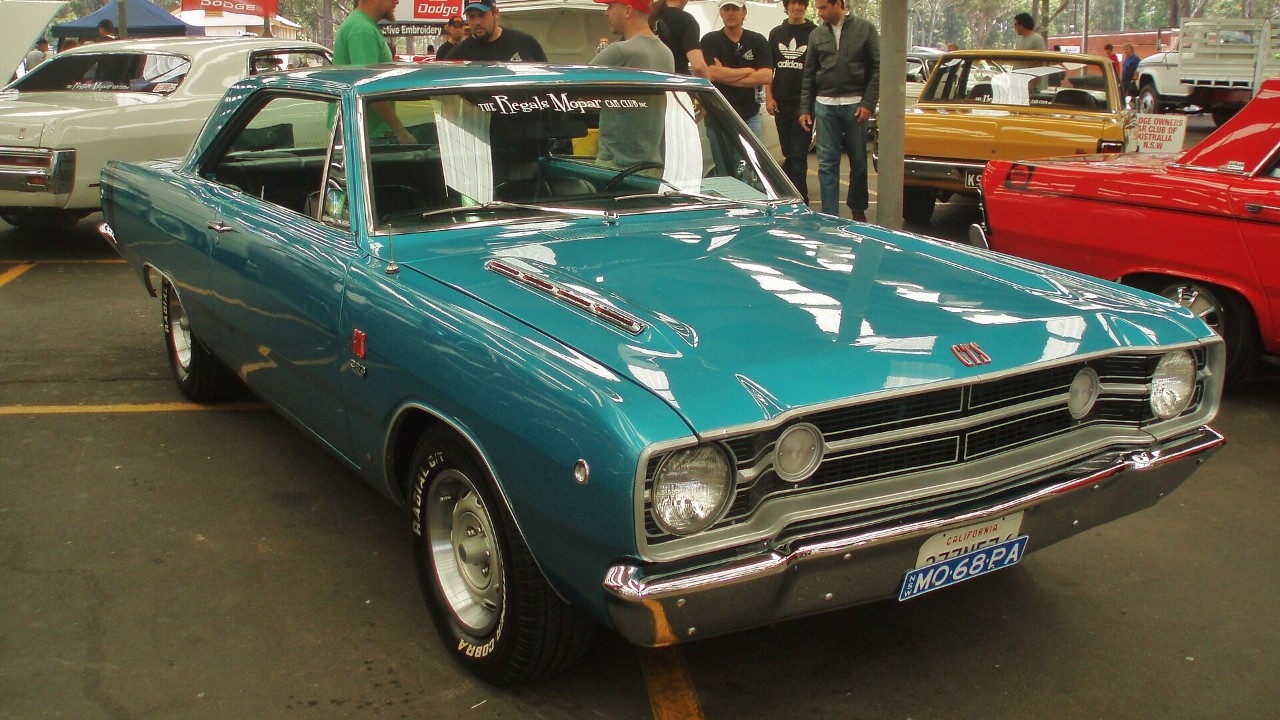
The 1970s are often remembered as the decline of the muscle-car era, but many overlooked performance machines from that decade quietly developed loyal followings over time. While some were overshadowed by famous late-1960s legends, these cars still offered unique styling, strong V8 performance, and memorable personalities. Today, collectors increasingly appreciate them for their rarity, character, and connection to a changing era in American automotive history.
Plymouth Duster 340
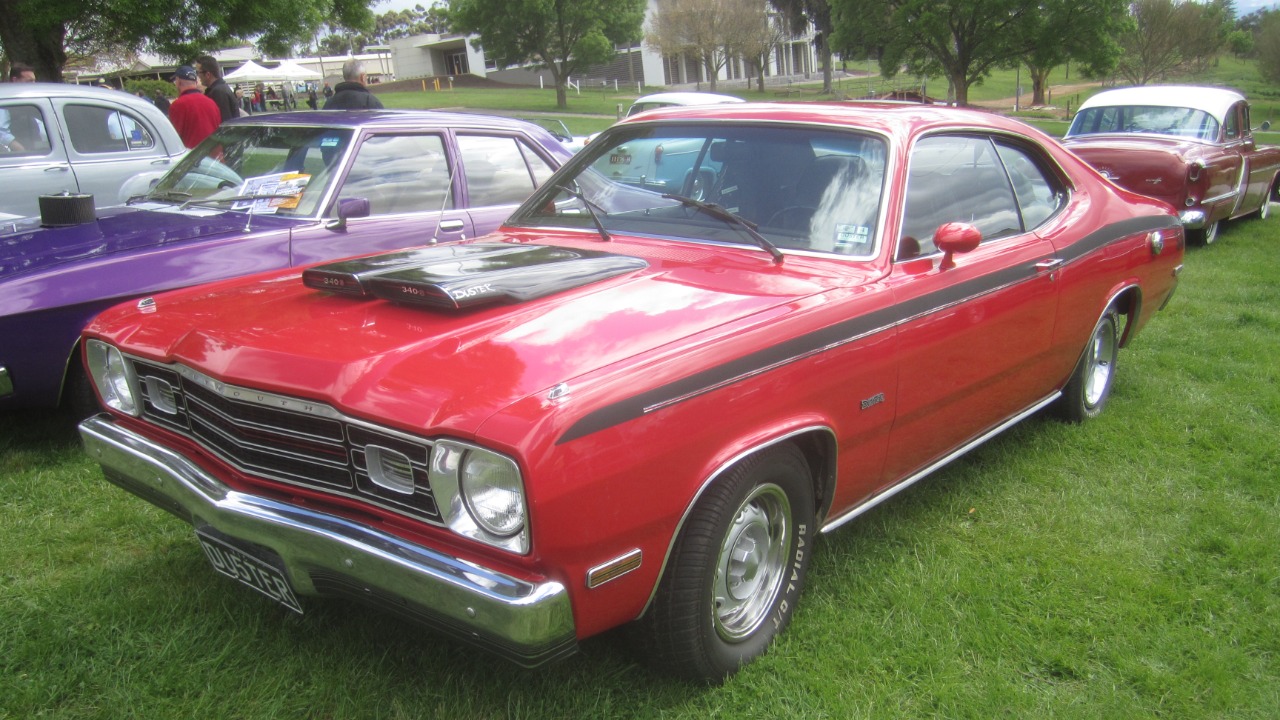
The Plymouth Duster 340 spent years overshadowed by larger Mopar icons before collectors recognized how effective its lightweight design and strong small-block V8 truly were. The Duster 340 delivered impressive acceleration while remaining more affordable than bigger muscle cars of the era. Its compact proportions and aggressive styling gave it genuine street presence without excessive weight. Enthusiasts now appreciate the car for combining classic Mopar attitude with surprising agility and increasingly rare originality.
Ford Torino GT 1972
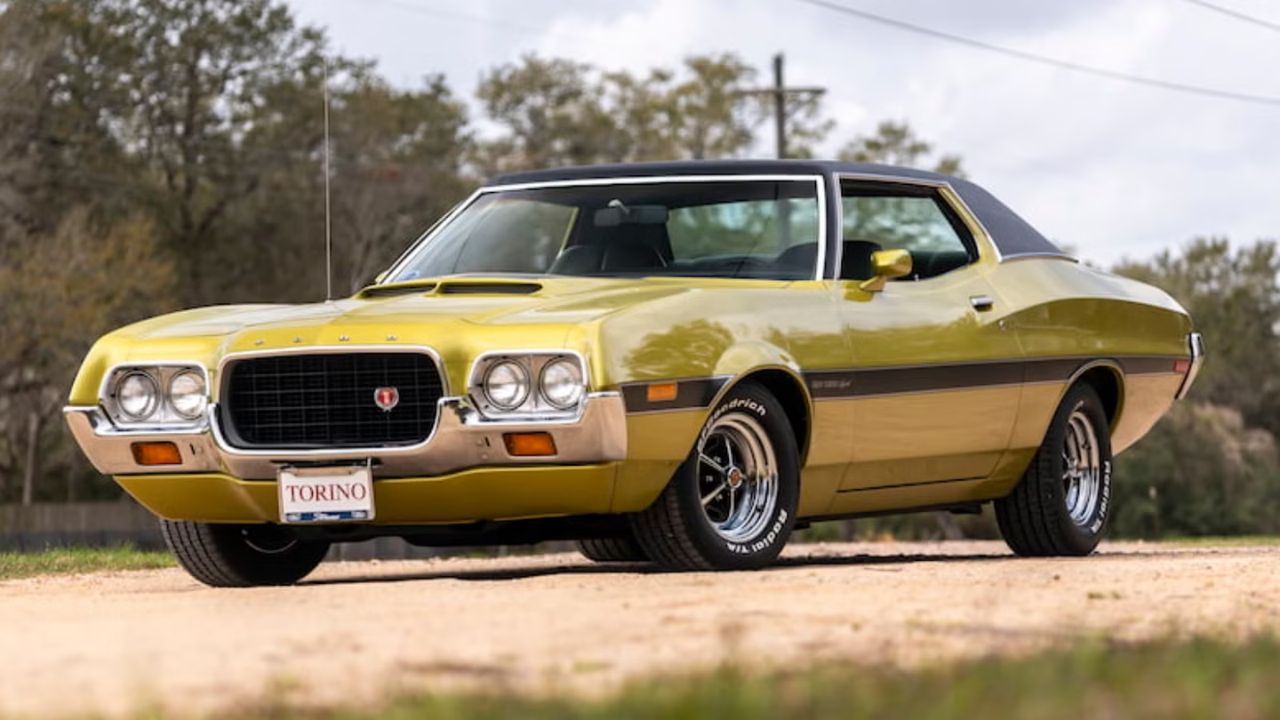
The Ford Torino GT 1972 quietly gained collector appreciation thanks to its muscular styling and strong big-block engine availability during an era when performance was beginning to decline. For years, many enthusiasts overlooked the Torino in favor of Mustangs and earlier Fairlanes. Over time, however, collectors began appreciating its NASCAR connections, bold appearance, and comfortable grand-touring personality. Clean examples now attract growing attention from enthusiasts seeking something different from the usual muscle-car choices.
Chevrolet Laguna S-3
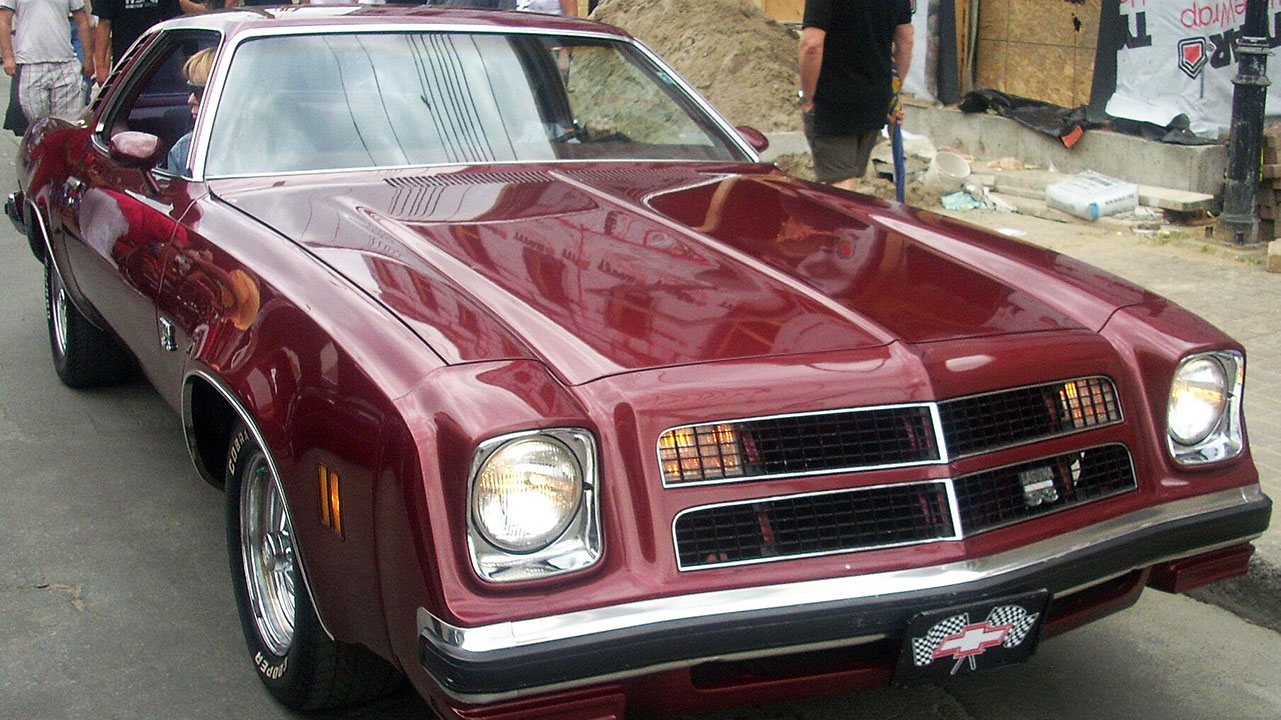
The Chevrolet Laguna S-3 remained largely forgotten for decades despite its direct ties to stock-car racing history. Its unique sloped front-end styling improved aerodynamics and gave the car a distinctive appearance unlike most mid-1970s Chevrolets. Though emissions regulations limited performance compared to earlier muscle cars, collectors now appreciate the Laguna S-3 for its racing heritage, rarity, and unusual design. Its connection to NASCAR success helped elevate its reputation among modern enthusiasts.
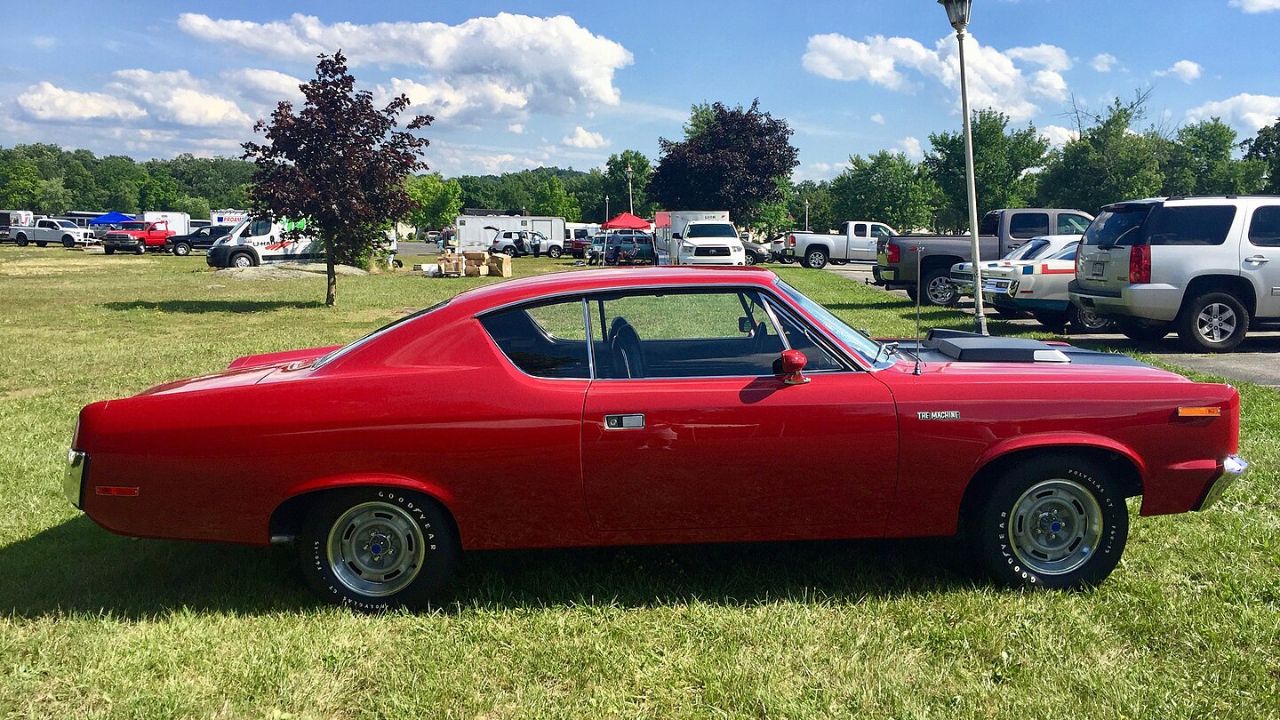
AMC Matador Machine

The AMC Matador Machine became increasingly respected because it represented AMC’s willingness to compete aggressively despite limited resources compared to Detroit’s largest manufacturers. Its dramatic styling and available V8 power made it stand out during a period when many muscle cars became more restrained. For years, collectors ignored the Matador due to AMC’s smaller brand presence, but appreciation for unusual and rare American performance cars eventually helped it gain significant enthusiast interest.
Buick Century Gran Sport 455
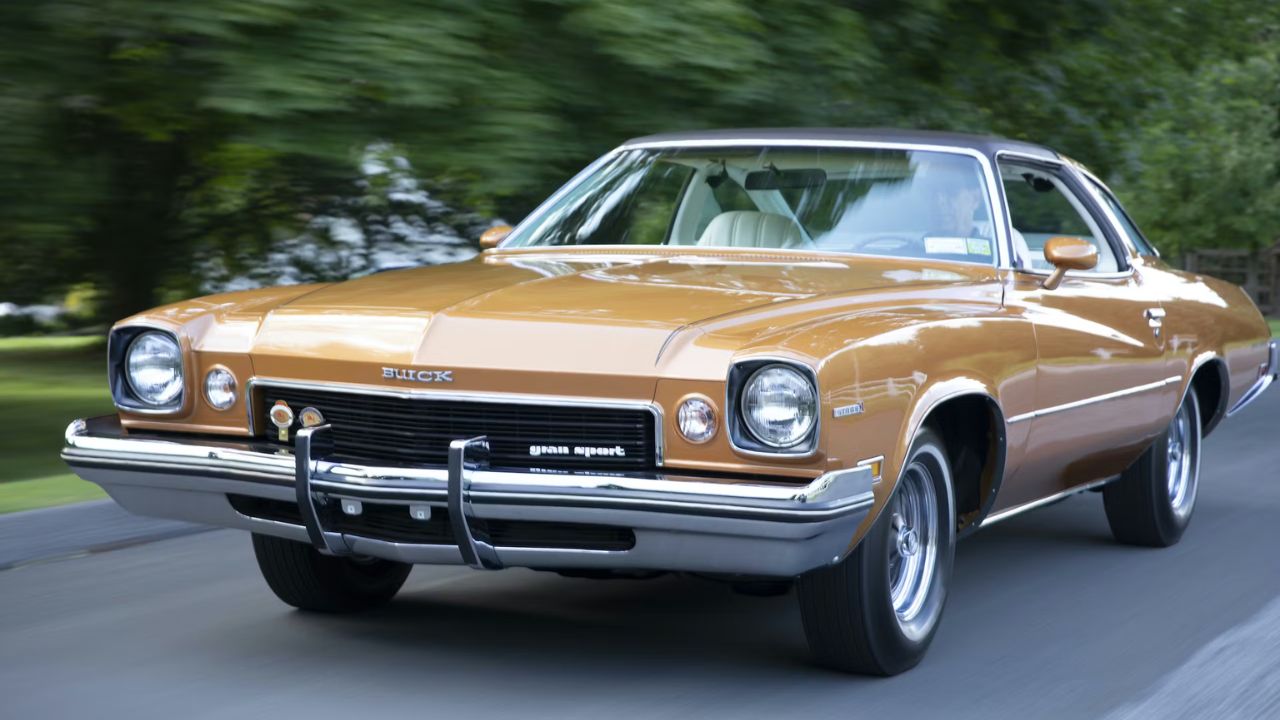
The Buick Century Gran Sport 455 spent decades overlooked because buyers often focused more heavily on Buick’s GSX halo cars. However, the Century Gran Sport still delivered massive low-end torque and strong straight-line performance through its large-displacement V8 engine. Its understated styling gave it sleeper appeal that modern collectors increasingly value. Enthusiasts now appreciate the car for offering authentic big-block Buick performance without the sky-high prices attached to more famous models.
Dodge Monaco 440
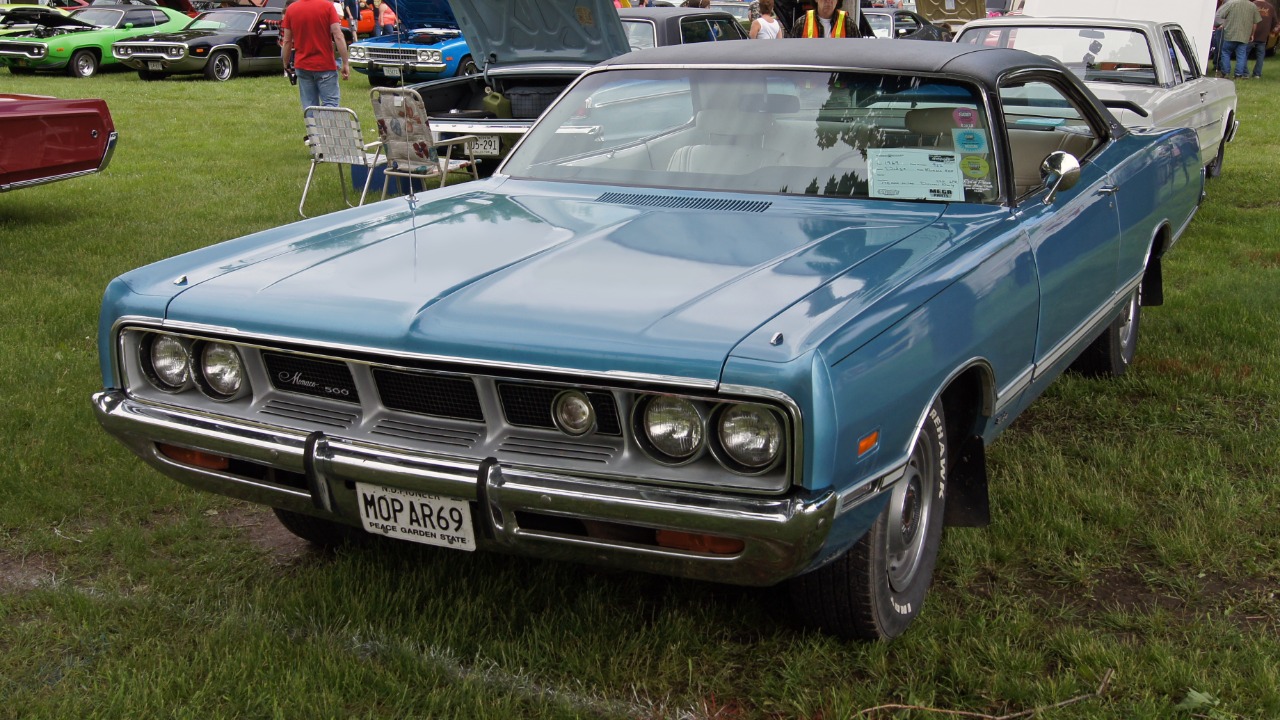
The Dodge Monaco 440 quietly earned appreciation because it combined enormous V8 power with full-size comfort and intimidating road presence. Overshadowed during its era by Chargers and Challengers, the Monaco offered serious highway performance in a more practical package. Many examples disappeared through years of heavy use, making surviving cars increasingly rare today. Collectors now admire the Monaco for representing the final years of giant American V8-powered performance sedans before downsizing changed Detroit permanently.
Pontiac Ventura GTO
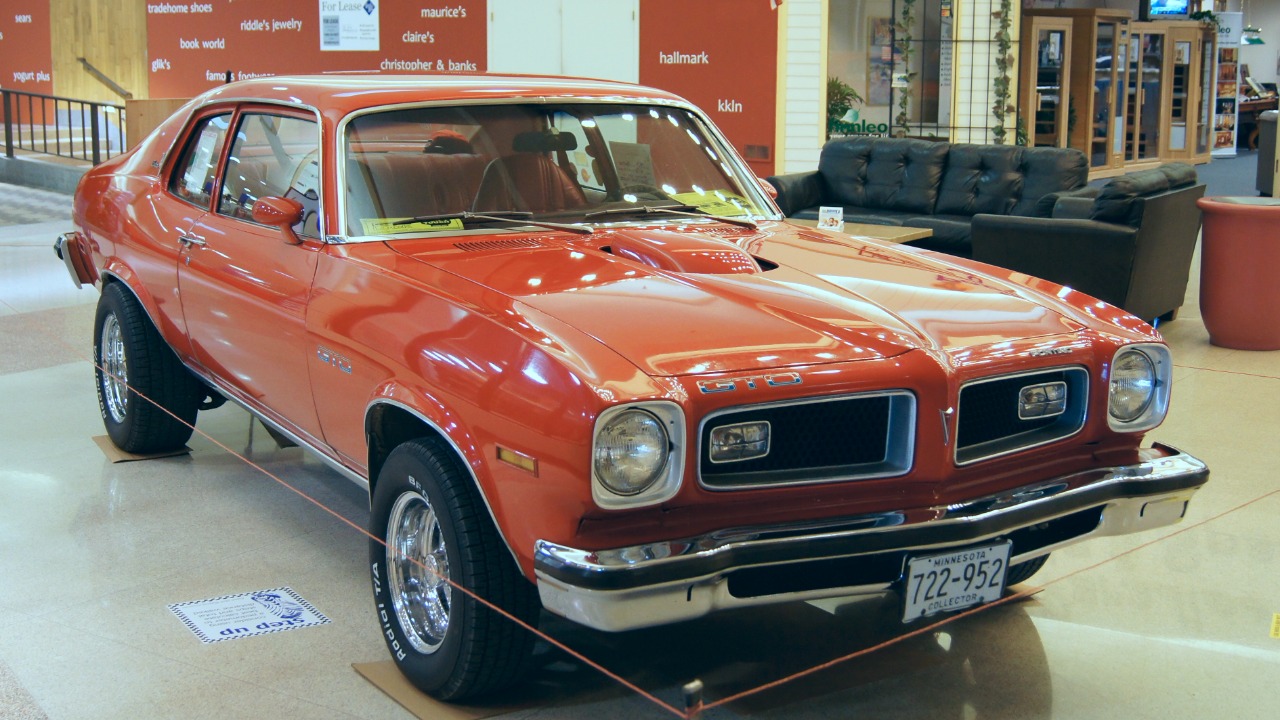
The Pontiac Ventura GTO initially faced criticism because enthusiasts associated the GTO name with larger midsize muscle cars from the 1960s. Over time, however, collectors began appreciating the Ventura GTO’s lightweight platform and surprisingly capable V8 performance. Its compact size gave it a different personality from earlier GTO generations while still maintaining Pontiac’s performance heritage. Today, it stands out as one of the more unusual and collectible transitional-era Pontiac muscle cars.
Mercury Montego MX Brougham
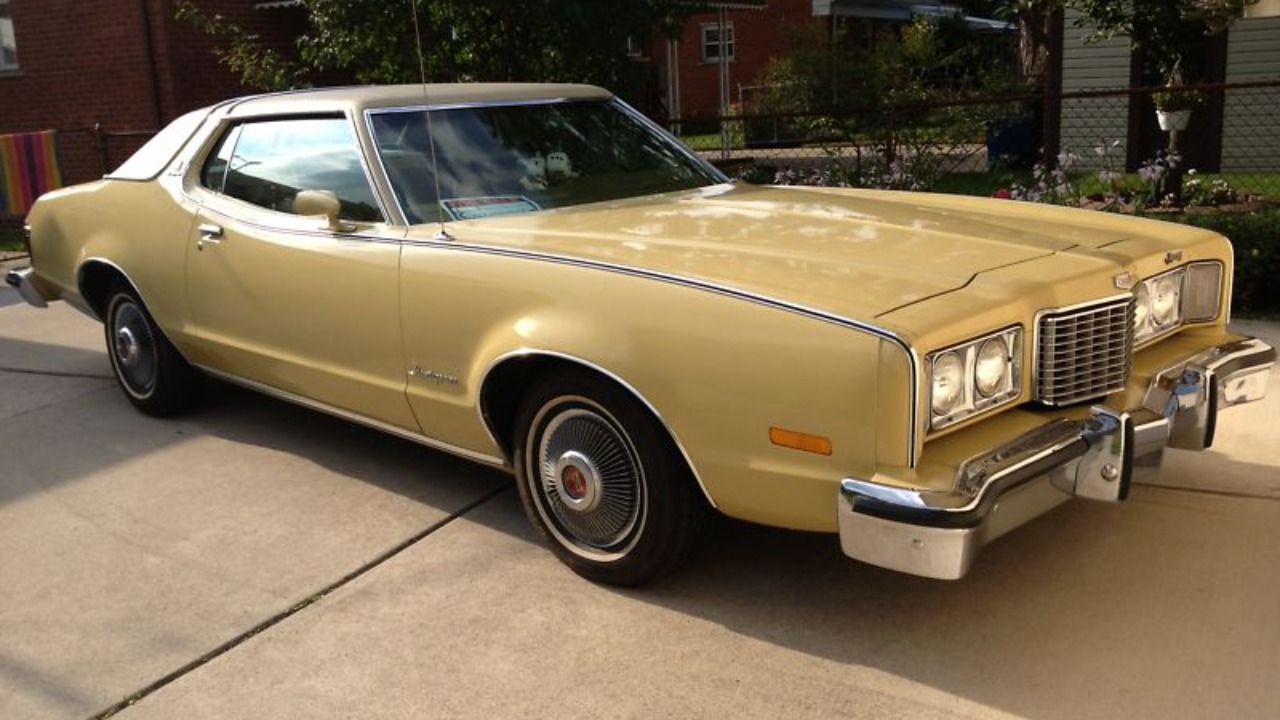
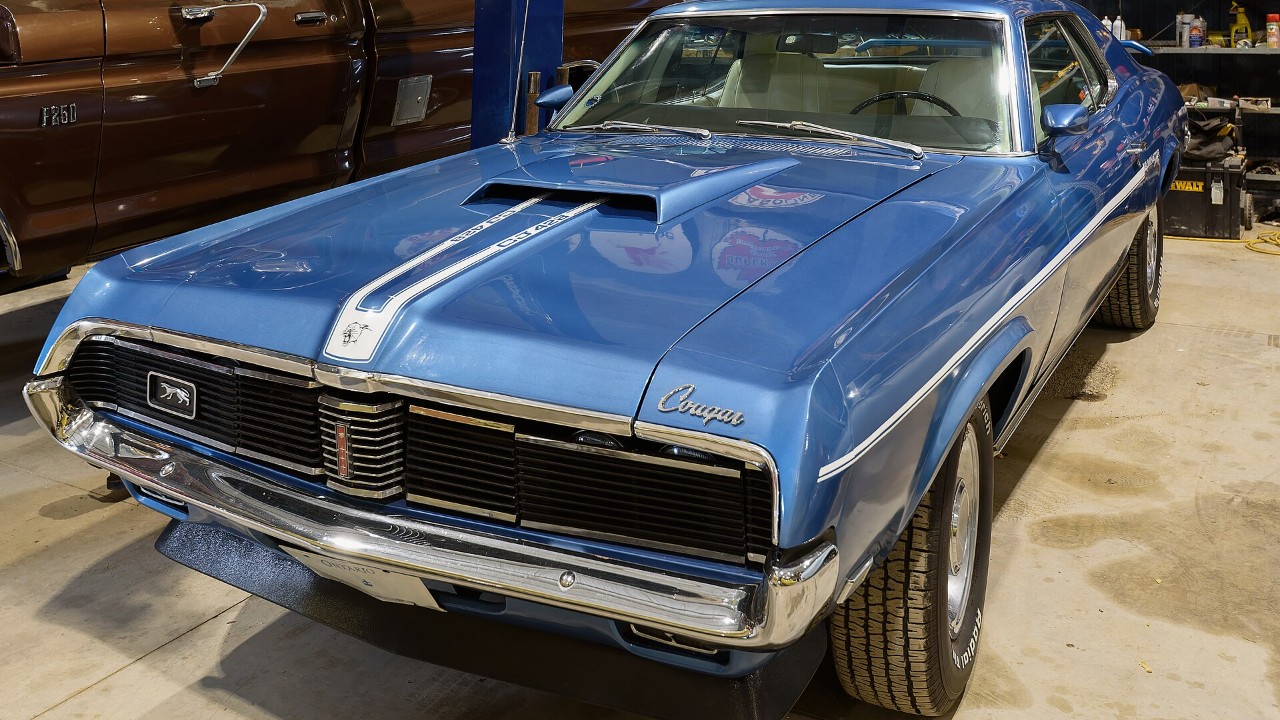
The Mercury Montego MX Brougham quietly gained respect among collectors because it blended large-displacement V8 power with upscale comfort during the early 1970s. Though rarely discussed alongside more famous Ford performance cars, the Montego offered impressive highway cruising ability and distinctive styling. Its relative rarity today has increased interest among enthusiasts looking for overlooked Ford-related classics that stand apart from mainstream muscle-car auction favorites.
Oldsmobile Rallye 350
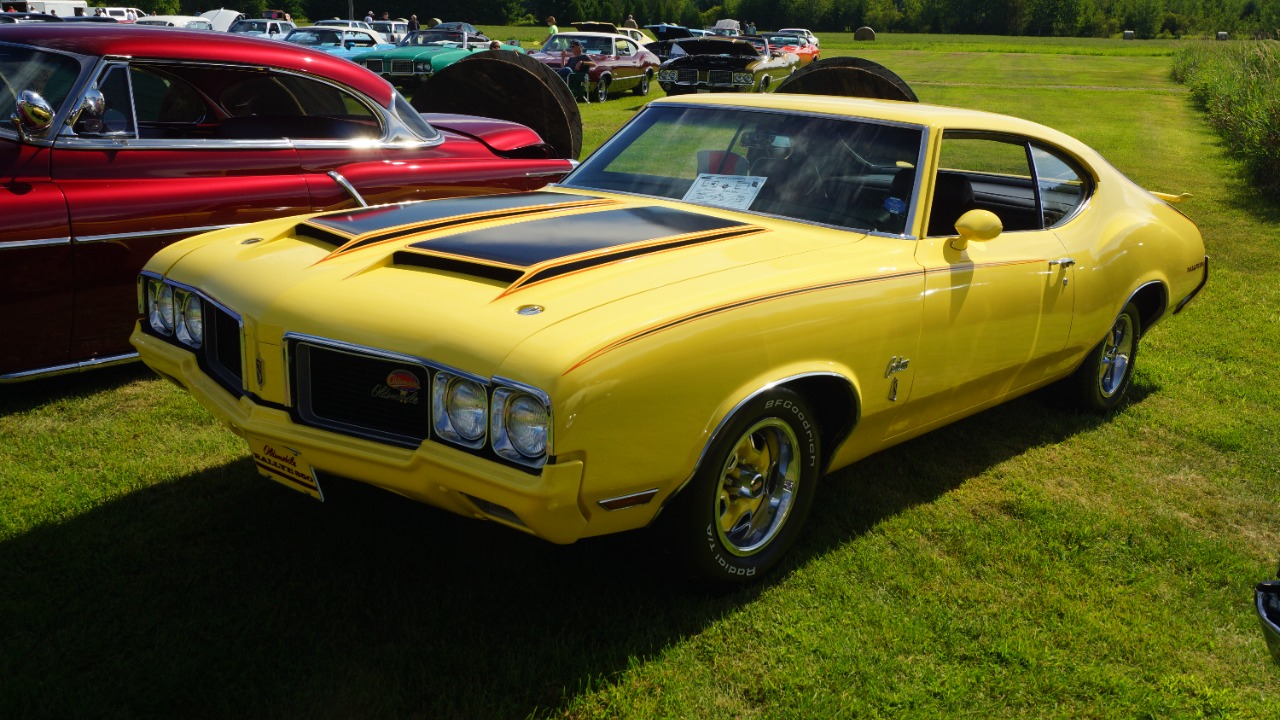
The Oldsmobile Rallye 350 remained underappreciated for years because it arrived during tightening insurance and emissions restrictions that overshadowed many early-1970s performance cars. Its bold yellow paint, matching bumpers, and aggressive graphics gave it a striking appearance unlike almost anything else on the road. While it lacked the massive engines of earlier Oldsmobile muscle machines, collectors now appreciate the Rallye 350 for its unique styling and historical significance during muscle-car transition years.
Chrysler Cordoba 400
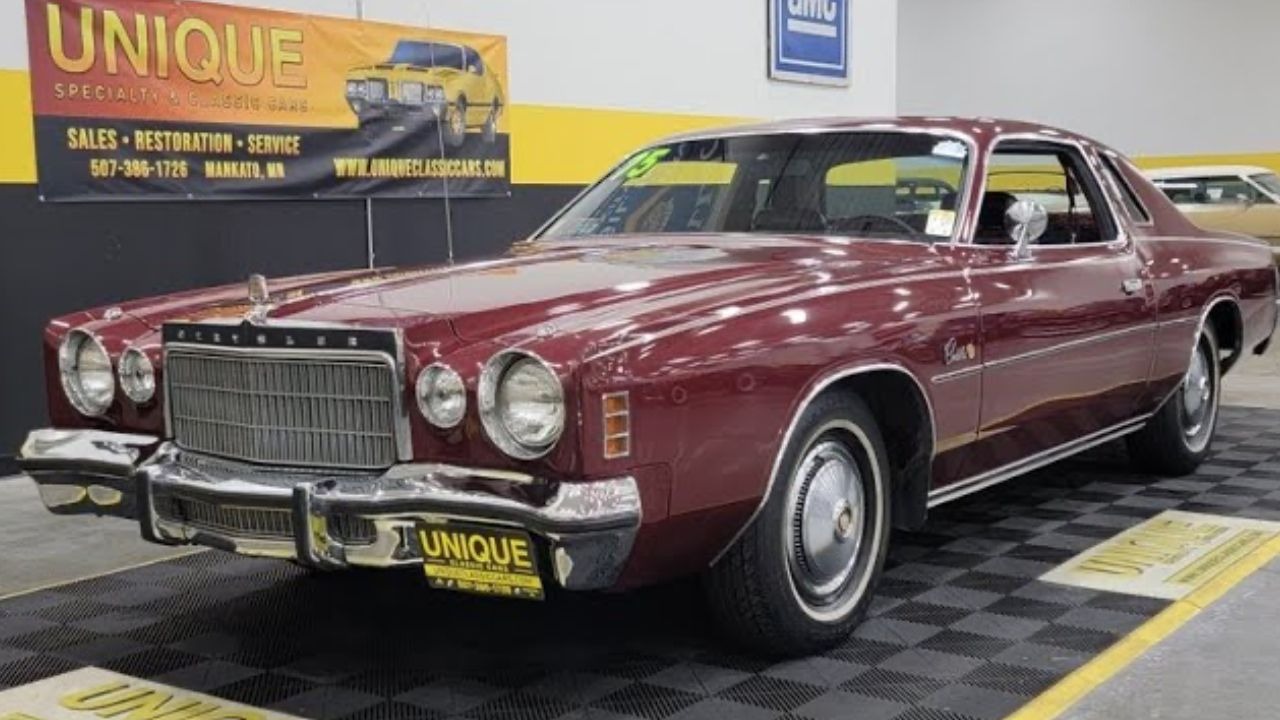
The Chrysler Cordoba 400 slowly developed collector interest because it represented the changing identity of American performance during the late 1970s. Combining V8 power with luxury-focused styling and comfort, the Cordoba appealed to buyers seeking relaxed cruising rather than pure drag-strip dominance. For decades it was dismissed as merely a personal luxury coupe, but enthusiasts now appreciate its unmistakable period styling, smooth road manners, and connection to a unique chapter in Detroit history.
More from Fast Lane Only