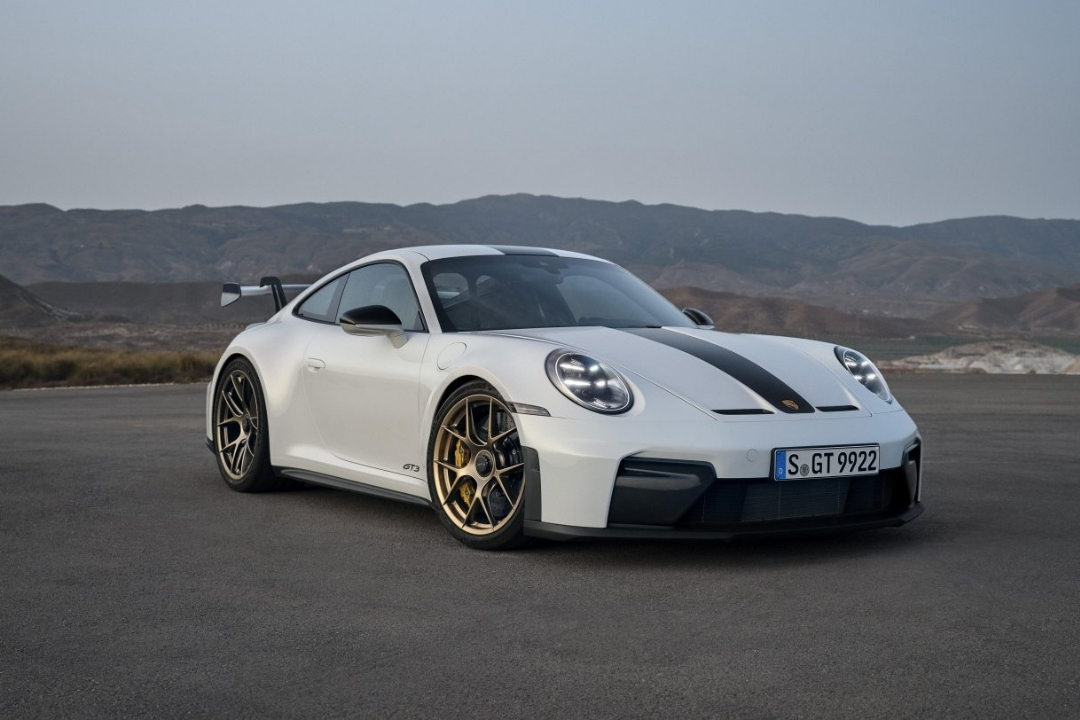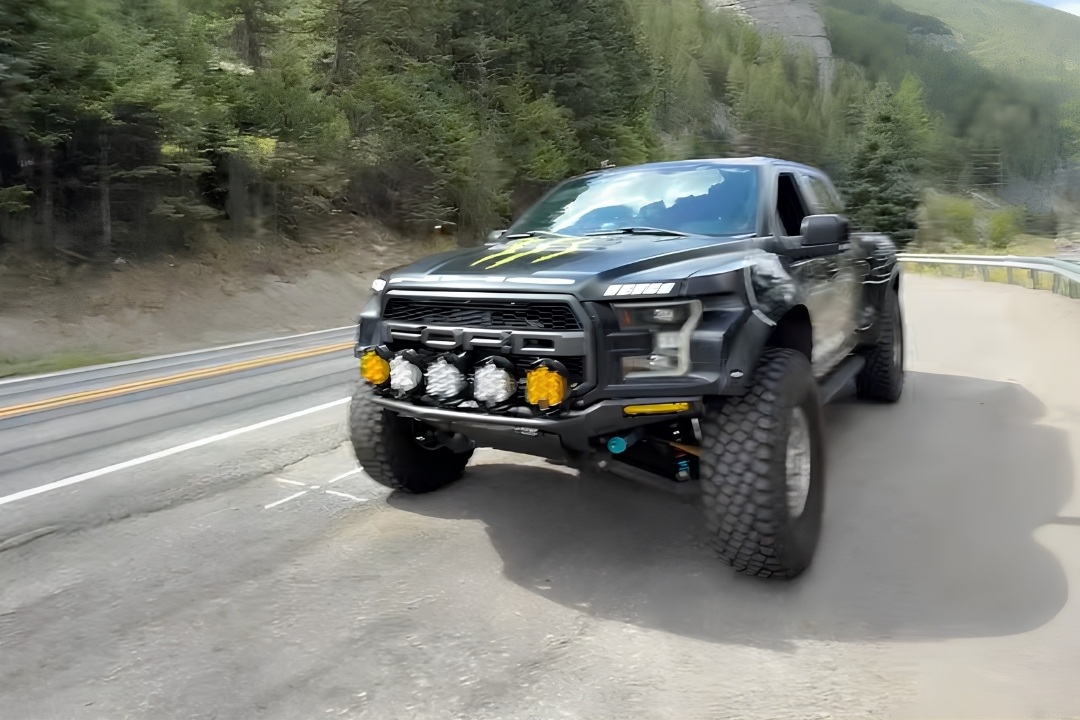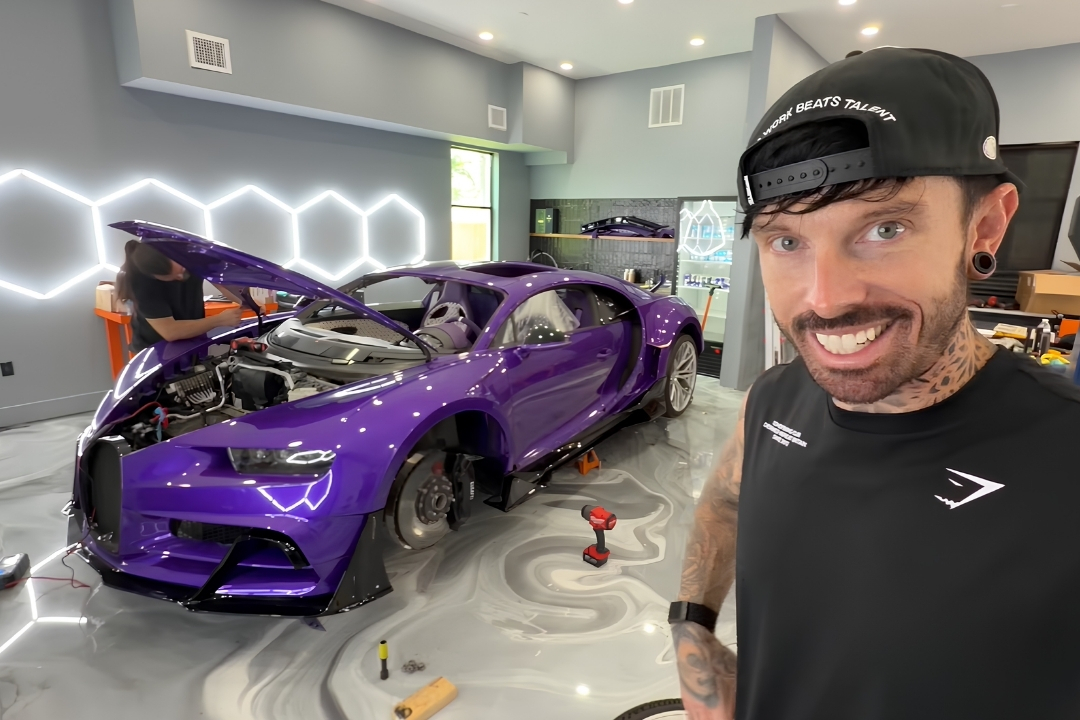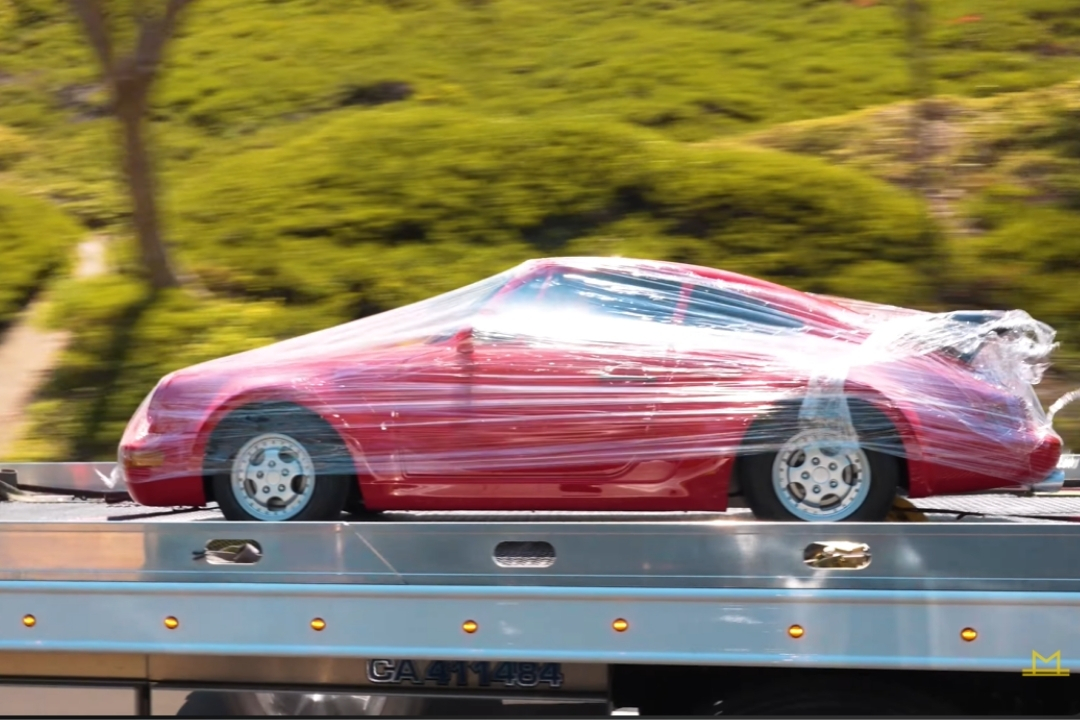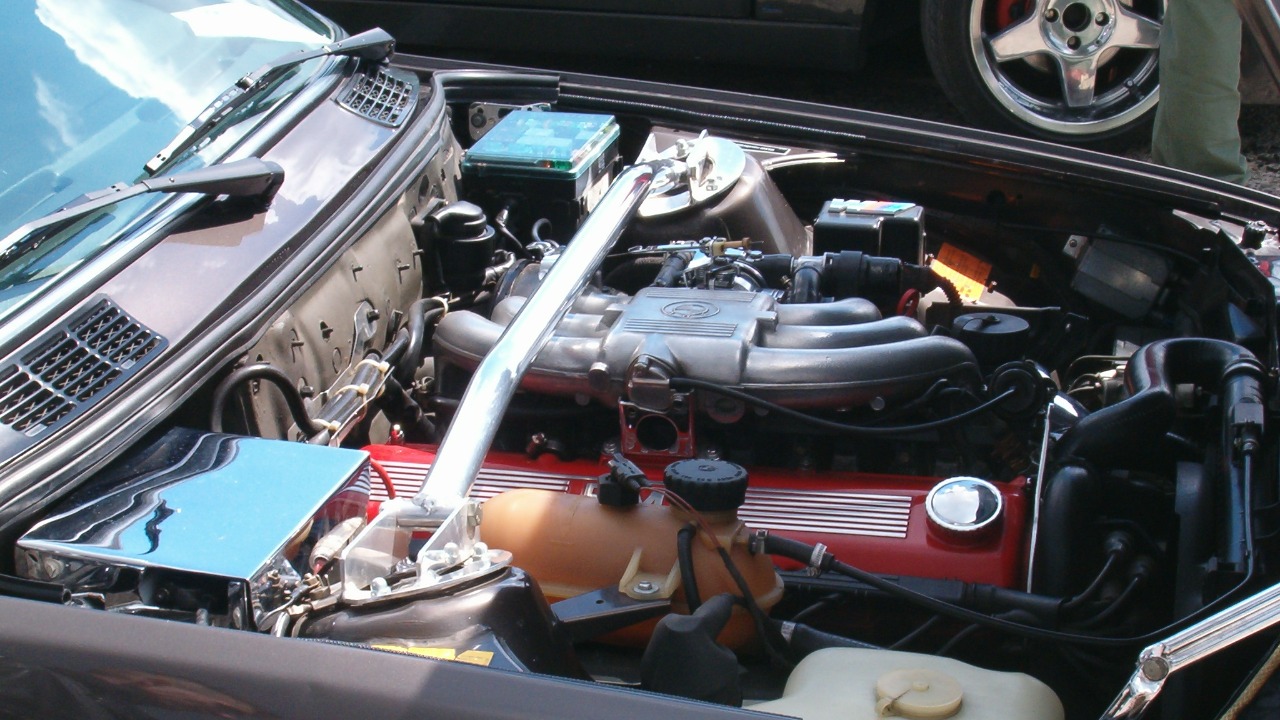
Throughout automotive history, certain engines have redefined what reliability means for car enthusiasts. These engines have not only powered vehicles but have also set benchmarks for durability, efficiency, and performance. From the mass-produced Ford Model T to the unique Mazda Wankel, each engine represents a significant advancement in engineering and design that has changed our perspectives on what we can expect from our vehicles.
The Ford Model T Inline-4
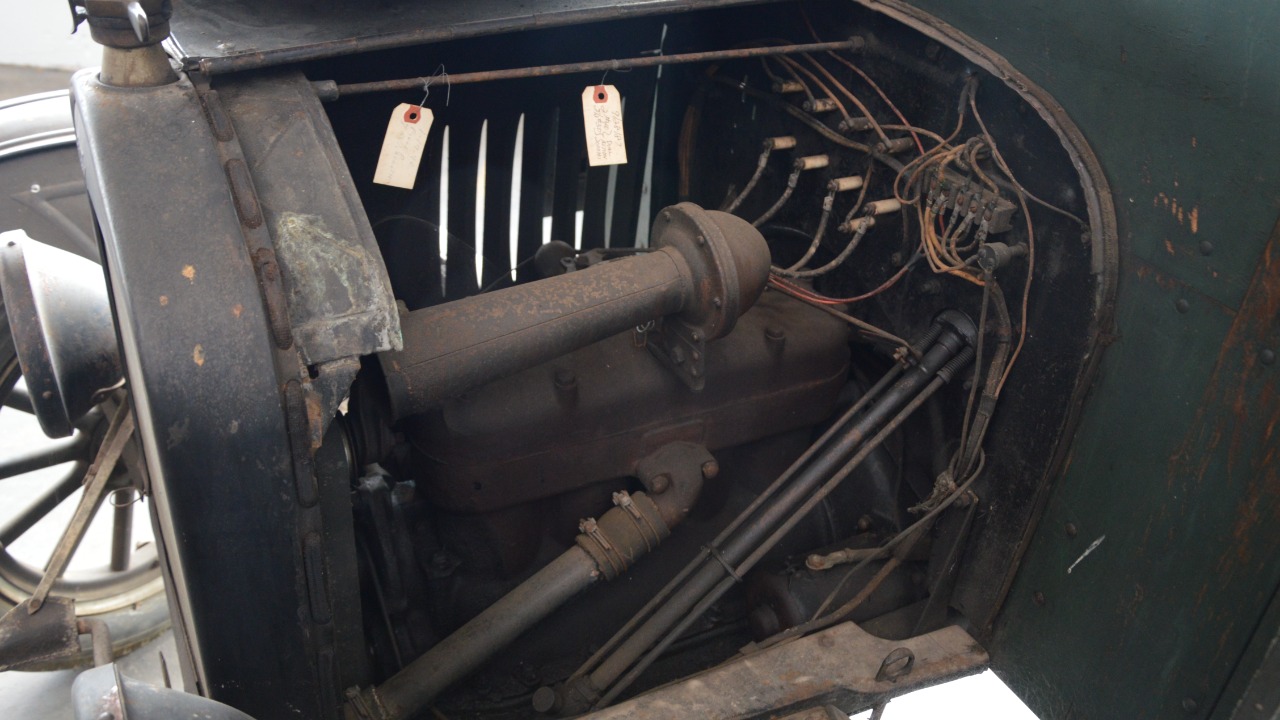
The Ford Model T, powered by a simple yet effective inline-4 engine, revolutionized the automotive industry in the early 20th century. Introduced in 1908, this engine was designed for durability and ease of maintenance, making it accessible for the everyday driver. The simplicity of the design allowed for mass production, which not only reduced costs but also increased reliability. Many owners reported that their Model T could run for hundreds of miles with minimal maintenance. In fact, thanks to its design, the Model T can still be found running today, a testament to Ford’s engineering prowess. This engine set the stage for how reliability would be viewed in the years to come.
The Volkswagen Beetle Air-Cooled Flat-4
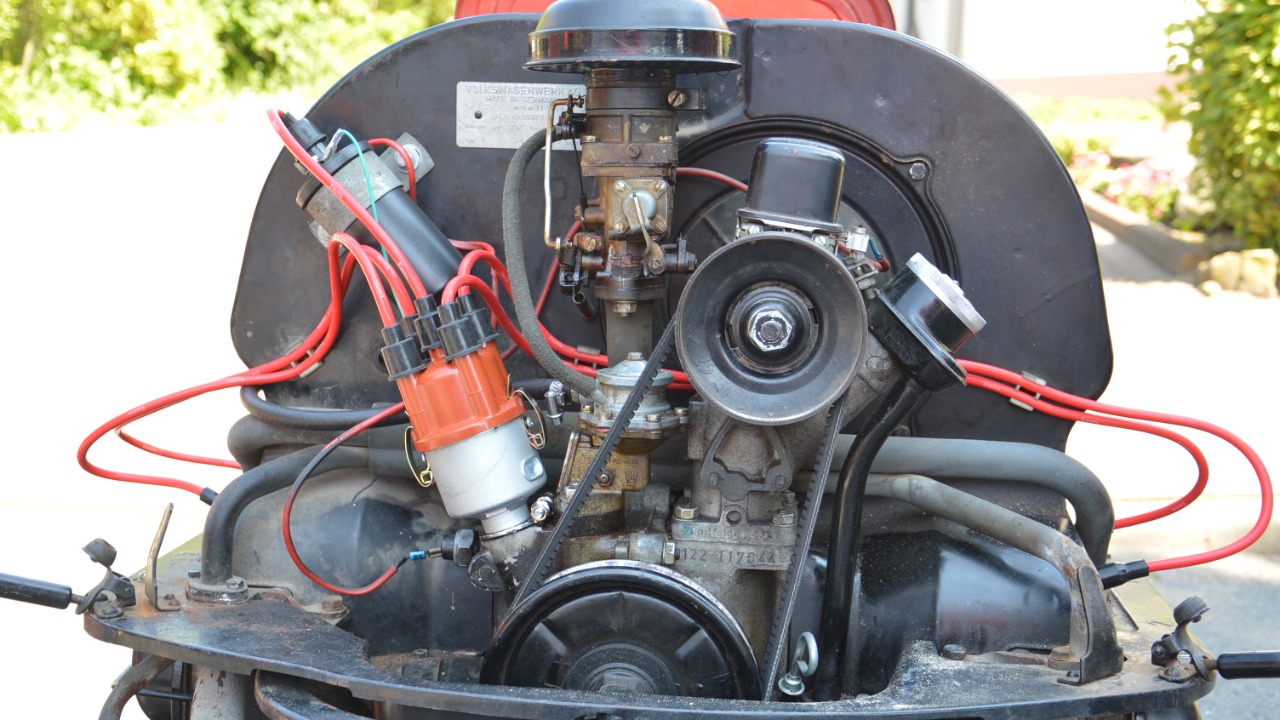
When it debuted in the late 1930s, the Volkswagen Beetle’s air-cooled flat-4 engine was unlike anything else on the market. Designed for simplicity and efficiency, this engine was less prone to overheating than traditional water-cooled designs. The Beetle became a symbol of reliability, with many owners reporting that their cars could easily last over a million miles with proper care. Its unique design meant fewer moving parts, which translated into lower maintenance costs and greater longevity. The air-cooled engine has become iconic, making the Beetle not just a car, but a cultural phenomenon. You can learn more about the Beetle’s impact on automotive design in this detailed overview.
The Honda Civic D-Series
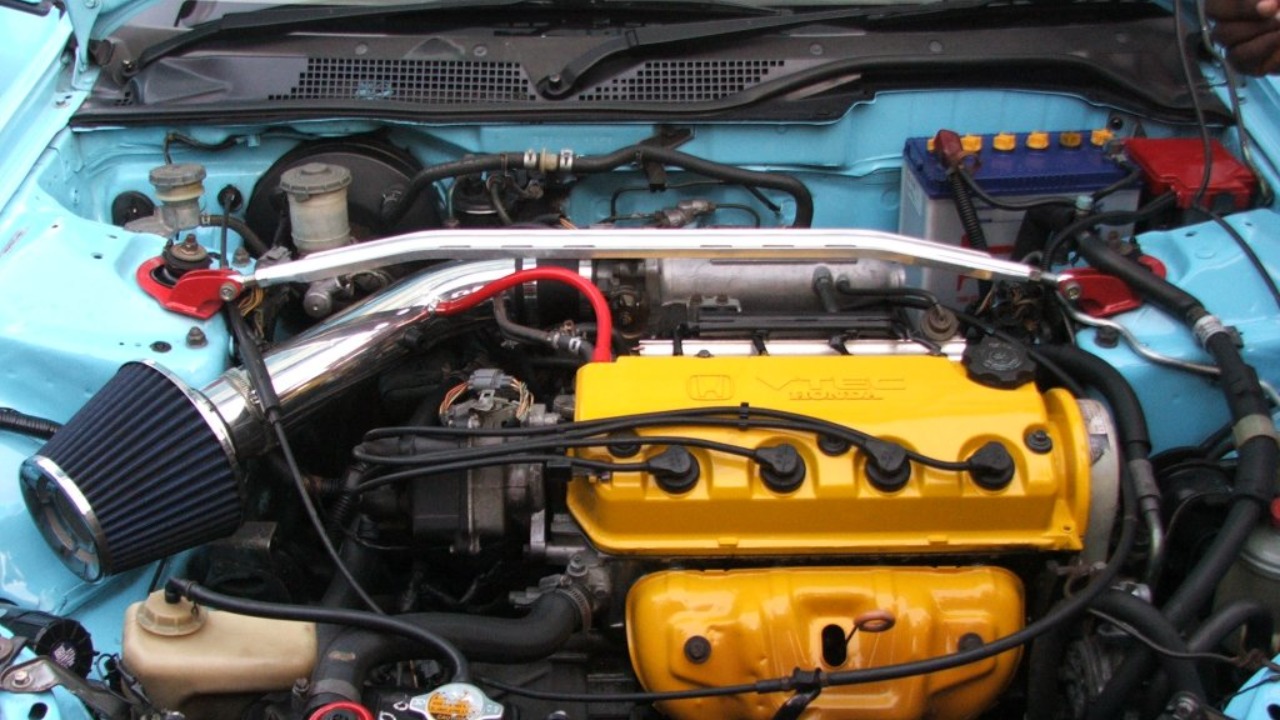
The Honda Civic D-Series engines, introduced in the early 1980s, played a crucial role in the evolution of compact cars. Known for their robustness and efficiency, these engines became a favorite among enthusiasts and everyday drivers alike. The D-Series offered a perfect blend of performance and reliability, with models like the 1992 Civic Si showcasing tunability and endurance. With proper maintenance, these engines have been known to exceed 300,000 miles, making them a benchmark for reliability in their class. The D-Series also laid the groundwork for future Honda innovations, proving that small engines could deliver big performance without sacrificing longevity.
The Toyota 22R Inline-4
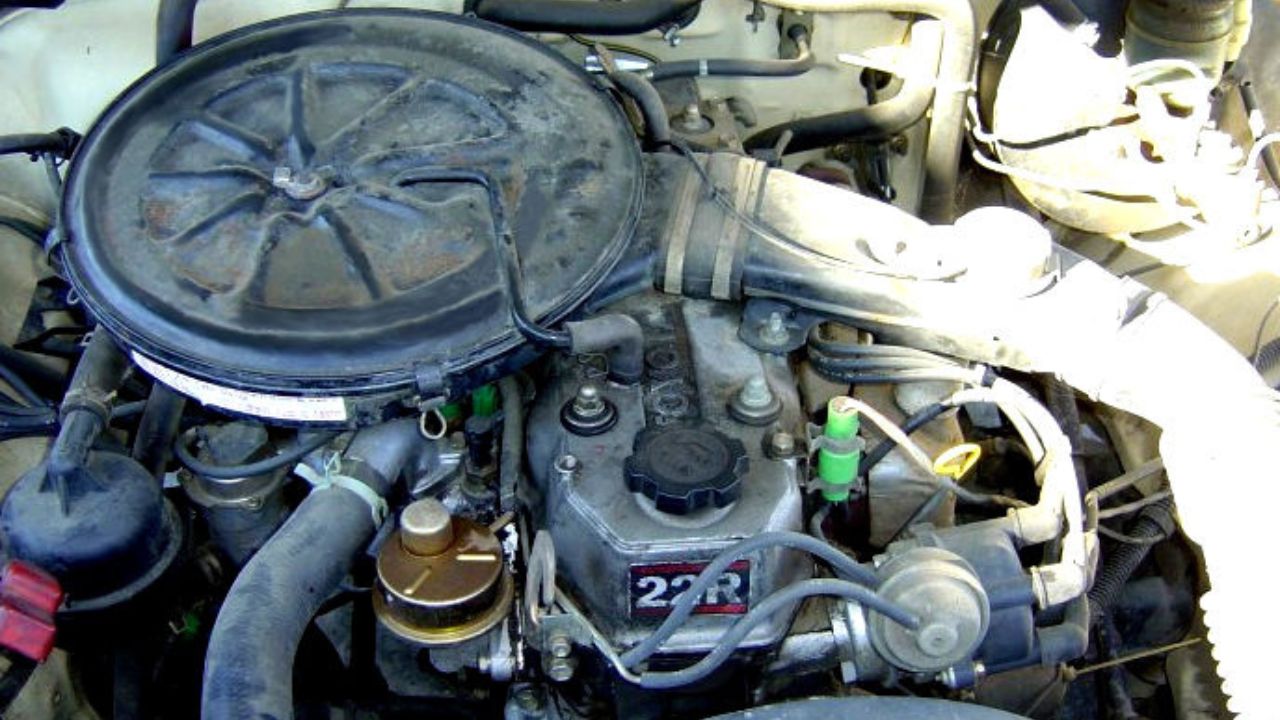
The Toyota 22R inline-4 engine, introduced in the late 1970s, has become legendary among truck enthusiasts. Known for its ruggedness and reliability, this engine powered vehicles like the Toyota Pickup and 4Runner. Its simple design allowed for easy repairs and maintenance, which contributed to its reputation for longevity. Many 22R engines are still running strong after more than three decades, with some vehicles clocking over 500,000 miles. The 22R’s reliability has made it a popular choice for those who modify or restore classic Toyotas, solidifying its status as a cornerstone of Toyota’s legacy in reliability.
The Subaru EJ Series Flat-4
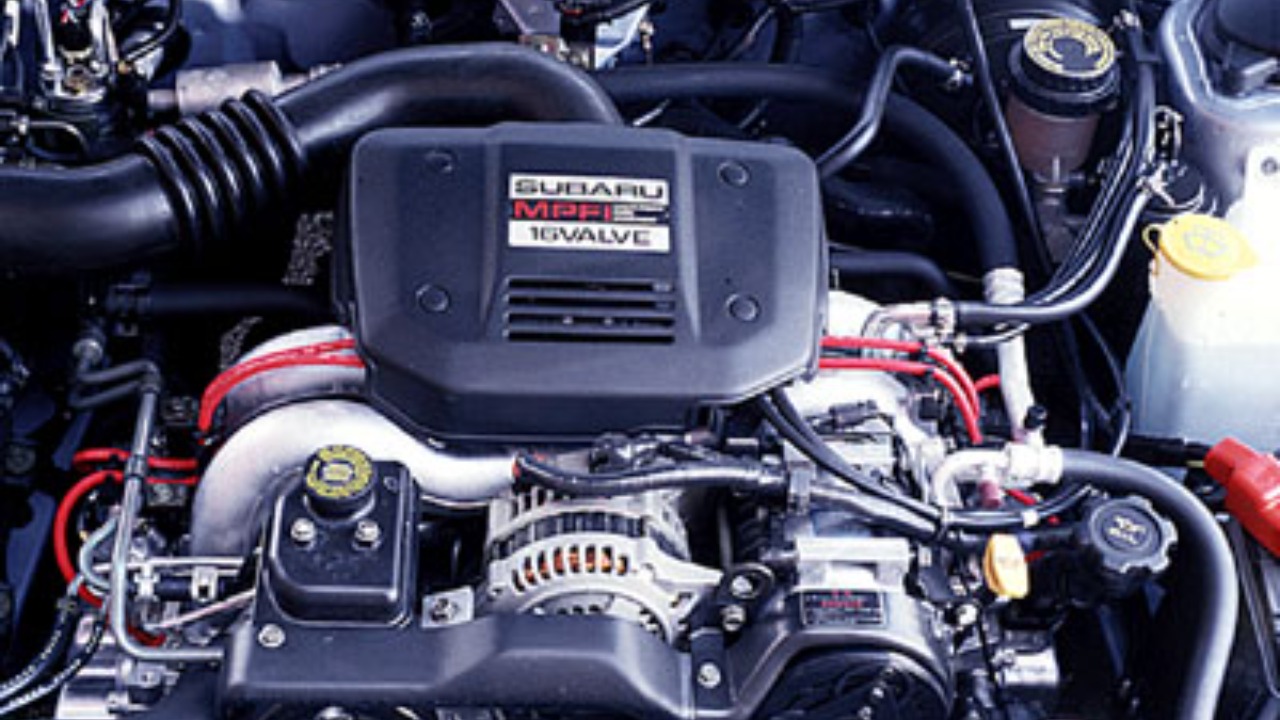
The Subaru EJ series flat-4 engine has gained a loyal following since its introduction in the 1980s. Known for its unique horizontally opposed design, the EJ series is celebrated for its low center of gravity, which enhances vehicle stability. This engine has powered a variety of Subaru models, notably the Outback and Forester, and has been praised for its durability and all-weather reliability. With proper care, many EJ engines can easily surpass 200,000 miles. Subaru’s commitment to building reliable engines has made the EJ series a favorite among adventurers and outdoor enthusiasts who demand performance in challenging conditions.
The BMW M20 Inline-6
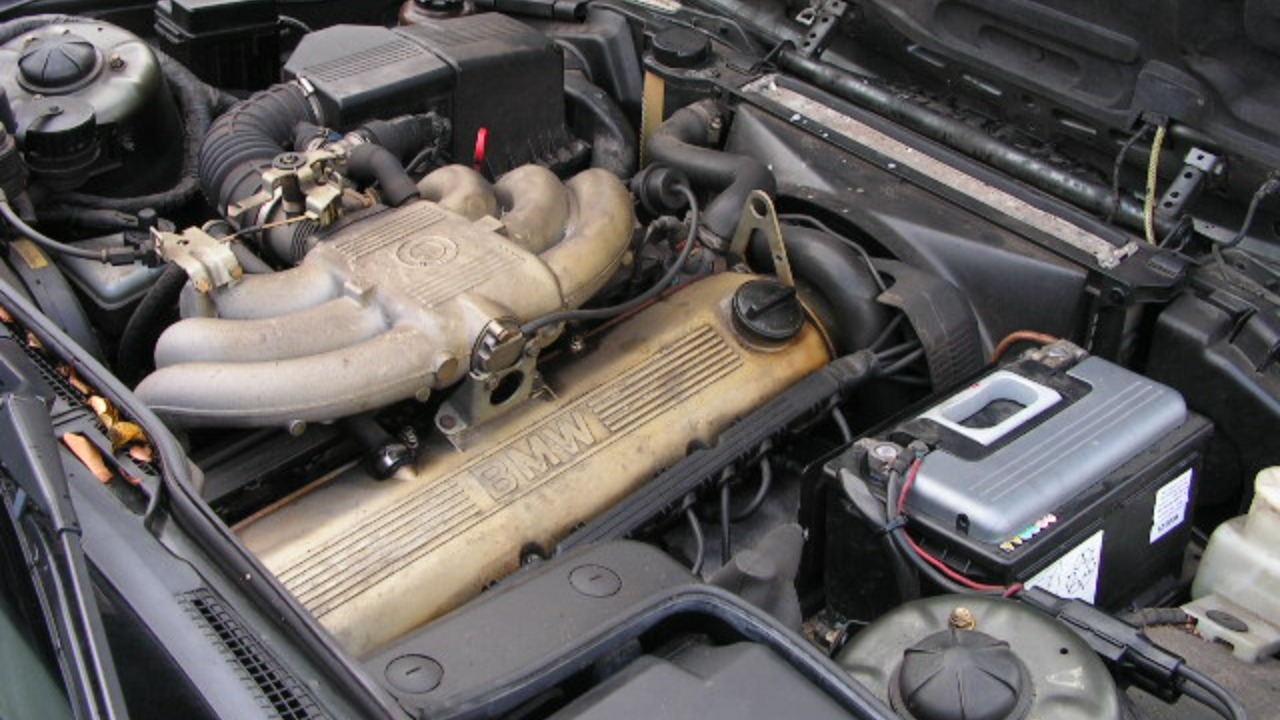
The BMW M20 inline-6 engine, produced from the late 1970s to the early 1990s, is a prime example of German engineering excellence. Known for its smooth operation and impressive reliability, the M20 powered models like the BMW 320i and 325i. Enthusiasts appreciate its robust construction and ability to be easily modified for increased performance. Many owners report that with regular maintenance, M20 engines can last well beyond 300,000 miles. This engine has not only contributed to BMW’s reputation for performance but has also set a high standard for reliability in the luxury segment of the automotive market.
The Mercedes-Benz OM617 Diesel
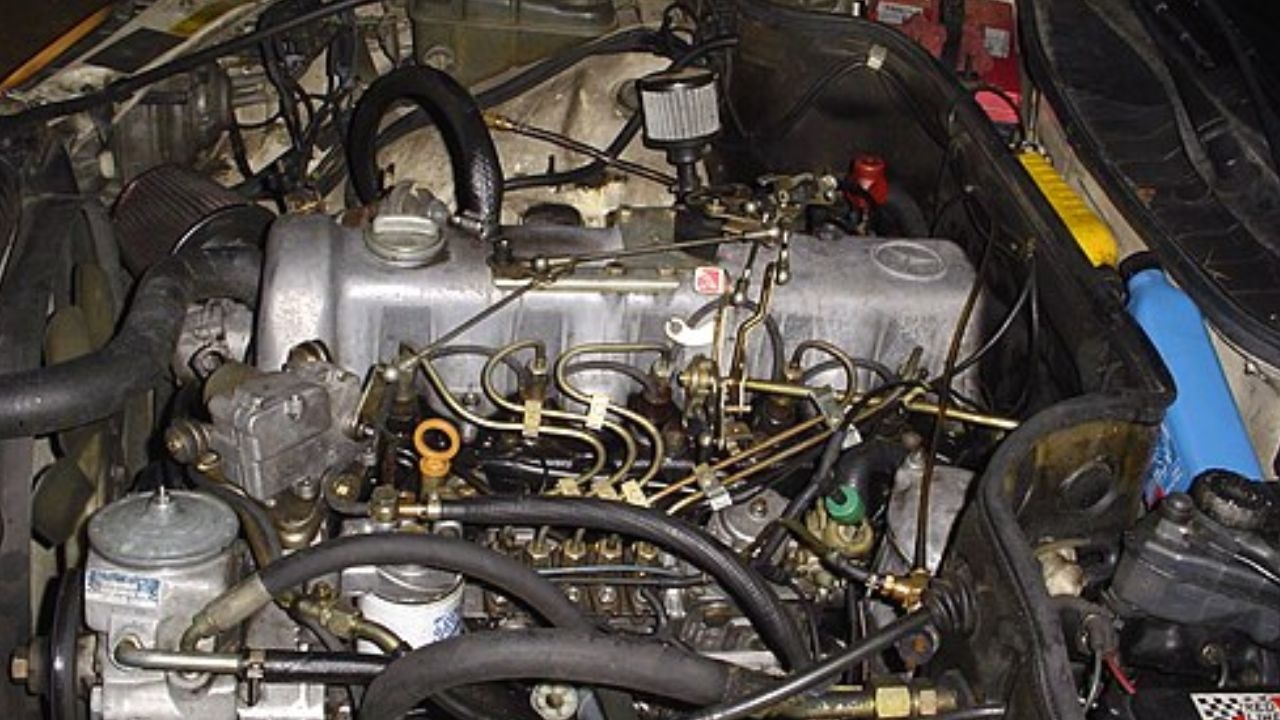
The Mercedes-Benz OM617 diesel engine, produced from the 1970s to the early 1990s, is renowned for its bulletproof reliability. This engine powered iconic models such as the 240D and 300D, and it became a favorite among long-distance drivers and taxi operators. With a reputation for exceeding 500,000 miles when properly maintained, the OM617 was built to last. Its simplicity and robust design meant fewer components that could fail. The engine’s durability has made it a popular choice for conversions and modifications, ensuring that it remains a respected contender in the diesel engine community.
The Chevrolet LS V8
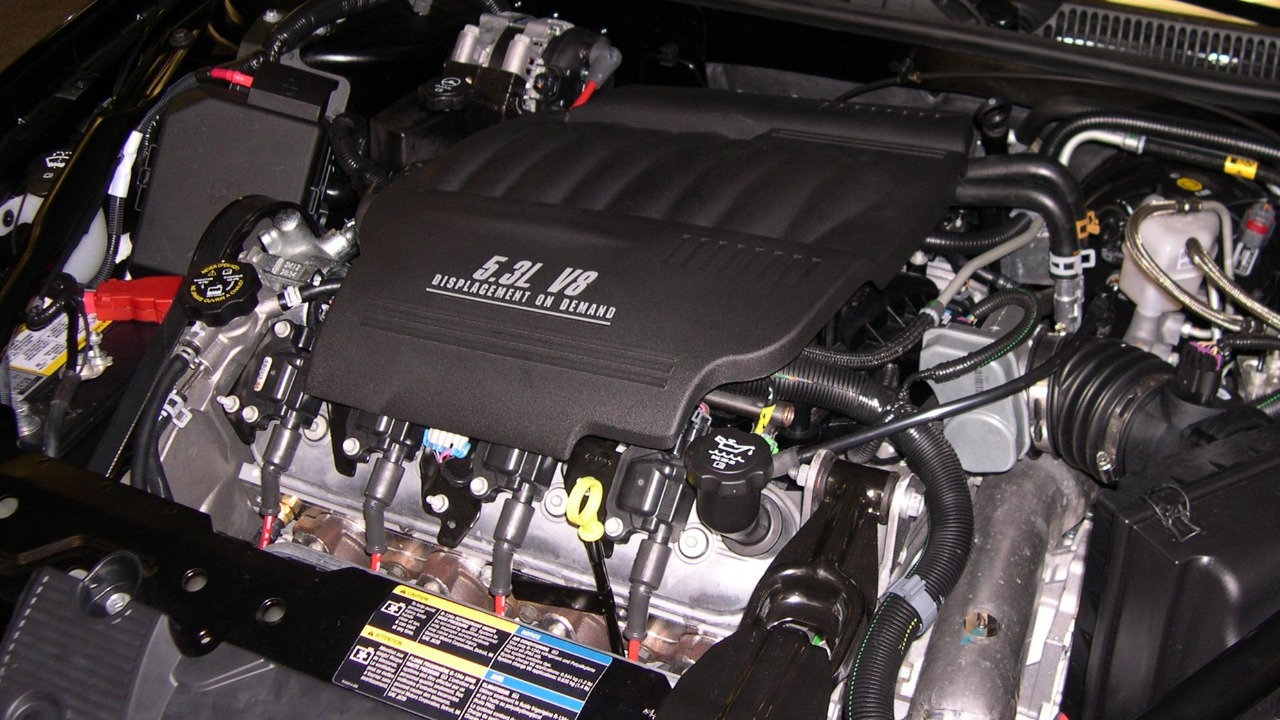
The Chevrolet LS V8 engine, introduced in 1997, has earned its place as one of the most reliable and versatile engines in automotive history. Known for its lightweight aluminum construction and powerful performance, the LS engine family has powered everything from sports cars to trucks. Enthusiasts appreciate its durability, with many LS engines easily surpassing 200,000 miles without major issues. The LS engine’s design allows for easy swaps into various vehicles, making it a favorite for custom builds and modifications. Its reliability and performance have made it a staple in the automotive aftermarket and racing scenes.
The Nissan RB26DETT Inline-6
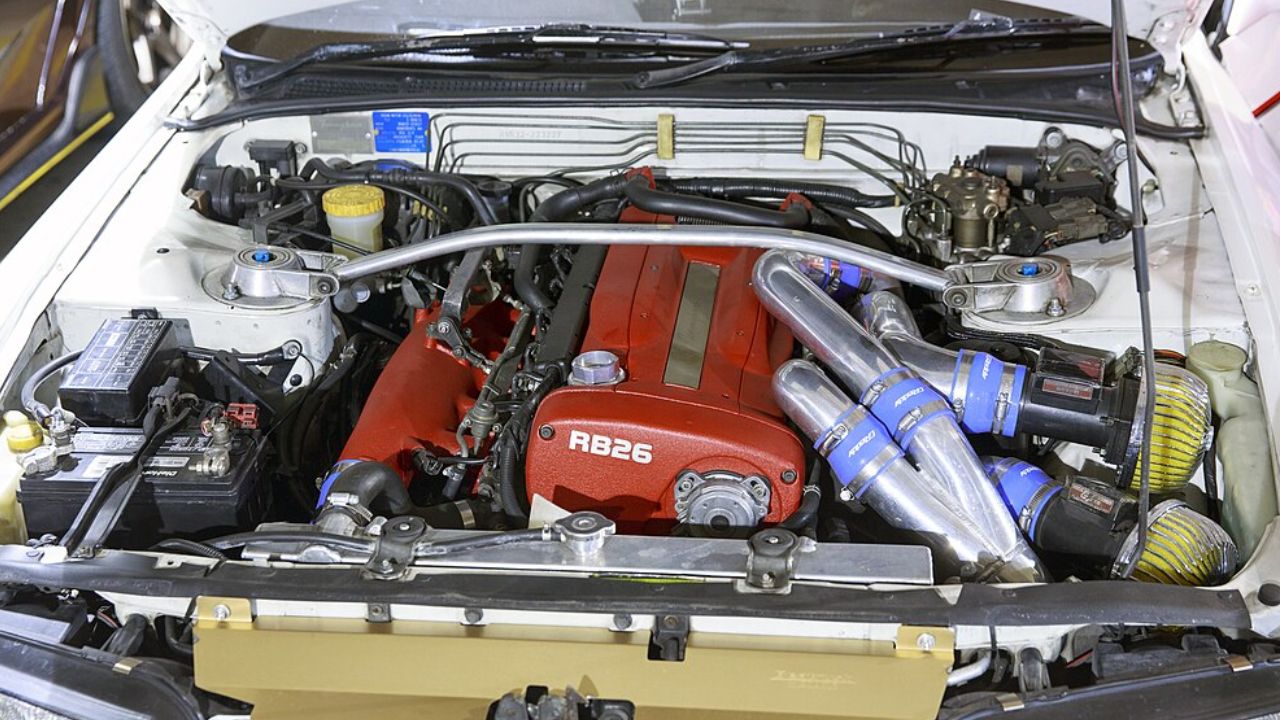
The Nissan RB26DETT inline-6 engine is a legend in the world of performance and reliability. Introduced in the late 1980s, this twin-turbocharged engine powered the iconic Nissan Skyline GT-R. Its robust construction and ability to handle high power outputs without sacrificing reliability have made it a favorite among tuners and racers. Many RB26DETT engines have been known to last well beyond 200,000 miles, even under extreme driving conditions. The engine’s impressive performance capabilities, combined with its reliability, have solidified its status as an icon in the automotive world, inspiring countless enthusiasts.
The Mazda Wankel Rotary Engine
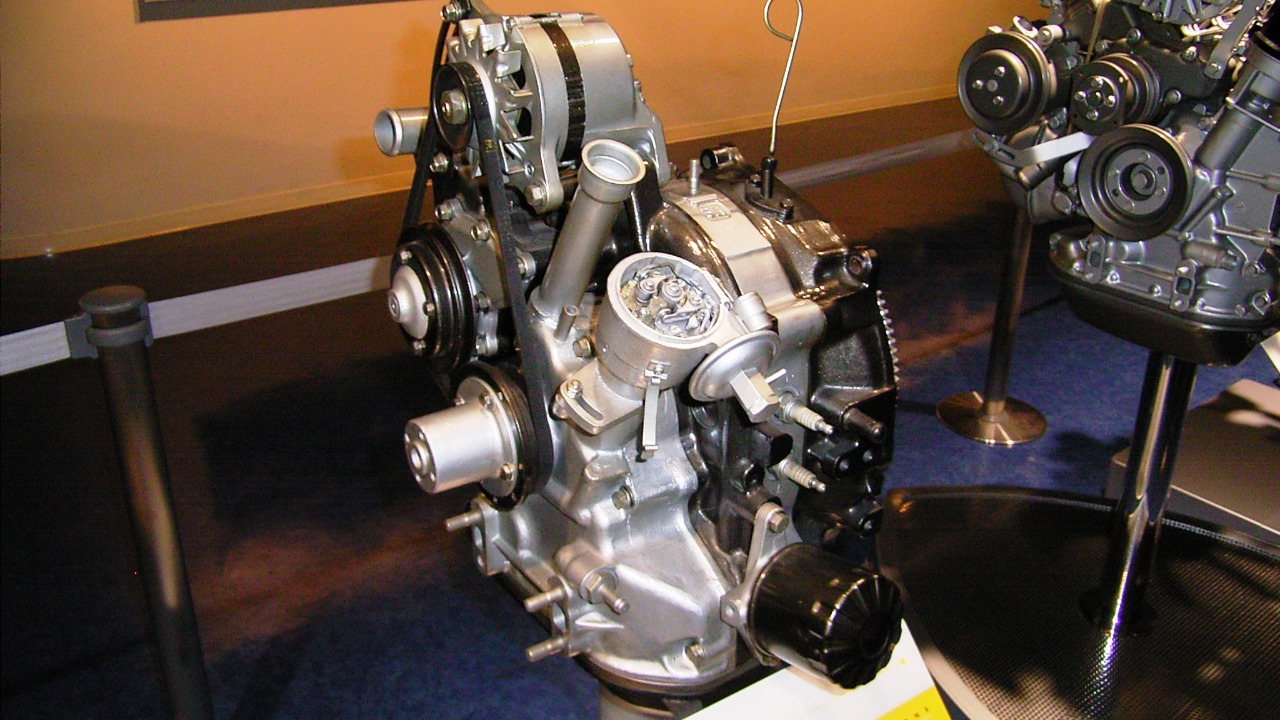
The Mazda Wankel rotary engine, first introduced in the 1960s, offers a unique take on engine design and reliability. Unlike traditional piston engines, the rotary engine’s compact design allows for fewer moving parts, which can lead to lower maintenance costs. The most famous application, the Mazda RX-7, showcased the rotary engine’s performance potential and lightweight characteristics. While it has a reputation for being less durable than piston engines, many enthusiasts have found that with proper care, rotary engines can be surprisingly reliable. The Wankel engine has carved out a niche in automotive history for its innovation and distinct engineering.
More from Fast Lane Only
- Unboxing the WWII Jeep in a Crate
- 15 rare Chevys collectors are quietly buying
- 10 underrated V8s still worth hunting down
- Police notice this before you even roll window down
*Research for this article included AI assistance, with all final content reviewed by human editors.