Throughout automotive history, certain engines have stood out for their innovation and performance, often feeling more advanced than the period in which they were created. These engines pushed the boundaries of technology, setting new standards in their respective categories. Here’s a closer look at ten remarkable engines that reshaped our understanding of power and efficiency.
The Ford Flathead V8 (1932)
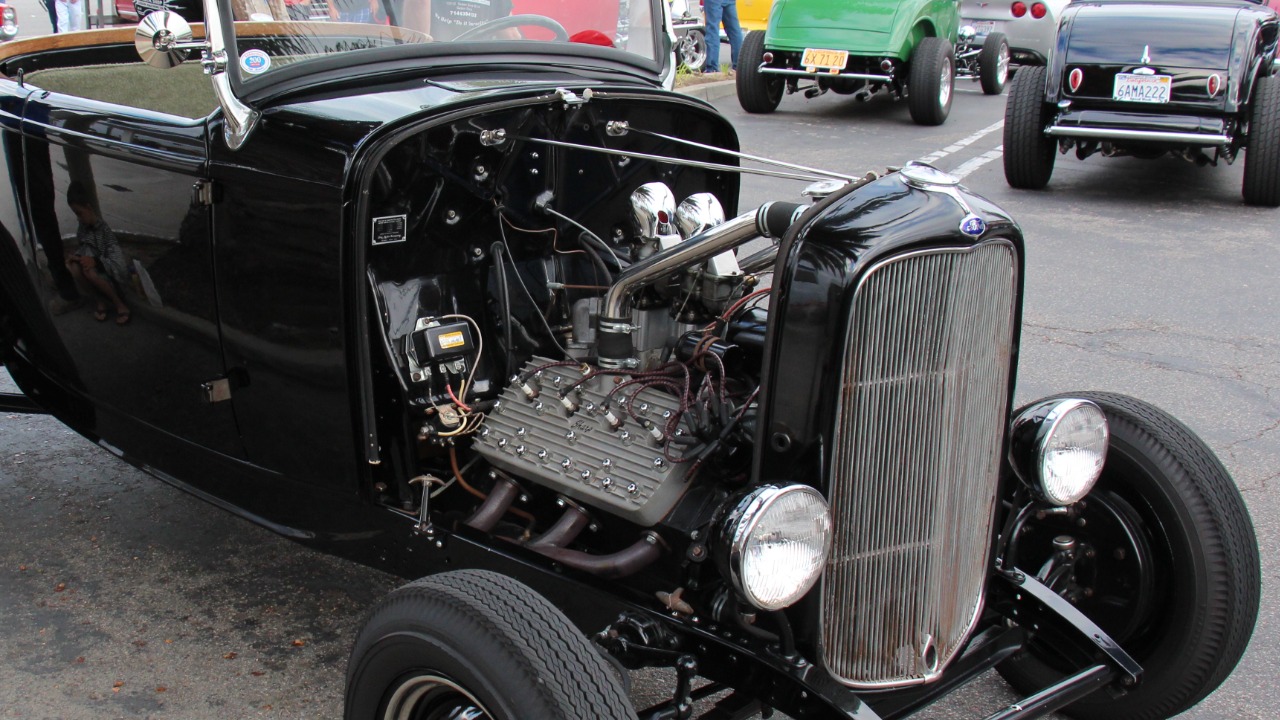
The Ford Flathead V8 revolutionized the automotive landscape when it debuted in 1932. It was one of the first mass-produced V8 engines, offering a powerful 65 horsepower in a compact design. This engine made V8 performance accessible to the average consumer, spurring the popularity of hot rods and custom builds in the following decades. Its simple design and low production costs contributed to its widespread adoption.
Furthermore, the Flathead V8’s design allowed for easy modifications, making it a favorite among automotive enthusiasts. Its impact can still be felt today, as it laid the groundwork for future V8 engines and helped cement Ford’s reputation for performance. The Flathead’s legacy is a testament to how engineering foresight can create a lasting influence.
The Mercedes-Benz W196 Formula 1 Engine (1954)
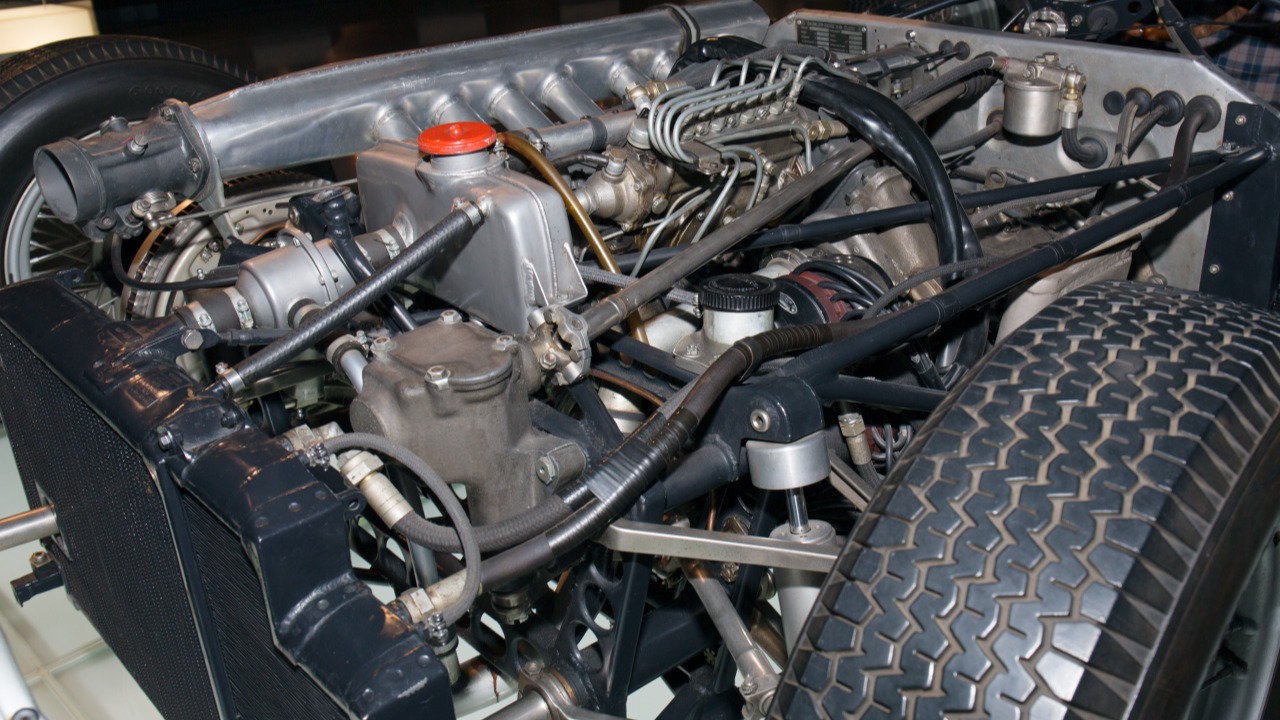
The Mercedes-Benz W196 engine, introduced in 1954, was a marvel of engineering that dominated Formula 1 racing. With its innovative design featuring direct fuel injection and a lightweight configuration, it produced an astounding 256 horsepower from just 2.5 liters. This engine was a game-changer, allowing drivers like Juan Manuel Fangio to achieve unprecedented speeds on the racetrack.
Its advanced engineering not only improved performance but also showcased the potential of race technology in commercial vehicles. The W196 set the stage for future innovations in turbocharging and fuel efficiency, proving that the combination of speed and reliability could be achieved. Mercedes’ commitment to engineering excellence is evident in this remarkable engine.
The Porsche 917 Flat-12 (1969)
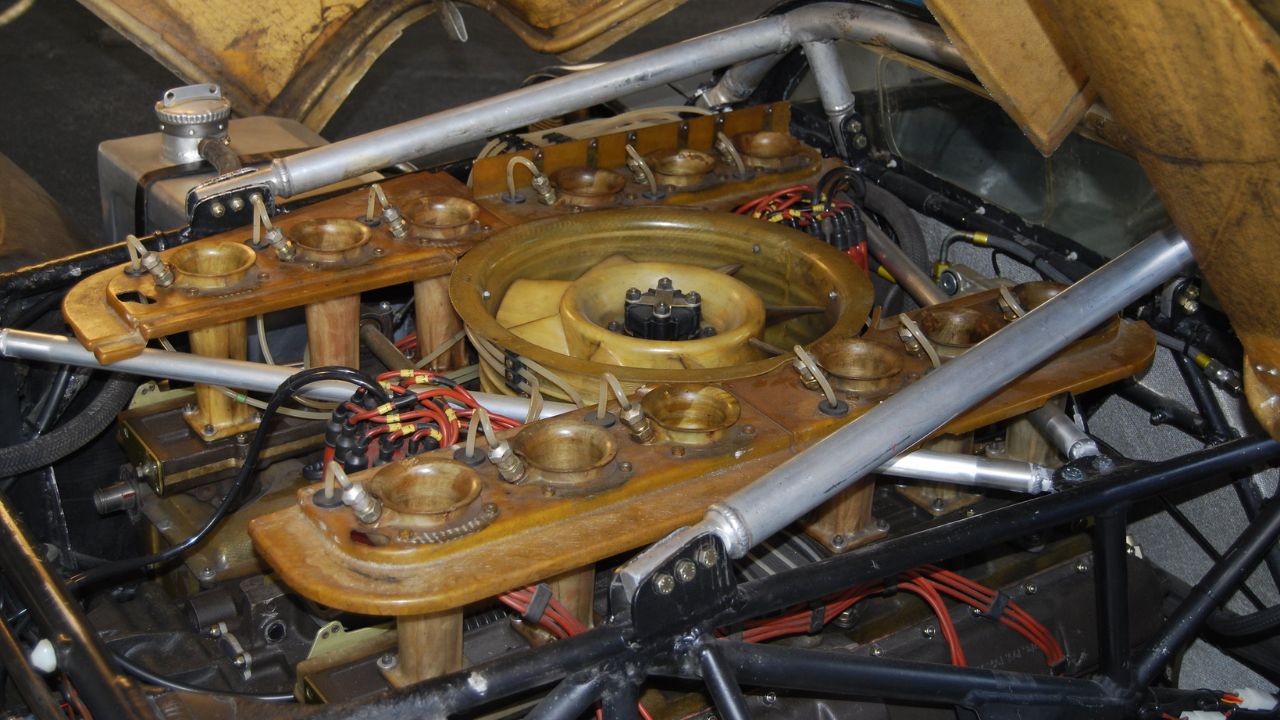
The Porsche 917 Flat-12 engine, introduced in 1969, was a significant leap forward in racing technology. Its innovative flat-12 configuration allowed for a low center of gravity, improving handling and stability. The engine produced up to 630 horsepower, enabling the 917 to dominate endurance racing, including the iconic 24 Hours of Le Mans.
Porsche’s use of lightweight materials and advanced aerodynamics made the 917 a standout competitor. The Flat-12’s design principles continue to influence modern supercars, showcasing Porsche’s knack for blending performance with practicality. The 917’s legacy is a testament to how bold engineering choices can yield extraordinary results on the track.
The BMW M88 (1978)
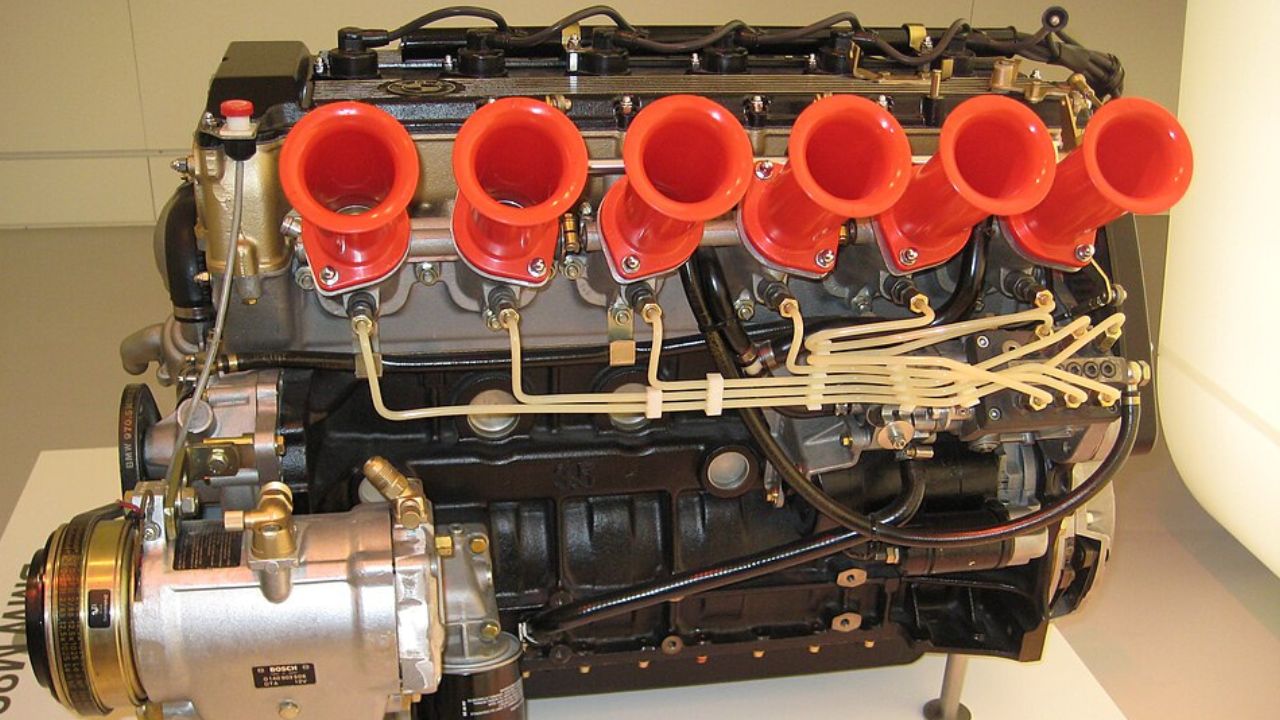
Image Credit: Buschtrommler – CC-BY-SA-3.0,2.5,2.0,1.0/ Wiki Commons
The BMW M88, launched in 1978, is often regarded as a pioneering engine in the realm of performance vehicles. This inline-six engine was first used in the BMW M1, the brand’s first supercar, and produced 277 horsepower. What set the M88 apart was its sophisticated engineering, including features such as a DOHC design and individual throttle bodies, which maximized power and response.
Its robust performance and high-revving capabilities made it a favorite among racing enthusiasts and helped establish BMW’s M division as a powerhouse in motorsport. The M88 laid the groundwork for future BMW engines, showcasing the potential of engineering excellence and performance-oriented design in production vehicles.
The Honda RA168E (1988)
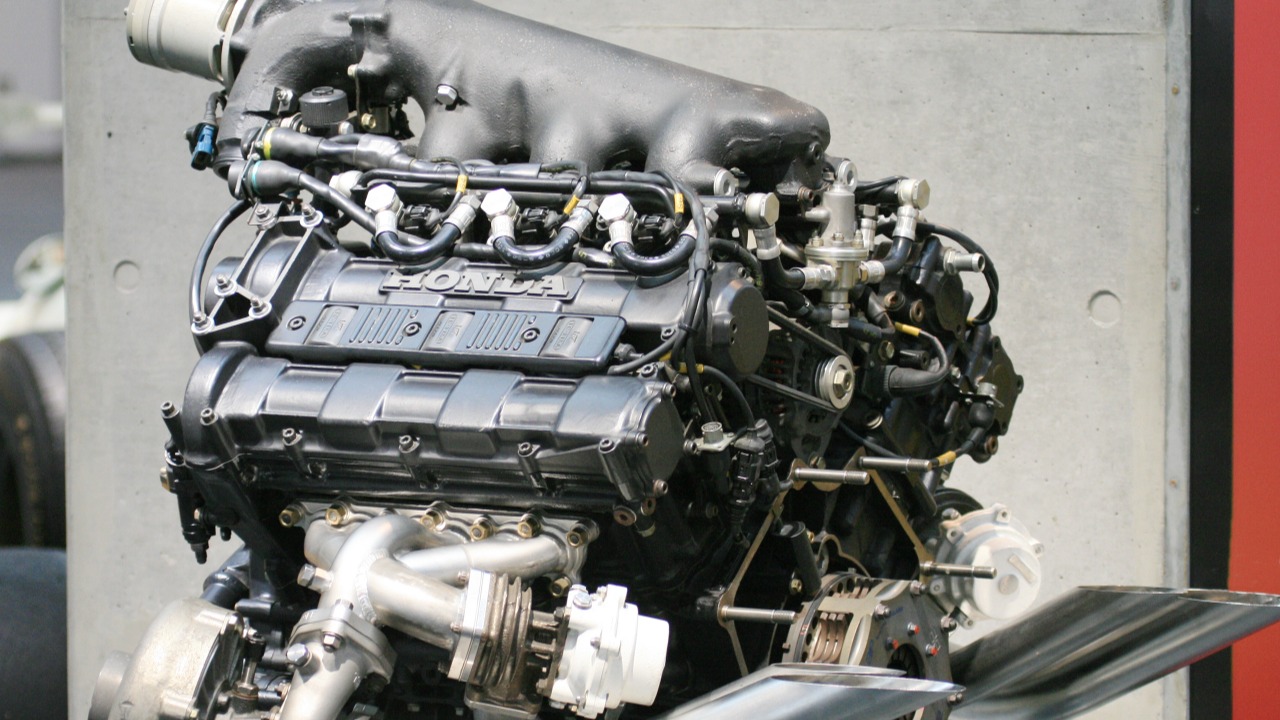
Honda’s RA168E engine, introduced in 1988, was a groundbreaking piece of technology that showcased the brand’s commitment to innovation. This turbocharged V6 engine produced an impressive 650 horsepower and was revered for its reliability and performance in Formula 1. The RA168E featured advanced engineering techniques, including variable valve timing, which enhanced efficiency and power delivery.
The engine played a crucial role in Honda’s success during the late 1980s, contributing to multiple championships. Its legacy continues to influence Honda’s engineering philosophy, demonstrating the impact of racing technology on consumer vehicles. The RA168E remains a key milestone in the evolution of high-performance engines.
The Cosworth DFV (1967)
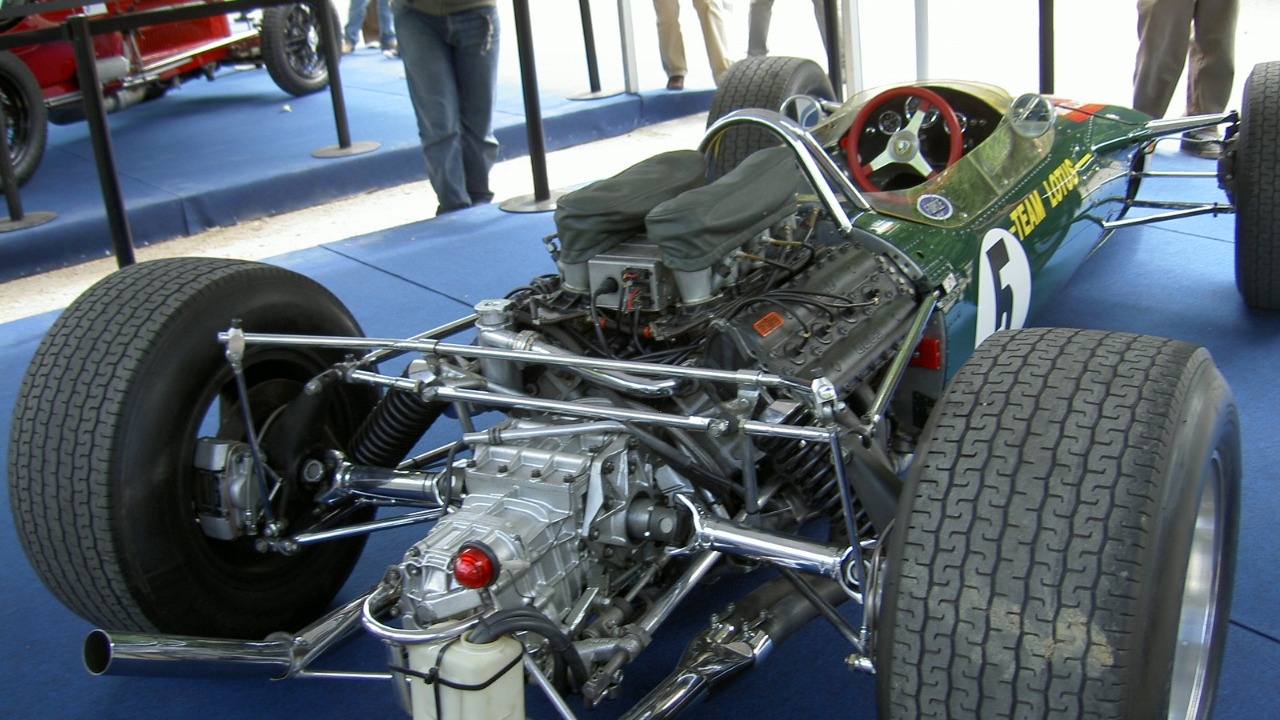
The Cosworth DFV, launched in 1967, was a revolutionary engine that changed the face of Formula 1 racing. This 3.0-liter V8 engine was the first to be designed specifically for the sport and produced around 400 horsepower. Its lightweight design and impressive power-to-weight ratio made it a favorite among racing teams, leading to numerous wins throughout the late 1960s and 1970s.
Its modular design allowed teams to easily modify and adapt the engine to suit their needs, contributing to its widespread adoption. The DFV’s success not only established Cosworth as a leading manufacturer in motorsport but also set the stage for future developments in racing technology.
The Toyota 2JZ-GTE (1991)
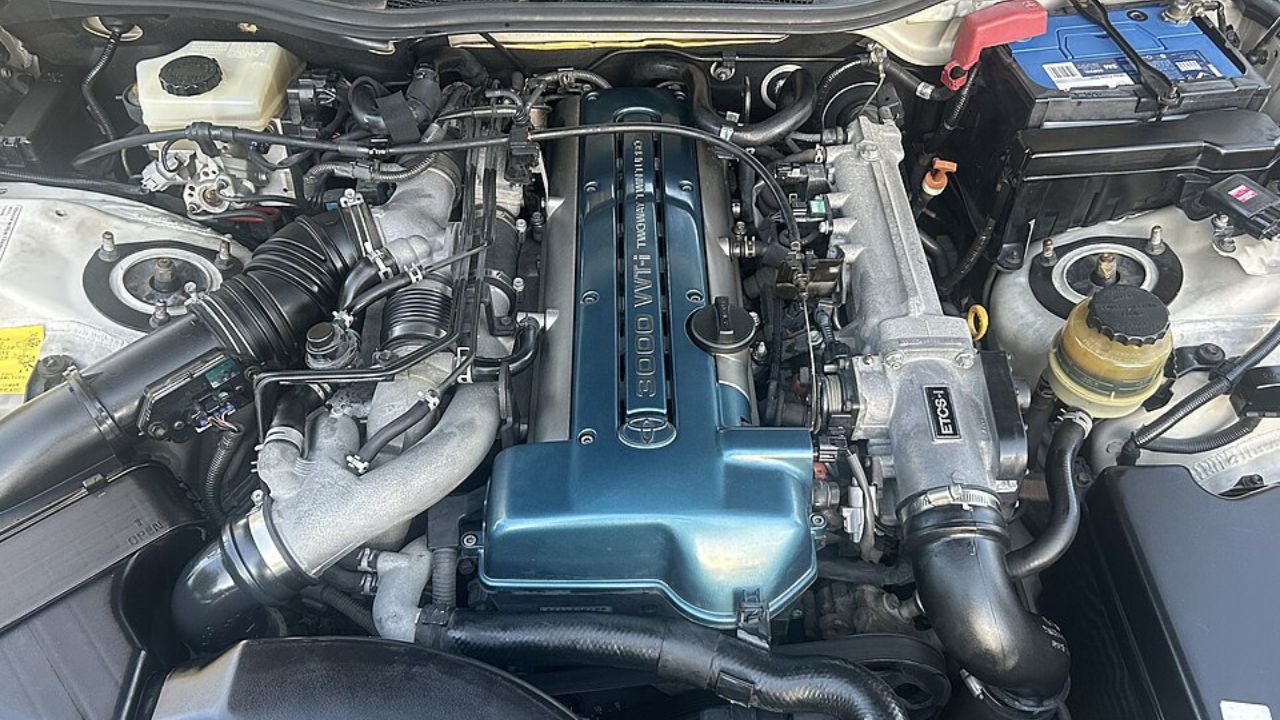
The Toyota 2JZ-GTE engine, introduced in 1991, is widely celebrated for its durability and performance. This inline-six turbocharged engine produced 276 horsepower and became legendary for its tuning potential, making it a favorite among car enthusiasts and tuners. It powered the iconic Toyota Supra MK4, which gained fame for its incredible performance in both street and racing applications.
The 2JZ-GTE’s robust construction and advanced engineering allowed it to handle significant power upgrades without compromising reliability. Its influence can still be seen in the aftermarket tuning community, where it remains a benchmark for performance engines. The 2JZ-GTE is a prime example of how an engine can transcend its era.
The Ferrari 641 V12 (1990)
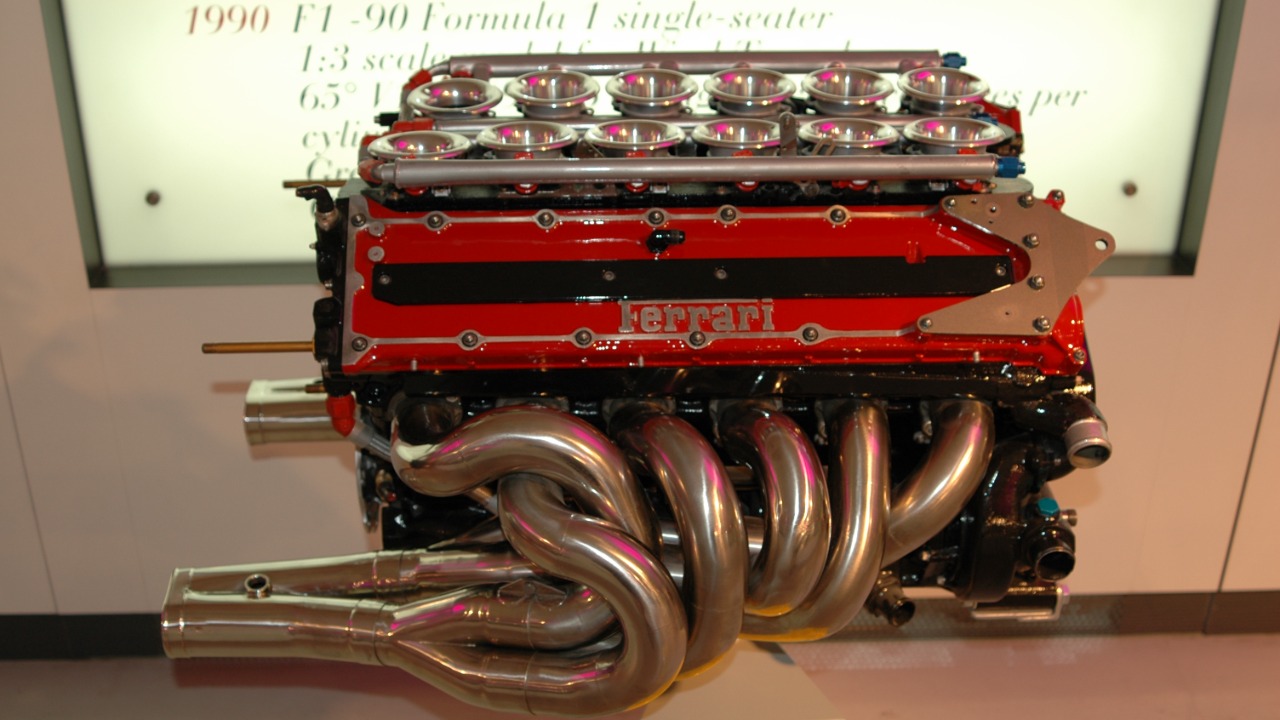
The Ferrari 641 V12, designed for the 1990 Formula 1 season, showcased Ferrari’s engineering prowess. Producing around 700 horsepower, this engine utilized advanced aerodynamics and materials to achieve an impressive power-to-weight ratio. Its design included a complex intake system, allowing for optimal airflow and performance.
The 641’s success in the 1990 season, where it secured multiple pole positions, demonstrated its advanced capabilities. Its innovative features influenced future Ferrari engines, and its performance in the high-stakes world of Formula 1 solidified Ferrari’s reputation as a leader in automotive engineering. The 641 is a testament to Ferrari’s relentless pursuit of performance.
The Nissan RB26DETT (1989)
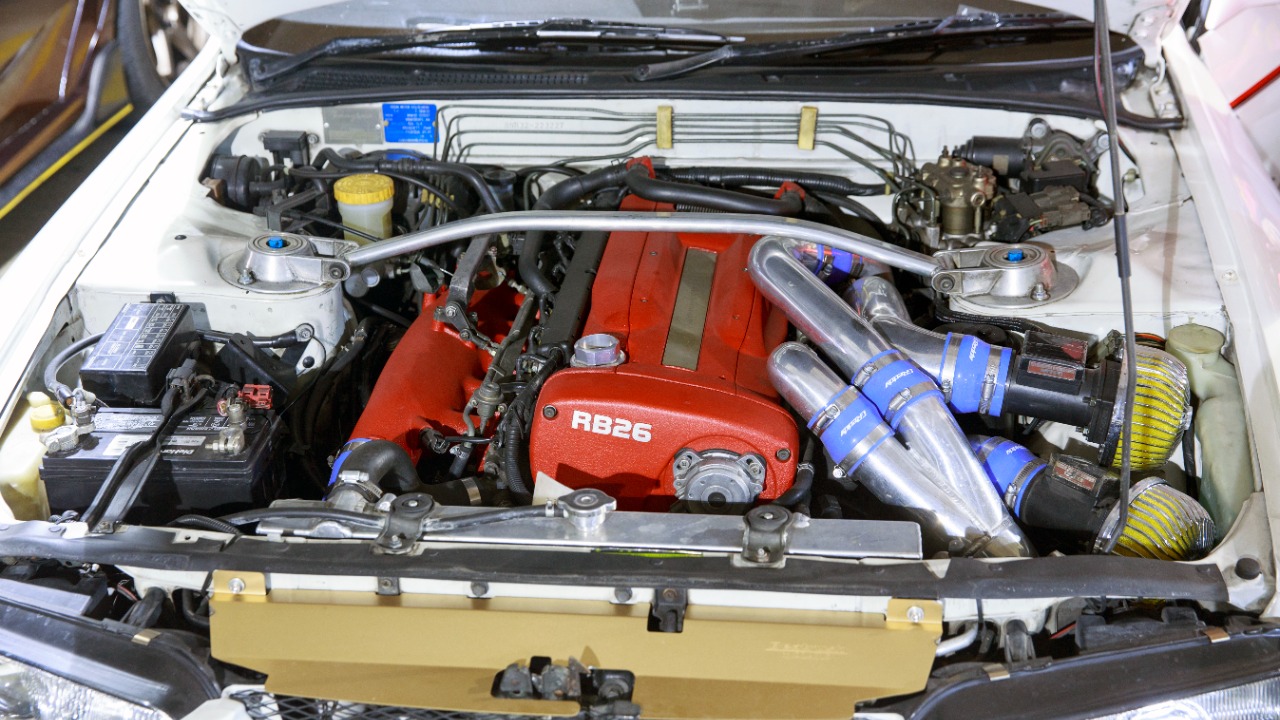
The Nissan RB26DETT, introduced in 1989, quickly became a legend among car enthusiasts. This inline-six twin-turbo engine produced 280 horsepower and was known for its robustness and tuning potential, making it a staple in the racing community. It powered the iconic Nissan Skyline GT-R, which dominated motorsports in the 1990s.
What made the RB26DETT particularly special was its ability to handle significant power upgrades without sacrificing reliability. Its advanced engineering, including an iron block and aluminum head, allowed it to deliver exceptional performance. The RB26DETT remains a symbol of Nissan’s engineering excellence and continues to inspire new generations of performance enthusiasts.
The Bugatti Chiron’s W16 (2016)
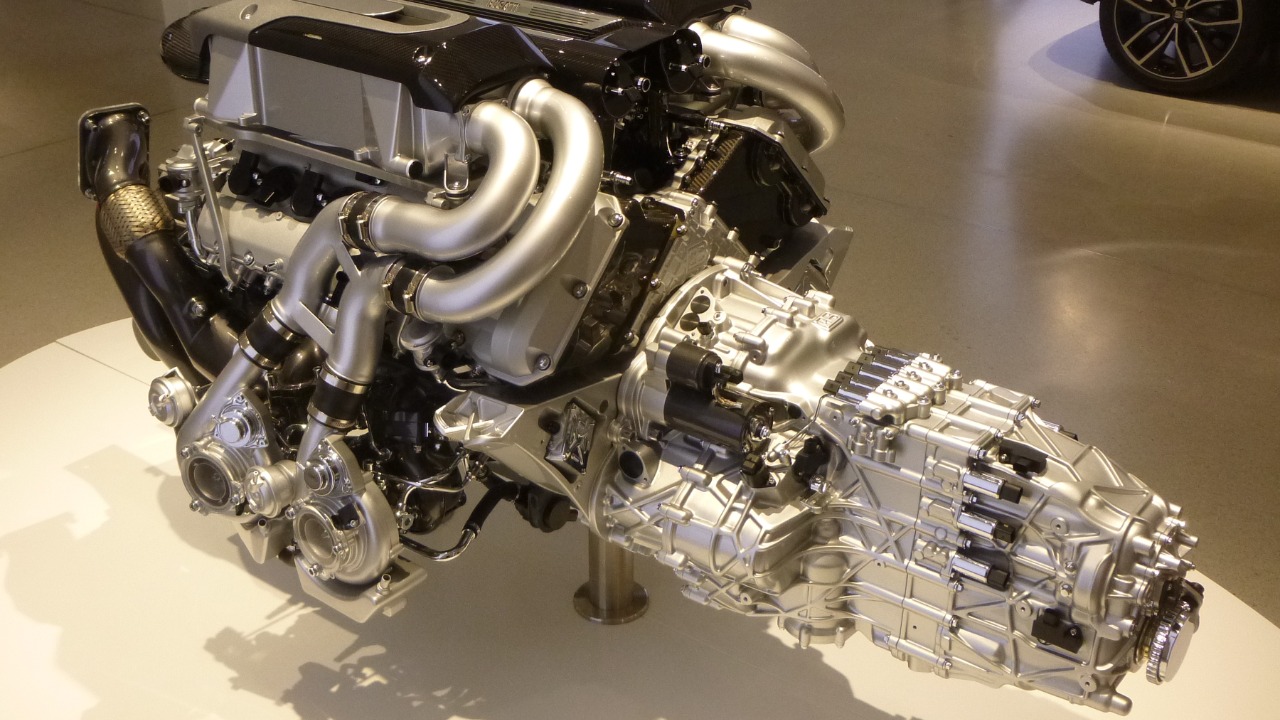
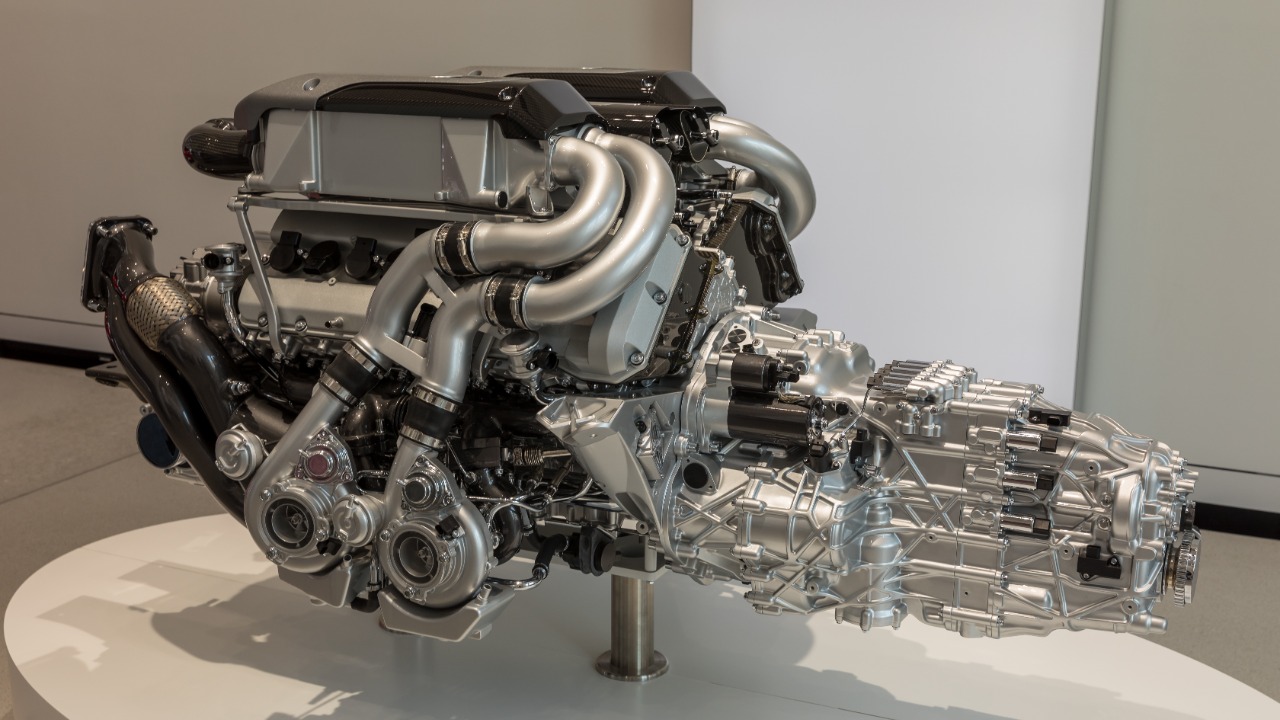
The Bugatti Chiron’s W16 engine, launched in 2016, represents the pinnacle of automotive engineering. This quad-turbocharged powerhouse produces a staggering 1,479 horsepower, enabling the Chiron to reach speeds over 300 mph. Its unique W16 configuration allows for a compact design while maximizing power output, showcasing innovative engineering.
The Chiron’s engine incorporates advanced materials and cutting-edge technology, including a sophisticated cooling system and variable geometry turbos, ensuring optimal performance under all conditions. This engine not only redefined performance standards but also pushed the boundaries of what’s possible in the automotive world. The W16 is a testament to Bugatti’s commitment to innovation and excellence.
More from Fast Lane Only
- Unboxing the WWII Jeep in a Crate
- 15 rare Chevys collectors are quietly buying
- 10 underrated V8s still worth hunting down
- Police notice this before you even roll window down
*Research for this article included AI assistance, with all final content reviewed by human editors.