The allure of classic performance cars often lies not only in their nostalgic appeal but also in their relative ease of maintenance compared to modern vehicles. Many enthusiasts find that these vintage machines offer a more straightforward ownership experience, making them particularly attractive to DIY mechanics and car lovers alike. Understanding the factors that contribute to the maintainability of classic performance cars can help potential owners make informed decisions about their automotive passions.
Simplicity of Design
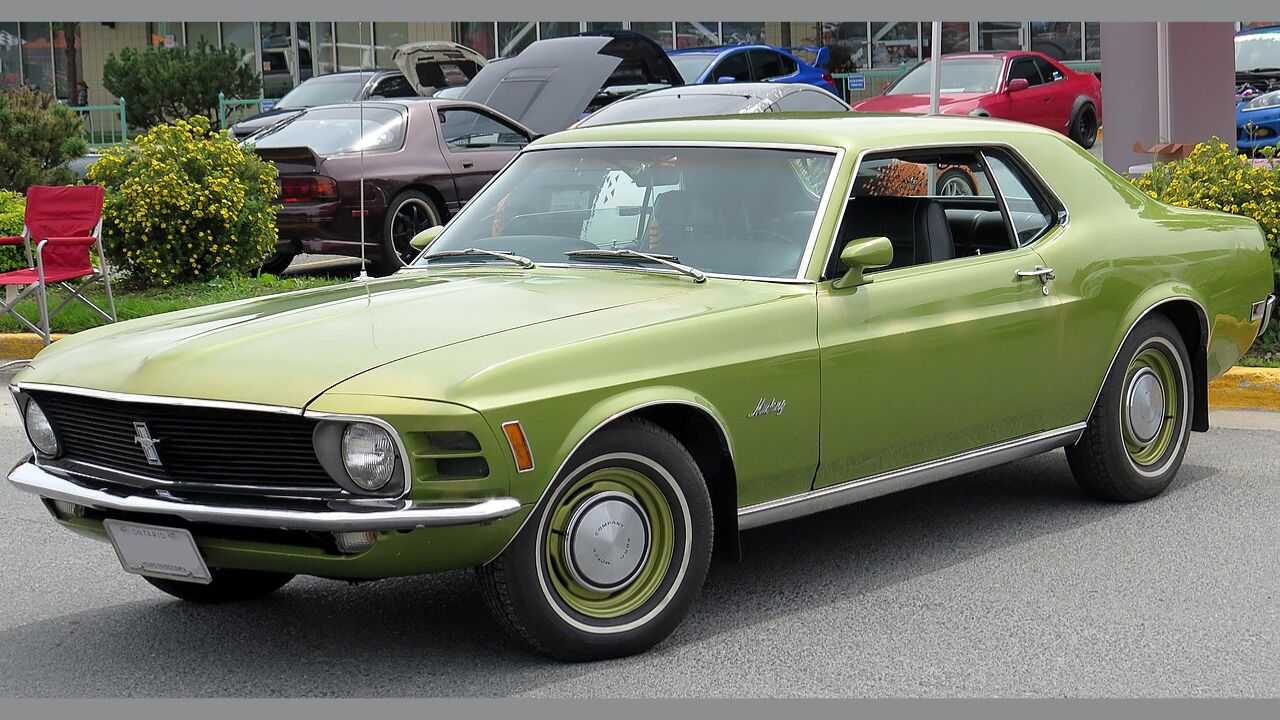
One of the most significant advantages of classic performance cars is their simplicity of design. Unlike modern vehicles, which are often laden with complex electronic systems, many classic cars feature fewer electronic components. This reduction in complexity makes troubleshooting and repairs far more straightforward. For instance, a vehicle like the 1970 Ford Mustang is equipped with a simple mechanical ignition system, which can be diagnosed and repaired with basic tools, as opposed to the intricate computer systems found in contemporary models.
Additionally, classic performance cars frequently use basic mechanical systems that are easier to understand and work on. Take carburetors, for instance, which were standard in many classic models like the Chevrolet Camaro SS of the late 1960s. Carburetors can be adjusted and tuned without specialized equipment, making them more accessible for those who enjoy hands-on work. In contrast, modern fuel injection systems require advanced diagnostics and often specialized training to repair, which can deter DIY mechanics from attempting repairs.
Availability of Parts
Another critical factor that contributes to the ease of maintenance for classic performance cars is the availability of parts. The aftermarket for classic car parts has flourished over the years, with a robust market for reproduction and aftermarket components. For example, companies like YearOne and Classic Industries specialize in manufacturing parts specifically for classic models, ensuring that enthusiasts have access to the components they need to keep their cars running smoothly.
Moreover, enthusiast communities and clubs play a crucial role in supporting classic car maintenance. Online forums, such as Reddit’s classic car subreddit, provide a platform for owners to share resources, advice, and tips on sourcing parts. These communities often have members who are well-versed in locating hard-to-find components, making it easier for owners to maintain their vehicles without significant delays or costs.
Familiarity Among Mechanics
Many mechanics possess extensive experience working on older models, making classic performance cars more accessible for repairs. This familiarity is particularly beneficial for car owners who may not have the skills or tools to perform repairs themselves. Mechanics who have spent years in the industry often have a wealth of knowledge about common issues, repair techniques, and available parts for vintage cars.
Furthermore, there is a strong network of classic car restorers and mechanics who specialize in vintage vehicles. These professionals often attend car shows and events, where they can share insights and techniques. By tapping into this network, classic car owners can find reliable sources for repairs and restorations. The camaraderie within the classic car community fosters an environment where knowledge is shared, making it easier for enthusiasts to keep their cars in optimal condition.
Robustness of Materials
The materials used in the construction of classic performance cars were often selected for their durability. Many classic models, such as the 1969 Dodge Charger, were built with robust steel bodies that withstand wear and tear over time. This durability means that, unlike many modern vehicles, which may utilize lighter materials that can corrode or wear out more quickly, classic cars can often endure the rigors of daily driving or occasional spirited use.
Additionally, simpler engine constructions, characterized by fewer moving parts, contribute to the reliability of classic performance cars. For example, the Ford Flathead V8, which powered several classic models, features a straightforward design that is not only easier to maintain but also less prone to failure. Fewer moving parts mean fewer potential points of failure, which is a significant advantage for owners looking to minimize maintenance costs and effort.
Community Knowledge and Resources
The wealth of knowledge available within the classic car community is another factor that makes maintaining these vehicles more manageable. Online forums, websites, and social media groups are dedicated to classic car maintenance and restoration, providing resources that can assist owners in troubleshooting issues and performing repairs. Communities often share tips, guides, and step-by-step instructions, making it easier for even novice mechanics to tackle repairs.
Additionally, the availability of manuals and documentation for older models can significantly simplify the maintenance process. Many classic cars have dedicated books and resources available, such as the comprehensive guides found on Google Books. These manuals often include detailed diagrams, specifications, and troubleshooting guides that can empower owners to handle repairs with confidence.
Enthusiast Culture
The culture surrounding classic performance cars is rich with a sense of restoration and preservation. Many owners take pride in maintaining their vehicles, often opting for DIY projects that allow them to learn more about their cars. This culture not only encourages hands-on involvement but also promotes an understanding of the mechanics behind the cars, fostering a deeper appreciation for their craftsmanship.
Social gatherings and events, such as car shows and meet-ups, provide opportunities for owners to share knowledge and techniques. These events often feature seminars and workshops led by experienced restorers and mechanics, allowing attendees to gain insights and skills that can aid in their maintenance efforts. The community aspect of classic car ownership is invaluable, as it encourages collaboration and support among enthusiasts.
Design for Durability
Classic performance cars were often built with a focus on longevity, making them less prone to common issues that plague modern vehicles. Many models, such as the Chevrolet Corvette from the mid-1960s, were engineered to withstand the test of time, featuring components designed for easy replacement and maintenance. This thoughtful design philosophy has resulted in classic cars that not only perform well but also require less frequent repairs.
Additionally, simpler suspension and braking systems found in classic cars contribute to their maintainability. Vehicles like the Jaguar E-Type, which utilizes a straightforward suspension design, allow for easier access to components when repairs or adjustments are necessary. This simplicity not only aids in routine maintenance but also enhances the overall driving experience by providing a more direct connection between the driver and the road.
Lower Dependency on Technology
Classic cars generally lack the advanced technology that complicates diagnostics and repairs in modern vehicles. This lower dependency on technology means that owners can perform routine maintenance without the need for specialized diagnostic tools. Tasks such as oil changes, brake adjustments, and tune-ups can often be accomplished with basic hand tools, making it more feasible for owners to maintain their vehicles without relying on professional services.
For instance, a classic Volkswagen Beetle can be serviced with minimal equipment, as its mechanical systems are straightforward and easily accessible. This simplicity allows owners to feel more in control of their vehicle’s maintenance, fostering a sense of accomplishment and satisfaction.
Historical Context and Legacy
The historical context in which classic performance cars were designed greatly influenced their maintainability. Many of these vehicles were created during an era when simplicity and robustness were paramount. Manufacturers focused on producing cars that were not only fun to drive but also easy to repair, as the automotive landscape was dominated by enthusiasts who often worked on their vehicles themselves.
Moreover, the legacy of classic cars continues to influence modern automotive design and repair practices. As manufacturers pay homage to their historical models, they often incorporate design elements that prioritize maintainability. This return to basics can be seen in vehicles like the Ford Mustang, which has evolved over the years while still retaining a spirit that appeals to both nostalgic owners and new enthusiasts.
More from Fast Lane Only