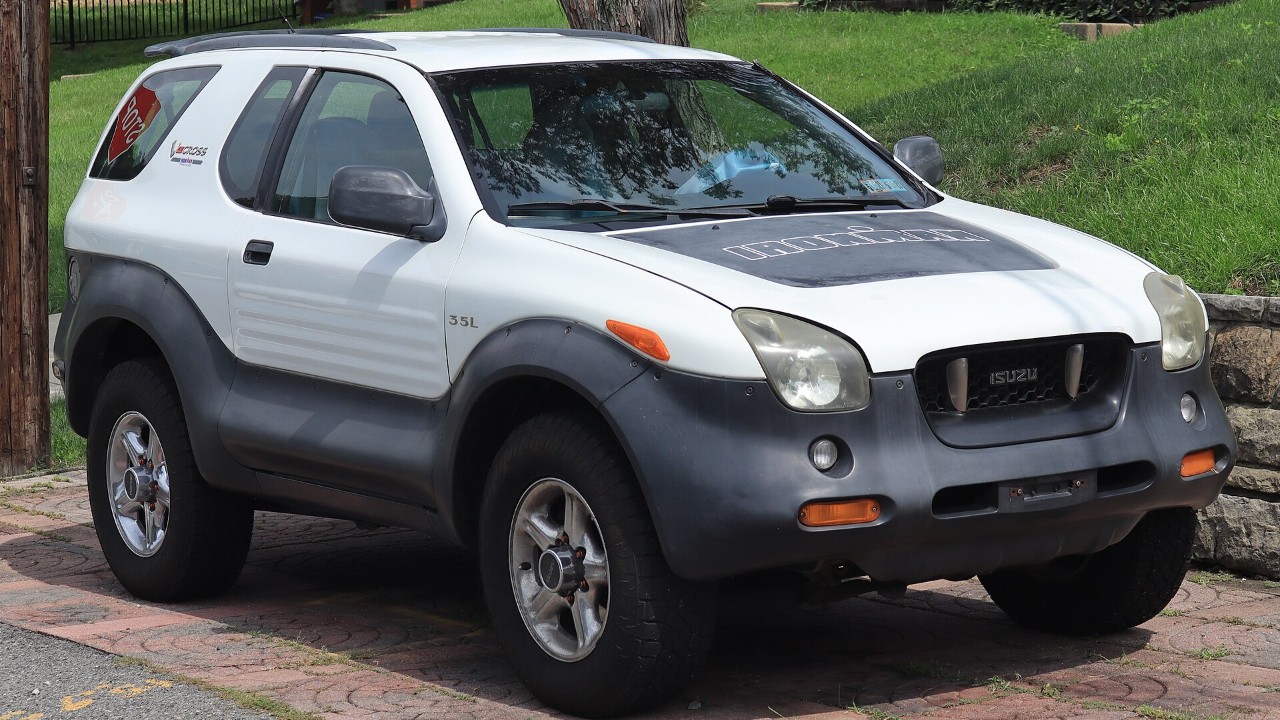
Factory hot rods changed the way enthusiasts viewed showroom performance. These cars didn’t rely on backyard tuning or aftermarket experimentation to shock drivers; they arrived fully engineered and ready to dominate straight from the dealer lot. Each one shifted expectations for what “stock” performance truly meant.
Pontiac GTO Judge
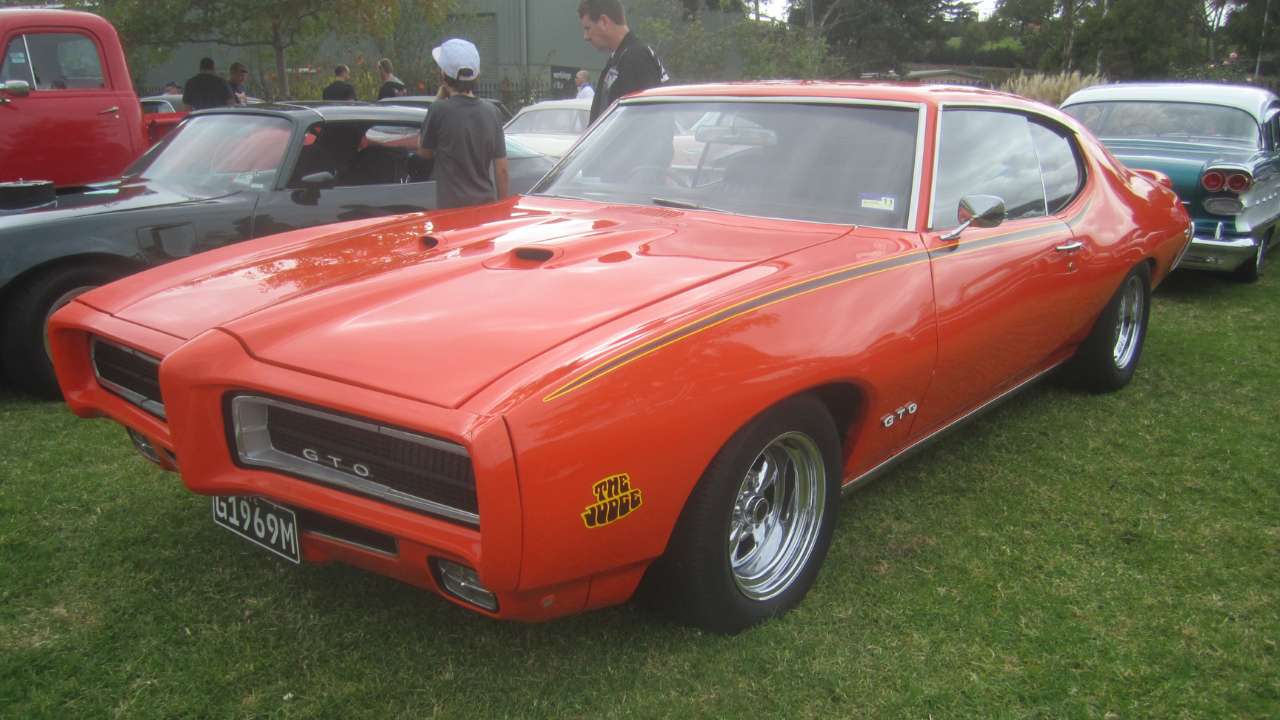
The 1969 Pontiac GTO Judge took the original muscle car formula and turned up the aggression with bold graphics and the Ram Air III or IV V8 options. It delivered serious quarter-mile credibility while still carrying full factory warranty coverage. Buyers no longer needed to modify a base GTO to feel competitive at local drag strips. The Judge proved automakers understood youth culture and performance marketing in equal measure. Its arrival cemented the idea that wild styling and real horsepower could coexist straight off the showroom floor without apology.
Chevrolet Camaro ZL1
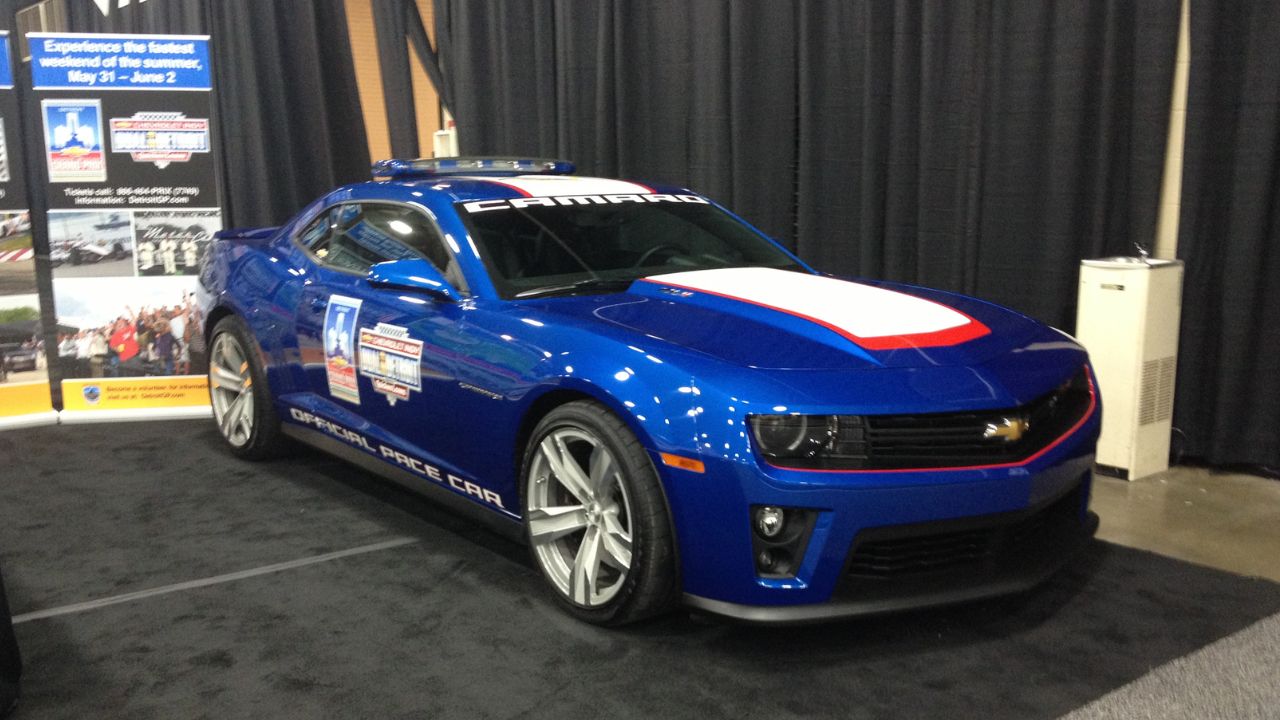
The 1969 Chevrolet Camaro ZL1 blurred the line between race car and street machine. Officially rated conservatively, its all-aluminum 427 V8 delivered far more performance than most buyers expected. Built in extremely limited numbers, it became an instant legend among serious racers. The ZL1 demonstrated that manufacturers were willing to push boundaries despite corporate horsepower limits. It raised expectations for factory-backed drag potential and showed that true race-bred engineering could exist within a production VIN.
Ford Mustang Boss 429

The Mustang Boss 429 existed largely to homologate Ford’s massive NASCAR engine, yet it found its way into select street cars. Its semi-hemispherical 429 cubic-inch V8 was engineered for high-rpm durability rather than mild commuting. Though expensive and rare, it redefined what buyers believed a factory Mustang could become. The Boss 429 wasn’t about subtle upgrades; it was a full engineering statement. Its presence signaled that Detroit would build extreme hardware if competition demanded it, even in limited production runs.
Plymouth Road Runner Superbird

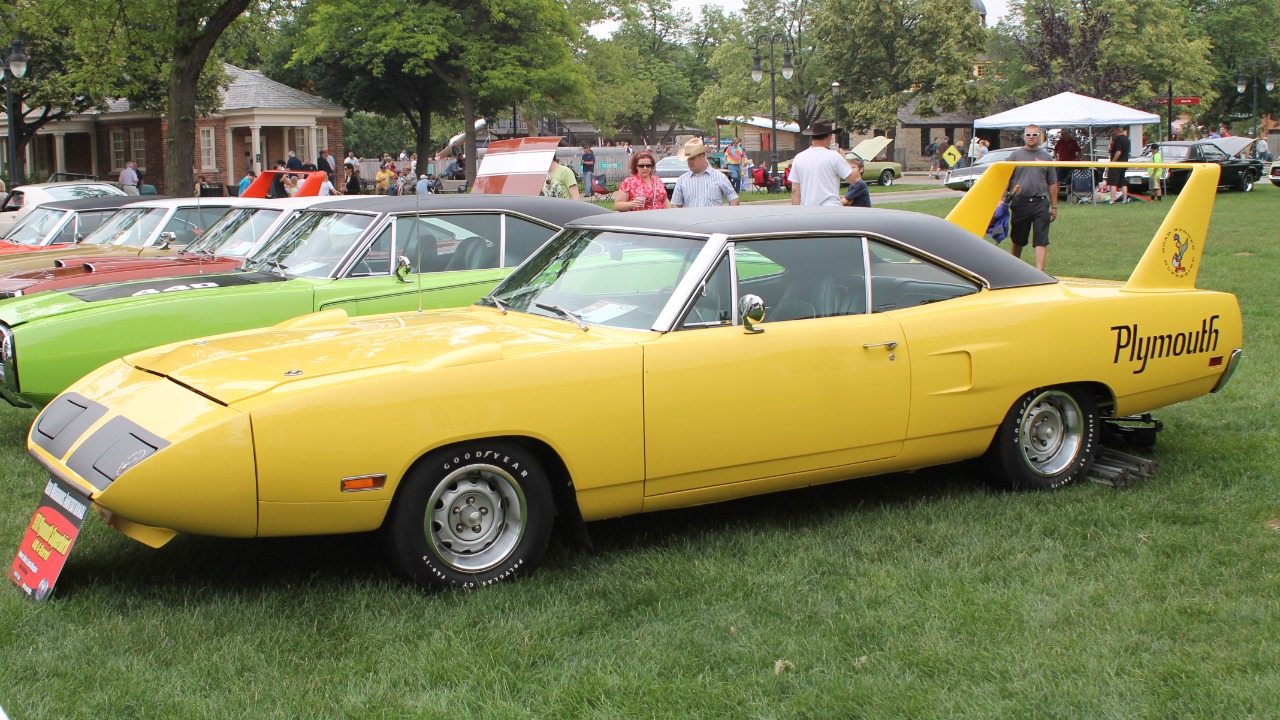
The 1970 Plymouth Road Runner Superbird looked outrageous, but its aerodynamic nose cone and towering rear wing served a real purpose. Designed for NASCAR dominance, it brought race-proven performance elements directly to the street. Equipped with potent 440 or 426 Hemi engines, it backed styling with serious acceleration. The Superbird rewrote expectations by making competition-grade aerodynamics publicly available. It proved that radical design and measurable performance gains could be factory-approved rather than strictly aftermarket experimentation.
Dodge Challenger SRT Hellcat
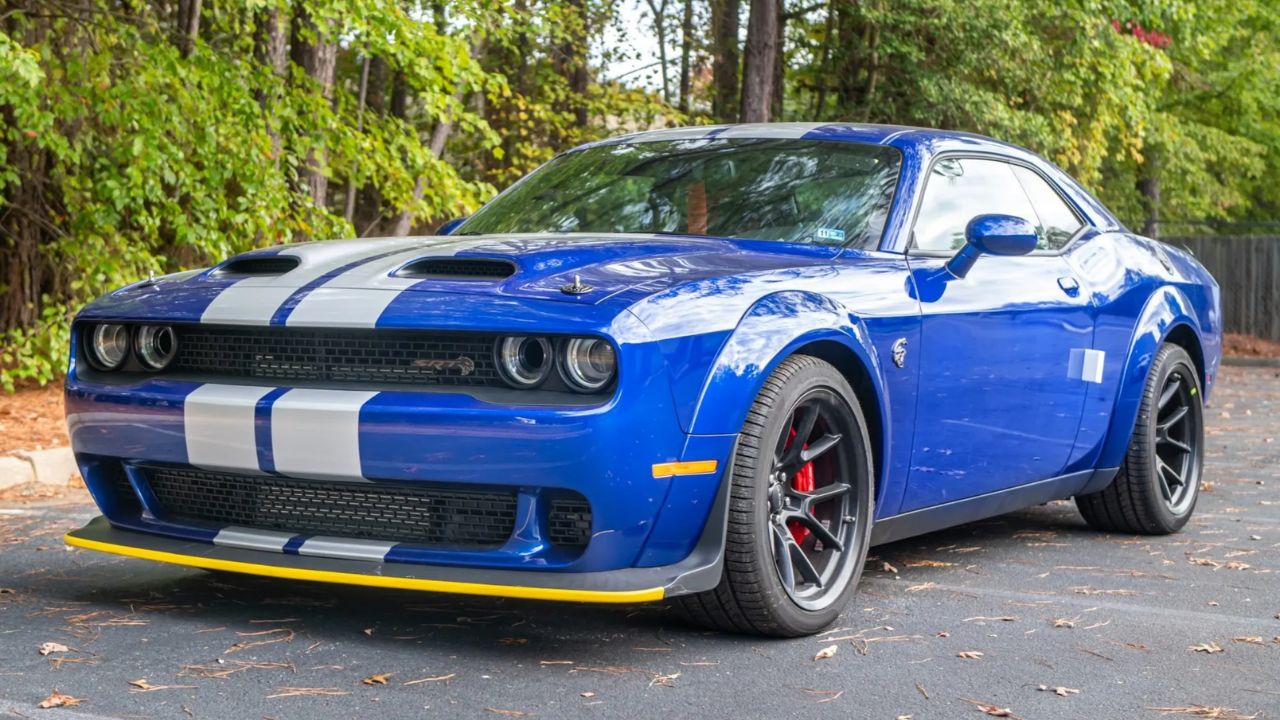
When the Challenger SRT Hellcat launched with 707 horsepower, it shocked an industry that had gradually increased output for decades. Supercharged V8 power at that level once required custom builds or dedicated race preparation. Dodge delivered it with air conditioning, warranty coverage, and daily drivability. The Hellcat reset horsepower conversations almost overnight, pushing competitors to respond aggressively. It proved that modern factory engineering could safely harness massive forced induction power without sacrificing reliability or comfort expectations.
Chevrolet Chevelle SS 454 LS6
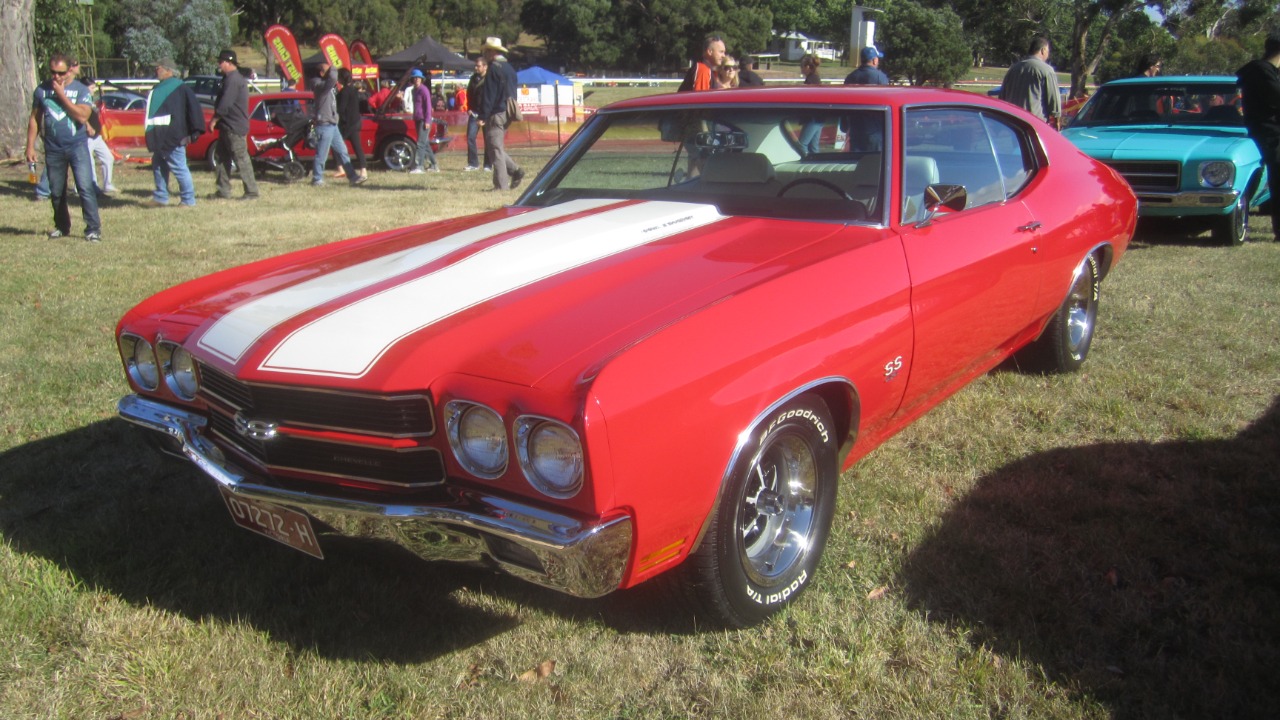
The Chevelle SS 454 LS6 carried one of the highest advertised horsepower ratings of the muscle era. Its 454 cubic-inch V8 delivered brutal torque that overwhelmed street tires with ease. Unlike smaller-block competitors, the LS6 felt unapologetically dominant in straight-line contests. Chevrolet effectively showed that displacement and factory tuning could produce near-race-level results without modification. The LS6 cemented the Chevelle’s status as a heavyweight champion among showroom performance machines.
Shelby GT500
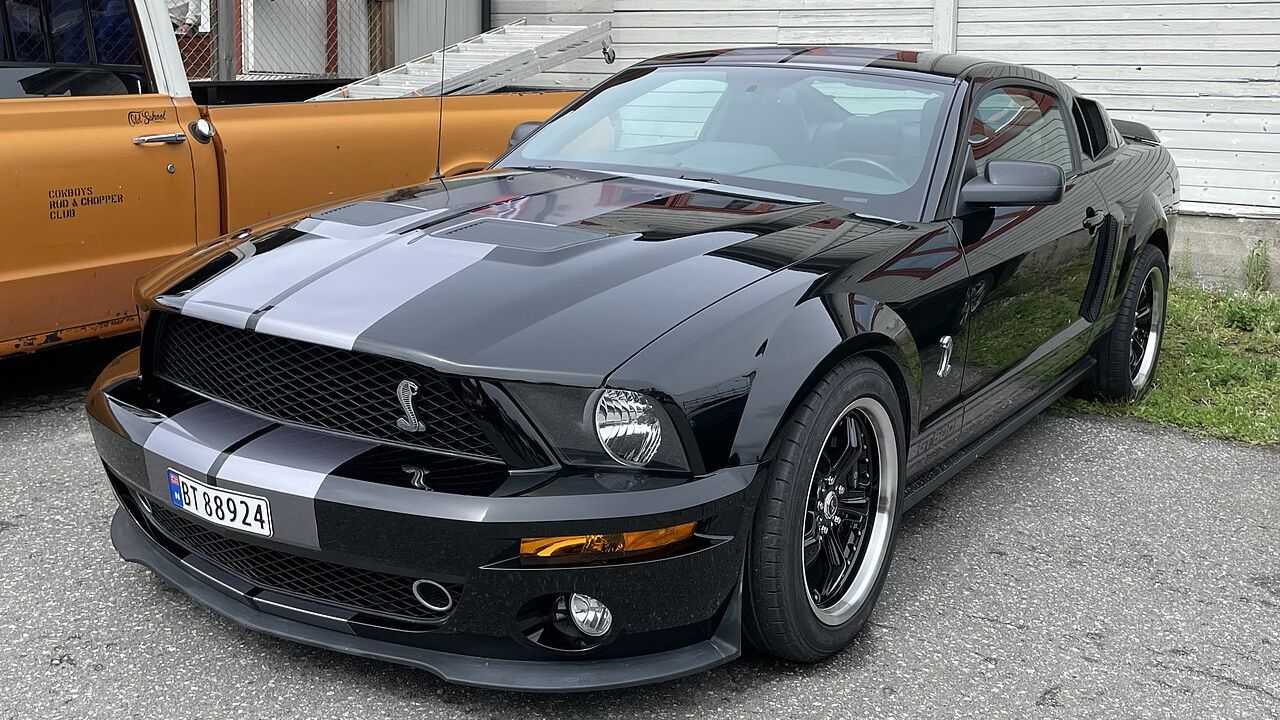
The 1967 Shelby GT500 expanded the Mustang’s performance envelope with a big-block 428 V8 and distinctive styling upgrades. It combined Carroll Shelby’s racing credibility with Ford’s production resources. Buyers gained access to enhanced suspension tuning and unmistakable visual presence directly from authorized dealerships. The GT500 demonstrated how collaboration between manufacturer and performance specialist could yield legitimate street authority. It pushed expectations for factory-backed upgrades beyond simple trim packages.
Buick GNX
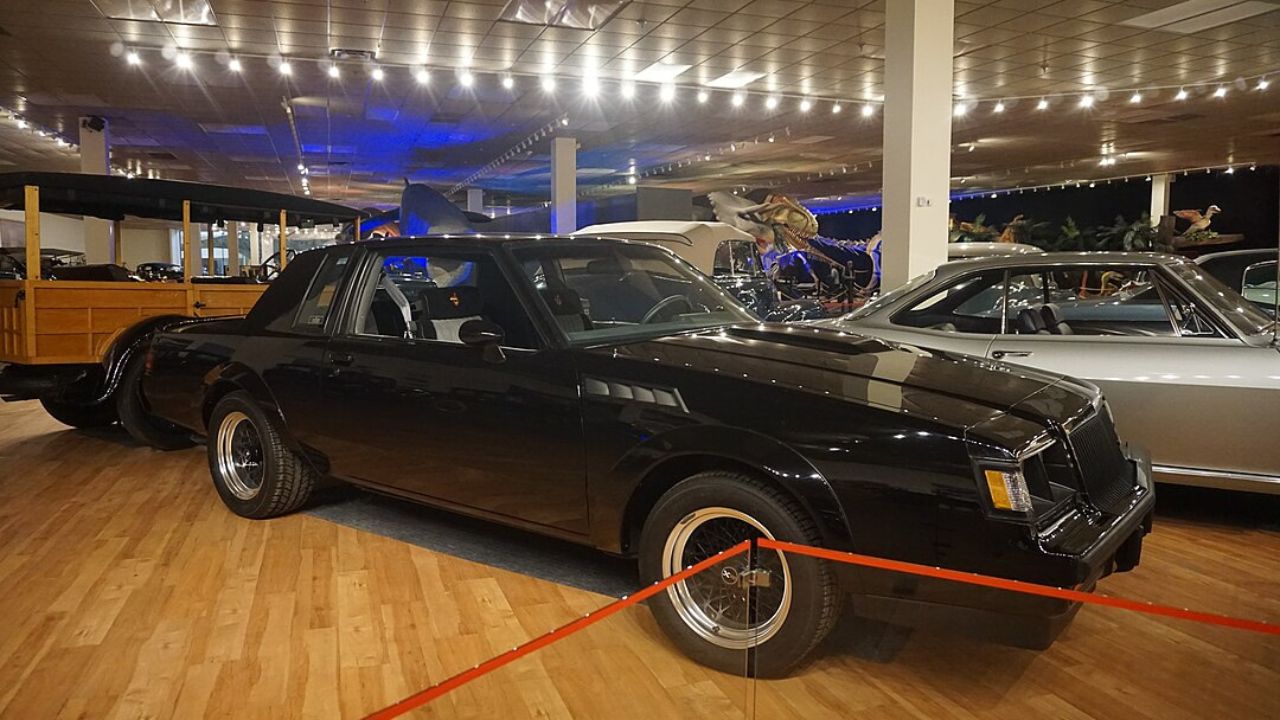
The Buick GNX shocked traditional V8 loyalists by delivering turbocharged V6 performance capable of embarrassing larger engines. Limited production and collaboration with ASC/McLaren created a blacked-out coupe with serious straight-line credentials. Its acceleration figures rivaled contemporary sports cars, defying expectations for a midsize Buick. The GNX redefined what forced induction could accomplish in a production American car. It quietly signaled the coming turbo era long before it became mainstream.
Pontiac Firebird Trans Am SD-455
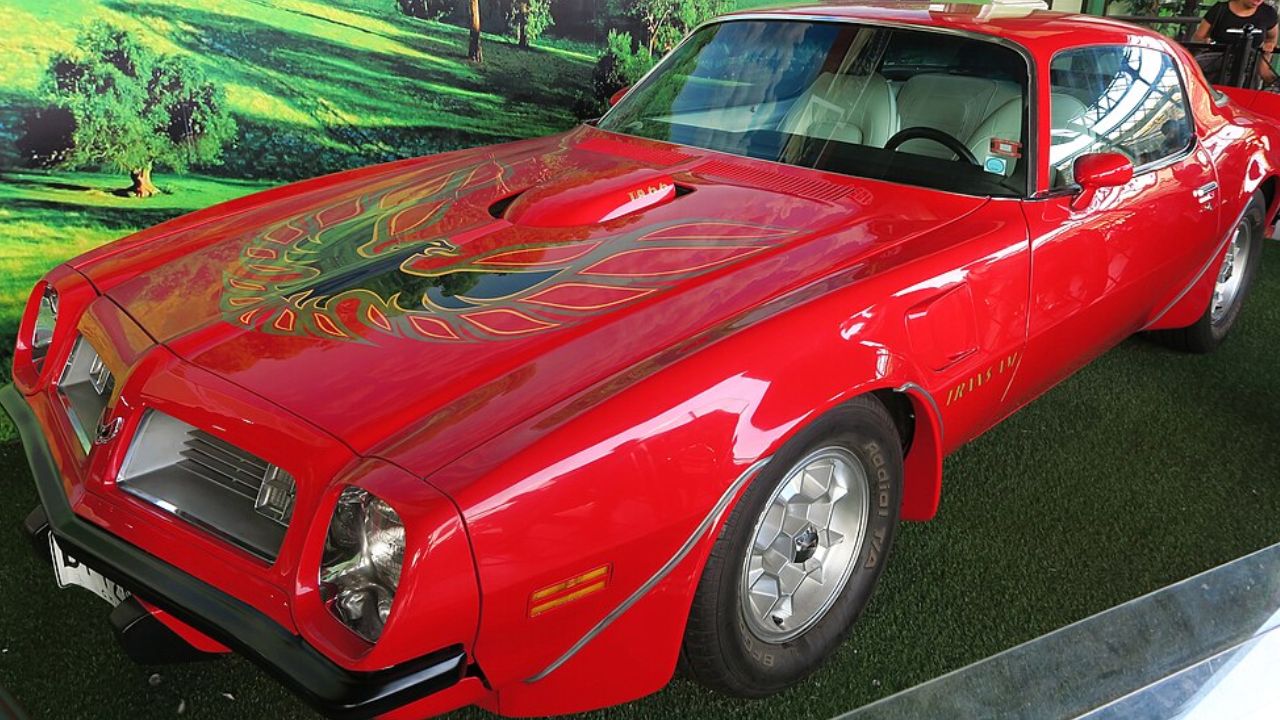
During the mid-1970s emissions era, the Firebird Trans Am SD-455 defied declining horsepower trends. Its reinforced 455 cubic-inch engine was engineered for durability and real-world torque despite tightening regulations. While competitors retreated from performance, Pontiac pushed forward with limited but meaningful upgrades. The SD-455 preserved muscle car credibility during a transitional period. It reminded enthusiasts that factory hot rods still existed even as industry priorities shifted.
Ford F-150 SVT Lightning
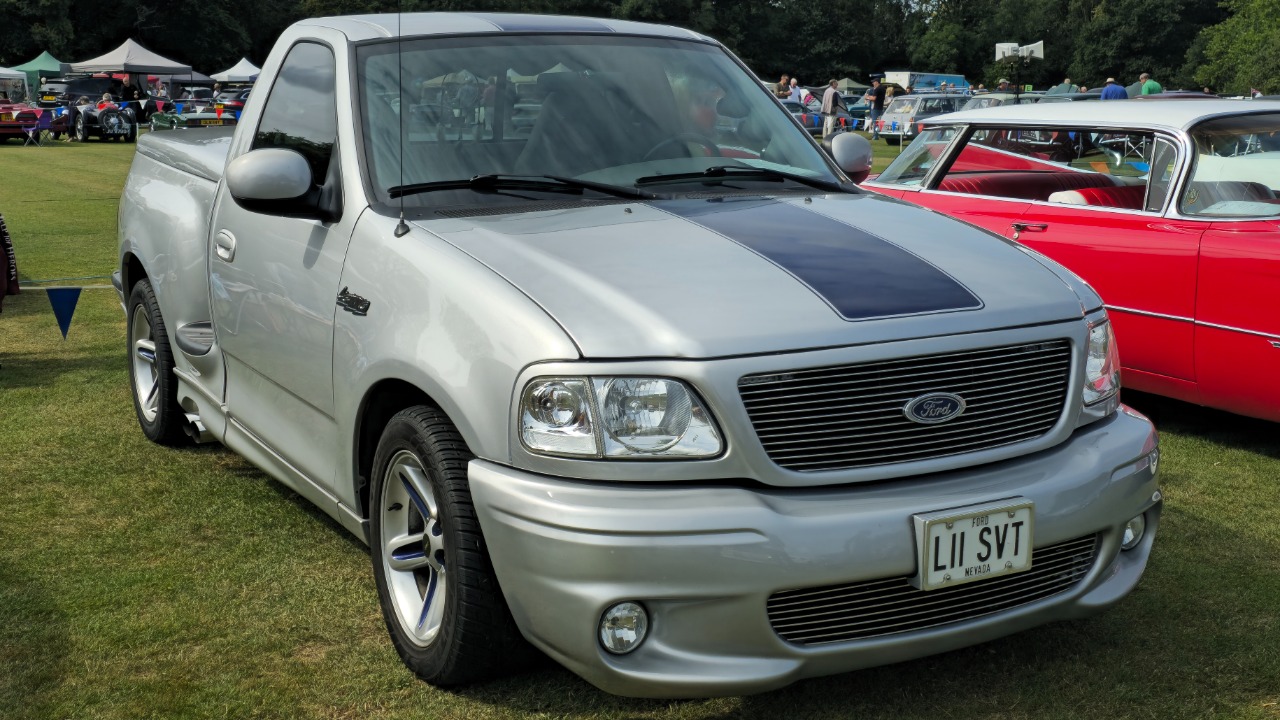
The original F-150 SVT Lightning challenged assumptions about what a pickup truck could achieve on pavement. Featuring a high-output 351 V8, sport suspension, and unique styling, it delivered genuine street performance in truck form. At a time when performance vehicles were expected to be coupes, Ford proved otherwise. The Lightning opened the door for future high-performance trucks by demonstrating factory engineering could balance utility and acceleration. It reshaped expectations for everyday vehicles capable of surprising speed.
More from Fast Lane Only