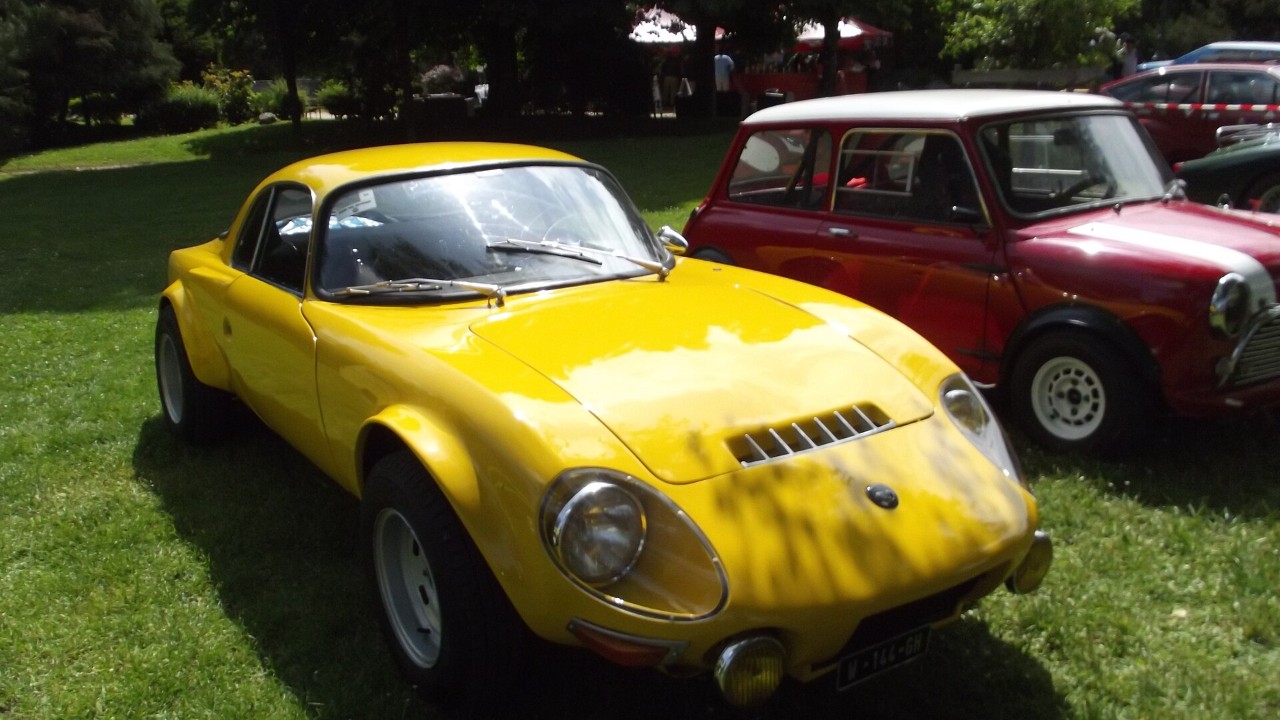
The 1970s are often remembered for emissions restrictions and shrinking horsepower figures, but that narrative overlooks several standout factory performance machines. Some arrived early in the decade with serious muscle, while others fought through tightening regulations with creative engineering. Years later, collectors reevaluated them. These nine factory-built performers quietly grew into highly sought-after classics.
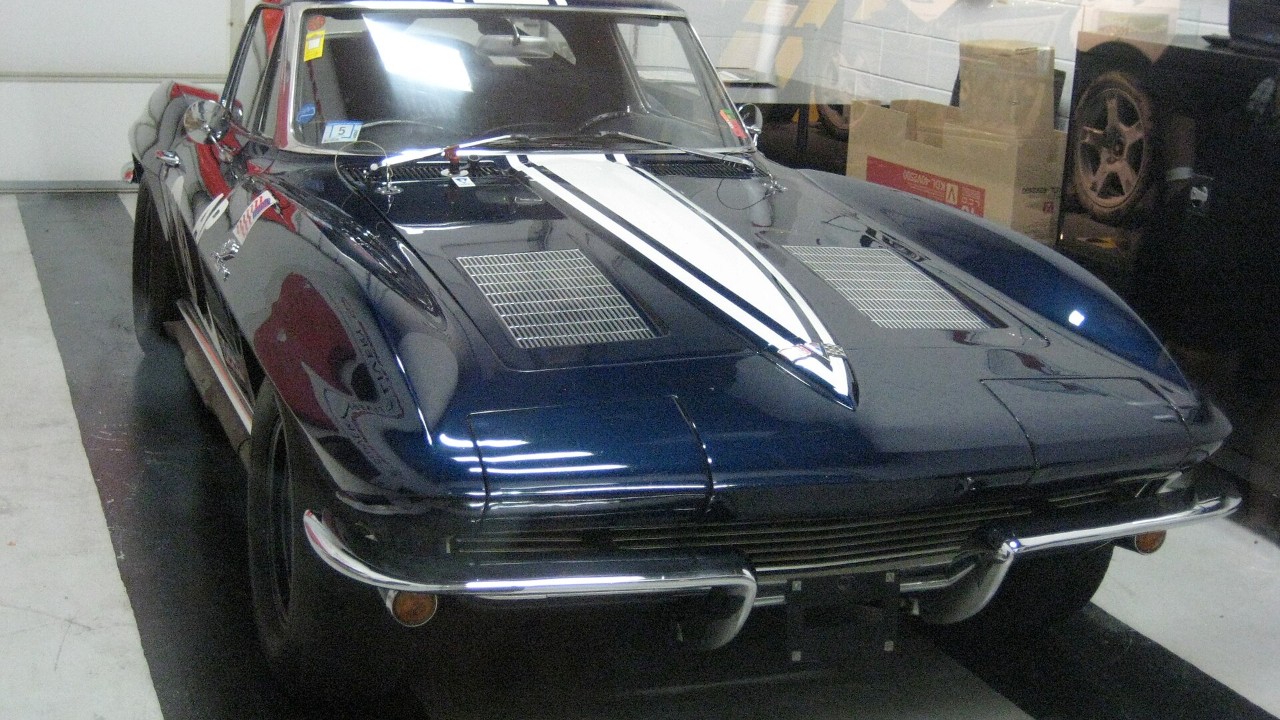
Chevrolet Corvette LS5
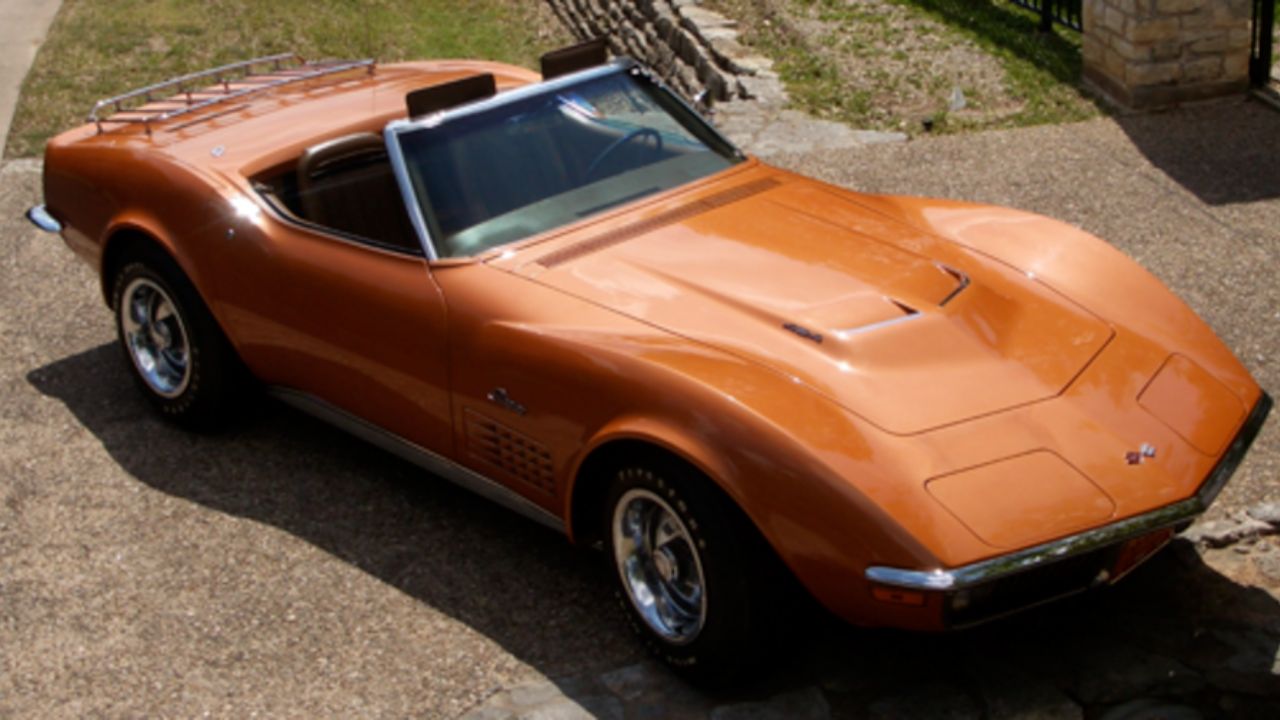
The 1970 Corvette LS5 represented the final surge of big-block authority before tightening regulations reshaped the market. Powered by a 454 cubic-inch V8, it delivered massive torque and straight-line presence in a sleek C3 body. Though overshadowed by the rarer LS6, the LS5 provided real-world performance that impressed buyers. For years, it remained more affordable than earlier mid-year Corvettes. Today, collectors appreciate its balance of brute force and everyday usability, recognizing it as one of the last truly dominant factory big-block Corvettes available in meaningful numbers.
Pontiac Firebird Formula 455
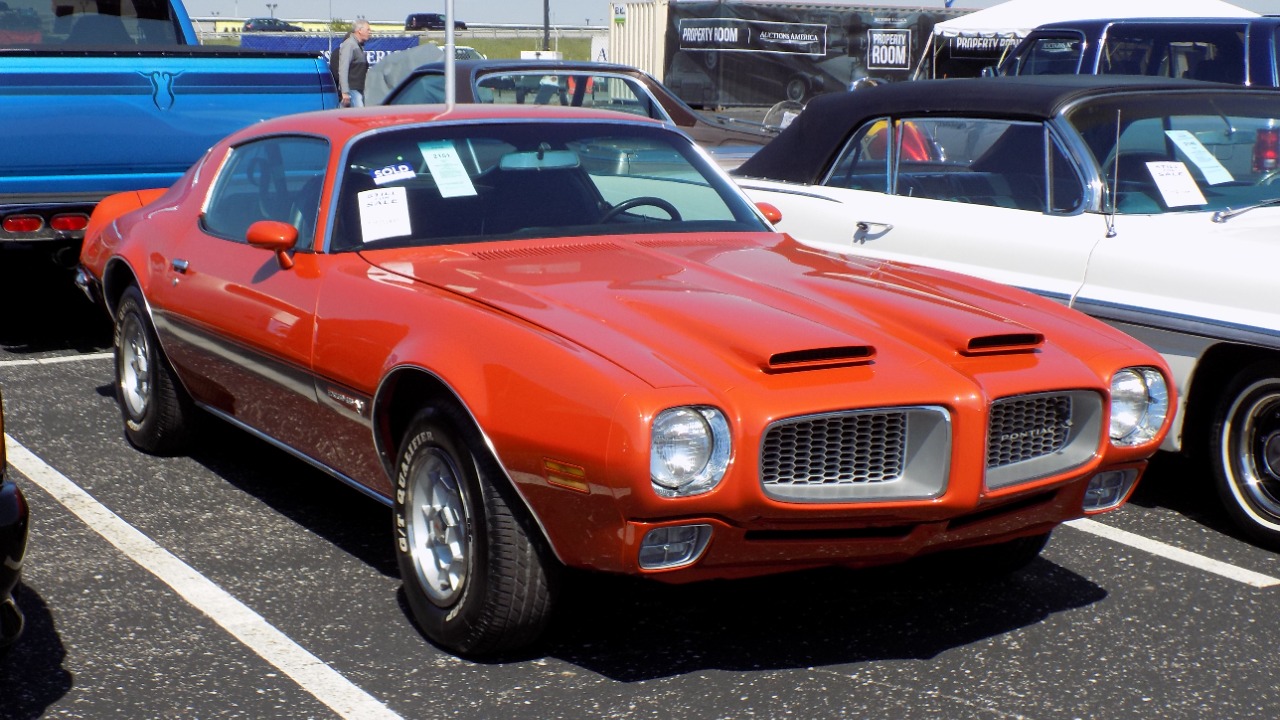
The 1971 Firebird Formula 455 offered serious performance without the flashier graphics of the Trans Am. Equipped with a high-torque 455 V8, it combined muscular acceleration with cleaner styling. At the time, buyers often gravitated toward more visually aggressive trims, leaving the Formula somewhat overlooked. Decades later, collectors value its understated appearance and authentic early-1970s performance credentials. The Formula 455 stands out as a refined yet potent expression of Pontiac engineering during a transitional era for American muscle.
Datsun 240Z

The Datsun 240Z reshaped perceptions of affordable sports cars when it arrived in the early 1970s. Featuring a smooth inline-six engine and independent suspension, it delivered balanced handling at a competitive price. While not a traditional muscle car, its factory performance credentials earned loyal enthusiasts. Many were driven hard, reducing the number of well-preserved survivors. Today, collectors admire the 240Z for blending European-inspired dynamics with Japanese reliability, making it one of the decade’s most influential and appreciated imports.
Chevrolet Camaro Z28
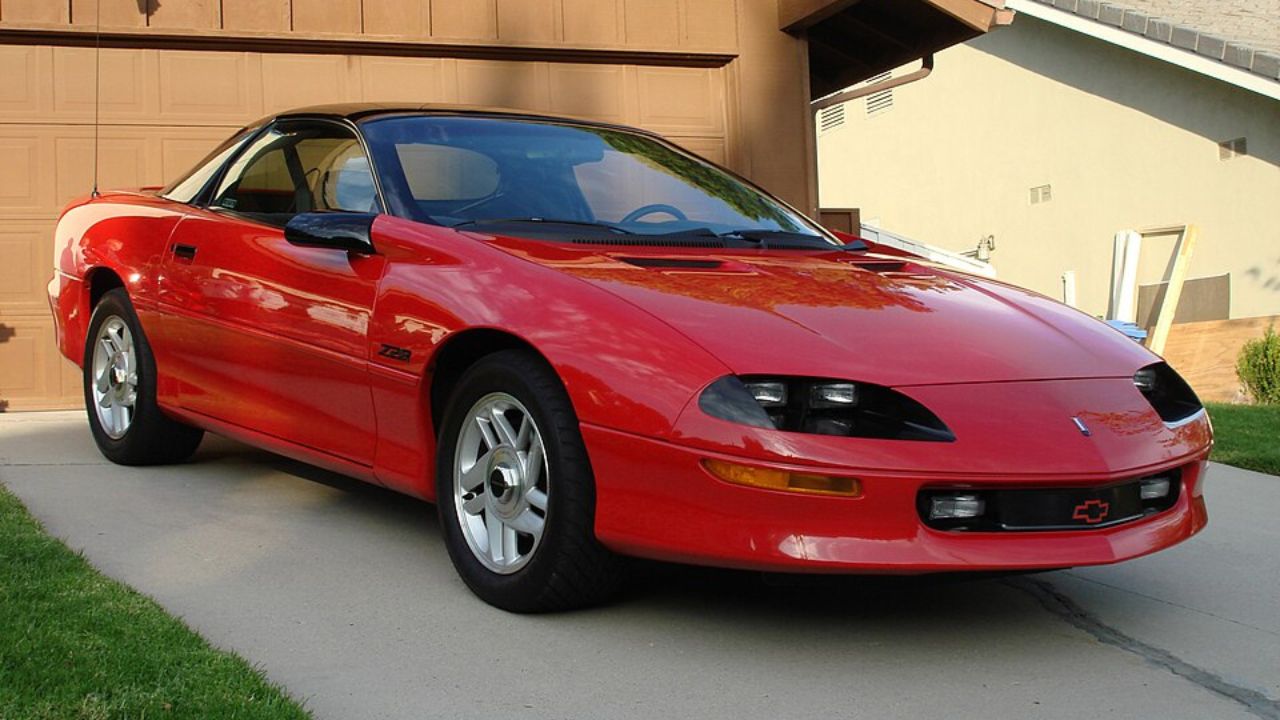
The 1970 Camaro Z28, particularly the early split-bumper models, marked a high point before emissions regulations tightened further. Powered by a high-revving 350 cubic-inch V8, it emphasized balanced performance over sheer displacement. Though horsepower ratings declined as the decade progressed, early examples retained strong enthusiast appeal. For years, they were accessible classics rather than investment pieces. As appreciation for second-generation Camaros has grown, the split-bumper Z28 has become a collector favorite for its distinctive styling and road-course-ready personality.
BMW 3.0 CSL
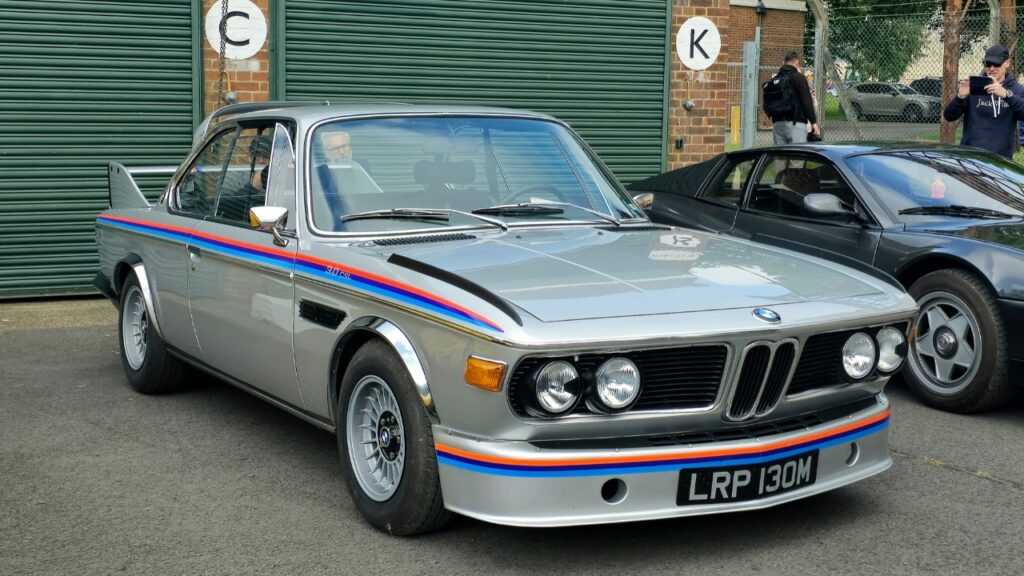
The BMW 3.0 CSL earned racing credibility through European touring car success while remaining a limited-production road coupe. Lightweight construction and inline-six power delivered sharp handling characteristics uncommon in larger grand tourers of the era. During the 1980s and 1990s, values remained relatively modest compared to exotic contemporaries. As BMW’s motorsport heritage gained wider recognition, collectors reexamined the CSL’s significance. Today, it stands as a foundational performance icon, celebrated for combining factory engineering, competition pedigree, and timeless design.
Porsche 911 Carrera RS 2.7
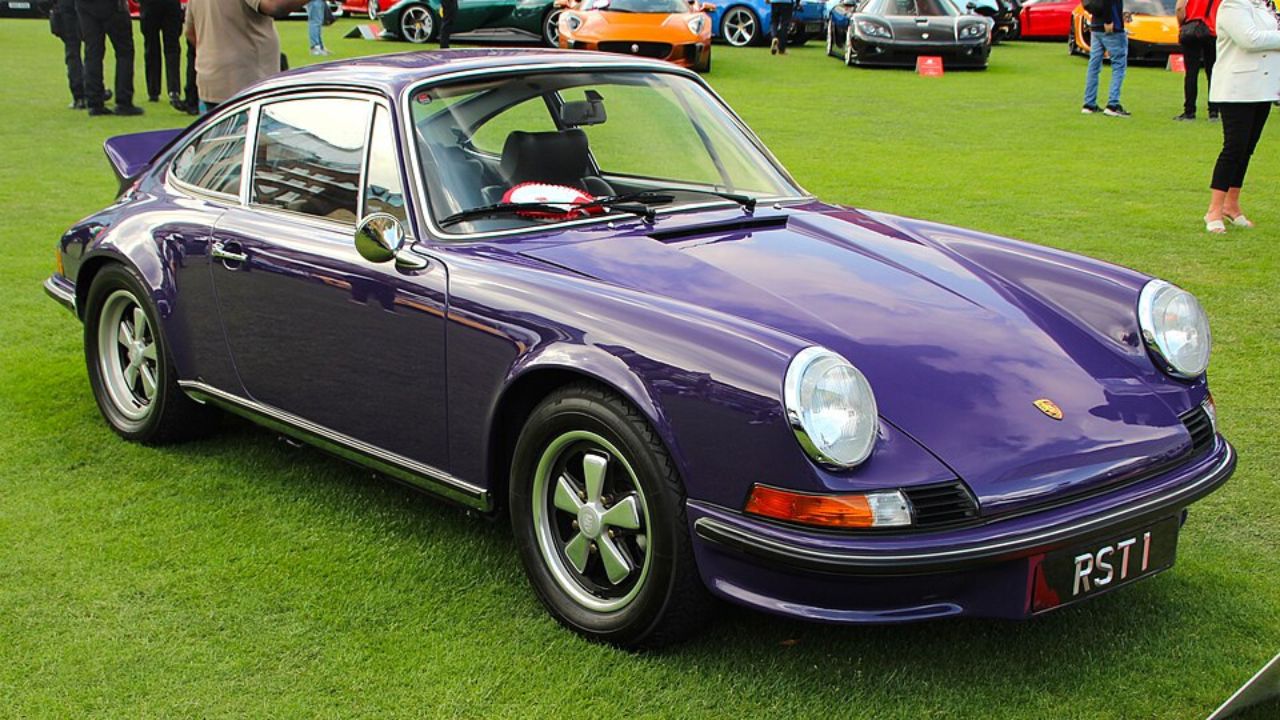
The 1973 Porsche 911 Carrera RS 2.7 was developed to meet homologation requirements, but it quickly became a benchmark for lightweight performance. Featuring a distinctive ducktail spoiler and tuned flat-six engine, it delivered razor-sharp handling. Initially valued mainly by dedicated enthusiasts, broader collector markets later recognized its historical importance. Limited production amplified demand as air-cooled Porsche appreciation surged. The RS 2.7 is now regarded as one of the most desirable factory-built sports cars of the 1970s.
Oldsmobile 442 W30
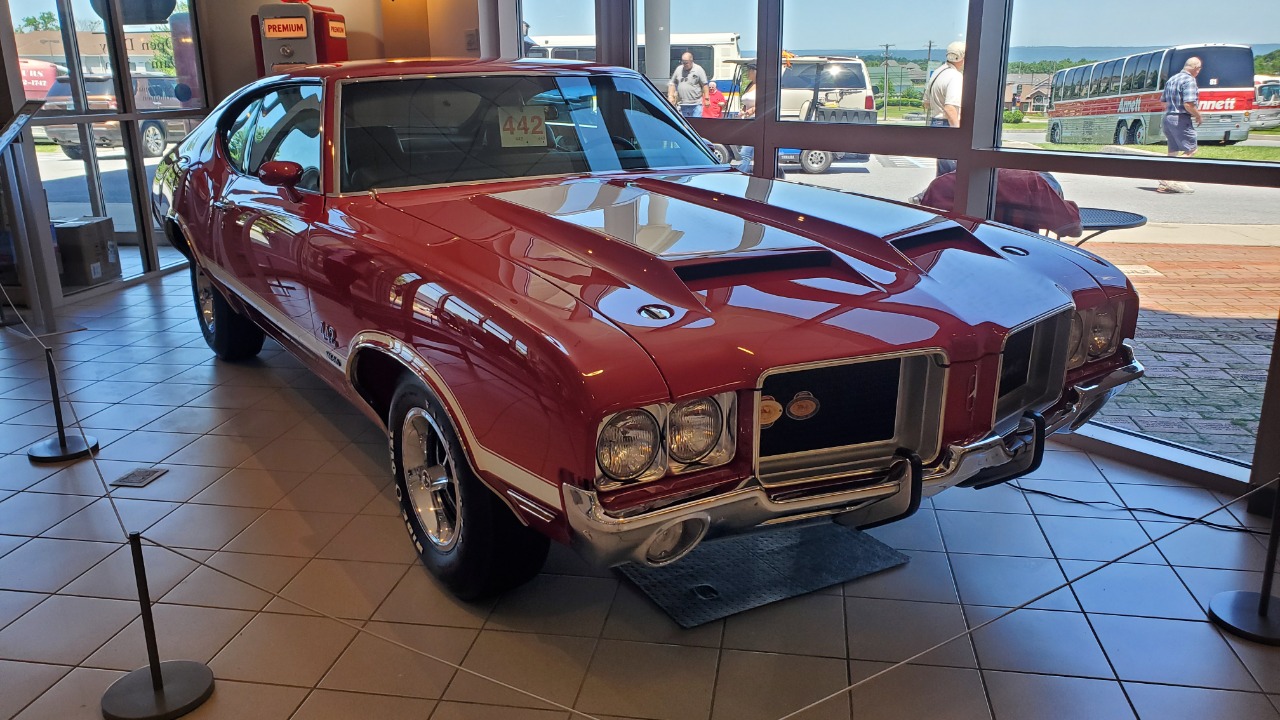
The 1970 Oldsmobile 442 W30 arrived just before tightening emissions standards reshaped muscle car engineering. Its Ram Air induction system and 455 cubic-inch V8 delivered serious torque and competitive acceleration. While not as heavily marketed as some rivals, the W30 represented Oldsmobile’s peak performance efforts. Production numbers were limited, and many examples were driven hard. As collectors sought authentic big-block survivors from the era’s final peak, the 442 W30 gained renewed attention for its blend of power and rarity.
Pontiac Trans Am SD-455
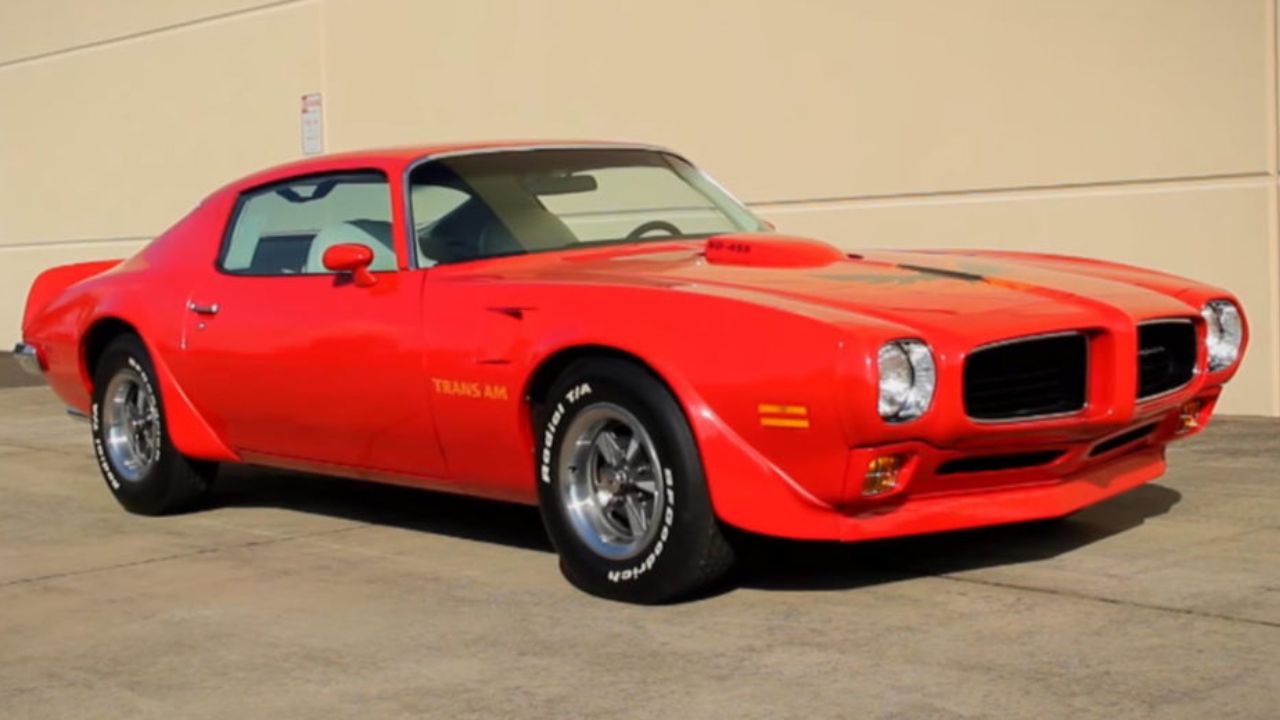
The 1974 Trans Am SD-455 stood out during a period when many competitors retreated from performance. Its reinforced 455 engine featured upgraded internals designed for durability despite emissions constraints. Although horsepower figures appeared modest on paper, real-world torque remained impressive. Production numbers were relatively low, and early depreciation masked its long-term potential. Over time, collectors recognized the SD-455 as one of the last true muscle-era holdouts, elevating it into a prized 1970s performance survivor.
Ferrari 308 GTB
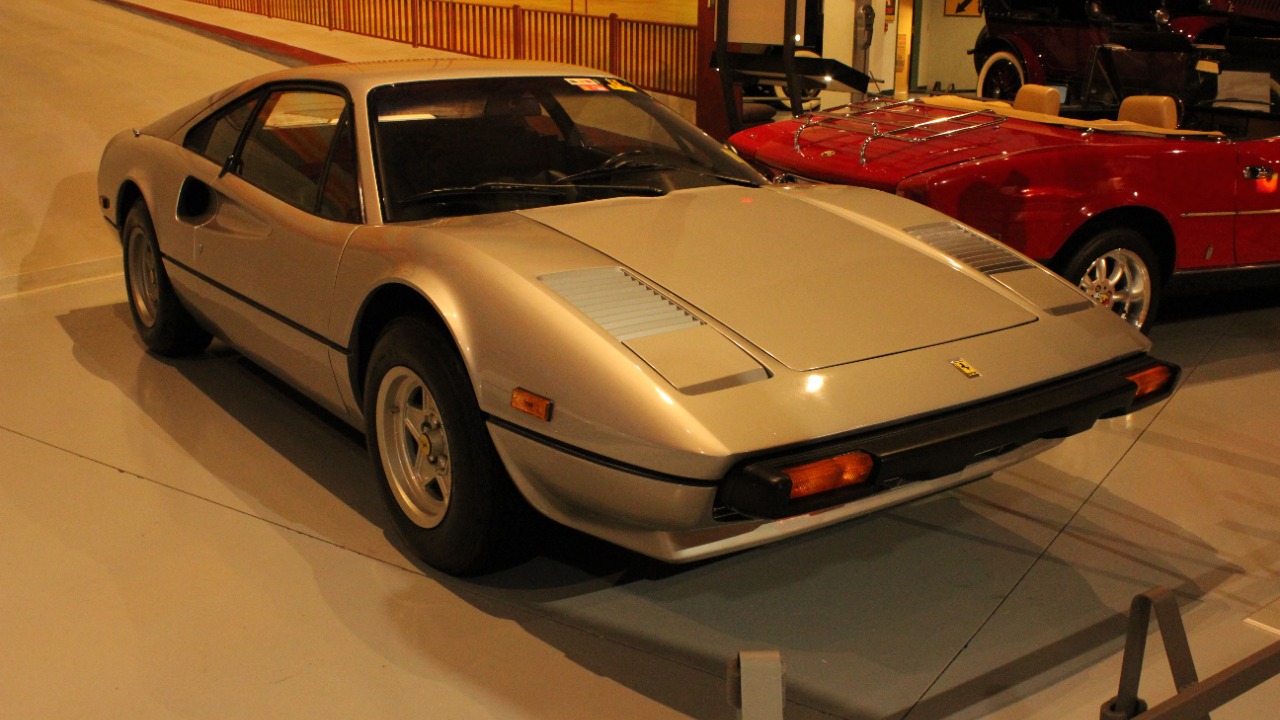
The carbureted Ferrari 308 GTB introduced mid-engine Italian performance to a broader audience during the mid-1970s. Powered by a high-revving V8 and wrapped in Pininfarina styling, it delivered exotic presence without the rarity of limited-run supercars. Early fiberglass-bodied examples were especially light and desirable. While values fluctuated for decades, renewed interest in analog driving experiences boosted appreciation. Today, the 308 GTB represents an accessible yet authentic slice of 1970s Ferrari engineering that matured into a respected collector favorite.
More from Fast Lane Only