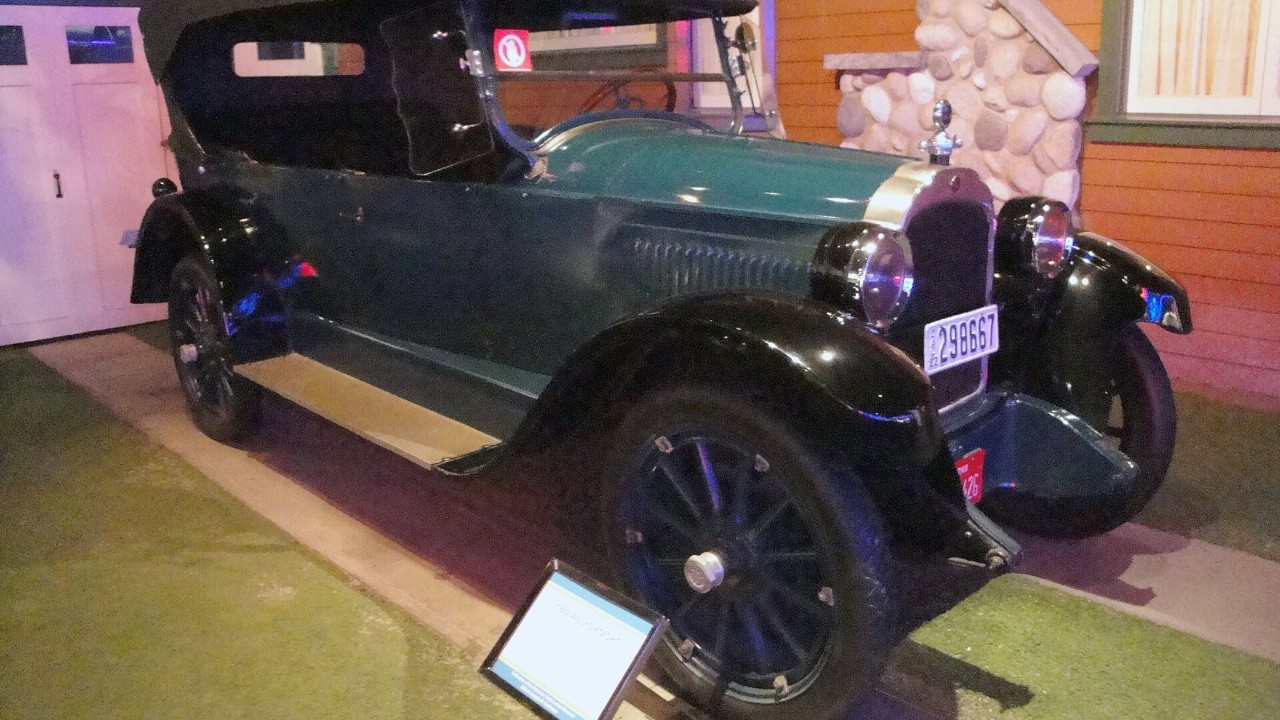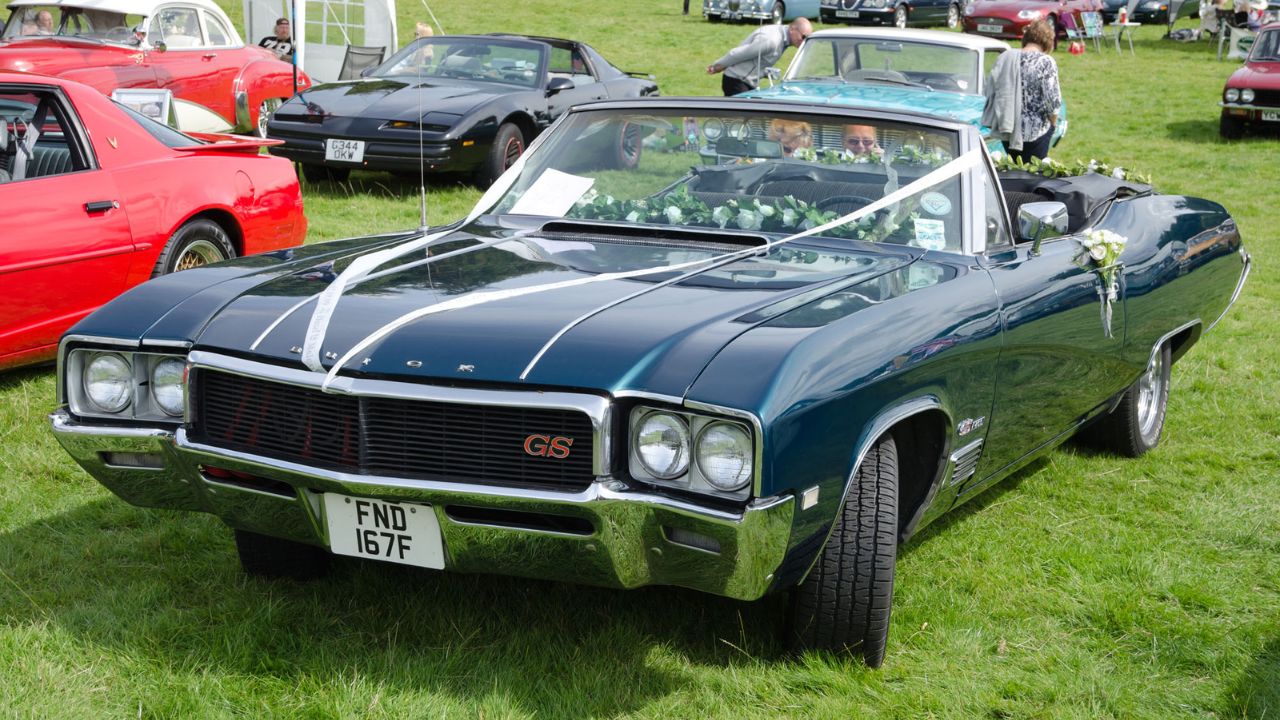
Big-block muscle is usually associated with the same handful of headline-grabbing legends, but plenty of other machines packed serious displacement without lasting fame. Some were overshadowed by corporate siblings, others arrived at the wrong time. Today, these overlooked bruisers deserve renewed respect. Their cubic inches and character speak for themselves.
Mercury Cyclone GT 390
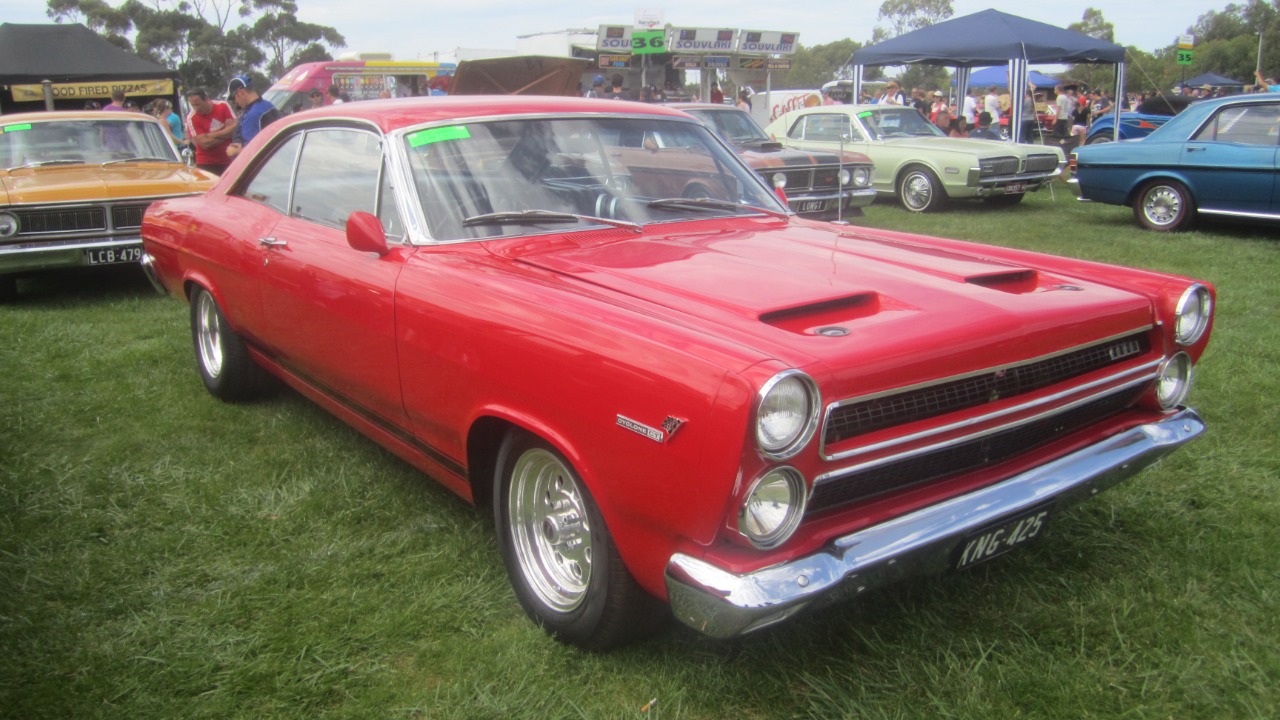
The 1968 Mercury Cyclone GT 390 delivered Ford big-block muscle with a sharper, more aerodynamic fastback profile. Powered by a 390 cubic-inch V8, it offered strong torque and respectable quarter-mile performance. Yet it lived in the shadow of the Mustang and Torino, limiting mainstream recognition. Enthusiasts today appreciate its distinct styling and relative rarity compared to better-known Ford stablemates. With solid performance credentials and lower production numbers, the Cyclone GT represents a compelling alternative for collectors seeking authentic late-1960s big-block punch without paying premium Mustang prices.
Pontiac Catalina 2+2
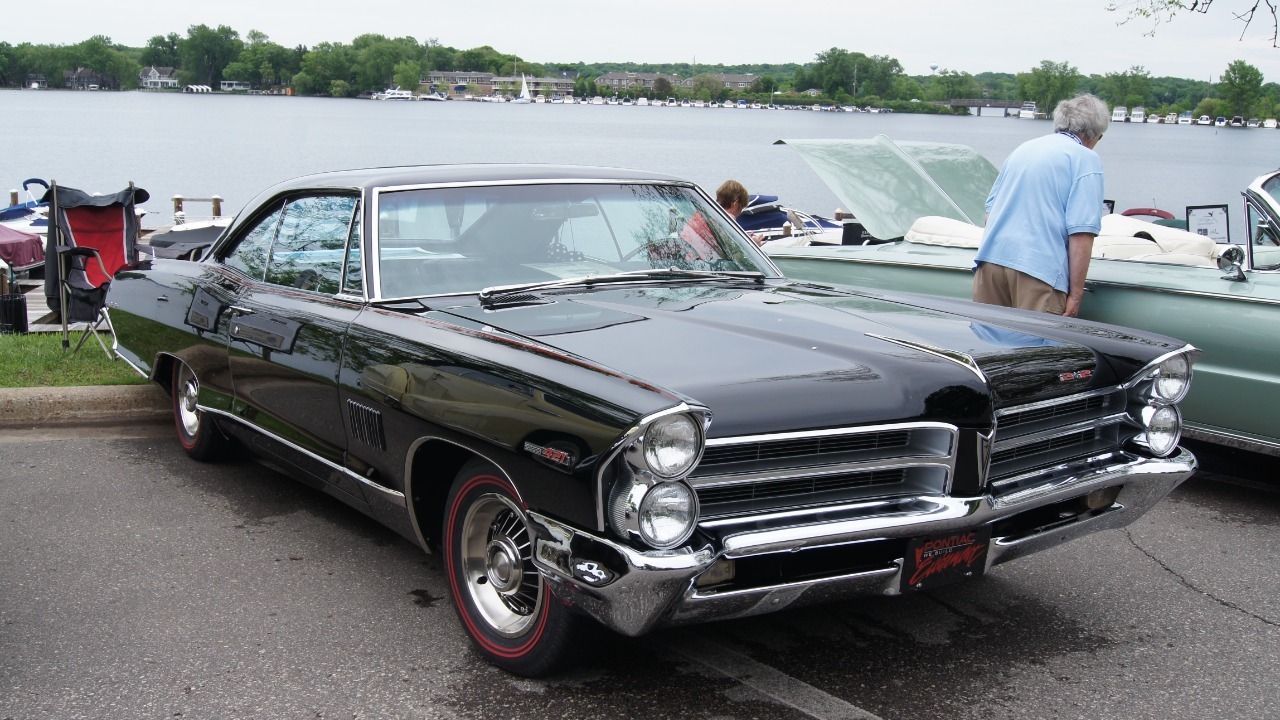
The Pontiac Catalina 2+2 blended full-size comfort with serious big-block authority. Equipped with a 421 cubic-inch V8 in high-output form, it could surprise smaller muscle cars in straight-line acceleration. However, its larger body and luxury positioning prevented it from gaining the same street credibility as the GTO. Today, collectors recognize that Pontiac’s engineering prowess extended beyond midsize platforms. The Catalina 2+2 offers classic wide-track styling and abundant torque, proving that full-size muscle once delivered both cruising comfort and genuine performance capability.
Chevrolet Biscayne L72
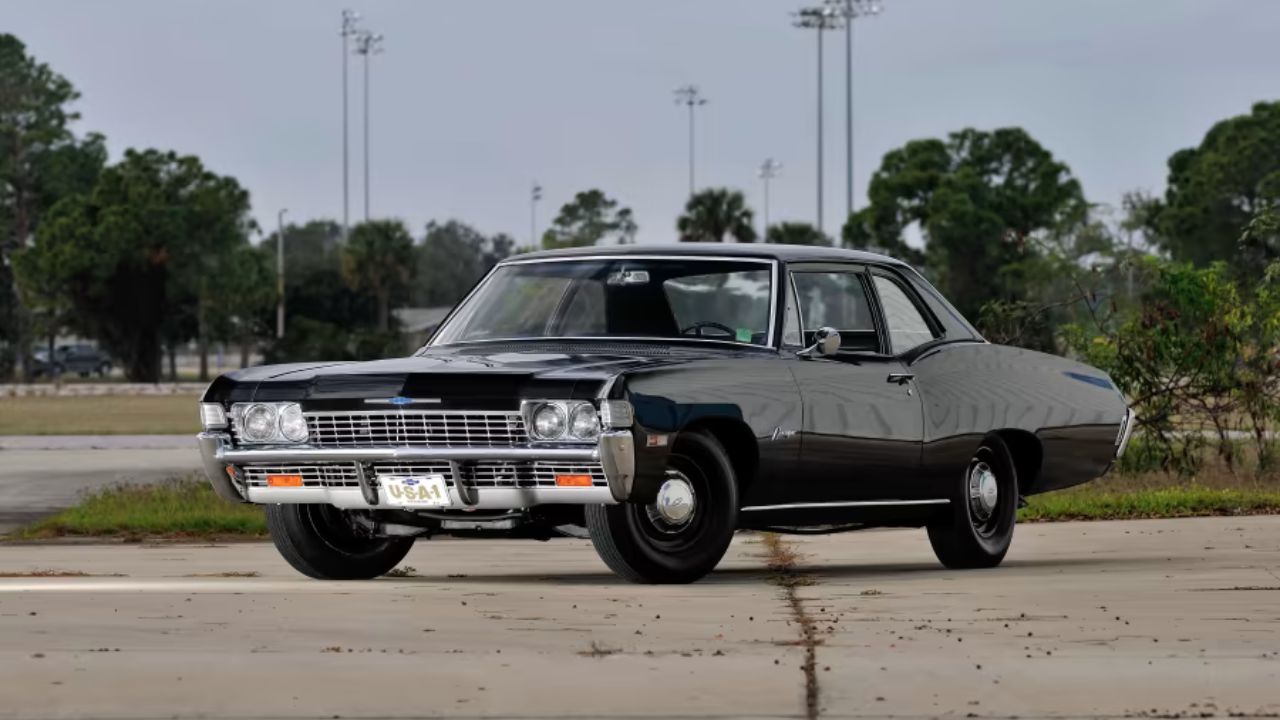
The Chevrolet Biscayne L72 exemplified stealth performance at its finest. Buyers could order the lightweight, no-frills sedan with the fearsome 427 cubic-inch L72 V8, creating a street sleeper capable of dominating stoplight races. Because it lacked flashy trim or aggressive marketing, it never achieved Camaro or Chevelle fame. Surviving examples are rare due to hard use and limited production. Modern enthusiasts admire the Biscayne L72 as a pure expression of big-block performance without unnecessary ornamentation, emphasizing raw speed over image.
Buick GS 400
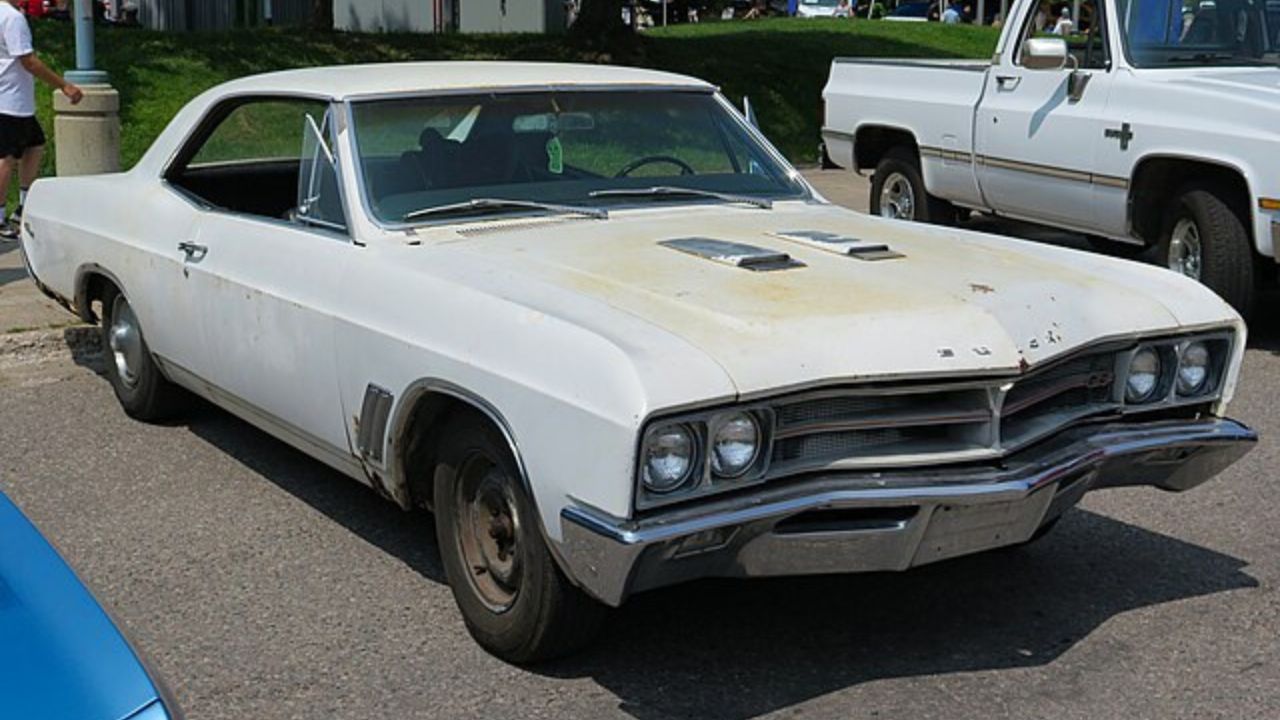
The 1967 Buick GS 400 showcased Buick’s ability to build serious muscle while maintaining refined road manners. Its 400 cubic-inch V8 delivered substantial torque, paired with a comfortable interior that appealed to mature buyers. Because Buick prioritized smoothness and understated design, the GS often avoided the spotlight reserved for flashier rivals. Yet period road tests confirmed its strong acceleration and durability. Today, collectors increasingly value the GS 400 for combining brute force with sophistication, highlighting Buick’s overlooked contribution to the muscle car era.
Dodge Polara 500
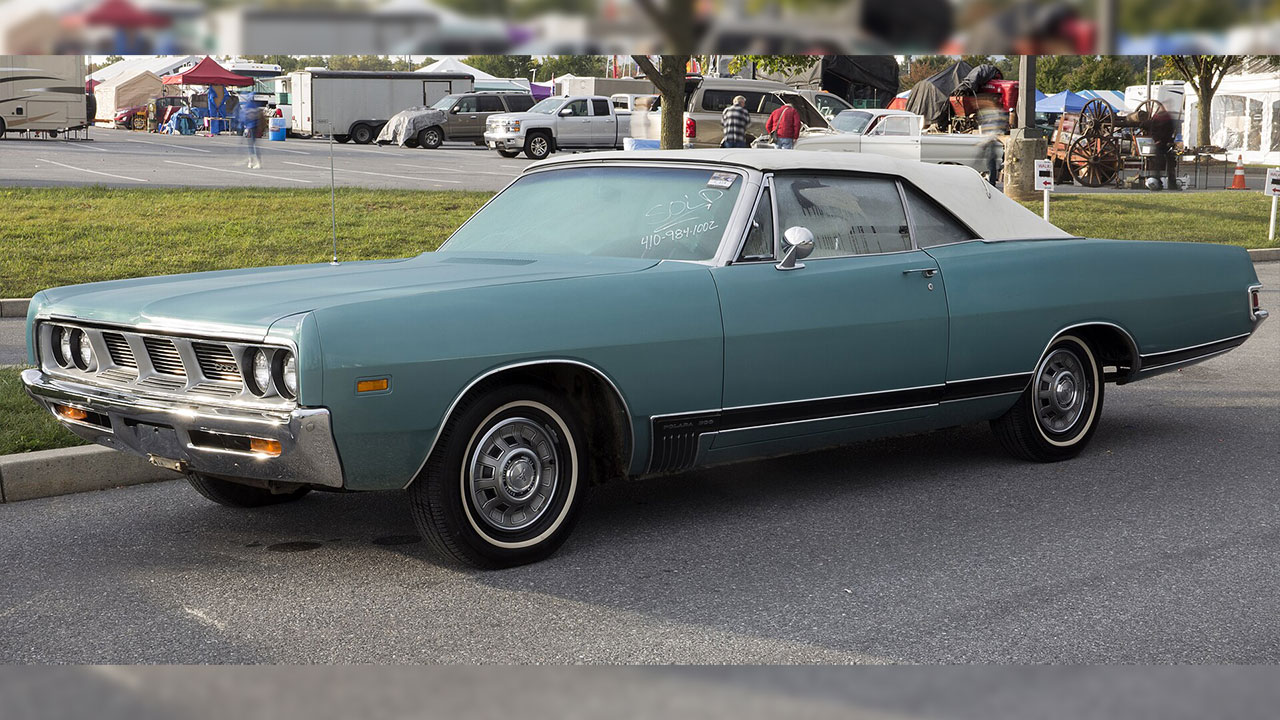
The Dodge Polara 500 brought Chrysler’s big-block muscle to a full-size platform with understated styling. Cubic-inch Magnum V8 delivered formidable straight-line performance, particularly impressive given the car’s size. Overshadowed by the Charger and Challenger, the Polara rarely received equal enthusiast attention. However, its spacious cabin and highway composure made it an effective high-speed cruiser. Today, the Polara 500 stands as an underrated Mopar alternative for collectors seeking authentic late-1960s torque without competing directly for headline muscle car prices.
Oldsmobile Delta 88 Holiday Coupe
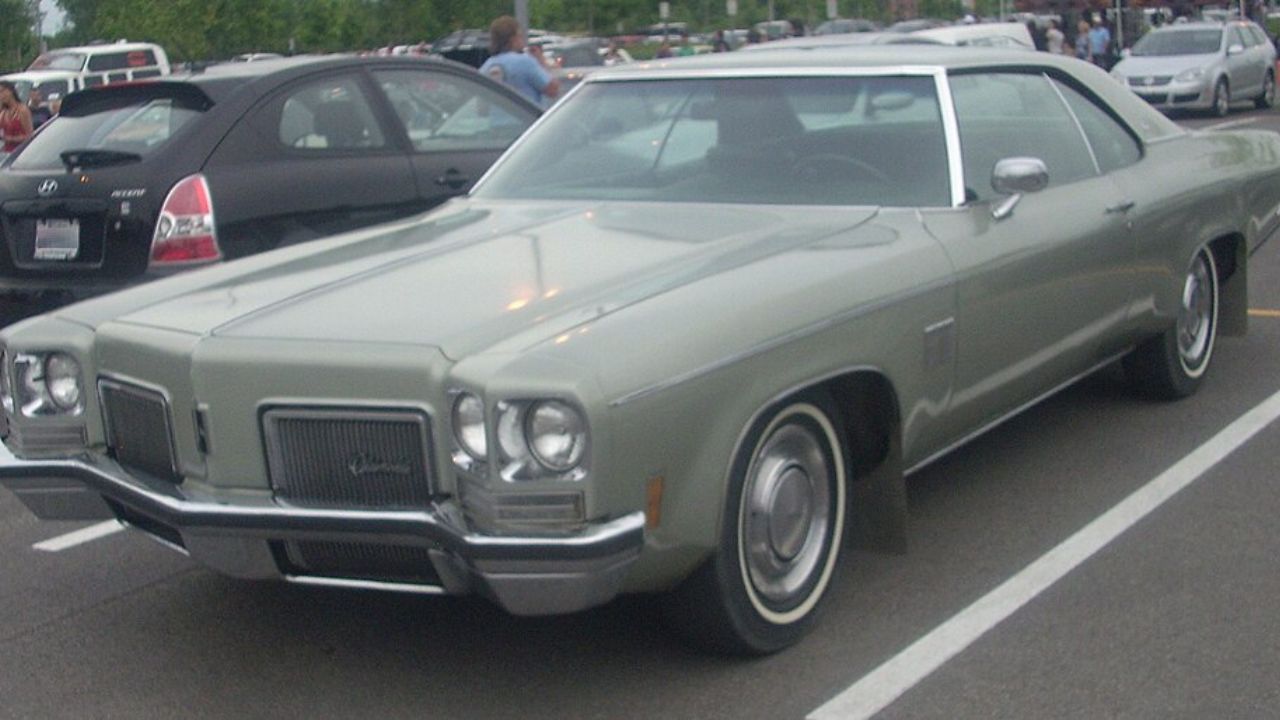
The Oldsmobile Delta 88 Holiday Coupe combined elegant styling with potent big-block options, including the 425 cubic-inch Super Rocket V8. While often categorized as a comfortable family car, high-output variants delivered impressive acceleration. Its restrained image meant it rarely entered muscle car conversations dominated by smaller, flashier models. Yet Oldsmobile’s engineering focus on durability and torque gave the Delta 88 genuine performance credentials. Collectors now recognize its balance of style, power, and comfort as representative of an era when full-size cars quietly packed serious displacement.
Ford Galaxie 500
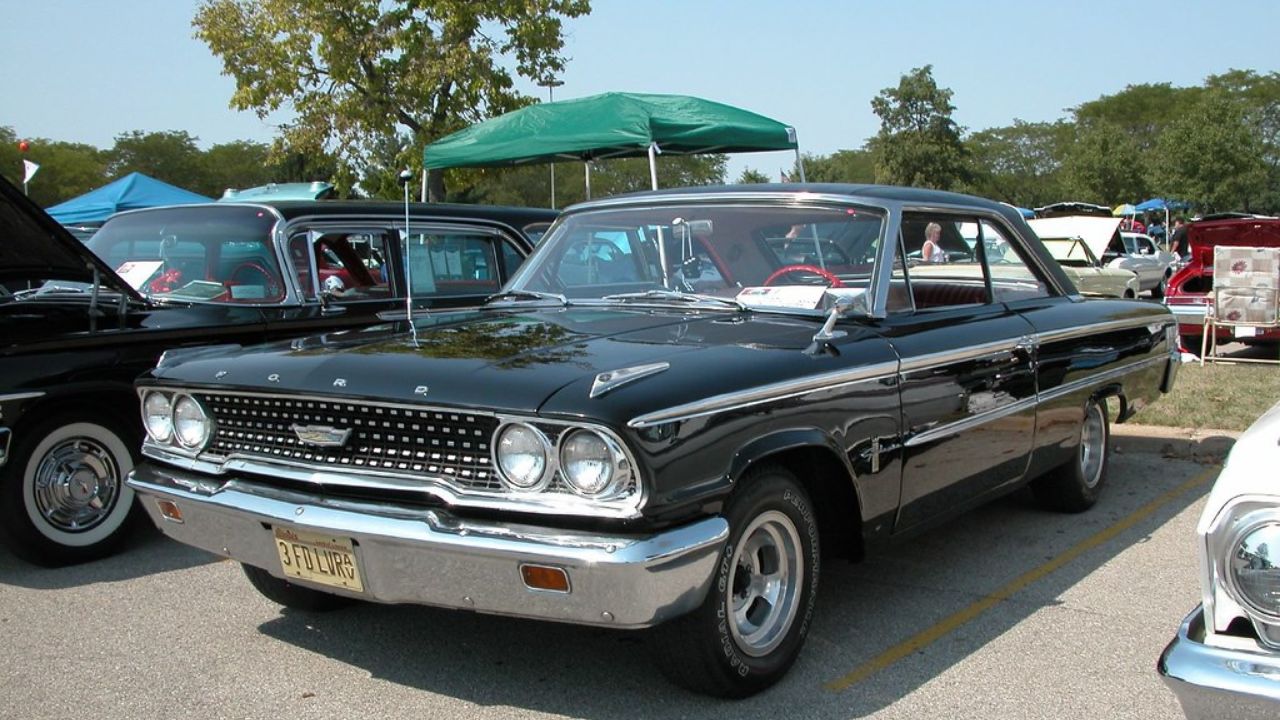
The 1963 Ford Galaxie 500 served as both a street machine and a NASCAR foundation. Featuring the legendary cubic-inch big-block, it offered exceptional top-end power and racing pedigree. Despite these credentials, it often sits behind smaller muscle cars in collector discussions. Its larger dimensions and early-1960s styling hide impressive performance capability. Enthusiasts who appreciate period-correct racing heritage increasingly value the Galaxie as a bridge between factory-backed competition and showroom availability.
AMC Ambassador 390
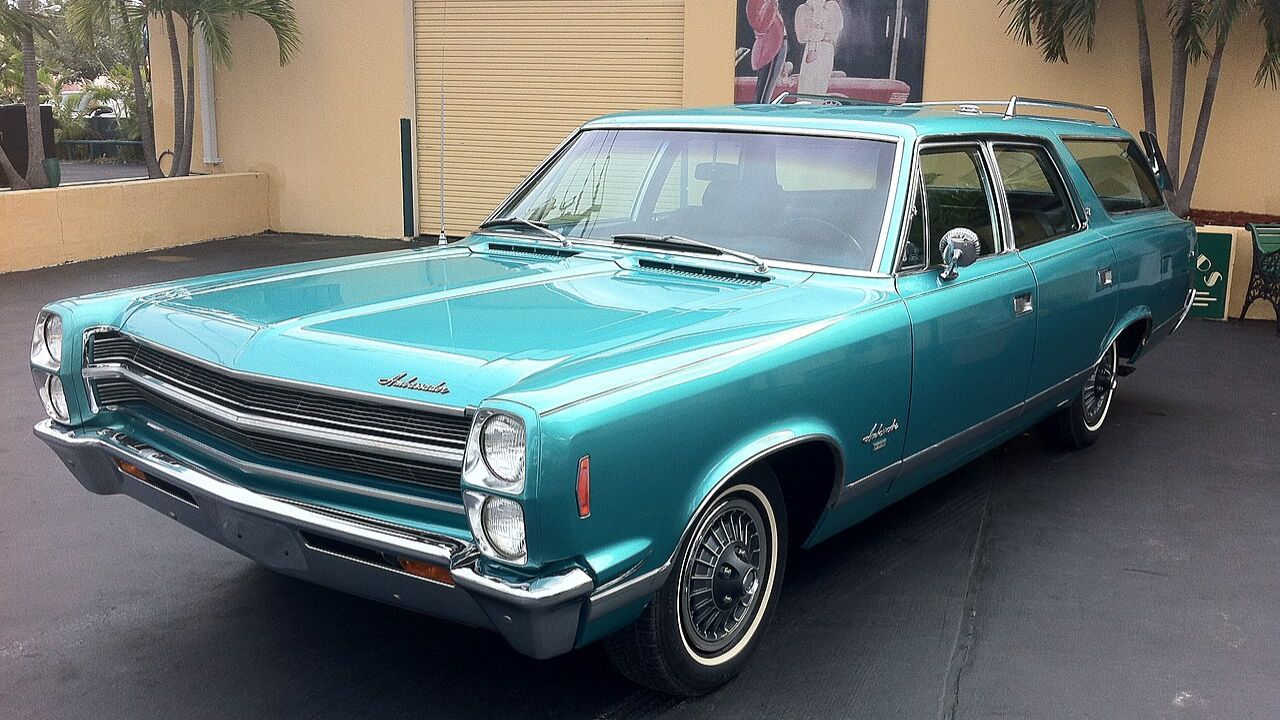
The AMC Ambassador 390 demonstrated that American Motors Corporation could compete in the big-block arena. Its 390 cubic-inch V8 delivered robust torque, wrapped in a roomy sedan body aimed at mainstream buyers. Limited marketing and AMC’s smaller dealer network restricted its visibility compared to Detroit giants. However, the Ambassador 390 offered comparable displacement and performance credentials at the time. Modern collectors seeking distinctive alternatives increasingly explore AMC’s big-block offerings, recognizing their rarity and historical significance in the broader muscle narrative.
Plymouth Fury III 440
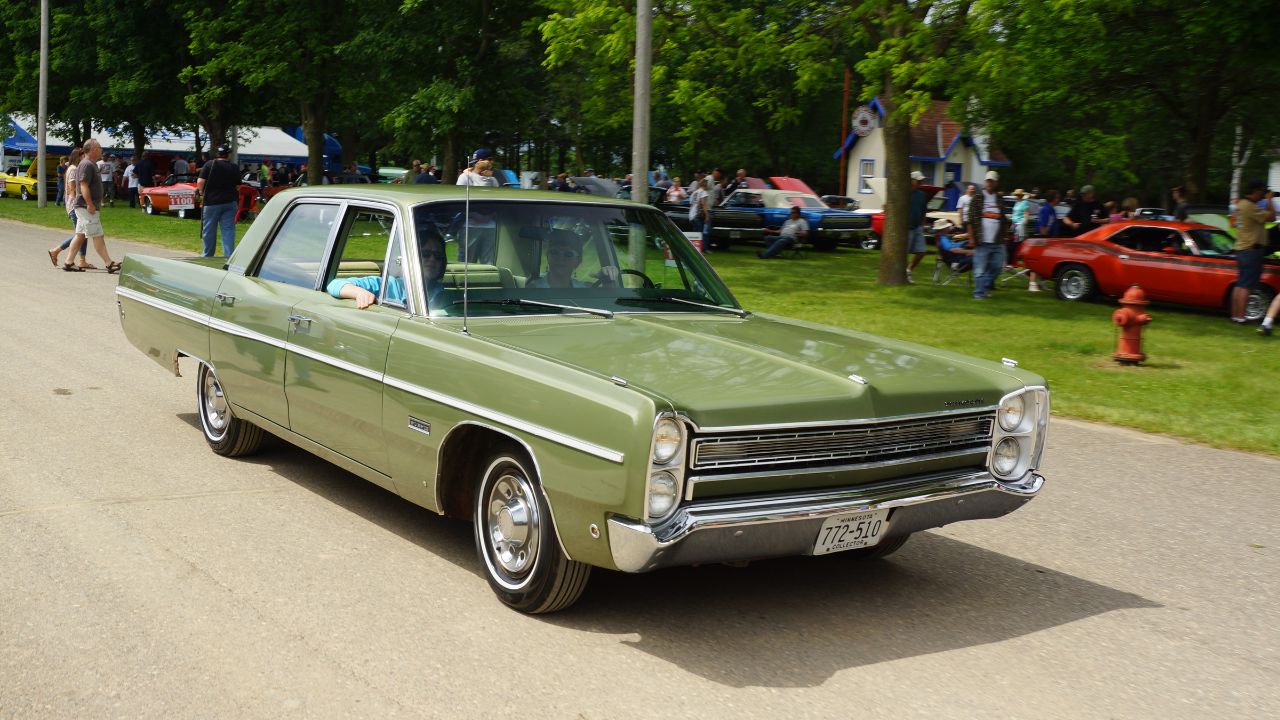
The Plymouth Fury III 440 brought Chrysler’s formidable 440 cubic-inch engine to a full-size platform known more for practicality than performance. Though overshadowed by Road Runners and GTX models, the Fury delivered strong acceleration and highway stability. Many were used as daily drivers, reducing survival rates for high-performance variants. Today, enthusiasts appreciate its clean lines and hidden muscle, viewing it as a sleeper from the golden age of displacement. The Fury III 440 proves that big-block power extended well beyond the most famous nameplates.
More from Fast Lane Only
More from Fast Lane Only